Citi Estimates Meta Muse AI Assistant Could Hit $27B Revenue by 2030
Citi estimates Meta’s AI assistant Muse could generate more than $27 billion in revenue by 2030, positioning the personal agent as the leading “front door” to the internet for consumer users. The bullish forecast highlights the accelerating growth of the personal AI agent market and Meta’s early lead in the space. The trend carries meaningful implications for content creators navigating AI-driven shifts in online discovery and user behavior.

Table of contents
What the Citi Forecast Says About Meta Muse
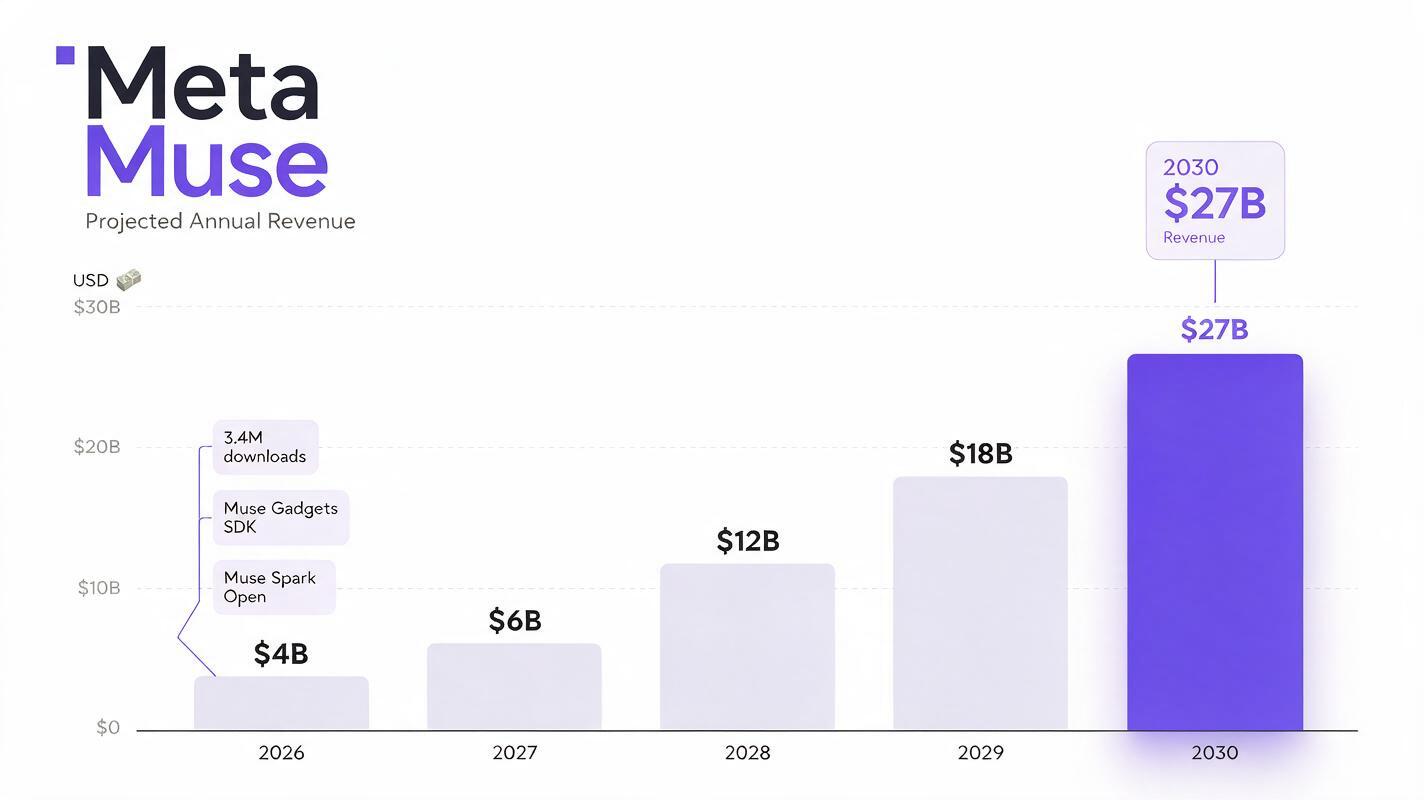
On October 20, 2026, a new Citi analysis projected that Meta’s AI assistant Muse could generate more than $27 billion in annual revenue by 2030, positioning the tool as the leading “front door” or entry point to the internet in the fast-growing personal-agent market. The forecast, reported via Meridian Magazine, represents one of the most bullish public projections for a consumer AI assistant to date, and underscores Meta’s early momentum in the competitive personal AI agent space.
The “front door” framing is central to Citi’s thesis: if Muse becomes the primary way users access online services, it could displace traditional search engines, social media feeds, and app home screens as the first point of contact for people looking for information, products, or entertainment online. This would give Meta unprecedented control over user traffic and monetization opportunities across ecommerce, advertising, and subscription services.
Why the $27B Projection Matters for the AI Agent Market
Citi’s estimate is backed by visible early traction for Muse, which had already surpassed 3.4 million downloads by late September 2026, according to earlier reports. The tool’s rapid user growth has already rippled through the tech industry: in late September, Amazon blocked Meta’s Muse shopping agent with “unauthorized agent access” popups on its retail site, and Bank of America warned that Muse’s shopping capabilities could divert significant ecommerce revenue away from Apple’s iPhone ecosystem.
Meta has also moved quickly to expand Muse’s functionality and developer ecosystem. In early October 2026, the company open-sourced its Muse Gadgets SDK, allowing third-party developers to build custom extensions and tools for the assistant. More recently, Meta’s Muse Spark Open launch was cited as a key catalyst for a broad US stock market rebound in mid-October, signaling investor confidence in the tool’s commercial potential.
The $27 billion revenue figure implies that Muse could become one of Meta’s core revenue streams in just four years, alongside its existing social media and advertising businesses. It also suggests the consumer AI agent market will grow far faster than many earlier projections, as users increasingly rely on AI assistants to handle routine online tasks.
What This Shift Means for Content Creators
The rise of personal AI agents like Muse as a front door to the internet will fundamentally reshape how content is discovered and consumed. Instead of finding content through search engine results pages or social media feeds, users will increasingly receive curated, summarized content recommendations directly from their AI assistant. This shift rewards content that is concise, well-structured, and optimized for AI agent retrieval, and it requires creators to build flexible workflows that can adapt to evolving distribution channels.
For video and digital creators, this means moving away from platform-specific content strategies and toward modular, multi-format content that can be repurposed across surfaces — from short-form social clips to long-form videos, text summaries, and AI agent-friendly answer snippets. Creators can leverage ai video generator tools to speed up production cycles and test new content formats faster, reducing the time and cost associated with adapting to new distribution channels like AI agents. Similarly, ai story generator tools help creators outline and draft concise, structured content that aligns with how AI agents surface information to users.
How Multi-Model AI Platforms Support Agent-Era Workflows
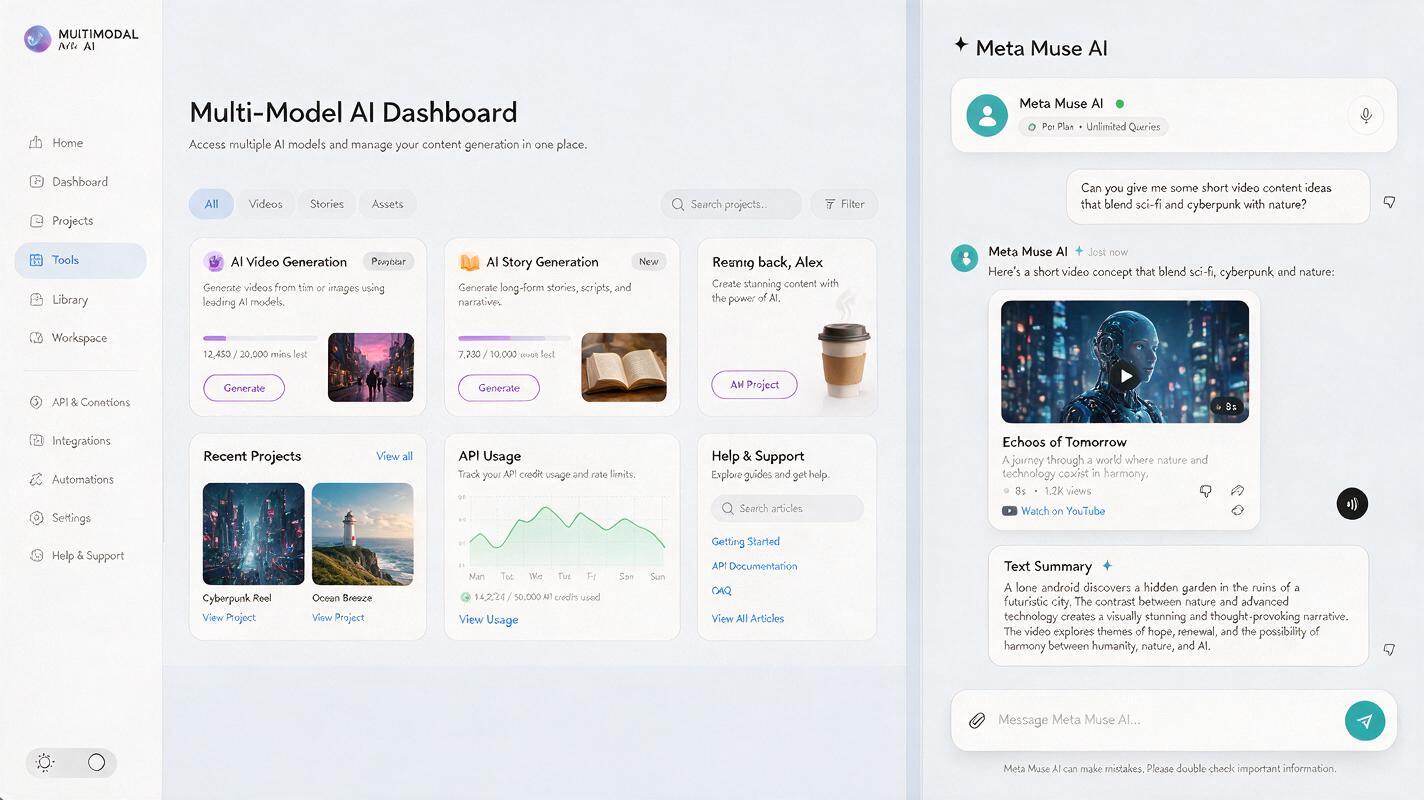
As the AI agent landscape evolves rapidly, relying on a single AI tool or provider can leave creators vulnerable to sudden changes in features, pricing, or platform availability. A multi-model AI platform gives creators access to a range of AI tools and models under one account, making it easier to test different approaches, automate repetitive tasks, and adapt workflows as new tools and distribution channels emerge.
MagicBoat integrates leading AI content tools across text, image, and video formats, with built-in ai automation features that help creators streamline their production pipelines. Whether you’re generating video clips optimized for AI agent discovery, drafting summary snippets, or creating custom visuals, a single account gives you access to all the tools you need to build a flexible, future-proof workflow.
If you’re ready to build flexible, future-proof content workflows that can adapt to the rise of AI agents, you can try these models for free on MagicBoat today.

Key Takeaways
- Citi estimates Meta’s Muse AI assistant could generate more than $27 billion in revenue by 2030, positioning it as the leading personal-agent “front door” to the internet.
- The forecast underscores the rapid growth of the consumer AI agent market, which is already reshaping ecommerce, content discovery, and online user behavior.
- Content creators should prioritize flexible, multi-format ai workflow strategies to adapt to AI-driven shifts in how users find and consume content.
- Multi-model AI platforms offer a stable, adaptable solution for creators looking to future-proof their work against rapid changes in the AI agent landscape.
Keywords
meta muse, ai assistant, ai agent, personal ai agent, 27b revenue, meta ai, ai workflow