Claude Opus 5.5 Launches Native Text to Video: What’s New
Anthropic’s Claude Opus 5.5 now includes native text-to-video generation, rolled out on September 30, 2026 alongside a cross-model style reference update for leading AI video models. The new feature enables end-to-end AI video production from concept to rendered clip within a single conversation, integrating with the model’s existing planning and scripting tools. This article breaks down the update, compares Claude Opus 5.5’s capabilities to GPT-6 and Gemini 4, and explains how creators can leverage the feature via MagicBoat’s multi-model platform.
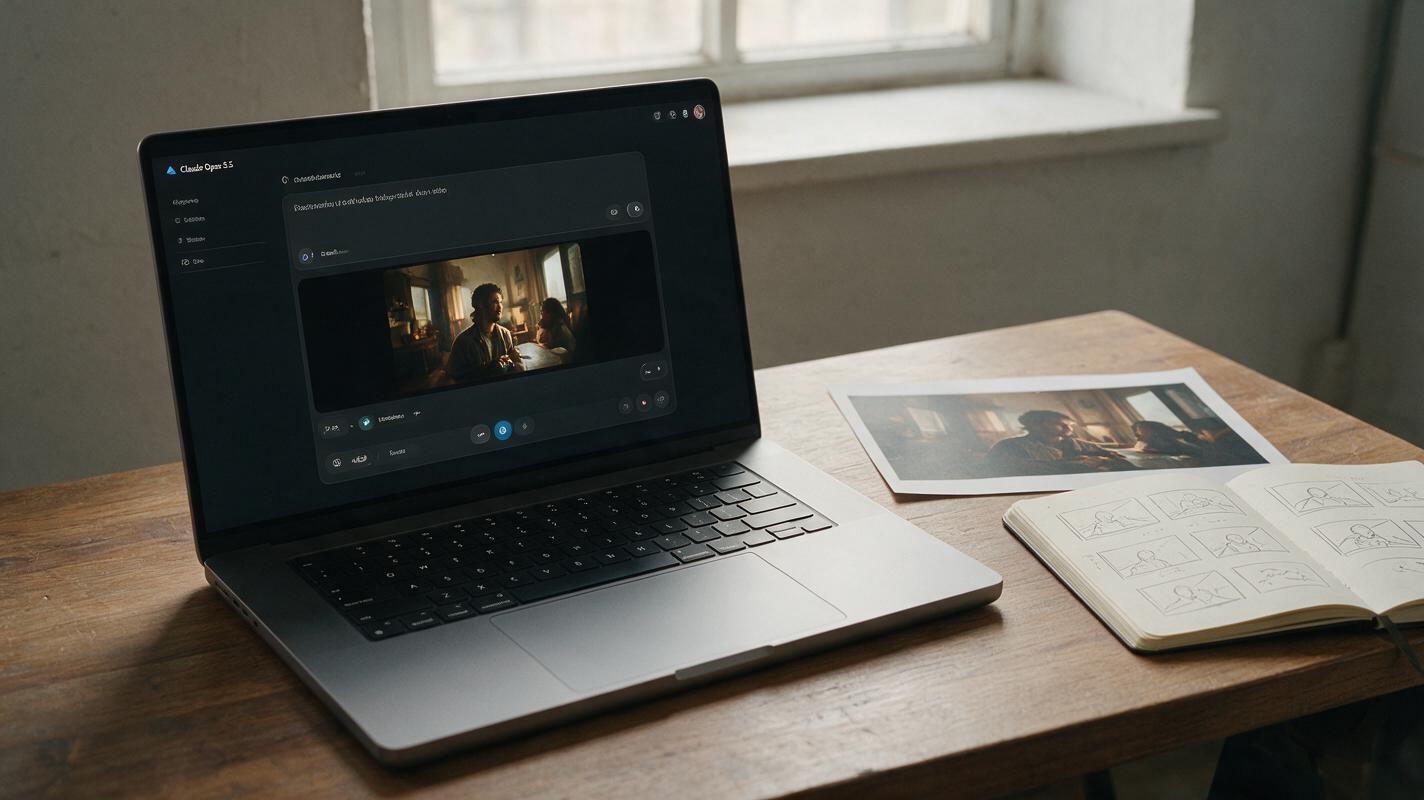
Table of contents
Claude Opus 5.5 Launches Native Text-to-Video Capabilities
Anthropic’s flagship Claude Opus 5.5 model now supports native text-to-video generation, marking a major expansion of its AI video creation toolkit for creators worldwide.
Announced on September 30, 2026, the update adds built-in video generation directly to the Claude Opus 5.5 interface, eliminating the need for third-party plugins or separate tools to turn text prompts into video clips. The rollout comes alongside a cross-model update adding AI video style reference support to Claude Opus, GPT-6, and Gemini 4, all released on the same day.
The new text-to-video feature integrates seamlessly with the model’s existing video planning, scriptwriting, and storyboarding capabilities, which have been a go-to for AI video creators working on structured pre-production. This makes Claude Opus 5.5 one of the first major frontier models to offer end-to-end AI video support, from initial concept and script to final rendered clip, all within a single conversation.
Creators can use the feature to generate video clips from natural language prompts, with the ability to refine outputs through iterative conversation—just like they would with text responses. The style reference support means creators can upload a reference image to match visual tone, color palette, and art direction, ensuring consistent results across multiple clips.
What the New Text-to-Video Feature Includes
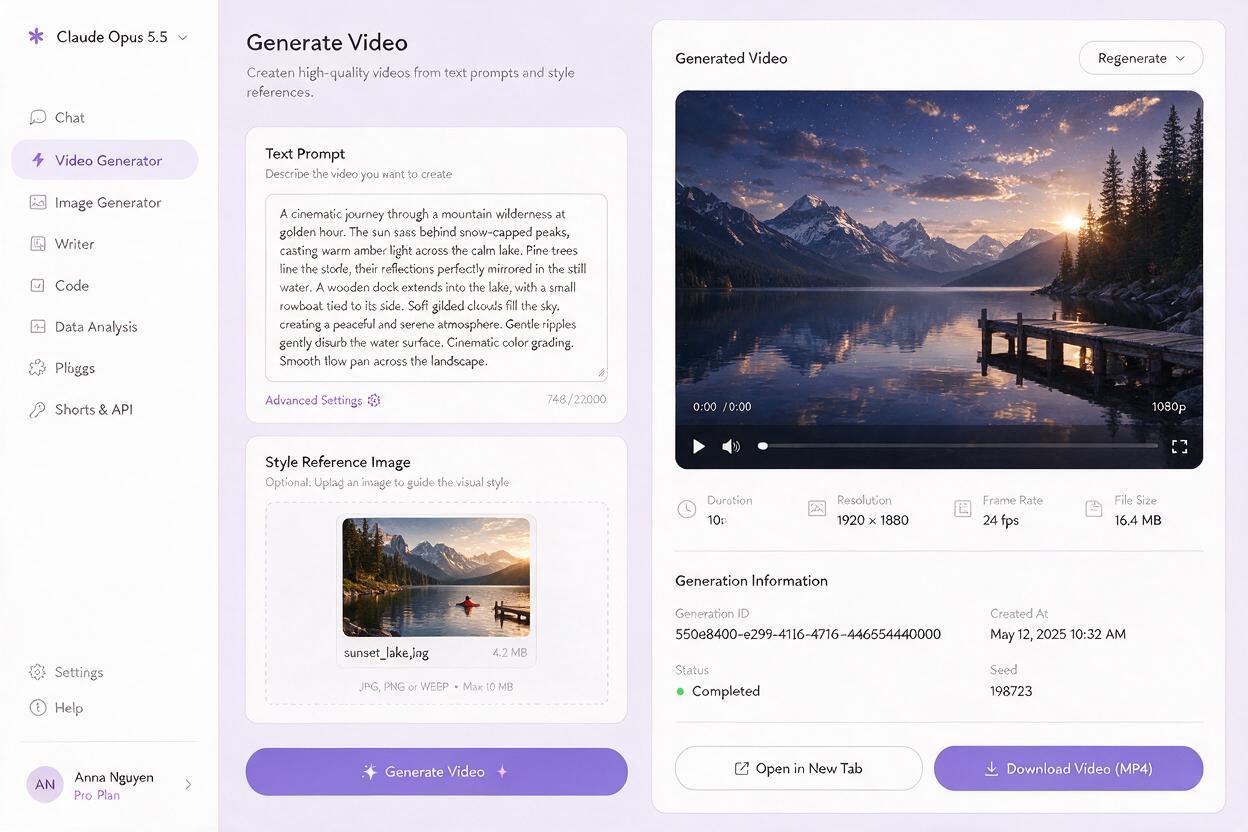
The native text-to-video tool is built directly into the standard Claude Opus 5.5 experience, with no extra setup required for users with access to the model. Key details of the update include:
- Native interface integration: The tool lives directly in the Claude Opus 5.5 chat window, so creators don’t need to switch between platforms or manage separate API keys for video generation. Clips generate inline with text responses, making it easy to iterate on prompts and adjust details in conversation.
- Style reference support: As part of the September 30 cross-model style reference update, creators can upload one or more reference images to guide the visual style of generated videos. This works across live-action, animated, and illustrated styles, helping creators match brand guidelines or specific artistic tones.
- End-to-end workflow alignment: Because the text-to-video feature sits alongside Claude’s planning tools, creators can develop scripts, shot lists, and storyboards in the same conversation before generating video. The model can auto-adjust generation prompts based on earlier planning notes, maintaining continuity across revisions.
- Long context compatibility: The tool works with Claude Opus 5.5’s extended context window, so creators can reference full scripts, brand guidelines, or previous project notes when generating clips, without needing to re-paste key details or truncate background information.
How Claude Opus 5.5 Text-to-Video Stacks Up Against GPT-6 and Gemini 4
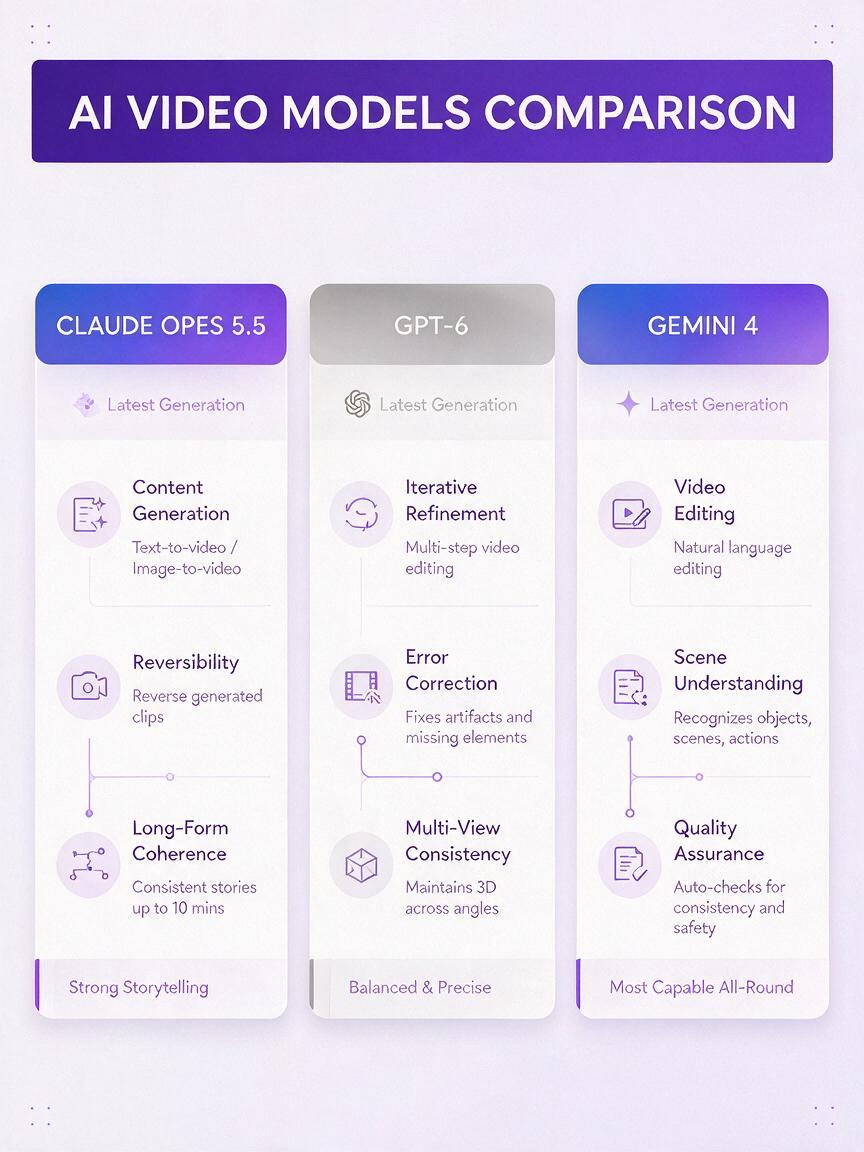
With the addition of native text-to-video, Claude Opus 5.5 joins GPT-6 and Gemini 4 as a top-tier AI video model, but each tool has distinct strengths depending on your workflow needs. The table below breaks down key capabilities across the three models:
| Capability | Claude Opus 5.5 | GPT-6 | Gemini 4 |
|---|---|---|---|
| Native text-to-video generation | Newly launched | Pre-production planning focus | Video analysis + pre-production focus |
| AI video style reference support | Supported | Supported | Supported |
| Built-in script and shot list creation | Supported | Supported | Supported |
| Single-conversation video workflow | End-to-end (concept to clip) | Pre-production only | Pre-production + analysis |
For creators who prioritize a streamlined, all-in-one workflow, Claude Opus 5.5’s native generation removes the need to hand off prompts or style guides between separate planning and rendering tools. This is a key difference from GPT-6, which offers robust long-form video planning features but relies on external tools for actual clip generation, and Gemini 4, which excels at video analysis and pre-production validation but does not offer native rendering.
That said, all three models support the new style reference feature, so creators can maintain consistent visual identity across tools regardless of which model they use for each stage of the workflow. This interoperability makes it easier than ever to build a hybrid workflow that leverages each model’s strengths.
What This Means for AI Video Creators
The launch of native text-to-video in Claude Opus 5.5 has several immediate, practical implications for AI video creators working on everything from social media content to explainer videos and storyboard animatics.
First, it creates a new end-to-end option for short-form video creation. Creators can go from a rough concept to a rendered clip in a single conversation, without switching between platforms or copying assets across tools. This cuts down on administrative overhead and leaves more time for creative iteration.
Second, it adds a reliable alternative for creators who have faced disruptions from the recent OpenAI safety freeze affecting some GPT-6 features. Having a second model with full video production capabilities reduces the risk of project delays, as creators can shift work to Claude Opus 5.5 without sacrificing planning quality or style consistency.
Third, the combination of native generation and style reference support makes it easier to maintain brand consistency across video assets. Creators can upload a single brand style guide image, and the model will match that tone across all generated clips, reducing the need for manual color grading or style adjustments in post-production.

Leveraging Claude Opus 5.5 Text-to-Video With MagicBoat
For creators who want to get the most out of Claude Opus 5.5’s new text-to-video feature alongside other leading AI models, a multi-model platform like MagicBoat offers a streamlined way to manage all your AI video tools in one place.
With MagicBoat, you can access Claude Opus 5.5 text to video generation alongside GPT-6 and Gemini 4, making it easy to compare outputs, test different prompts, and pick the best model for each stage of your project. You can use Claude for end-to-end short-form clips, GPT-6 for long-form video planning, and Gemini 4 for video analysis and style validation—all with a single account and unified billing.
The platform also supports image to video workflows across multiple models, so you can combine the strengths of each tool to get exactly the look and feel you want for your projects. Whether you’re working on a 10-second social media clip or a longer explainer video, having access to multiple models in one place reduces friction and helps you iterate faster.
If you’re ready to test Claude Opus 5.5’s new text-to-video capabilities alongside the best ai video model options on the market, sign up for MagicBoat today to explore all the tools available in one unified workspace.
Key Takeaways
- Claude Opus 5.5 launched native text-to-video generation on September 30, 2026, making it one of the first frontier models with end-to-end AI video support in a single interface.
- The new feature integrates with the recently rolled out AI video style reference tool, allowing creators to match visual tone using reference images.
- Compared to GPT-6 and Gemini 4, which focus primarily on pre-production and planning, Claude Opus 5.5 now offers a full workflow from concept to rendered clip.
- Multi-model platforms like MagicBoat make it easy to combine Claude Opus 5.5’s new text-to-video capabilities with the strengths of other leading AI video models.
Keywords
claude opus 5.5, text to video, claude opus, gpt-6, gemini 4, ai video model, free ai tools