ConnectWise Credential Attack Reaches 173 Microsoft 365 Tenants
Leaked ConnectWise credentials were reportedly used in an active attack to access 173 Microsoft 365 tenants, exposing the reach of credential abuse through an MSP supply chain. The incident highlights why AI content teams need protected identities, MFA and portable production workflows rather than dependence on a single access path.

Table of contents
Leaked ConnectWise Credentials Put 173 Microsoft 365 Tenants at Risk
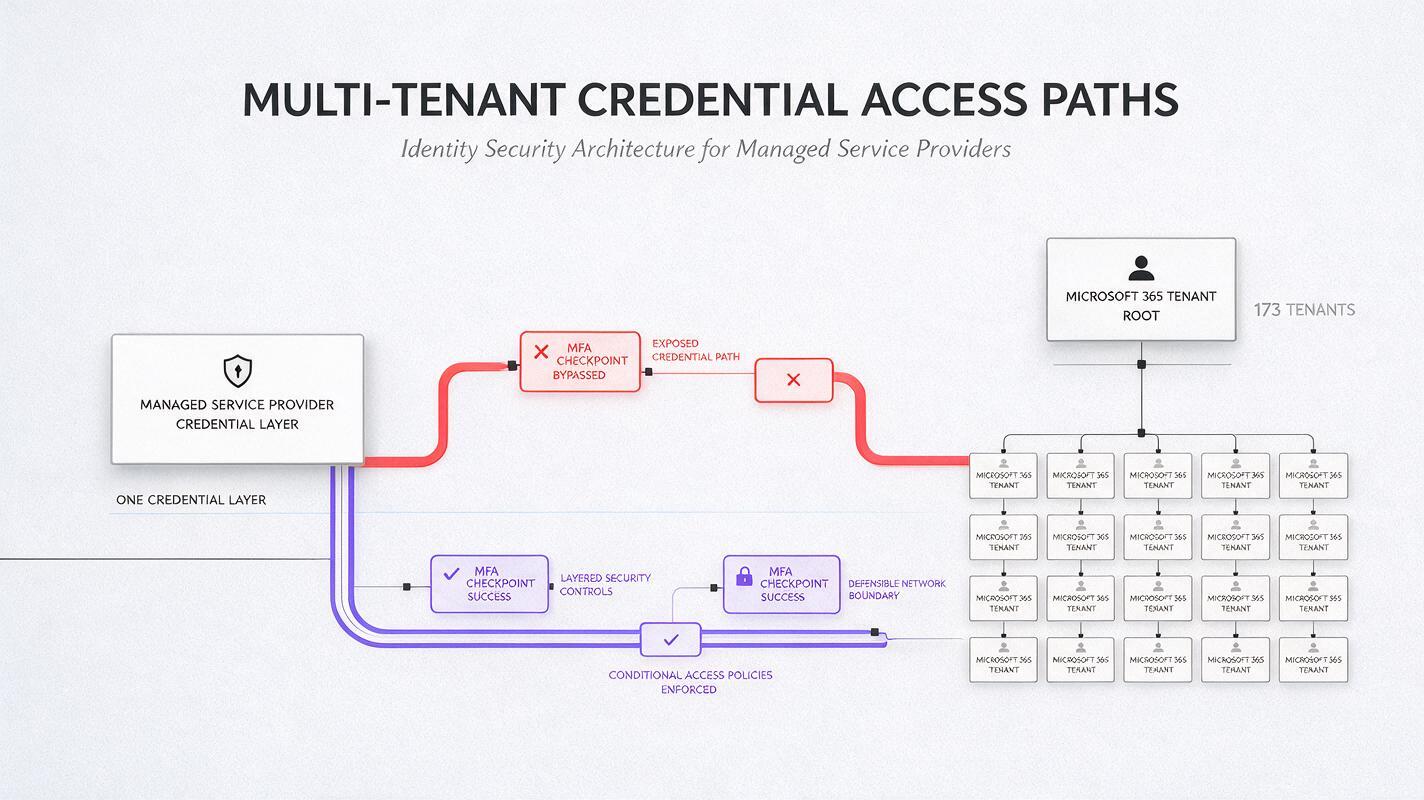
An active security incident reported on October 17, 2026, involved leaked ConnectWise credentials being used to log in to 173 Microsoft 365 tenants. The event was identified as MSP supply-chain credential abuse, meaning the compromised access was connected to a managed service provider environment rather than being described as 173 unrelated account incidents.
The reported response is direct: affected organizations should rotate credentials and enforce multifactor authentication. Those measures matter because valid credentials can allow an attacker to appear like an authorized user at the login boundary. The available report identifies unauthorized tenant logins, but it does not provide a quantified account of downstream data loss or establish that every tenant experienced the same impact.
For content teams, the incident is relevant well beyond email administration. Microsoft 365 identities may sit alongside scripts, briefs, review documents and automated production processes. When those identities become unreliable, an AI workflow can be interrupted even if the creative models and media tools themselves remain available.
Why the MSP Supply-Chain Angle Matters
A managed service provider can administer systems for multiple customers. That relationship creates operational efficiency, but it can also concentrate access. In this incident, the reported use of leaked ConnectWise credentials across 173 Microsoft 365 tenants illustrates how credential exposure at a shared administrative layer can reach many separate organizations.
The key distinction is between a software vulnerability and credential abuse. The report describes leaked credentials being used to log in; it does not state that the attackers broke Microsoft 365 authentication or exploited a newly disclosed ConnectWise software flaw. That difference should guide both headlines and response priorities.
The immediate security message is identity-focused: rotate exposed credentials and require MFA rather than assuming a password alone is a sufficient control.
Accurate framing also prevents an AI assistant from turning a narrow set of confirmed facts into a broader, unsupported breach narrative. Editorial teams covering the attack should preserve the known scope—173 tenants, leaked ConnectWise credentials and MSP supply-chain abuse—while avoiding unsupported claims about stolen files, specific victims or attacker identity.
Identity Security Now Sits Inside the Content Pipeline
Modern production often combines documents, approvals, AI automation and publishing access. A campaign may begin with research in a shared workspace, move into an ai script generator, continue through visual production and return to cloud collaboration for review. The content may be portable, but the identities authorizing each connection can become a single point of failure.
This makes credential hygiene part of creative continuity. If an administrator, contractor or service provider account is exposed, teams may need to suspend sessions, replace credentials and verify access before normal work can resume. A workflow that depends on one account, one provider or one tightly coupled automation chain can be harder to recover than a modular process with clearly separated assets and permissions.
AI does not remove this risk. An AI agent may act through the accounts and permissions it receives, while an AI assistant may handle material drawn from connected services. Teams therefore need to treat access rights as production infrastructure, not as a background IT concern.
Human Review Remains Essential
Automation can accelerate drafting, asset preparation and distribution, but sensitive actions still benefit from human review. Publishing permissions, account changes and connections to shared repositories deserve particular scrutiny because they can affect more than a single document.
The ConnectWise incident also shows why an access event should not be summarized only as “service downtime.” The central issue is trust: teams need confidence that the person or system entering a tenant is authorized. Restoring that confidence may require credential rotation, MFA enforcement and a review of which identities can reach production materials.
Building a More Portable AI Production Environment
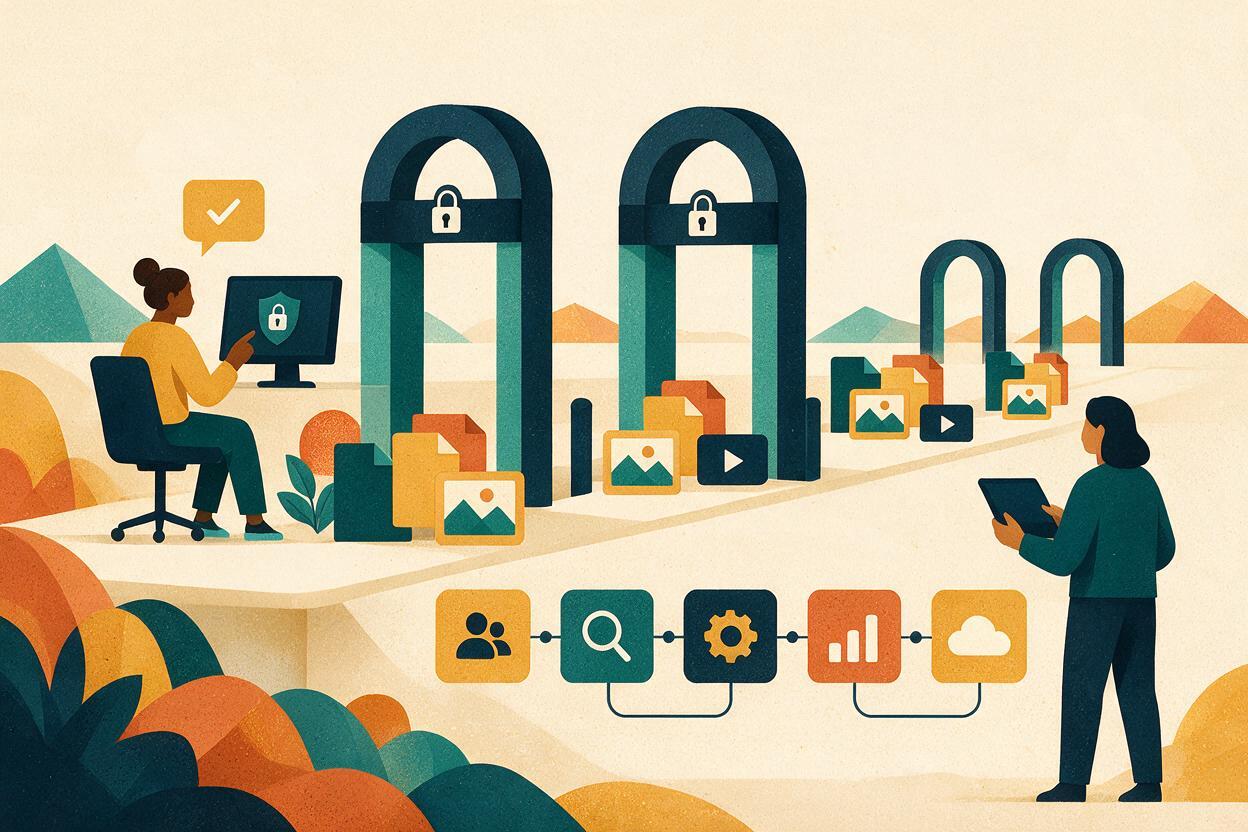
Security resilience is not only about blocking an attack. It is also about keeping legitimate work movable when one access route must be restricted. Content teams can reduce operational concentration by keeping source materials organized, preserving editable project assets and avoiding unnecessary dependence on a single automation connection.
A modular production approach also helps teams separate creative generation from account administration. For example, an ai video generator can support visual output without requiring every part of the broader content operation to be bound to the same Microsoft 365 identity. This does not replace access controls, but it can limit how much of the production schedule depends on one credential path.
MagicBoat supports a one-account environment for multiple AI creation capabilities, giving teams a practical place to continue developing scripts and visual assets while their wider access arrangements are reviewed. The value is workflow flexibility: creators can keep the production layer more portable instead of rebuilding every creative process around a newly selected model or disconnected tool.
What Teams Should Take From the Attack
The reported scale makes the ConnectWise credential attack notable, but the lesson is not that every cloud workflow is unsafe. It is that shared administrative access deserves controls proportional to its reach. A credential capable of opening multiple customer environments carries more operational consequence than an isolated login.
- Separate confirmed facts from assumptions. The report confirms logins to 173 Microsoft 365 tenants using leaked ConnectWise credentials.
- Prioritize the stated response. Credential rotation and MFA enforcement directly address the access mechanism described.
- Review concentrated permissions. MSP and administrative accounts can affect multiple environments when their access is broad.
- Keep production assets portable. Organized scripts, prompts and media files make it easier to continue legitimate work during an access review.
- Preserve human oversight. High-impact publishing and account actions should not disappear inside opaque AI automation.
Editorial and Workflow Checklist
- Describe the incident as credential abuse affecting 173 Microsoft 365 tenants.
- Identify the MSP supply-chain context without claiming an unreported software exploit.
- Rotate affected credentials and enforce MFA as directed by the report.
- Audit which administrative identities can reach content and publishing systems.
- Maintain editable copies of scripts, visuals and project materials outside fragile automation chains.
- Use modular AI services so a blocked account connection does not halt the entire creative pipeline.
Teams looking to make their AI production environment more flexible can try these models for free on MagicBoat and build a workflow that is easier to adapt when access conditions change.
Keywords
connectwise credentials, microsoft 365 attack, msp supply chain, mfa, credential rotation, ai workflow security, ai automation