CoreWeave Q3 2026 Revenue Beats Estimates Amid Debt and AI Infrastructure Risks
CoreWeave reported Q3 2026 revenue of $3.661 billion, up 168% year-over-year and beating analyst consensus, while raising full-year revenue and adjusted operating income guidance. The Nvidia-backed neocloud operator still faces steep debt, unprofitability and customer concentration risks, with its stock down more than 40% in the past month. The results have implications for AI model availability and creator workflow reliability, as CoreWeave supports major providers including OpenAI and Anthropic.
Table of contents
CoreWeave Q3 2026 Earnings: Revenue Beat and Raised Guidance
Nvidia-backed neocloud operator CoreWeave delivered a blowout third-quarter earnings report after market close on November 10, 2026, topping revenue estimates and raising full-year guidance even as its stock has fallen more than 40% in the past month amid broader AI infrastructure volatility.
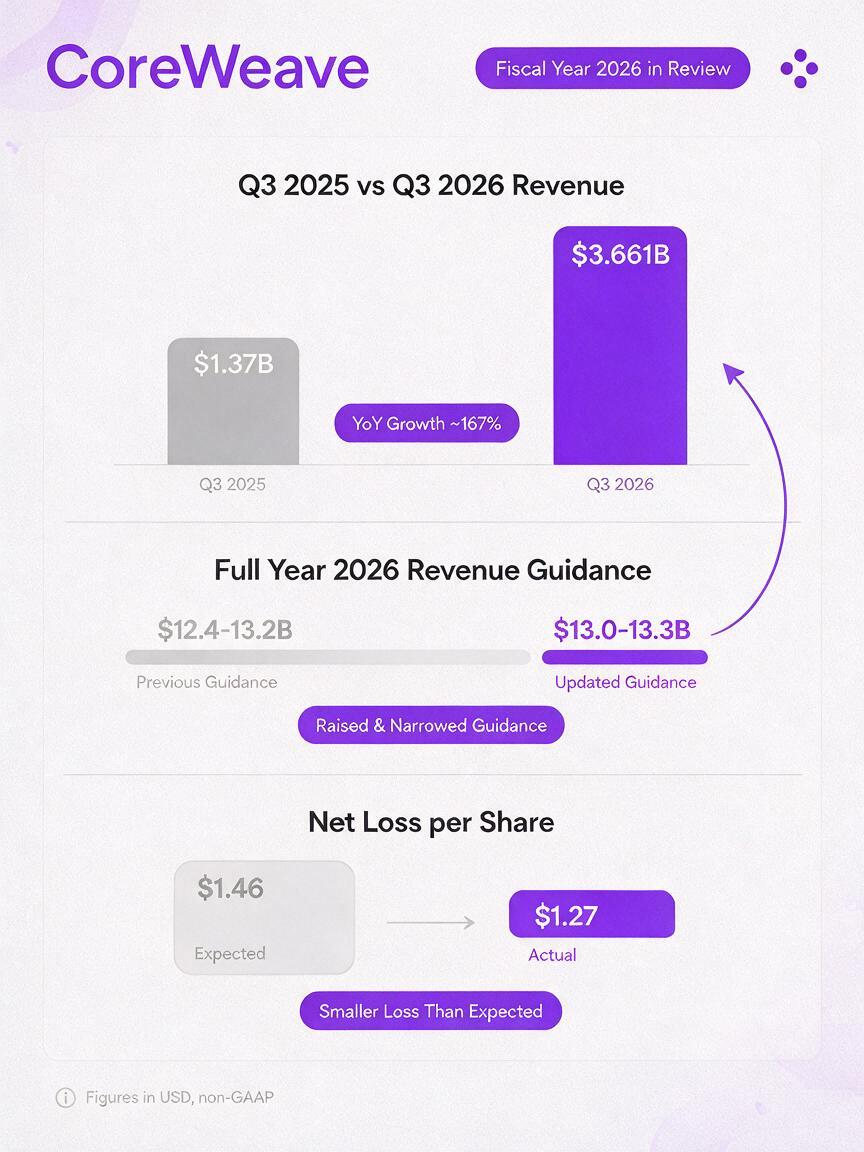
CoreWeave reported Q3 revenue of $3.661 billion, up 168% year-over-year from $1.37 billion in the same period last year. The result beat the $3.55 billion LSEG analyst consensus, marking another quarter of explosive growth for the AI-focused cloud provider. Net loss per share came in at $1.27, narrower than the $1.46 loss expected by analysts.
The company also raised its full-year 2026 revenue guidance to $13.0–13.3 billion, up from a previous range of $12.4–13.2 billion. Adjusted operating income guidance was also lifted to $1.275–1.375 billion. Management stated it expects 2027 losses to narrow sharply, with adjusted profitability targeted for the first half of 2028 and full-year adjusted profitability by the end of 2028. Shares rose 5–7% in after-hours trading following the release.
"Customer contracts come first, and investment follows."
— Mike Intrator, CoreWeave CEO
Intrator’s comment reflects the company’s strategy of tying capital investment directly to committed customer demand, with customers helping fund data center buildouts through prepayments. Analysts at Truist have argued that current market sentiment is disconnected from improving neocloud economics, pointing to CoreWeave’s growing contracted revenue base as a sign of long-term stability.
The Fine Print: Debt, Losses and Customer Concentration Risks
Despite the earnings beat, significant risks hang over the $27 billion company. CoreWeave has never turned a profit, and carried more than $50 billion in debt as of June 2026. Its 2030 bonds trade with yields of about 15.2%, and its five-year credit default swaps sit at 1135 basis points — both indicators of high market perceived default risk.
The company’s customer base is heavily concentrated among large AI and tech firms, with Microsoft, Meta, OpenAI and Anthropic listed as key clients. Industry reports have noted that roughly two-thirds of CoreWeave’s 2025 revenue came from Microsoft alone, creating meaningful customer concentration risk. Bloomberg reported last week that Microsoft is tightening oversight of its neocloud projects with Nebius, IREN and Nscale, a move that has raised questions about the future of similar partnerships.
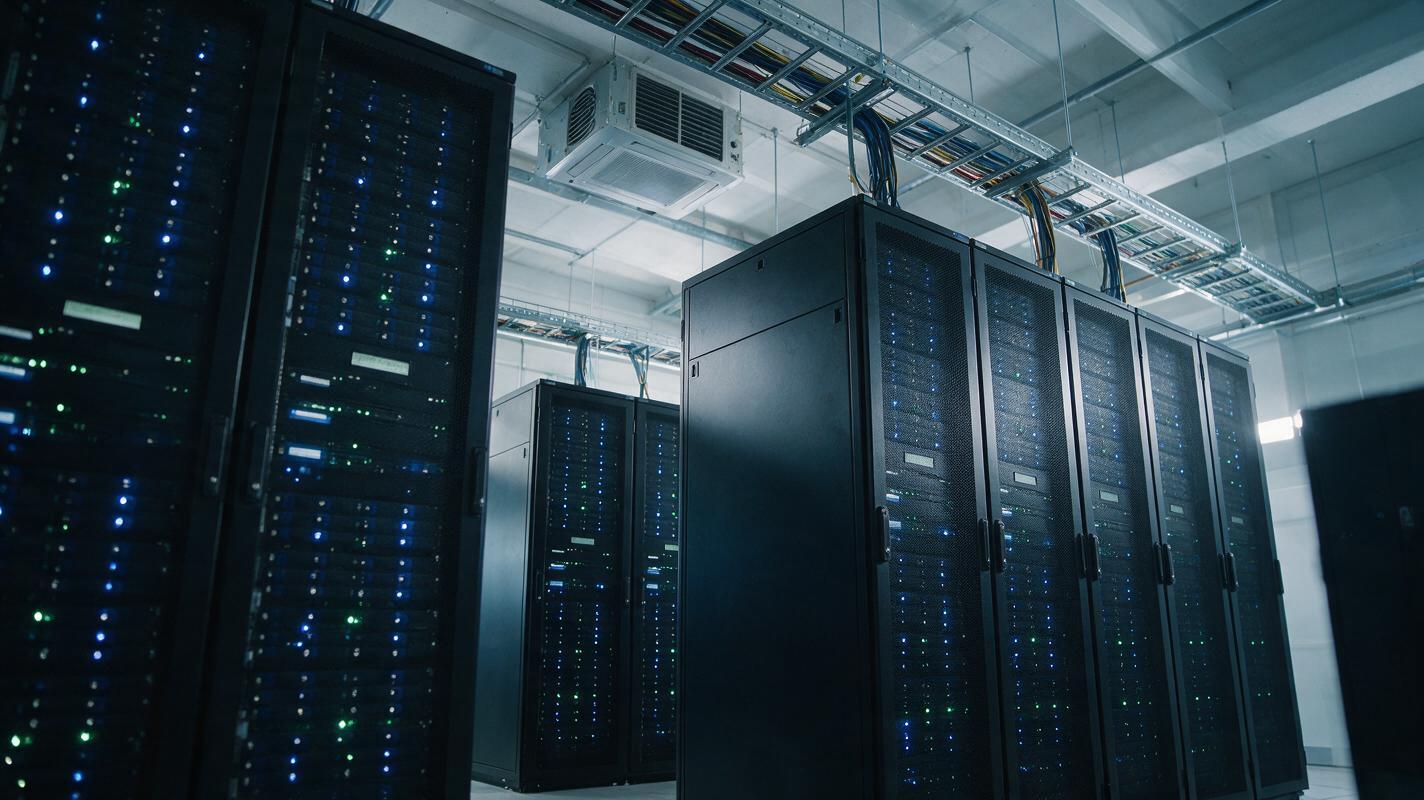
CoreWeave currently operates approximately 52 data centers with more than 1.7GW of active compute capacity, making it one of the largest dedicated AI infrastructure providers in the US. The company’s rapid expansion has been fueled by its Nvidia backing and strong demand from AI model developers, but the combination of high debt, unprofitability and concentrated revenue has left its stock volatile in recent weeks.
What This Means for AI Model Availability and Creator Workflows
CoreWeave’s infrastructure is a critical link in the AI supply chain, supporting the training and inference workloads of leading model providers including OpenAI and Anthropic. The company’s capacity expansion has enabled the rollout of new ai agent features, larger context windows, and higher throughput for consumer and enterprise AI tools that creators rely on daily.
For independent creators and small teams building AI-powered content pipelines, infrastructure stability directly impacts workflow reliability. A disruption at a major neocloud provider can lead to slower inference speeds, reduced quota limits, or temporary outages for tools built on top of that infrastructure — whether you’re running an ai video generator for short-form social content, drafting scripts with a language model, or using agentic tools to automate research and editing tasks.
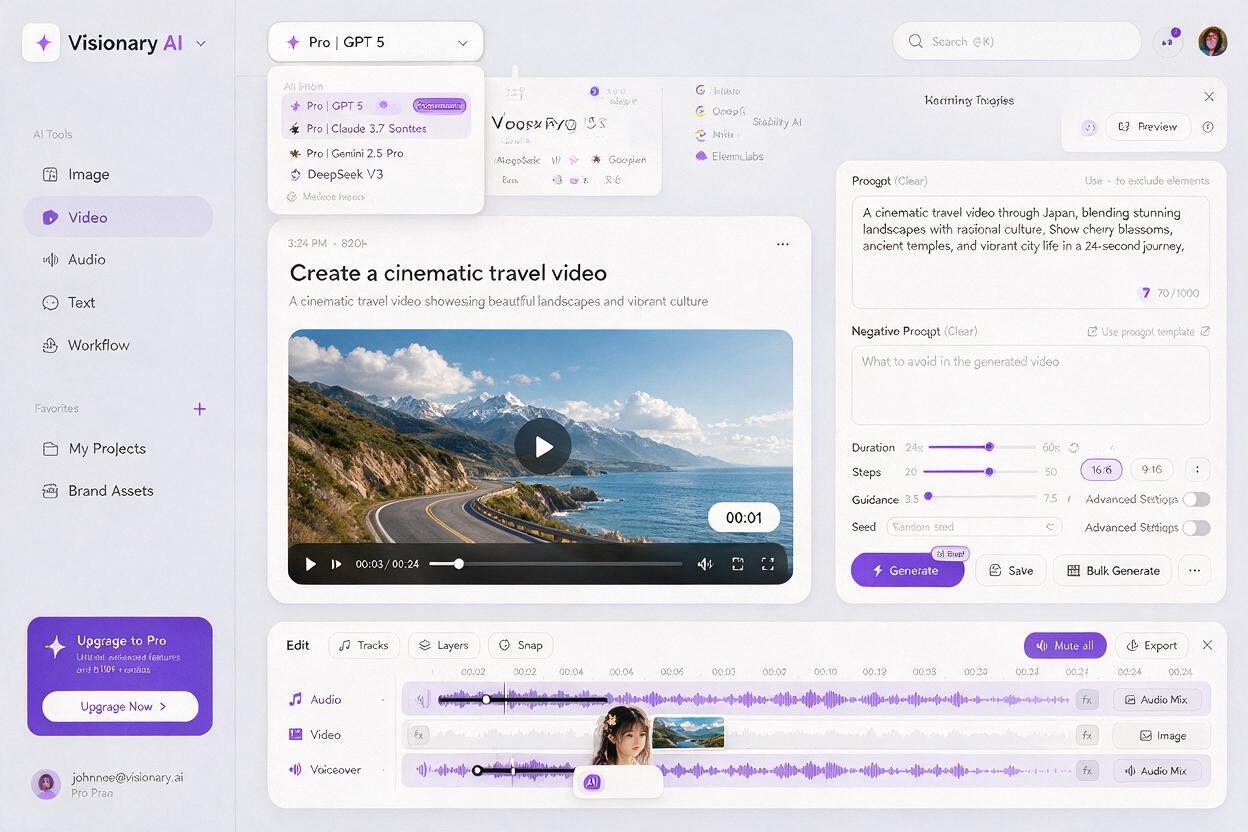
This is where multi-model AI platforms add tangible value. By giving creators access to a range of model providers and tools in a single account, these platforms reduce reliance on any single infrastructure or model vendor. If one provider experiences latency or availability issues, you can switch to another without rebuilding your entire workflow or managing multiple separate subscriptions. You can even pair an ai image generator for concept art with an ai video generator for final output, all within the same unified interface.
As the AI infrastructure market continues to mature and face growing financial and regulatory pressures, building flexibility into your AI workflow is a low-effort way to mitigate risk and keep content production on schedule.
You can try these models for free on MagicBoat, with a growing library of image, video, audio, and text AI tools designed for creators of all skill levels.
Key Takeaways
- CoreWeave reported Q3 2026 revenue of $3.661 billion, up 168% year-over-year and beating analyst consensus, with raised full-year revenue and adjusted operating income guidance.
- The Nvidia-backed neocloud carries more than $50 billion in debt, has never turned a profit, and faces significant customer concentration risk with a large share of revenue tied to top tech clients.
- CoreWeave’s infrastructure supports major AI model providers including OpenAI and Anthropic, making its financial and operational stability relevant to creators relying on those models for AI workflows.
- Multi-model AI platforms help creators mitigate infrastructure-related availability risks by providing access to multiple tools and providers in a single, unified account.
Keywords
coreweave q3 2026, ai cloud infrastructure, neocloud, ai workflow, ai agent, openai, anthropic