Craig Zobel to Direct Something Is Killing the Children
Craig Zobel is set to direct Something Is Killing the Children for Blumhouse and Atomic Monster, according to Deadline. The announcement offers a timely lens on horror development, visual planning, and responsible AI-assisted production for original film concepts.
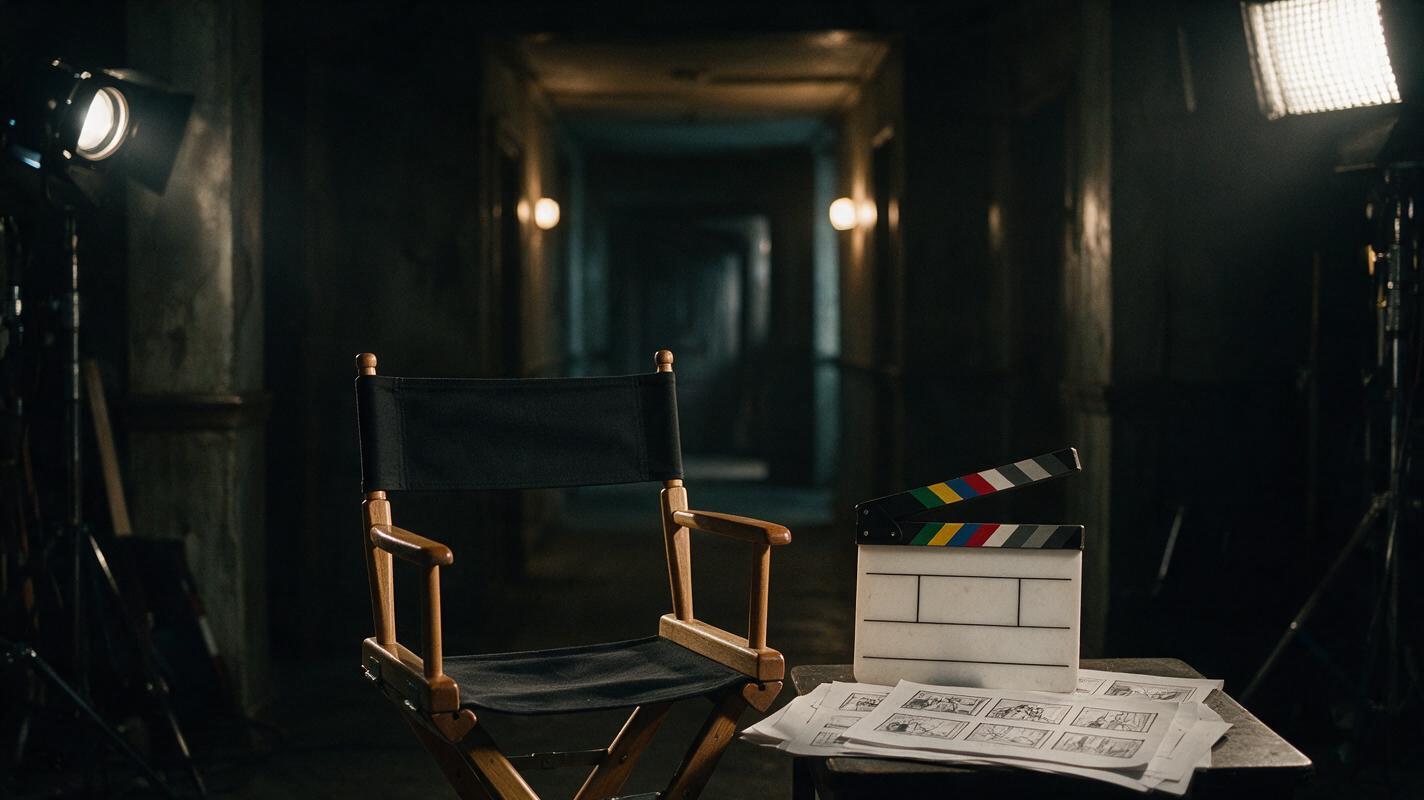
Table of contents
Craig Zobel Joins a Blumhouse and Atomic Monster Horror Project
Craig Zobel is set to direct Something Is Killing the Children, a project from Blumhouse and Atomic Monster, according to an October 10 report attributed to Deadline. The announcement brings together a named director and two major horror production banners around a title that immediately communicates danger, mystery, and a young-victim premise.
The reported item is focused on that directing appointment. It does not provide additional details about casting, a release date, distribution, or the production schedule, so the central news is Zobel’s attachment to the project and the involvement of Blumhouse and Atomic Monster.
For independent filmmakers and digital storytellers, the announcement is a reminder that a horror project begins attracting attention long before audiences see a finished trailer. A memorable title, a clear genre signal, and an identifiable production team can establish an early creative identity that later materials must reinforce.
Why the Directing Announcement Matters
A director announcement is more than an administrative update. It signals that a project has gained a central creative decision-maker who can shape its visual language, pacing, performances, and overall tone. In horror, those elements are especially important because suspense often depends on what remains unseen, how long an image is held, and when information is revealed.
Something Is Killing the Children is also an unusually direct title. Without disclosing any unreported plot details, the wording alone presents a threat, vulnerable characters, and an unresolved question. That gives the project a strong headline identity while leaving substantial room for the eventual production to define its world.
A powerful horror concept does not need to reveal everything at once. It needs to establish danger, emotional stakes, and a question audiences want answered.
The presence of Blumhouse and Atomic Monster further places the announcement firmly within the horror conversation. The available report does not specify what the finished film will look like, but the combination of title, director, and production banners is enough to create early awareness.
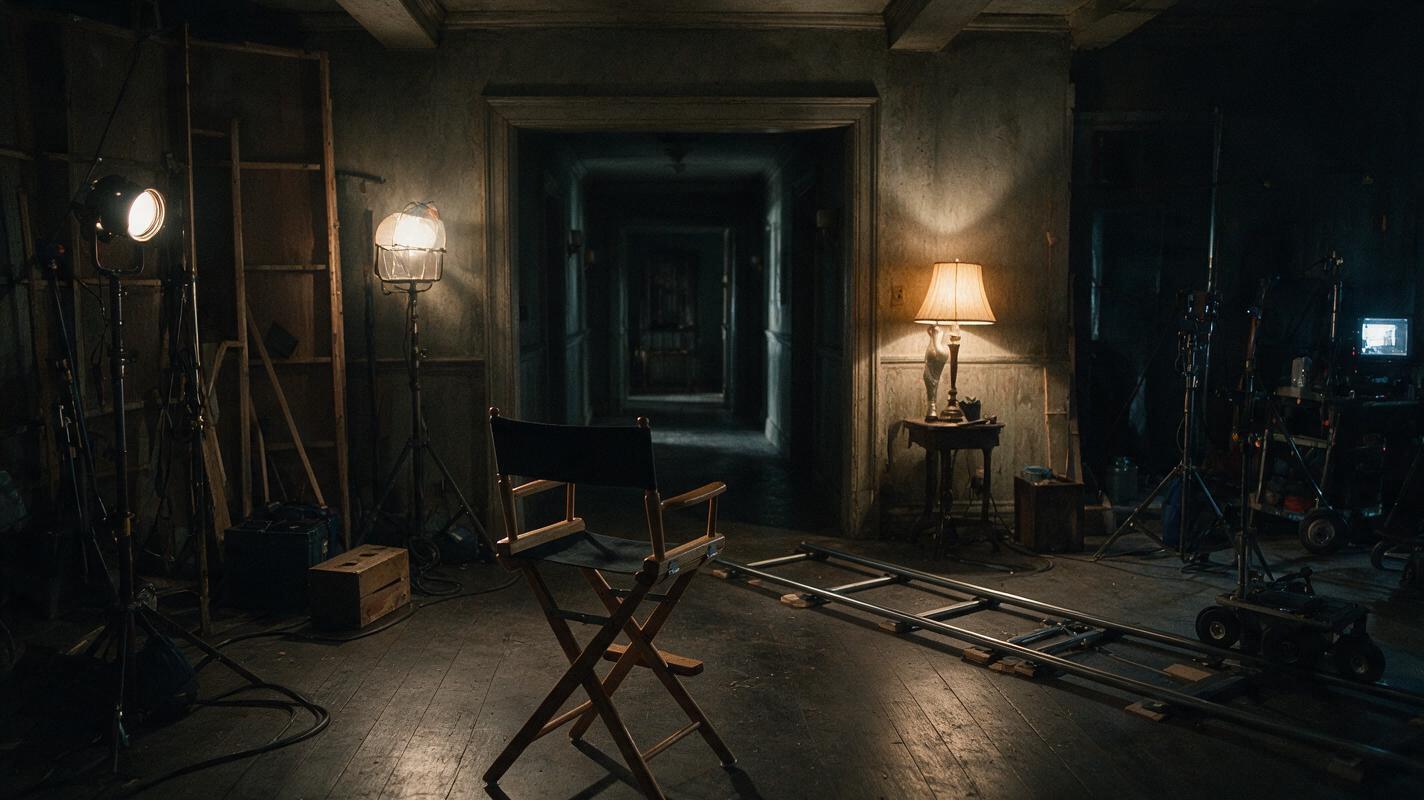
What Horror Filmmakers Can Learn From the News
The safest creative lesson is not to reproduce the announced project’s title, characters, or future imagery. It is to study the underlying communication pattern: a concise premise can define genre and stakes before a full story is publicly known.
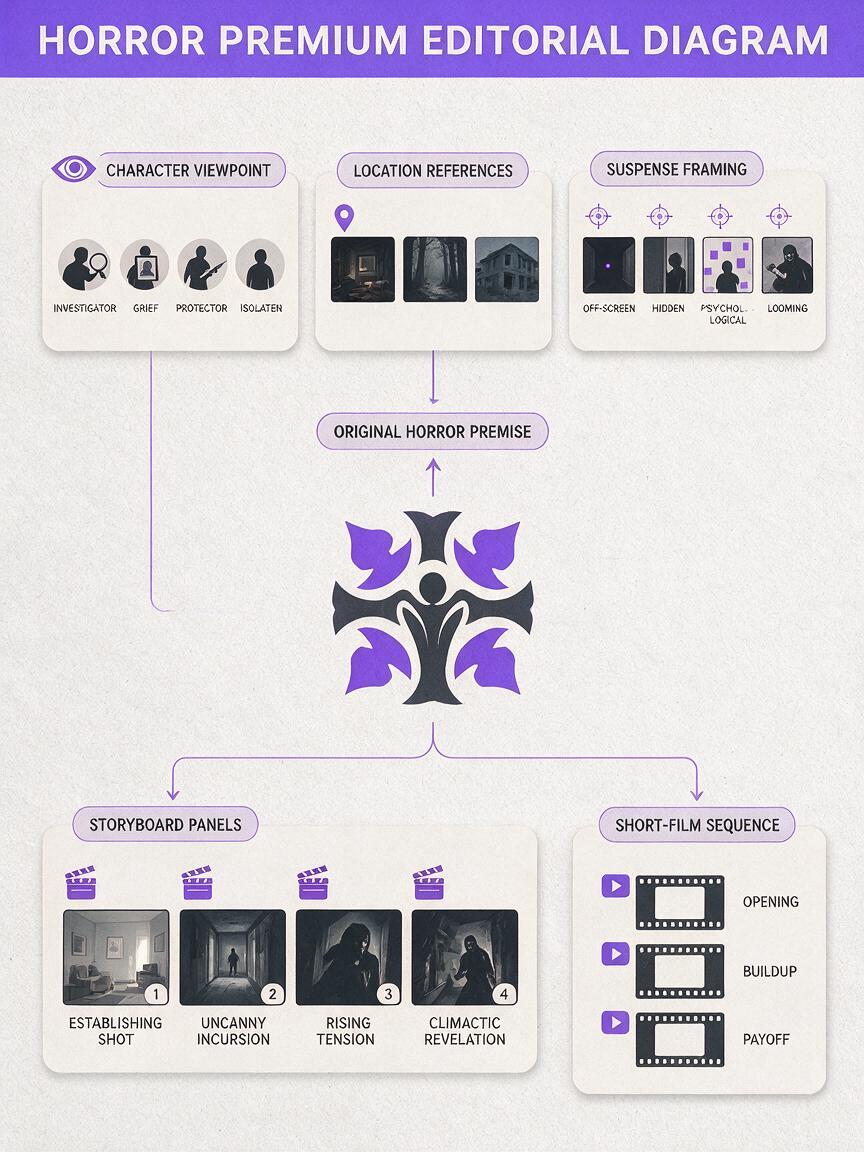
Original horror concepts often become easier to evaluate when they can be summarized through a few connected elements:
- A visible source of tension: The audience should understand what kind of danger or uncertainty drives the story, even when its cause remains hidden.
- An emotional point of view: Fear becomes more compelling when viewers know whose safety, relationship, or belief is at risk.
- A controlled reveal: The concept should leave unanswered questions that can be developed across scenes rather than explained immediately.
- A repeatable visual language: Locations, framing, color, and recurring objects can make separate shots feel like part of one production.
These principles apply to an independent AI film, a compact social video, or an episodic ai short drama. The scale may change, but suspense still relies on coherent story information and deliberate visual choices.
From Horror Premise to Visual Development
AI content creation can help filmmakers explore an original concept before committing to a full production. A concise premise can be expanded into character motivations, location ideas, scene objectives, and alternate visual treatments. The goal is not to imitate Something Is Killing the Children or speculate about Craig Zobel’s approach. The goal is to test an unrelated idea with a similarly clear genre identity.
An ai storyboard can be useful during this exploratory phase. Filmmakers can compare how the same original scene reads as a wide environmental composition, a restricted point-of-view shot, or a close view of a significant object. Those alternatives make it easier to identify which framing communicates tension without relying on excessive exposition.
A practical concept package might include:
- A one-sentence premise describing the protagonist, threat, and immediate stakes
- A short sequence built around discovery, escalation, and an unresolved final image
- Reference frames for locations, lighting, wardrobe, and recurring props
- Notes defining what the audience knows during each scene
- A visual continuity sheet covering color, camera distance, and atmosphere
This preparation matters when using text to video or other ai video tools. Generating isolated images without a visual plan can produce material that feels disconnected. A defined look and narrative purpose give every shot a role within the larger piece.
Building Original Horror With MagicBoat
MagicBoat gives filmmakers a central place to explore original narrative concepts through an ai film generator. A user can develop a premise, examine visual directions, and shape material for an ai film without basing the work on the announced project’s protected identity.
The most productive use of AI is selective. A filmmaker might compare several establishing-shot concepts, test whether a threatening location remains readable in different compositions, or visualize alternate endings for an original short. Human judgment still determines which images support the story, which ideas feel generic, and which choices deserve further development.
| Development focus | Creative question | Useful output |
|---|---|---|
| Premise | Is the central danger immediately understandable? | Concise story statement |
| Point of view | Whose fear organizes the scene? | Character-centered scene outline |
| Visual identity | Which recurring choices unify the project? | Reference frames and continuity notes |
| Suspense | What should remain outside the frame? | Alternative shot concepts |
| Format | Does the idea suit a short film or episodic structure? | Sequence or episode map |
This approach also helps separate inspiration from imitation. Genre conventions such as darkness, uncertainty, isolation, and concealed danger are broad creative tools. Specific characters, titles, signature imagery, and story worlds should not be copied. Original development starts by finding a new emotional conflict and a distinct visual setting.
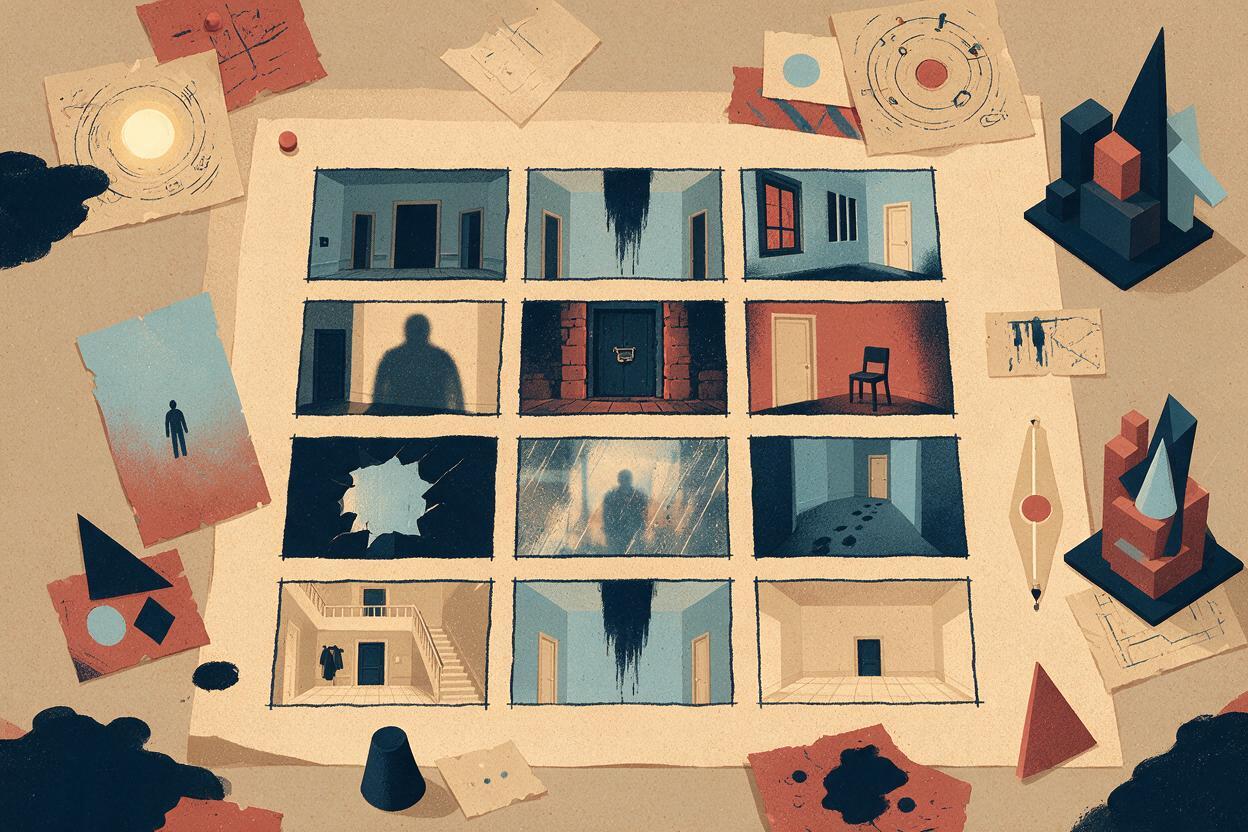
The Value of a Strong Early Identity
The Craig Zobel news demonstrates how a project can enter the public conversation through a small set of highly legible facts: its title, director, and production companies. There is no need to overstate what has been announced. The clarity of the information is part of its impact.
Independent filmmakers can apply that discipline when presenting their own work. A concise description should communicate genre, protagonist, conflict, and format without burying the central hook. Supporting visuals should then confirm the same identity instead of suggesting several unrelated stories.
That consistency matters across a pitch image, teaser, ai video, and final edit. Audiences may encounter any one of those assets first. Each should make the project recognizable while preserving enough mystery to encourage further viewing.
Develop an Original Horror Concept
Craig Zobel’s attachment to Something Is Killing the Children places a clear creative name at the center of the Blumhouse and Atomic Monster project. For emerging filmmakers, the broader takeaway is the value of combining a memorable premise with deliberate visual development and a coherent production identity.
To explore a distinct horror premise, compare visual directions, and shape an original short-form project, try these models for free on MagicBoat.
Final Checklist
- Define the original threat and emotional stakes in one concise premise.
- Choose a point of view that controls what the audience can see and know.
- Create a consistent visual language for locations, lighting, and recurring objects.
- Use AI outputs as development material rather than automatic final decisions.
- Avoid copying protected titles, characters, worlds, or recognizable imagery.
- Make every promotional asset reinforce the same genre identity.
Keywords
craig zobel, something is killing the children, blumhouse, atomic monster, horror film, ai film, ai content creation