DeepSeek Launches Open-Weight Model and Search API, Pressuring Closed Models
DeepSeek has released a new open-weight AI model alongside a dedicated search API, continuing its open-source strategy and applying pricing and ecosystem pressure to closed-model rivals. The October 2026 launch expands the range of flexible AI tools available to developers and content creators, who can customize the model for specific production workflows. For AI video and image creators, the growing open-source AI landscape highlights the value of multi-model platforms that avoid vendor lock-in and keep costs competitive.
Table of contents
DeepSeek’s latest open-source push expands the competitive landscape for AI tools, giving developers and creators a new alternative to closed frontier models.
DeepSeek has released a new open-weight AI model paired with a dedicated search API, marking another step in the company’s open-source strategy and ramping up pressure on closed-model providers on pricing and ecosystem flexibility. The October 2026 launch builds on DeepSeek’s existing lineup of openly accessible AI tools, positioning it as a viable option for users looking to avoid the costs and lock-in of proprietary AI platforms.
While specific details like model parameter size, benchmark scores, and exact pricing have not been disclosed, the dual launch of an open-weight model and search API signals DeepSeek’s intent to compete across both core model capabilities and practical integration tools for developers and content creators.
What the DeepSeek Launch Includes
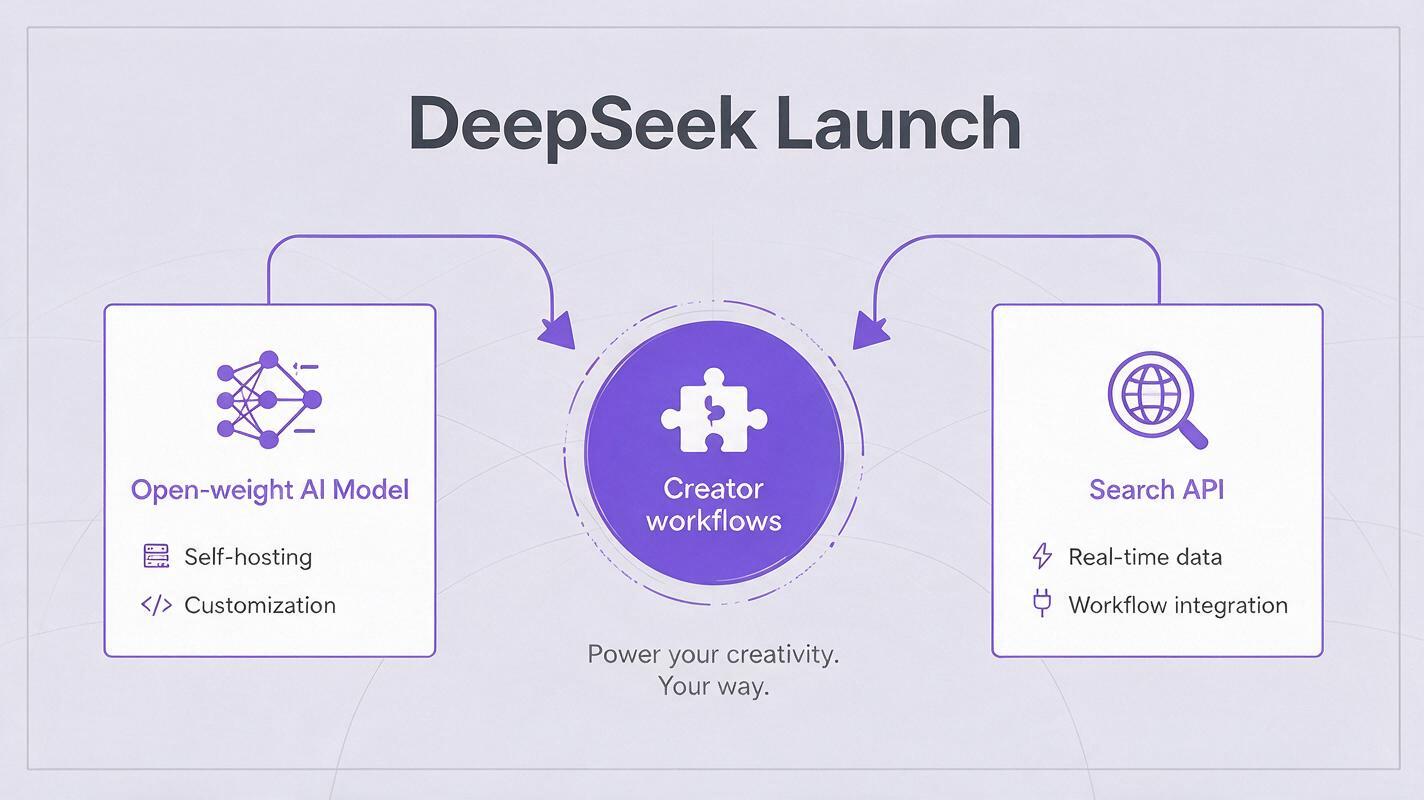
The release has two core components: a new open-weight AI model and a companion search API. As an open-weight model, users can download, modify, and self-host the model, rather than relying solely on a cloud API controlled by the provider. This open approach is a core part of DeepSeek’s strategy, differentiating it from closed-model leaders that restrict access to model weights and require users to operate within their proprietary ecosystems.
The accompanying search API adds real-time information retrieval capabilities, allowing developers to build tools that pull up-to-date data into AI-powered workflows. For creators, this combination of customizable model weights and search functionality opens up new possibilities for building tailored AI tools that fit specific production needs, rather than adapting workflows to fit the constraints of a closed platform.
How This Pressures Closed AI Models
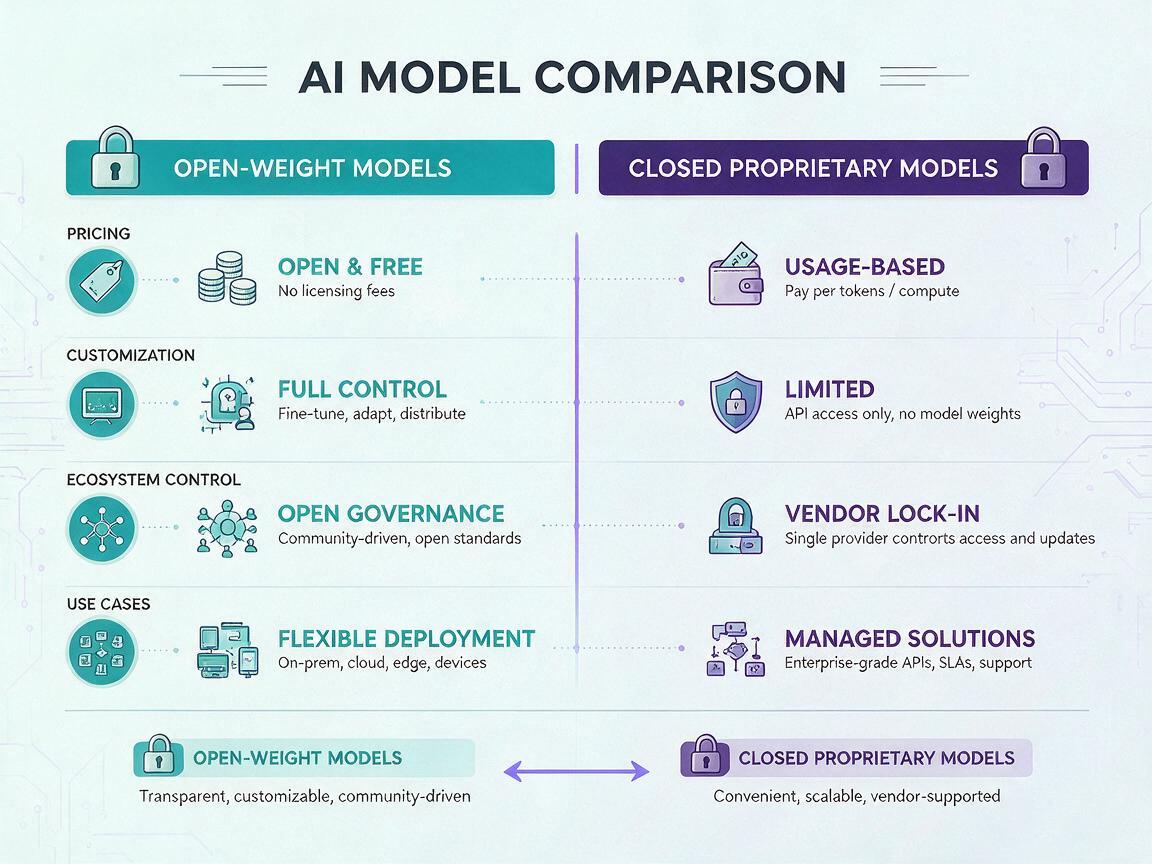
DeepSeek’s open-source route directly challenges closed-model providers like OpenAI with text to video integrations, Anthropic’s Claude Opus, and Google’s Gemini 4 on two key fronts: price and ecosystem flexibility. Open-weight models typically come with far lower long-term costs for high-volume users, since teams can self-host the model instead of paying per-token fees for every request. For creators running large batches of image or video generation tasks, this cost difference can be significant.
Beyond pricing, open models offer ecosystem flexibility that closed platforms cannot match. Developers can fine-tune the model for specific use cases — like generating consistent character art for a web series, or optimizing video script breakdowns for a particular editing workflow — without being restricted by a provider’s update schedule or feature roadmap. This pressure is already pushing closed-model providers to introduce more flexible pricing tiers and customization options, as users increasingly prioritize control over their AI tools.
Even for users who prefer the convenience of managed API access, the growing presence of strong open-weight alternatives forces closed providers to keep their pricing competitive and their feature sets innovative. This creates a more balanced market where creators have more options to choose from, rather than being locked into a single platform’s ecosystem.
What This Means for AI Video and Image Creators
For AI video and image creators, the expansion of open-weight AI tools brings both immediate and long-term benefits. On the cost side, open models can reduce expenses for high-volume production work, especially for teams that have the infrastructure to self-host models. Even for smaller creators who rely on managed APIs, the competitive pressure from open models often leads to lower prices and better features from closed providers, including ai image generator tools and video generation platforms.
The search API component also adds practical value for creators. Integrating real-time search into AI workflows can help with research for video scripts, sourcing reference images for art direction, or pulling in up-to-date data for informational content. Instead of switching between multiple tools to research and create, creators can build unified workflows that handle both information gathering and content generation in one place.
Perhaps most importantly, the growth of open-source AI highlights the value of flexible, multi-model creative platforms. Relying on a single closed model for all production work carries risks: price hikes, feature removals, or service disruptions can derail entire projects. A multi-model platform like MagicBoat gives creators access to a range of AI tools, from open-weight models to leading closed frontier models, all in one integrated workspace. You can try these models for free to explore which tools fit your workflow best, whether that’s generating concept art, editing video scripts, or producing full short films.
Key Takeaways
- DeepSeek has launched a new open-weight AI model and companion search API, continuing its open-source strategy and pressuring closed-model providers on price and ecosystem flexibility.
- Open-weight models offer creators lower long-term costs and greater customization options, while search API integration adds real-time information retrieval to AI workflows.
- The growing competitive pressure from open models is pushing closed providers like OpenAI, Anthropic, and Google to improve pricing and features for all users.
- For AI video and image creators, a multi-model platform provides the flexibility to adapt to a rapidly changing AI landscape, avoiding lock-in and ensuring access to the best tools for each task.
Keywords
deepseek open-weight model, search api, open-source ai, gpt-6, claude opus, gemini 4, ai video model, free ai tools