Deno Team Joins Cloudflare, Deno Deploy Migrates to Workers in 6 Months
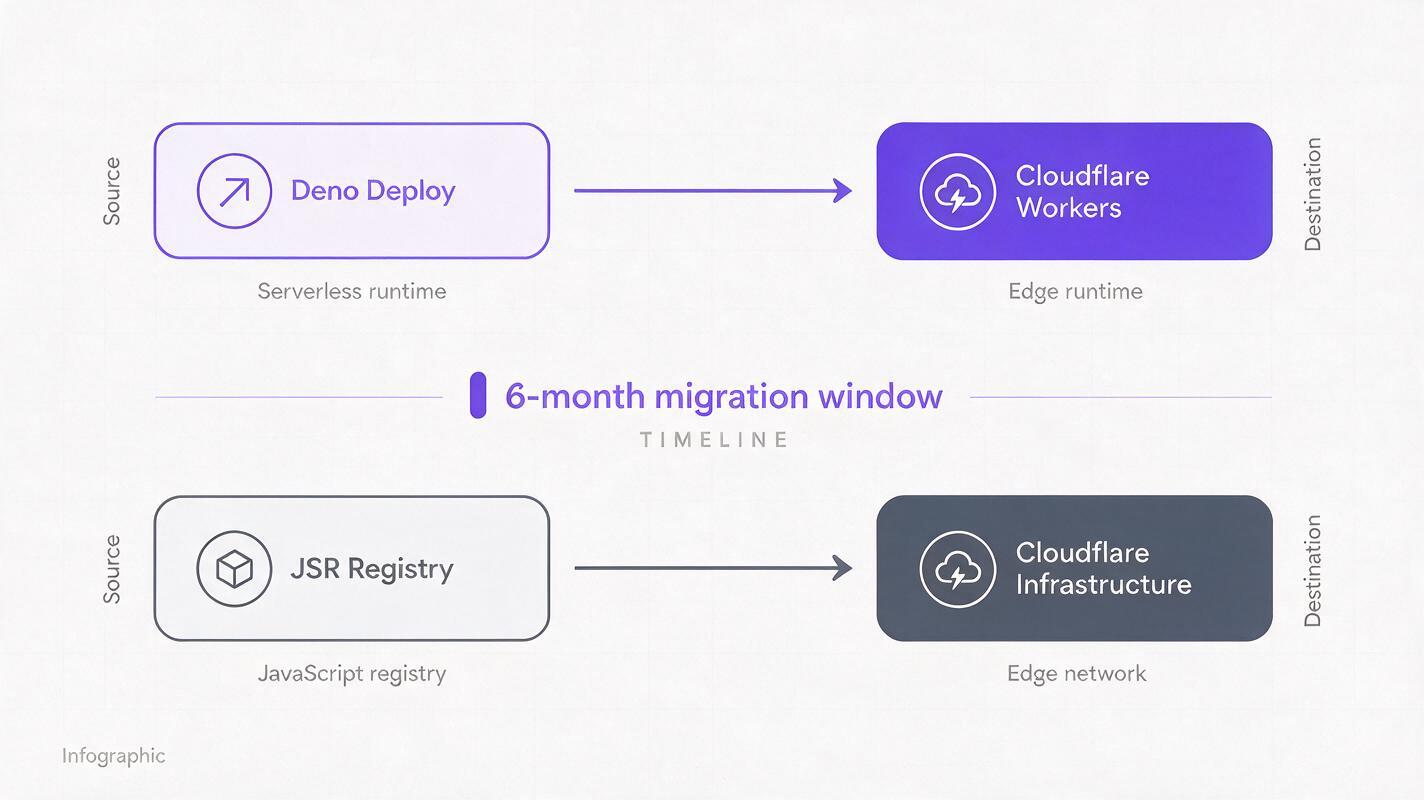
On October 9, the Deno team announced it is joining Cloudflare, with Deno Deploy set to shut down in six months and migrate to Cloudflare Workers, and the JSR package registry also moving to Cloudflare infrastructure. The shift impacts developers building AI-powered content tools, creating potential stability risks for creators who rely on those tools for image, video, and text production. Unified multi-model platforms like MagicBoat help creators mitigate these risks by abstracting away underlying infrastructure changes.

Table of contents
The Deno Team Joins Cloudflare: Deploy and JSR Migration Details
On October 9, the Deno team announced it is joining Cloudflare, marking a significant shift for the Deno developer ecosystem. Under the agreement, Deno Deploy, the serverless edge deployment platform for Deno applications, will shut down in six months, with all existing workloads migrating to Cloudflare Workers. The JSR (JavaScript Registry) package registry, a central resource for Deno and TypeScript developers, will also move to Cloudflare’s infrastructure as part of the transition.
The announcement comes as part of a broader strategic move to integrate Deno’s runtime and tooling with Cloudflare’s global edge network. No specific migration tools or timeline milestones beyond the six-month window have been disclosed in the initial announcement.
Why This Shift Impacts AI Tooling Infrastructure
Deno has emerged as a popular runtime for building modern serverless and web applications, particularly among TypeScript developers prioritizing speed, security, and native tooling. Many AI-powered tools — from agent frameworks to content generation utilities — are built on Deno and deployed via Deno Deploy, leveraging its fast edge runtime and zero-config deployment model.
The JSR registry hosts thousands of open-source TypeScript packages, including a growing number of AI, machine learning, and media processing libraries that developers use to build custom content creation tools. For teams building internal AI workflows or third-party creator tools, JSR provides a standardized, type-safe way to integrate AI capabilities into applications.

What This Means for Creators and Content Teams
For creators who rely on third-party AI tools built on Deno Deploy, the six-month migration window brings potential operational uncertainty. Tool developers may need to redirect engineering resources to migration work, leading to slowed feature updates, temporary performance dips, or even short service outages as workloads shift to Cloudflare Workers.
Even minor disruptions can have outsized impacts on content production schedules, especially for teams that depend on these tools for daily tasks like generating marketing visuals, producing short-form video, or automating content drafts. Many popular tools for ai image generator and ai video generator workflows run on edge serverless infrastructure to deliver fast, low-cost results, so backend shifts can ripple out to end users quickly.
Stabilizing Your AI Workflow Amid Infrastructure Changes
The Deno and Cloudflare news is a reminder that AI tool reliability depends on more than just model quality — it also relies on the stability of the underlying infrastructure and vendor roadmap. For content teams, building core workflows around a single third-party tool can create unnecessary risk if that tool’s backend changes, shuts down, or adjusts pricing unexpectedly.
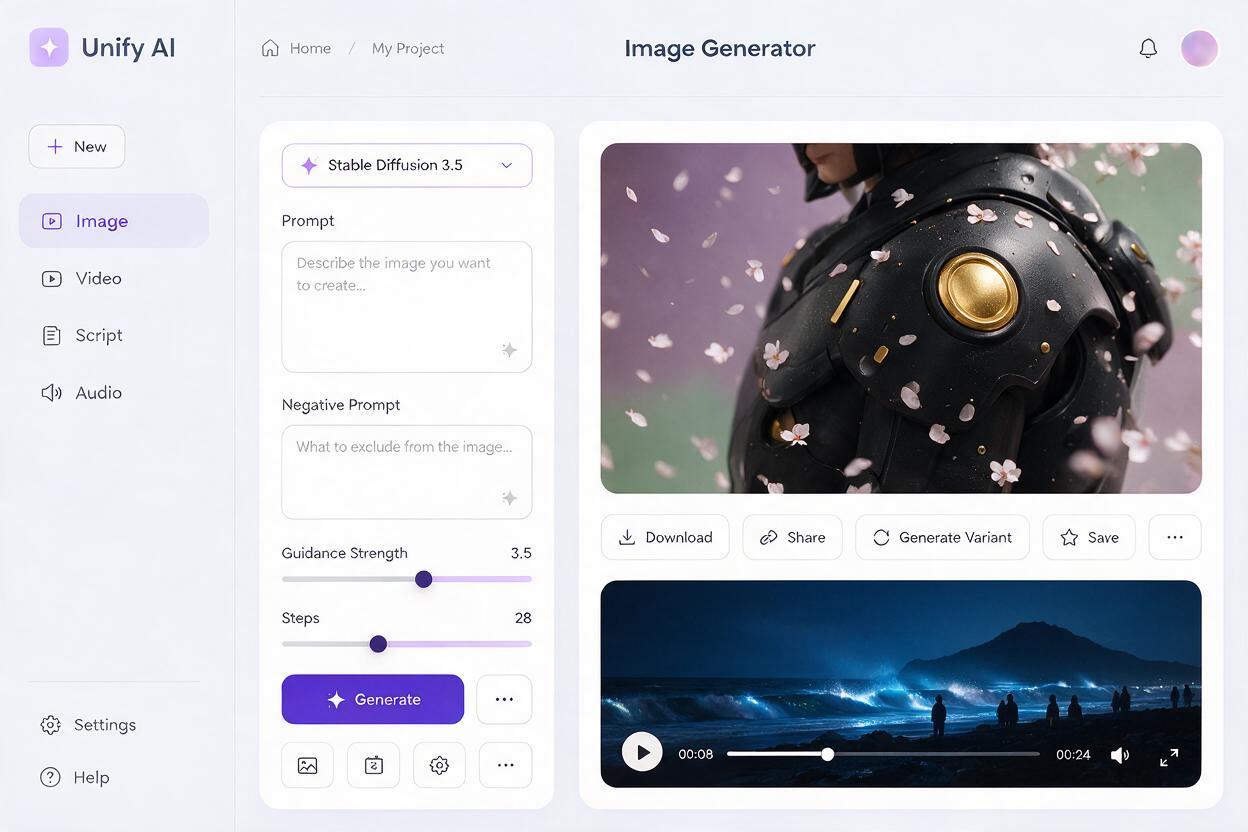
A more resilient approach is to use a unified multi-model platform that centralizes access to leading AI content tools and handles all infrastructure management behind the scenes. MagicBoat provides consistent, reliable access to a range of content creation capabilities, with no need for teams to track vendor migrations, update integrations, or troubleshoot backend changes when underlying infrastructure shifts. Whether your team needs to generate social media visuals, produce short-form narrative content, or draft video scripts, the platform’s unified interface eliminates the friction of managing multiple tool accounts and vendor transitions.
If you want to test a stable, all-in-one AI content platform for your team, you can try these models for free to see how they fit your production workflow.
Key Takeaways
- The Deno team is joining Cloudflare, with Deno Deploy set to shut down in six months and migrate to Cloudflare Workers.
- The JSR package registry will also move to Cloudflare infrastructure, impacting developers building AI and content creation tools.
- Creators may face temporary disruptions to third-party AI tools built on Deno Deploy during the migration window.
- Unified multi-model platforms reduce workflow risk by abstracting away underlying infrastructure and vendor changes.
Keywords
deno, cloudflare, deno deploy, jsr registry, ai infrastructure, ai tools, ai industry