Disney and Adobe Partner on Private Firefly Foundry AI Models
Disney and Adobe announced a multi-year partnership to develop private generative models trained on Disney-owned intellectual property through Adobe Firefly Foundry. Imagineering has already deployed image-generation and sketch-to-image systems, highlighting how artist-led AI could compress concept-development timelines while keeping proprietary assets private.
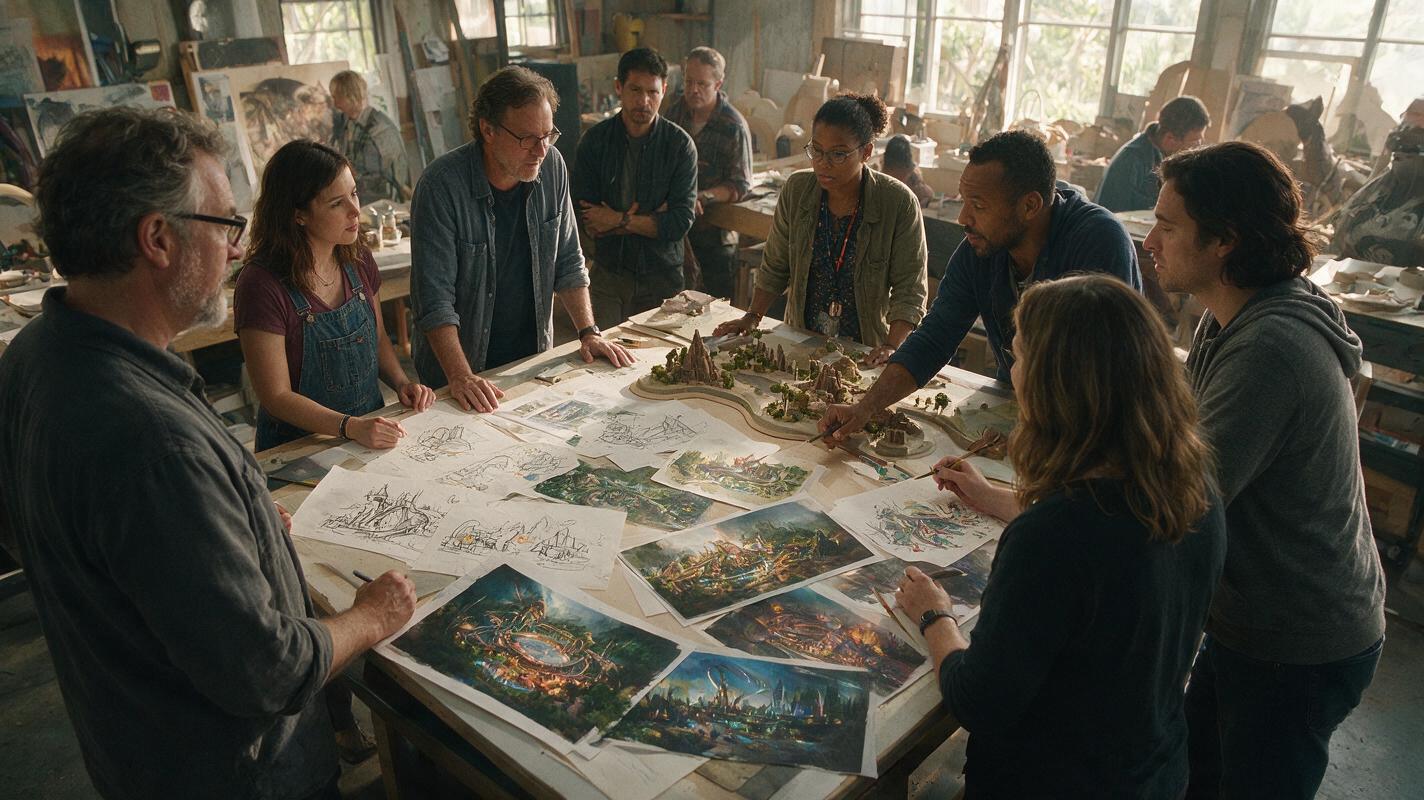
Table of contents
Disney and Adobe Put Private Generative AI Inside the Creative Pipeline
Disney and Adobe announced a multi-year partnership at Adobe MAX on November 9 to jointly develop custom generative models trained on Disney-owned intellectual property. The models will be built through Adobe Firefly Foundry, remain private to Disney and support what the companies describe as an artist-led approach to generative AI.
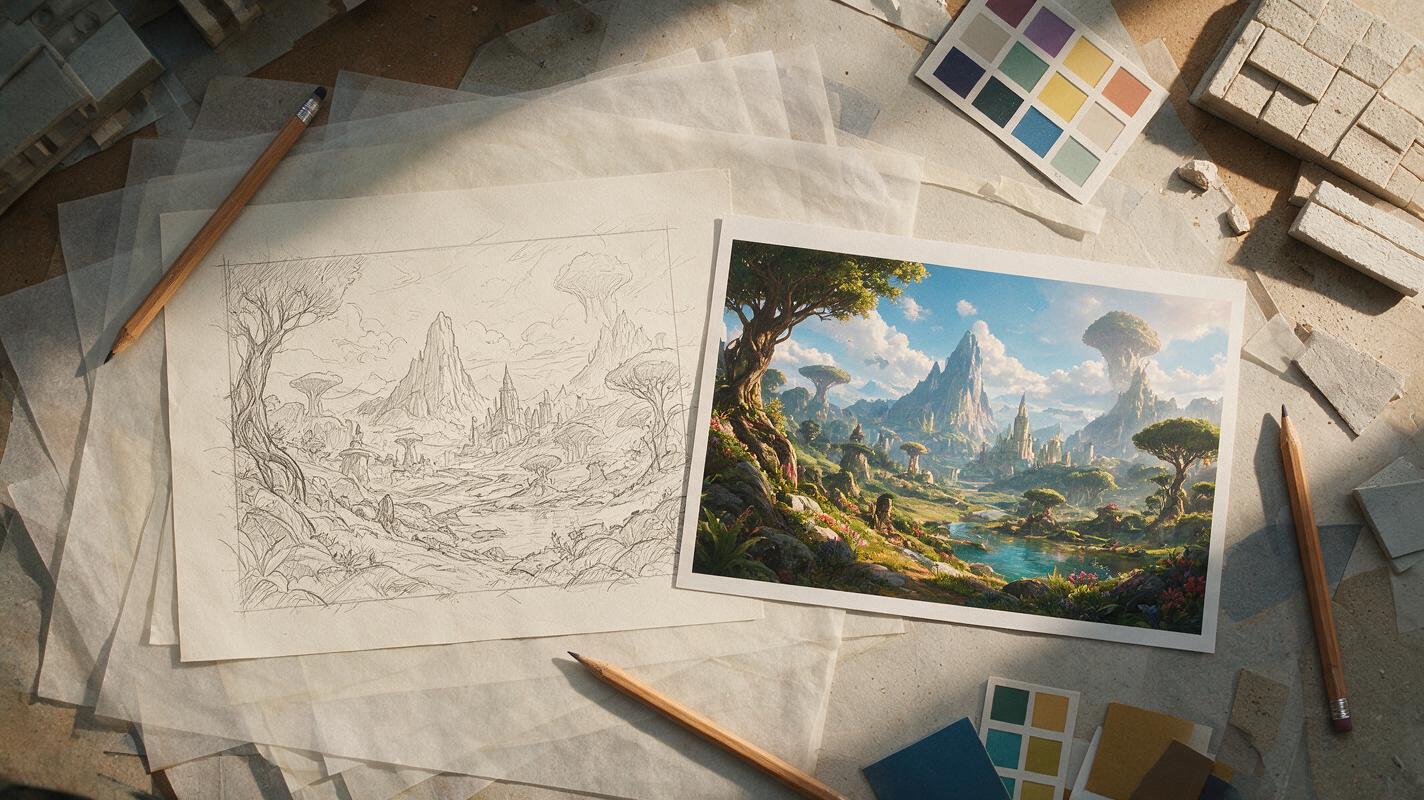
Under the agreement, Disney becomes Adobe’s official AI innovation partner and receives early access to Firefly, Premiere and Photoshop. The announcement reaches beyond a future research plan: Disney Imagineering Research and Development has already deployed a custom image-generation model as well as a sketch-to-image model that transforms hand-drawn sketches into fully rendered concept art.
The early rollout spans Disney Experiences—including parks, resorts and cruises—along with StudioLAB and ESPN. Disney Imagineering Senior Vice President Kyle Laughlin told Reuters that creative processes that previously took months can now take hours or days. He also said the tools would not replace Imagineering jobs.
No pricing, broader deployment schedule or third-party performance benchmarks were disclosed. The labor question also remains sensitive because Bloomberg has reported that Disney is preparing thousands of layoffs and that some managers face annual cost-reduction targets of 20%.
For people working in AI content creation, the most consequential part of the announcement is not simply that two major companies are collaborating. It is the decision to combine private intellectual property, artist direction and faster visual development within a controlled production environment.
What Firefly Foundry Changes for Disney’s Visual Development
The partnership places proprietary training material at the center of Disney’s generative-AI strategy. Rather than relying only on a general-purpose system, Disney and Adobe plan to build custom models around intellectual property owned by Disney. Keeping those models private gives the company a way to explore its visual library without making the resulting systems broadly available.
That distinction matters for entertainment production. A company managing parks, resorts, cruises, studio projects and sports media must maintain recognizable visual standards across very different formats. A private model can become part of an internal development environment where artists explore concepts while the underlying intellectual property remains within the organization.
The partnership’s defining idea is controlled acceleration: artists retain direction while private models reduce the time required to visualize and evaluate concepts.
The announcement describes the initiative as artist-led, an important qualification when discussing automation in design. The disclosed Imagineering use case begins with a human artifact—a hand-drawn sketch—and turns it into rendered concept art. The system therefore sits between the initial idea and a more developed visualization rather than replacing the original act of visual direction.
Sketch-to-Image Shows Where the Immediate Value Lies
Disney’s sketch-to-image deployment offers the clearest example of how the collaboration is already being used. A rough drawing can communicate composition, shape, scale and creative intent, but developing it into presentation-ready concept art traditionally demands additional rendering work. The custom model compresses that transition.
The reported reduction from months to hours or days does not establish that every Disney creative process will move at the same speed. It does, however, show why concept development is an attractive area for generative tools. Early production frequently involves numerous variations, revisions and stakeholder reviews before a physical environment or screen project advances.
Faster visualization can give teams more material to assess during that exploratory period. A designer can compare moods, layouts or visual treatments without treating every rendered concept as a final production asset. Human evaluation remains essential because speed alone does not determine whether an image fits a story, location or established body of intellectual property.
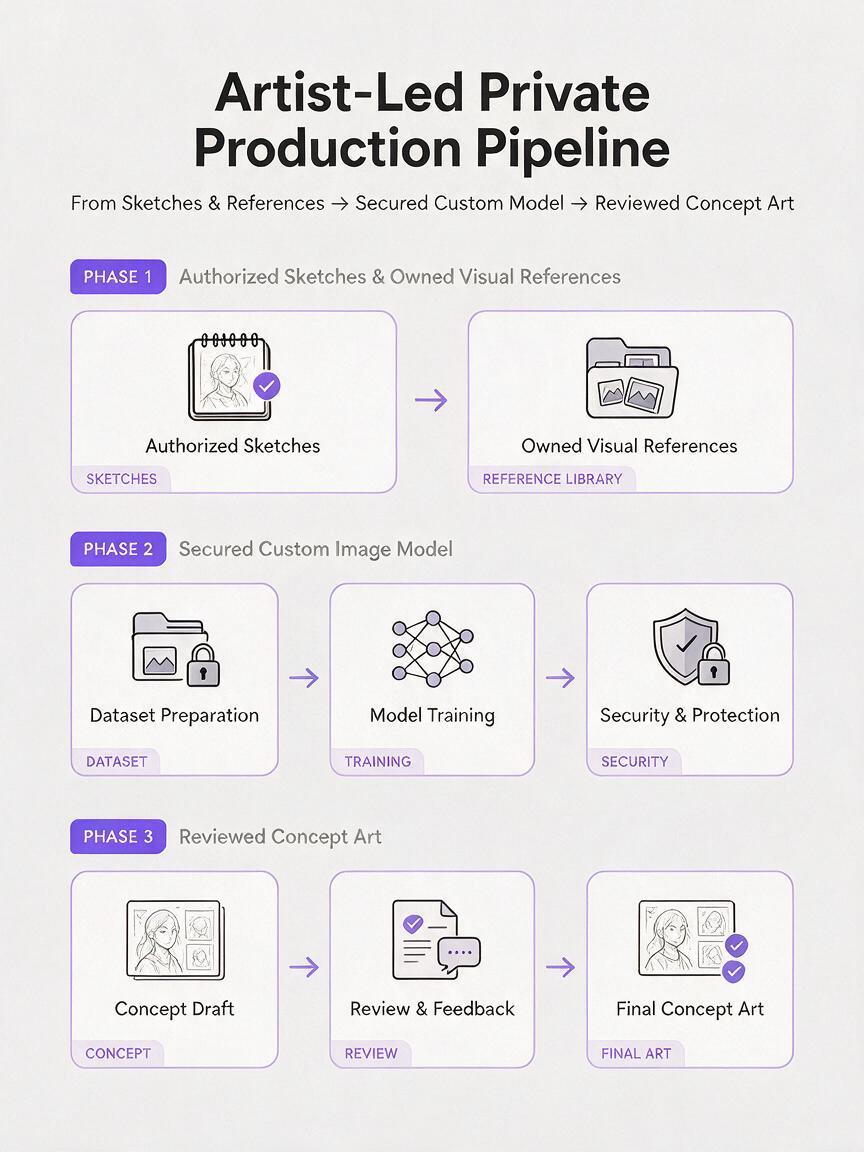
Independent teams can apply the same broad principle without copying Disney characters, environments or visual signatures. An ai image generator can help visualize original locations, wardrobe ideas and color directions before production resources are committed. The useful lesson is to preserve the artist’s initial intent and use generated variations as material for review.
Artist-Led AI Is Also a Rights and Governance Strategy
Disney and Adobe’s language frames the models as tools directed by artists, but the private-model structure is equally significant. Entertainment companies hold scripts, designs, characters and development materials that may have substantial commercial value. Training and operating custom systems privately can give an organization tighter control over how those materials enter an AI workflow.
This approach also separates the Disney project from unrestricted public experimentation. The announced models are not described as products for outside users, and no public access plan was provided. There is likewise no evidence in the announcement that the systems include ai video, text to video or complete ai film production. The disclosed deployments concern custom image generation and sketch-to-image concept rendering.
That boundary is important because generative-AI announcements are often interpreted more broadly than their stated capabilities justify. Here, the confirmed story is specific: Disney-owned intellectual property, private custom models, early Adobe product access and image-oriented production applications across selected Disney operations.
The Productivity Claim Meets a Complicated Labor Context
The statement that these tools will not replace Imagineering jobs addresses one of the largest concerns surrounding generative AI in entertainment. Yet it arrives alongside separate reporting that Disney is preparing thousands of layoffs, with 20% annual cost-cut targets cited for some managers.
Those two facts should not automatically be treated as proof that the Firefly Foundry initiative is driving the reported workforce changes. The announcement does not establish such a connection. They nevertheless create a difficult context for interpreting claims about productivity, particularly when work that once took months is said to take hours or days.
The long-term credibility of an artist-led strategy will depend on how creative authority is preserved in practice. That includes who approves generated material, how original work is attributed and whether saved production time expands creative exploration or merely raises output expectations. The partnership announcement provides no metrics for answering those questions yet.
What Smaller Production Teams Can Learn
Most studios and independent filmmakers do not possess Disney’s intellectual-property library or access to private enterprise models. The transferable insight is the workflow design: begin with owned or authorized material, keep human direction visible and use AI to accelerate defined parts of development rather than treating automation as the creative objective.
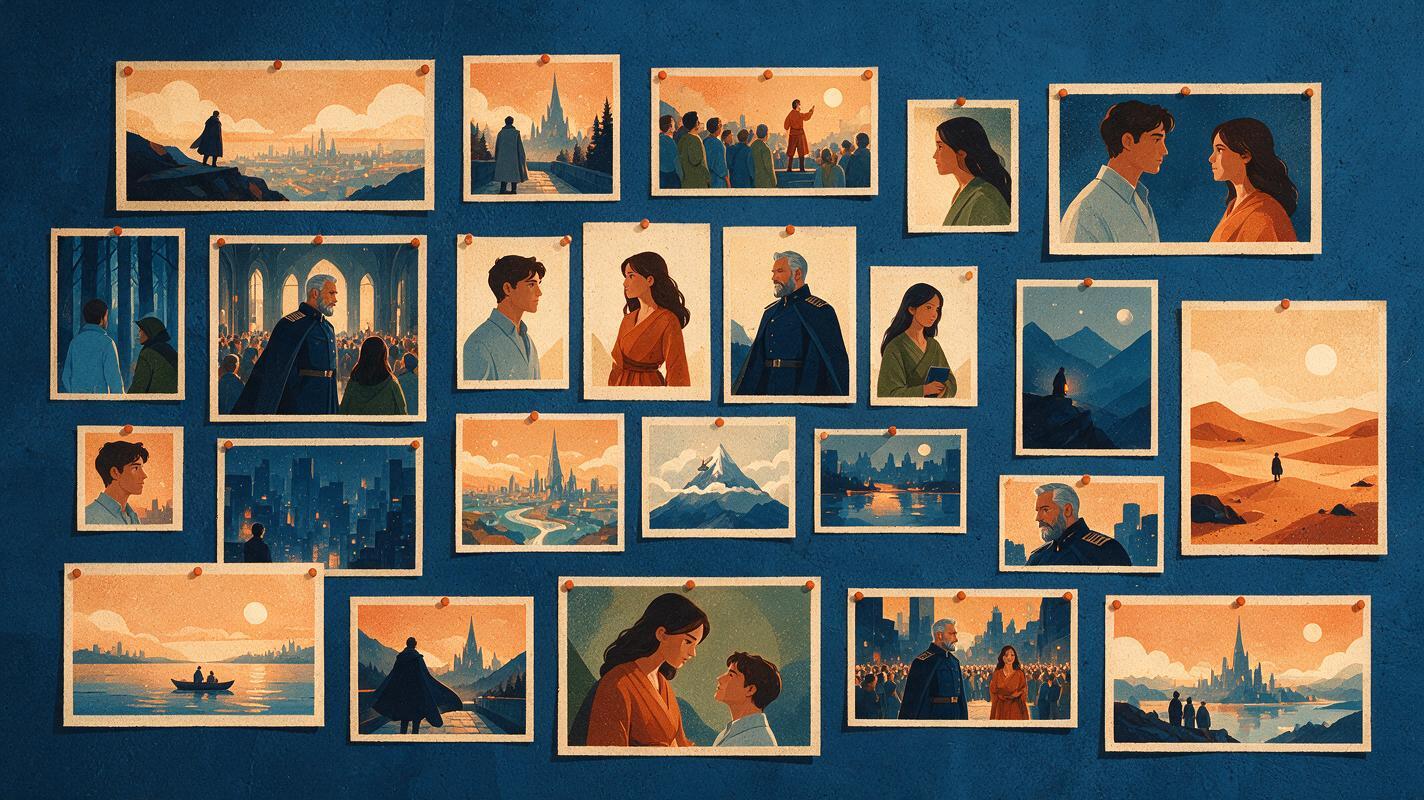
An original short-form production, for example, can move from a written premise to character references, location studies and visual continuity boards before any finished sequence is produced. An ai storyboard can organize those materials into a clearer narrative plan, while the director or artist continues to decide framing, tone and continuity.
That is especially useful for an ai short drama or independent ai film, where limited resources make early visual decisions consequential. A consistent concept package can help a team identify weak scenes, mismatched environments and unclear character motivations before investing more time in production.
MagicBoat brings multiple creation capabilities into one account, making it easier to explore original images, storyboards and video concepts without building a separate workflow around every format. The goal is not to imitate Disney-owned material, but to apply the same underlying discipline to authorized assets and original stories.
Important Details That Remain Unanswered
- Pricing: Neither company announced what the custom model program costs.
- Deployment schedule: The partnership is multi-year, but no wider rollout timetable was provided.
- Independent validation: No third-party benchmarks were released for the deployed models.
- Scope: The confirmed systems focus on image generation and sketch-to-image rendering.
- Workforce impact: Disney says the tools will not replace Imagineering jobs, while separate cost-cutting and layoff reports keep labor concerns in view.
These gaps do not diminish the importance of the agreement, but they limit firm conclusions about performance, economics and long-term adoption. The clearest evidence currently comes from the applications already deployed by Imagineering Research and Development.
Final Checklist
- Build visual experiments from original, owned or properly authorized material.
- Keep sketches, scripts and directorial choices at the center of the process.
- Treat generated concepts as review material rather than automatic final assets.
- Separate confirmed capabilities from assumptions about broader AI production.
- Evaluate speed alongside consistency, rights control and human creative authority.
- Use one connected environment to reduce friction between ideation and production.
Disney and Adobe’s partnership suggests that the next phase of entertainment AI may be defined less by public novelty and more by private, carefully governed creative systems. To explore a connected workflow for original content, try these models for free on MagicBoat.
Keywords
Disney Adobe AI partnership, Adobe Firefly Foundry, Disney generative AI, AI content creation, AI image generator, AI storyboard, artist-led AI