Disney, Netflix Strike 3-Month Limited Content Licensing Deal
Disney and Netflix have announced a limited three-month content licensing deal, a rare cross-platform collaboration between two of the streaming industry’s largest competitors. The short-term arrangement reflects a broader shift in streaming toward maximizing catalog value and flexible content distribution. For AI content creators, the deal highlights the long-term revenue potential of building a catalog of original, fully owned content that can be licensed across multiple platforms.
Table of contents
The Disney-Netflix 3-Month Content Licensing Deal: Key Details
On October 12, Disney and Netflix finalized a limited three-month content licensing deal, marking a rare cross-platform arrangement between two of the streaming market’s largest direct competitors. The agreement, reported by industry outlet PureBreak, stands out amid a landscape where major streaming services have historically prioritized exclusive original content and locked-down IP to drive subscriber growth.
The deal’s three-month timeframe positions it as a short-term test rather than a permanent content sharing partnership. No additional details about included titles, financial terms, or the direction of the license have been publicly disclosed at the time of announcement, leaving industry observers to speculate about which types of content will be included and how the arrangement will impact subscriber behavior on both platforms.
Why Short-Term Licensing Deals Are Reshaping Streaming
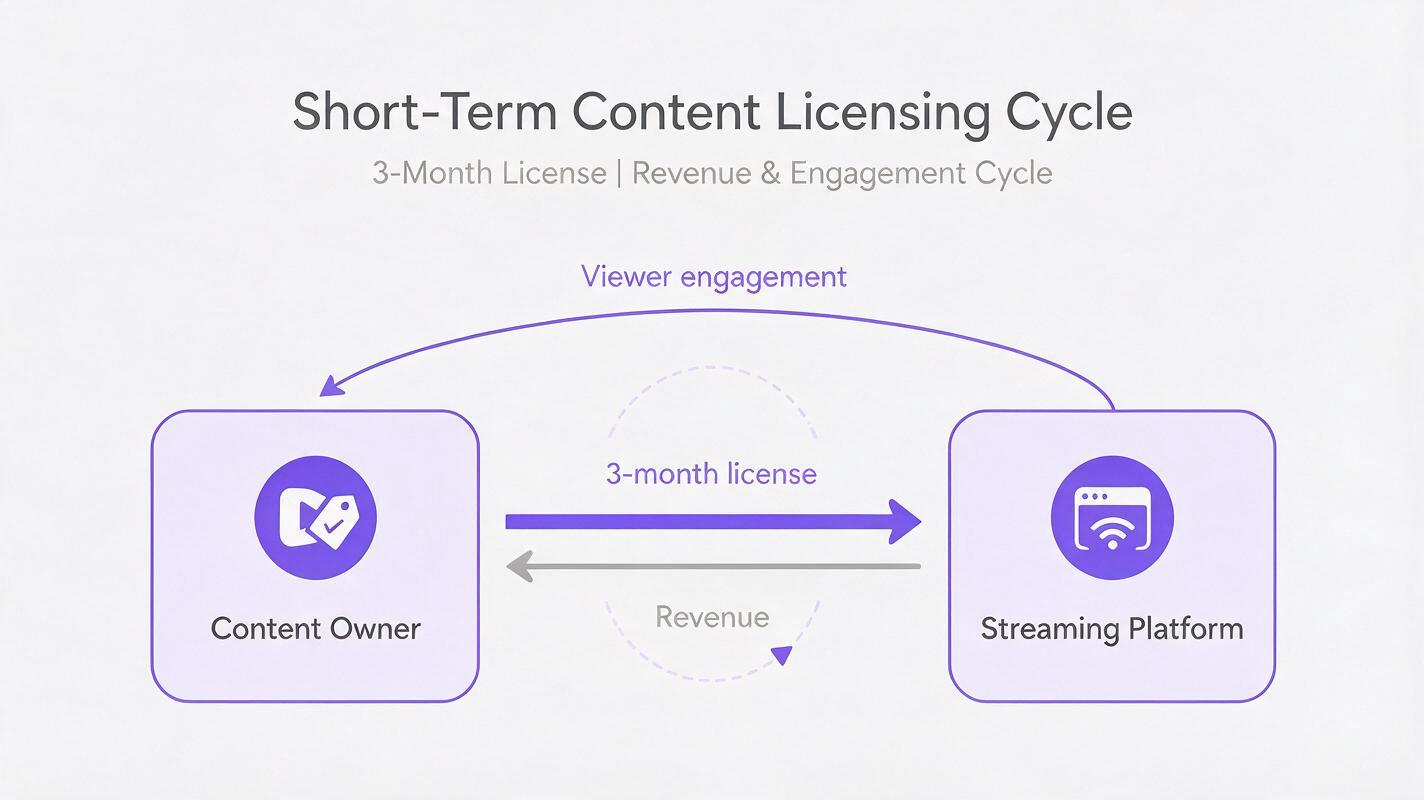
Short-term content licensing arrangements of this type have become increasingly common across the streaming industry as platforms balance two competing priorities: keeping their own libraries deep enough to retain existing subscribers, and monetizing existing content that is not currently driving new sign-ups. The era of endless, high-budget original content spending has given way to a more cost-conscious approach, where platforms are looking to get the most value out of every title in their catalog.
A three-month window allows both parties to test audience response without committing to long-term, high-cost content rights agreements. For content owners, short licensing windows generate incremental revenue from titles that may be sitting dormant in their catalogs between exclusive release windows or franchise installment cycles. For platforms looking to bolster their content lineup, limited deals bring in fresh programming without the long-term financial commitment of exclusive multi-year licenses.
The deal also reflects a broader shift in streaming economics, as platforms move away from the “growth at all costs” model that defined the 2010s and toward a more balanced approach that combines original productions with curated licensed content to maximize value for both subscribers and shareholders. This shift has opened new doors for independent creators and smaller production teams, as platforms are increasingly open to licensing third-party content to fill niche gaps in their libraries.
What This Means for AI Content Creators
The Disney-Netflix short-term licensing deal holds several key lessons for independent AI content creators and small production teams working with tools like text to video to produce original narrative content. First, it underscores the enduring value of catalog content — even older, previously released titles can drive engagement and revenue when placed in front of new audiences. For creators, this means that the AI content you produce today can have a long shelf life, with opportunities to license or redistribute it across multiple platforms and windows over time, rather than being a one-time release.
Second, the short-term structure of the deal highlights the power of flexible distribution strategies. Instead of locking content to one platform permanently, creators can experiment with limited windows on different channels to reach new audiences, test niche markets, and build a fanbase before moving to larger distribution deals. This is especially relevant for creators working on ai short drama series and micro-content, which can be easily adapted and distributed across multiple platforms with minimal additional cost.
Third, the deal reflects a broader shift in streaming toward audience-first content curation. Platforms are willing to bring in content from outside sources if it matches what their viewers want, rather than relying solely on in-house original productions. For AI creators, this means there is growing opportunity to license your original content to streaming platforms and other distributors, as long as it aligns with audience demand in specific niches — whether that’s horror shorts, character-driven comedies, or true-crime reenactments.
Building a Licensable AI Content Catalog
Building a catalog of high-quality, licensable AI content starts with choosing formats and niches that have lasting audience appeal. Focus on timeless themes and character-driven stories that don’t rely on fleeting viral trends, as these will continue to resonate with viewers years after their initial release. For narrative content, develop a consistent tone and visual style that makes your work easily recognizable, which can help build a loyal audience across multiple platforms.
When producing content with AI tools, prioritize original concepts and characters that you fully own, so you have full control over distribution and licensing rights. Avoid using copyrighted IP or recognizable characters without permission, as this will limit your ability to license your work later on. Take the time to refine your creative process so you can produce consistent, high-quality content efficiently, which is key to building a sizable catalog over time.
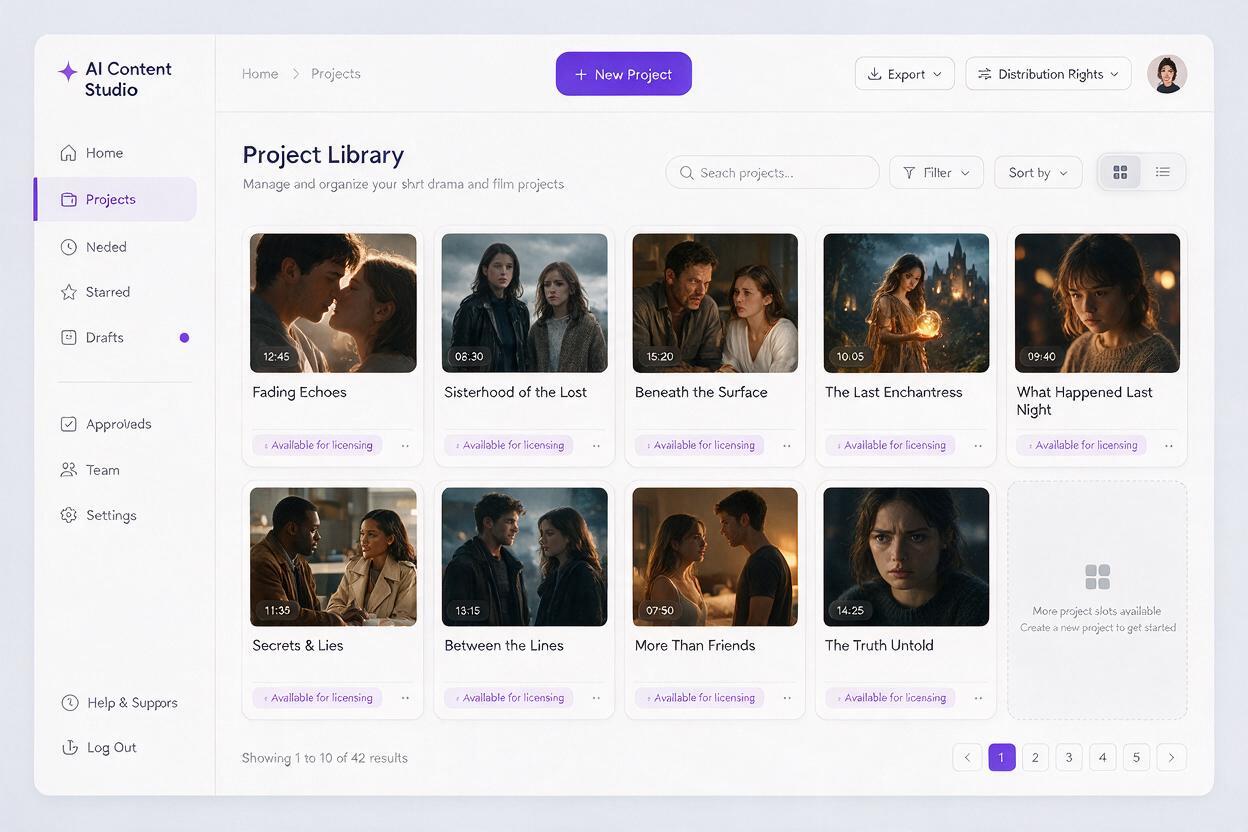
One of the biggest advantages of AI content creation is the ability to repurpose existing content quickly and cost-effectively. A single short drama concept can be adapted into multiple formats — from 60-second vertical clips for social media to full 10-minute episodes for streaming platforms — extending its shelf life and opening up more licensing opportunities. You can also create multiple seasons or spin-offs of a successful concept, building a larger catalog of related content that can be licensed as a bundle, much like the film trilogies and series that make up streaming platform catalogs.
Key Takeaways
- Short-term content licensing deals are growing in popularity as streaming platforms look to maximize catalog value and keep subscribers engaged without long-term financial commitments.
- AI content creators can benefit from the same catalog-first mindset, as original content produced today can be licensed and redistributed across multiple platforms over time for ongoing revenue.
- Flexible distribution strategies, including limited release windows across different channels, can help you reach new audiences and build a fanbase before pursuing larger licensing deals.
- Focus on original, timeless concepts and fully owned IP to maximize the licensing potential of your AI content catalog.
If you’re ready to start building your own catalog of original AI content, you can try these models for free on MagicBoat. Whether you’re developing a short drama series, a set of thematic short films, or repurposing existing content for new platforms, MagicBoat’s suite of AI creation tools gives you everything you need to produce high-quality, fully owned content from concept to final cut.
Keywords
disney netflix licensing deal, netflix, streaming content, ai content creation, ai film, ai short drama, content licensing, streaming strategy