Dragon Ball Super: Beerus Remaster Lands on Netflix
The remastered edition of Dragon Ball Super: Beerus has arrived on Netflix as part of an October 17 streaming roundup that also includes Masterplan and Lenin Pandiyan on Prime Video and the Everest epic Tenzing on Apple TV+. The varied slate shows how recognizable animation, regional releases and prestige-scale drama can each make a distinct audience promise.
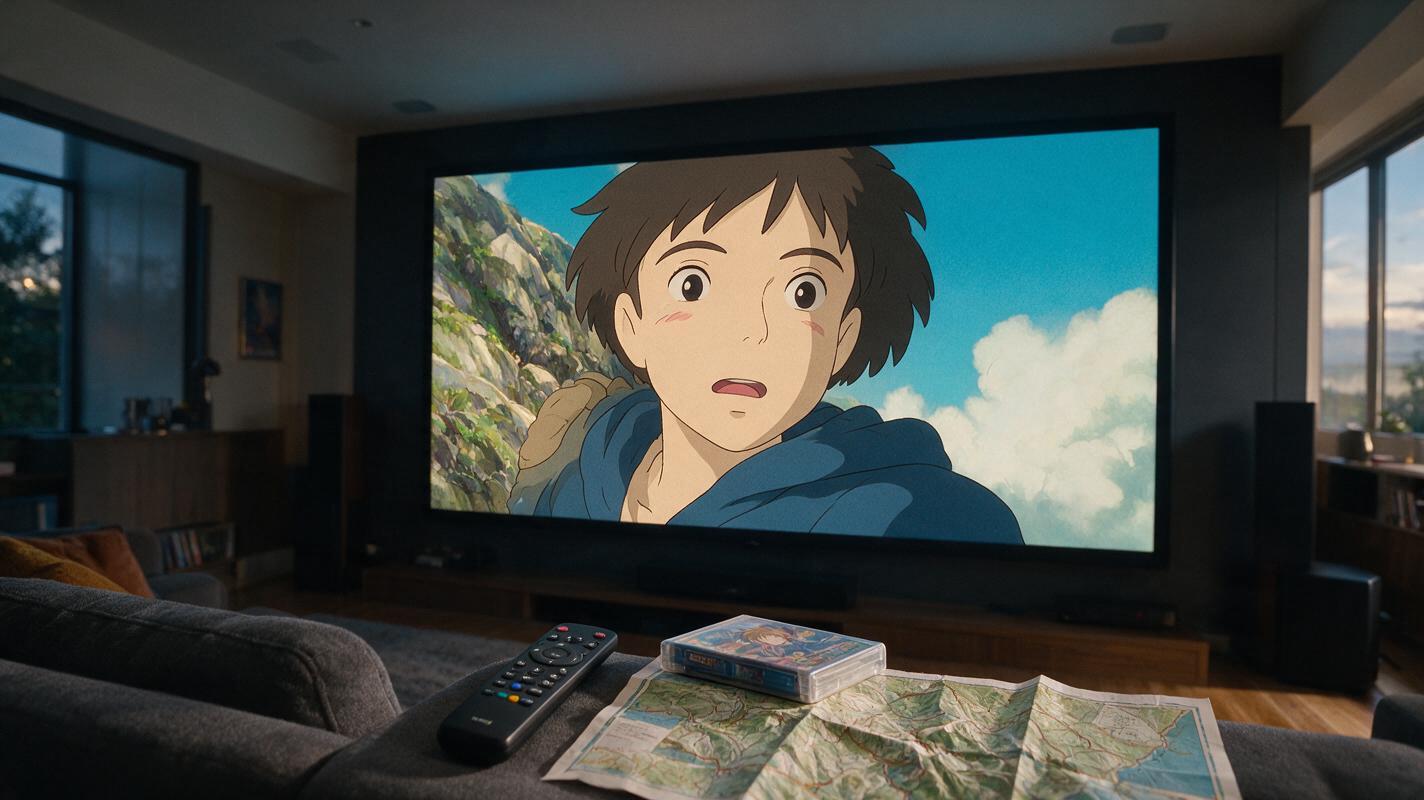
Table of contents
A Four-Title Streaming Roundup Spans Anime, Regional Stories and an Everest Epic
Dragon Ball Super: Beerus has landed on Netflix in a remastered edition, giving the platform a recognizable anime title at the center of its October 17 release activity. The same streaming roundup also brings Masterplan and Lenin Pandiyan to Prime Video, while Apple TV+ adds Tenzing, an Everest epic featuring Hiddleston as Hillary.
The lineup is notable because it does not revolve around a single genre or audience. Netflix is leading with remastered anime, Prime Video is carrying two separately titled releases, and Apple TV+ is presenting a large-scale story associated with Everest. Together, the four titles illustrate how streaming services can compete on the same day with sharply different viewing propositions.
For people working in AI content creation, that contrast is more useful than any attempt to imitate one established property. It shows the value of defining a clear format, visual identity and audience promise before producing trailers, concept frames or an original AI film.
Why the Dragon Ball Super: Beerus Remaster Is the Headline
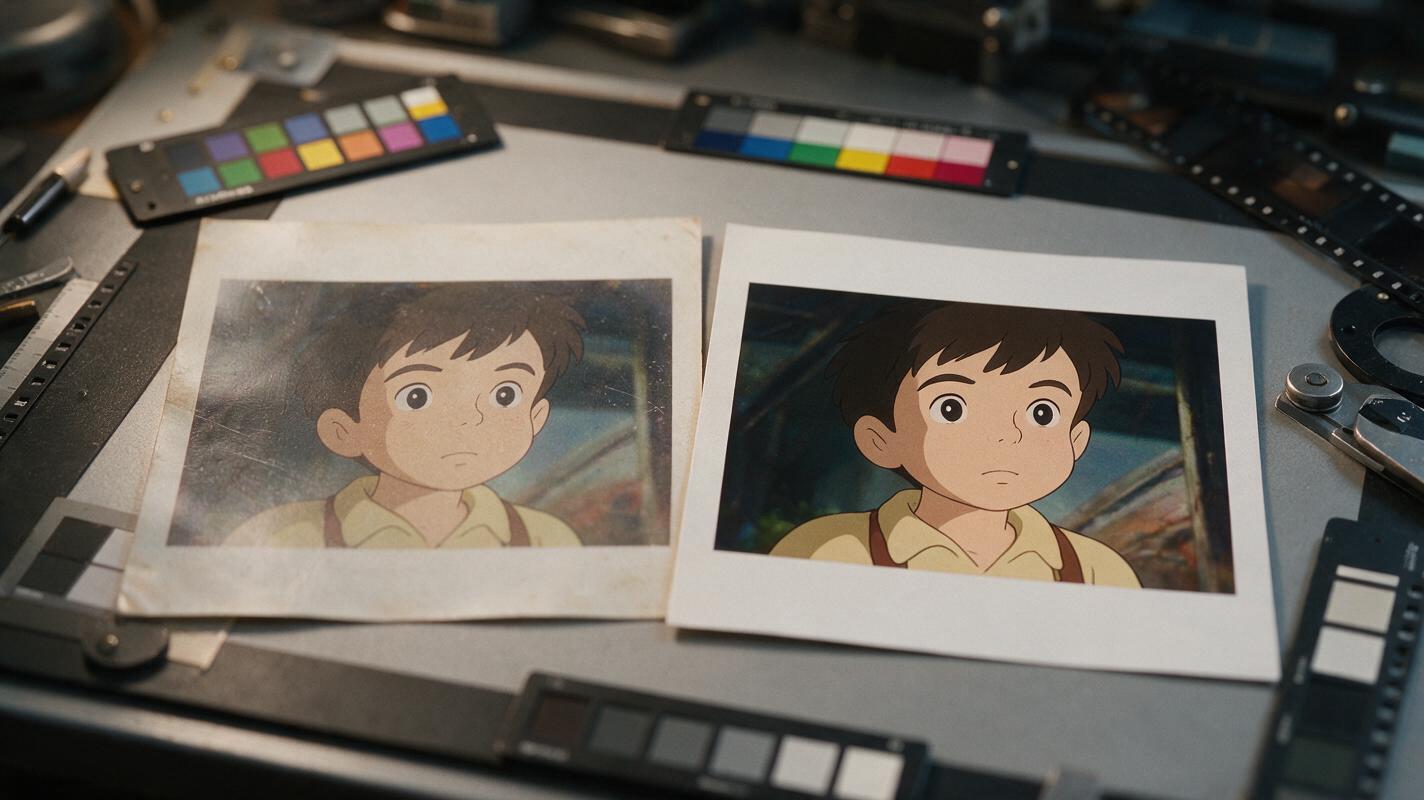
Among the four releases, Dragon Ball Super: Beerus carries the clearest combination of an established name and a specific presentation angle. The important qualifier is “remastered edition.” This is not merely another catalog listing in the roundup; the release is being identified through the treatment of existing material.
That distinction matters in crowded streaming catalogs. A familiar title answers the question of recognition, while the remastered label gives returning viewers a reason to notice this particular edition. The packaging communicates continuity and renewal at the same time without requiring an entirely new premise.
A strong release message often combines something audiences can identify immediately with one precise reason to look again.
Independent filmmakers can apply that principle without borrowing protected characters, imagery or story worlds. An original project might revisit an earlier short with refined visuals, create a newly edited edition of existing footage or package a completed story around a more focused emotional theme. The lesson is not to reproduce Dragon Ball; it is to make the reason for a release instantly understandable.
Prime Video and Apple TV+ Broaden the Release Landscape
Prime Video’s side of the roundup includes Masterplan and Lenin Pandiyan. The available release information does not place both titles inside one shared genre or narrative, so they should be treated as distinct works rather than forced into a comparison unsupported by the announcement. What they demonstrate collectively is the breadth of titles that can arrive alongside a globally recognizable anime release.
Apple TV+ contributes another kind of proposition with Tenzing. The project is described as an Everest epic, with Hiddleston appearing as Hillary. Those two details establish scale and a historical-adventure frame: the mountain setting promises physical magnitude, while the casting detail gives the release an identifiable human focal point.
| Platform | Release | Confirmed positioning | Communication lesson |
|---|---|---|---|
| Netflix | Dragon Ball Super: Beerus | Remastered anime edition | Pair recognition with a clear edition-level distinction |
| Prime Video | Masterplan | Streaming release | Let a concise title anchor individual campaign materials |
| Prime Video | Lenin Pandiyan | Streaming release | Preserve each work’s identity within a broader slate |
| Apple TV+ | Tenzing | Everest epic featuring Hiddleston as Hillary | Communicate scale through setting and character focus |
The table also reveals why one promotional template cannot serve every production equally well. A remaster campaign can foreground renewal, while an epic can foreground environment and human stakes. A multi-title release slate succeeds when every work retains a legible identity.
What the Lineup Suggests About Visual Campaign Design
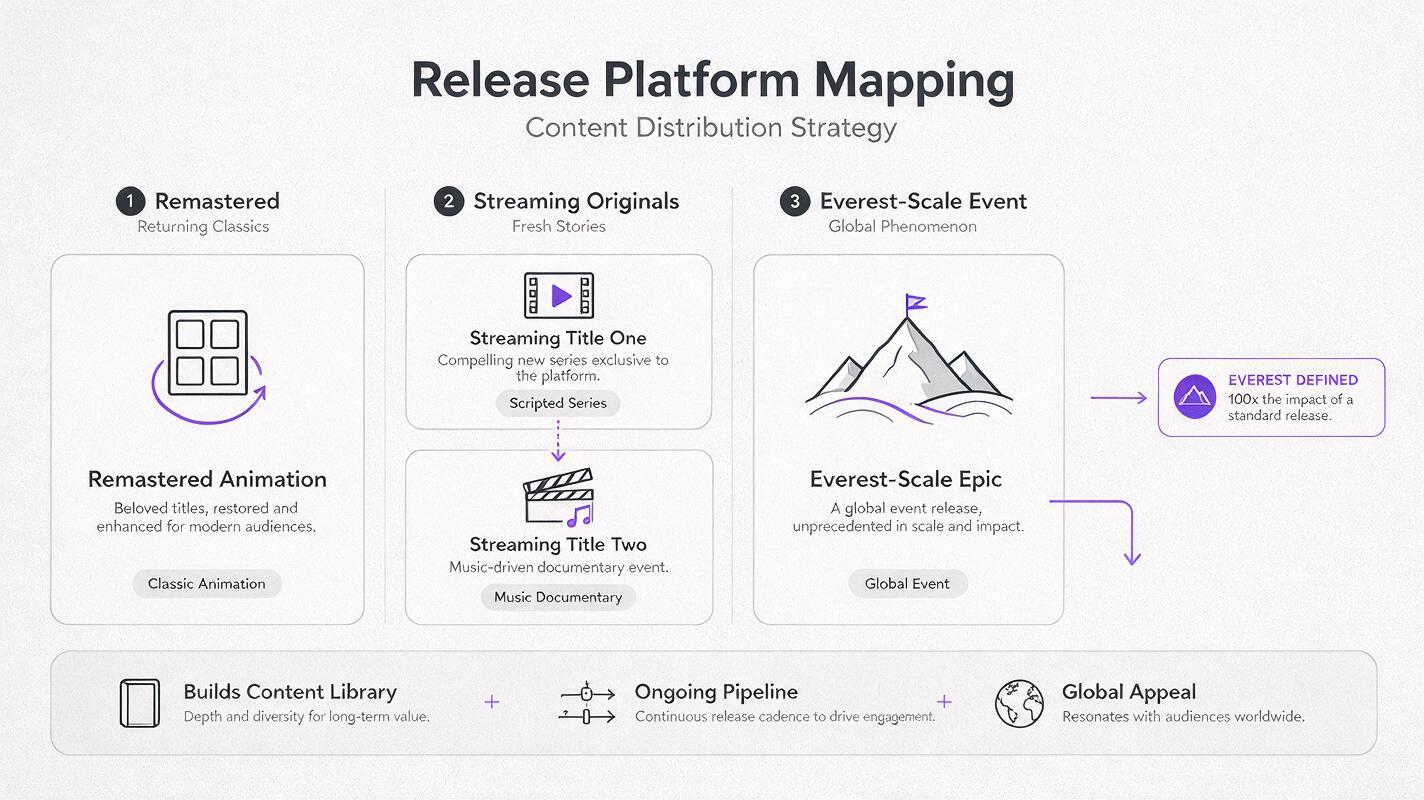
These releases provide three useful campaign directions for original projects: renewed familiarity, title-led discovery and environmental spectacle. Each direction calls for different assets.
- Renewed familiarity: Before-and-after frames, revised key art and short comparison clips can communicate that an existing work has been refreshed.
- Title-led discovery: A compact teaser can establish tone without overloading viewers with background information.
- Environmental spectacle: Wide establishing shots and human-scale compositions can make a large setting feel emotionally relevant.
The same logic applies to an original ai short drama. A contained character piece needs a different opening image from an expedition story. One may begin with a revealing expression in a confined room; the other may need a landscape that establishes isolation before introducing the central figure.
Creators can organize those choices with an ai storyboard before committing to a full sequence. The storyboard should identify what viewers must understand from each image: whether a shot establishes a refreshed edition, introduces a new title or conveys the scale of an original setting.
Turning Release Positioning Into Original AI Video Concepts
The safest and most productive use of this news is to study positioning rather than replicate any named franchise. Original characters, environments and story conflicts should remain distinct from Dragon Ball Super, Masterplan, Lenin Pandiyan and Tenzing.
A creator developing an original ai video could borrow the structural idea of “familiar but renewed” by revising a previously produced concept. Another project could explore an entirely original high-altitude survival drama, provided its characters and narrative are independently created. In either case, the campaign needs a short, accurate promise that matches the finished work.
Once that promise is established, text to video can support visual exploration for original shots, such as a dramatic landscape, a quiet character entrance or a compact teaser transition. The goal is not to reproduce footage from the announced releases. It is to test how framing, motion and pacing support a new concept’s identity.
Original concept brief:
Genre: high-altitude character drama
Core image: two original climbers crossing a windswept ridge at dawn
Emotional focus: trust under pressure
Trailer promise: a personal conflict framed by an immense natural setting
Visual boundary: no existing characters, costumes, logos or franchise imagery
This kind of brief keeps the creative direction concrete. It names the genre, central visual, emotional focus and boundaries before generation begins. It also makes it easier to reject attractive images that do not serve the story.

MagicBoat as a Workspace for Distinct Campaign Assets
A mixed streaming slate demonstrates why flexibility matters. One project may require concept images, another may need a short motion test, and another may benefit from a complete story sequence. MagicBoat brings those creation paths together so filmmakers can develop original material while keeping the campaign tied to a consistent premise.
For a release-inspired experiment, creators can build a visual plan, generate selected shots and compare which images communicate the premise most quickly. A remaster-style campaign might emphasize contrast between earlier and revised assets. An original adventure might prioritize setting, scale and a recurring character silhouette. A compact drama might concentrate on faces, props and interior continuity.
The October 17 lineup offers a useful editorial reminder: variety attracts attention, but clarity earns the click. Every piece of key art, teaser footage and descriptive copy should reinforce the same central audience promise.
Key Takeaways
- Dragon Ball Super: Beerus has arrived on Netflix as a remastered edition.
- Prime Video’s October 17 lineup includes Masterplan and Lenin Pandiyan.
- Apple TV+ adds Tenzing, described as an Everest epic with Hiddleston as Hillary.
- The releases occupy different positions and should not be forced into one promotional formula.
- Original AI projects can study clear release packaging without copying protected characters or imagery.
- Storyboards, concept frames and short video tests should all reinforce one accurate creative promise.
- To explore an original campaign across multiple creation workflows, try these models for free.
Keywords
dragon ball super beerus, netflix, prime video, apple tv plus, tenzing, ai content creation, text to video, ai film