Dragon Ball Super: Beerus, Masterplan, Lenin Pandiyan and Tenzing Arrive
The remastered Dragon Ball Super: Beerus arrives on Netflix alongside a wider streaming lineup that includes Prime Video’s Masterplan and Lenin Pandiyan and Apple TV+’s Tenzing. The mix illustrates how recognizable animation, regional releases and historical epics can compete through sharply differentiated identities.
Table of contents
A Cross-Platform Streaming Lineup Spans Animation, Regional Stories and History
Dragon Ball Super: Beerus has landed on Netflix in a remastered edition, giving the established animated title a refreshed place in the streaming catalog. Its arrival was part of an October 17 release lineup that also brought Masterplan and Lenin Pandiyan to Prime Video, while Apple TV+ added the Everest epic Tenzing.
The four titles occupy noticeably different creative territory. Dragon Ball Super: Beerus represents remastered animation built around a recognizable property. Masterplan and Lenin Pandiyan expand the same release window with separate Prime Video offerings. Tenzing takes the historical-epic route, with Tom Hiddleston playing Hillary in a story associated with Everest.
Rather than presenting audiences with several interchangeable releases, the lineup places sharply distinct identities side by side. For people working in AI content creation, that contrast is useful: discoverability often begins with a concept that can be understood quickly, whether it is a revived animated world, a regionally grounded story or a large-scale historical drama.
Dragon Ball Super: Beerus Leads With Recognition and Renewal
The clearest search draw in the lineup is the remastered edition of Dragon Ball Super: Beerus on Netflix. Remastering gives an existing title a new release event without changing the central identity that audiences already recognize. The important positioning language is concise: an established animated property, a named Beerus edition and a refreshed Netflix arrival.
That combination demonstrates how presentation can renew attention around known material. A familiar title can return to the conversation when its release has a clear reason to be noticed. Here, that reason is the remastered edition and its availability on Netflix.
A strong release identity does not need to explain everything at once. It needs to give the audience a memorable title, format and reason to pay attention now.
Independent filmmakers cannot borrow the recognition of an established franchise, but they can apply the underlying principle to original work. A short pitch becomes easier to remember when it identifies a distinct world, a central figure and a visible creative treatment. An ai storyboard can help organize that original visual identity before a filmmaker commits to a longer production.

One Release Window, Several Different Audience Promises
The October 17 lineup is notable for its range rather than a shared genre. Each platform title offers a different audience promise, and each can be described without forcing it into the identity of another release.
| Title | Platform | Documented identity | Positioning signal |
|---|---|---|---|
| Dragon Ball Super: Beerus | Netflix | Remastered edition | Recognizable animation presented as a renewed release |
| Masterplan | Prime Video | Streaming arrival | A distinct title within a varied platform lineup |
| Lenin Pandiyan | Prime Video | Streaming arrival | A separate regional title sharing the release window |
| Tenzing | Apple TV+ | Everest epic | Historical scale, with Tom Hiddleston as Hillary |
The contrast matters because streaming audiences routinely move between formats, countries and genres. A title is not competing only with the closest comparable production. It is also competing with every other immediately available viewing option. Clear packaging therefore becomes part of storytelling rather than an afterthought.
Dragon Ball Super: Beerus communicates familiarity and visual renewal. Tenzing communicates altitude, history and epic scale. Masterplan and Lenin Pandiyan add further variety to Prime Video’s side of the lineup. The lesson is not that one category is inherently stronger; it is that each project benefits from an identity that remains legible in a crowded release environment.
What the Lineup Suggests for Original AI Film Development
For an original AI film or ai short drama, the most transferable idea is differentiation. A project should not imitate these titles or reproduce their protected characters and worlds. Instead, filmmakers can examine how quickly each release establishes its own lane and then develop original concepts with equally clear signals.
An animation-inspired project might foreground an original character conflict and a distinctive visual palette. A historical drama could define its period, location and human stakes before expanding into spectacle. A regional story may draw strength from specific settings, social relationships and cultural details rather than sanding those qualities away for a generalized pitch.
During visual development, text to video can be used to explore original mood studies, environment ideas and short concept sequences. The emphasis should remain on coherence: the same character logic, visual tone and narrative promise need to carry across promotional clips, pitch materials and the finished work.
Format Should Reinforce the Central Idea
The lineup also shows that scale is not a single creative setting. A remastered animated release and an Everest epic can both command attention, but they do so through different forms of appeal. Original projects should choose a format that strengthens the premise rather than enlarging it without purpose.
- Animation-led concepts benefit from recognizable silhouettes, consistent environments and a clearly defined visual world.
- Historical epics depend on a strong sense of place, human perspective and disciplined visual continuity.
- Regional stories become more distinctive when their locations and relationships are treated as narrative assets.
- Short-form drama needs an immediate conflict and a compact identity that survives from one episode to the next.
This is where AI creation can support development without replacing the editorial decisions that make a story coherent. Visual generation may produce possibilities, but selection, continuity and narrative focus determine whether those possibilities feel like one project.
MagicBoat as a Space for Testing Original Directions
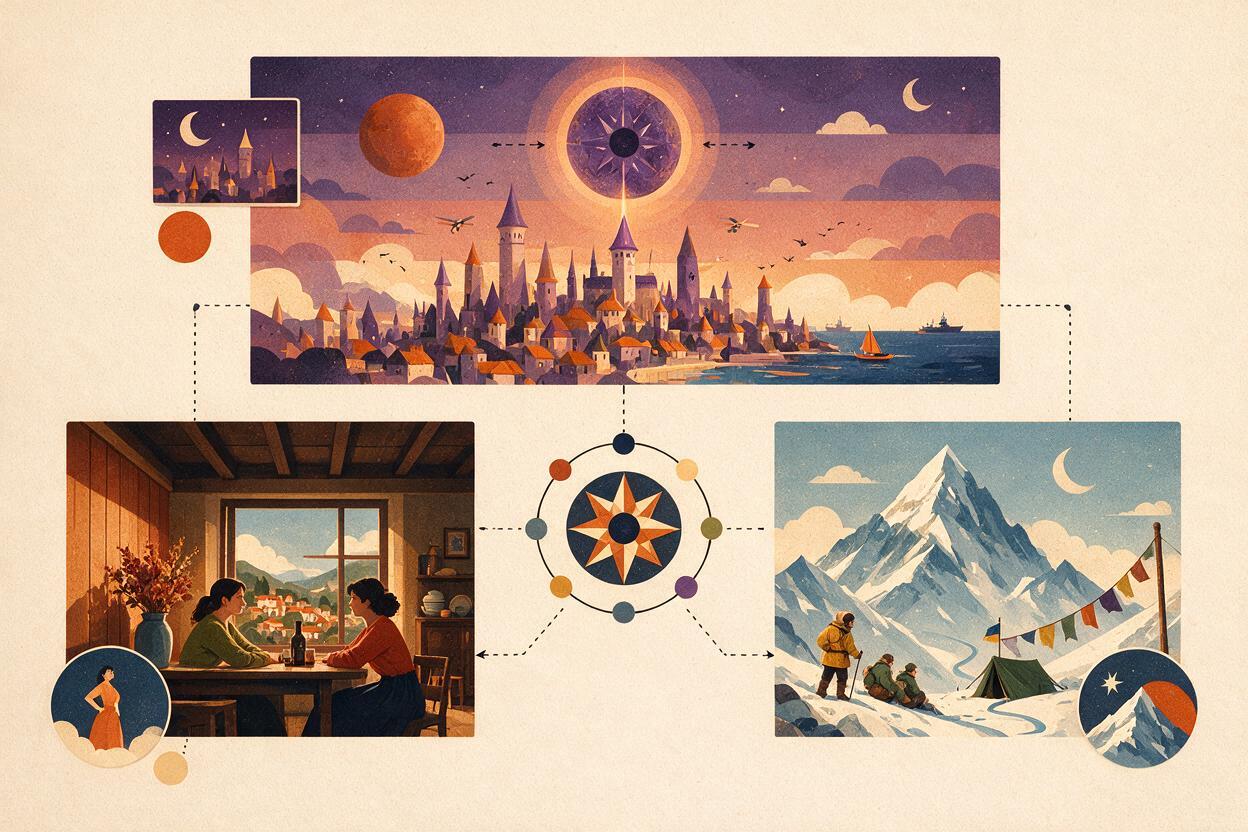
MagicBoat gives filmmakers a place to move between story planning and visual experimentation while developing their own material. A concept inspired by animation, historical drama or regional storytelling can be explored as an original treatment rather than as a copy of an existing release.
The practical value is speed of comparison. Filmmakers can assess whether a premise reads more clearly as a compact dramatic sequence, a visually led short or a broader cinematic concept. Different creative directions can be evaluated before time is invested in a full AI video or longer narrative.
The October 17 streaming lineup ultimately reinforces a straightforward principle: audiences should be able to tell why a title is distinct. If you are shaping an original screen idea, try these models for free and explore which visual direction communicates its identity most effectively.
Key Takeaways
- Dragon Ball Super: Beerus has arrived on Netflix as a remastered edition.
- Prime Video added Masterplan and Lenin Pandiyan in the same October 17 release lineup.
- Apple TV+ added the Everest epic Tenzing, with Tom Hiddleston playing Hillary.
- The lineup spans recognizable animation, distinct regional titles and historical spectacle.
- Original AI projects benefit from a premise, format and visual identity that can be communicated quickly.
- AI filmmaking tools are most useful when experimentation remains guided by continuity and editorial judgment.
Keywords
dragon ball super beerus, netflix, tenzing, masterplan, lenin pandiyan, ai content creation, ai film