The Exorcist: Martyrs First Trailer: Scarlett Johansson Leads Flanagan Reboot
The first trailer for The Exorcist: Martyrs, a Mike Flanagan-led horror reboot starring Scarlett Johansson, has debuted ahead of its March 12, 2027 theatrical release. The announcement highlights the enduring popularity of horror franchise reimaginings with mainstream audiences, offering actionable insights for AI content creators developing original horror short drama and film projects. This article breaks down the news and explains how AI tools can accelerate original horror concept prototyping and production.
Table of contents
The Exorcist: Martyrs First Trailer: What We Know So Far
The first trailer for The Exorcist: Martyrs has officially debuted, marking the return of one of horror’s most iconic franchises to the big screen. The film is a reboot of the classic horror property, led by filmmaker Mike Flanagan and starring Scarlett Johansson in the lead role. It is scheduled for theatrical release on March 12, 2027.
The trailer reveal is the latest example of studios leaning into well-known horror IP, a strategy that has proven popular with audiences in recent years. For content creators working with AI tools, this announcement offers a useful signal about the sustained appeal of horror content across formats, and how to approach developing original horror concepts for AI video and short drama projects.
Why Horror Franchise Reimaginings Keep Resonating With Audiences
Horror has long been one of the most reliable genres for content creators and studios alike, thanks to its relatively low production costs compared to blockbuster action or superhero films, and its ability to drive strong word-of-mouth and repeat viewings. Franchise reimaginings in particular benefit from built-in name recognition, which helps cut through the crowded content landscape and draw in audiences who already have a fondness for the original property.
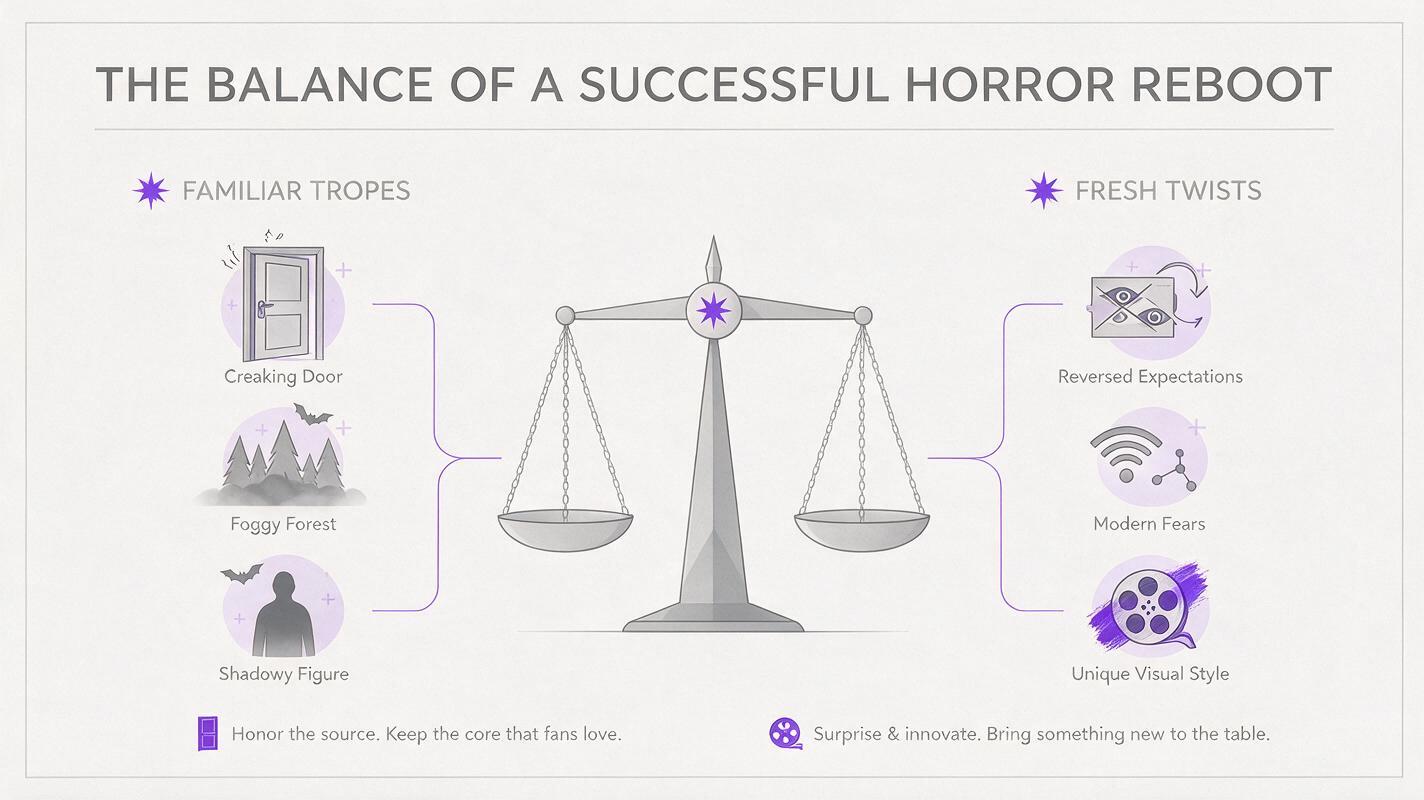
But successful horror reboots aren’t just shot-for-shot remakes. The most well-received horror reimaginings take the core premise or iconic elements of the original, and update them to reflect contemporary fears, cultural contexts, or storytelling sensibilities. This balance of familiarity and freshness is what makes horror such a versatile genre, and what creates opportunities for independent creators to carve out their own niche with original horror content.
For AI content creators, this balance is especially important. While it can be tempting to lean on popular IP to draw views, original horror concepts that tap into universal fears and use familiar genre tropes in new ways can resonate just as strongly with audiences, especially on short-form platforms where viewers are constantly looking for fresh, surprising content.
How AI Tools Can Accelerate Original Horror Concept Development
One of the biggest challenges for independent horror creators is the time and cost required to prototype new concepts. Traditionally, testing out a horror idea meant writing a full script, storyboarding key scenes, and even shooting a low-budget proof of concept — all before knowing if the idea would resonate with audiences.
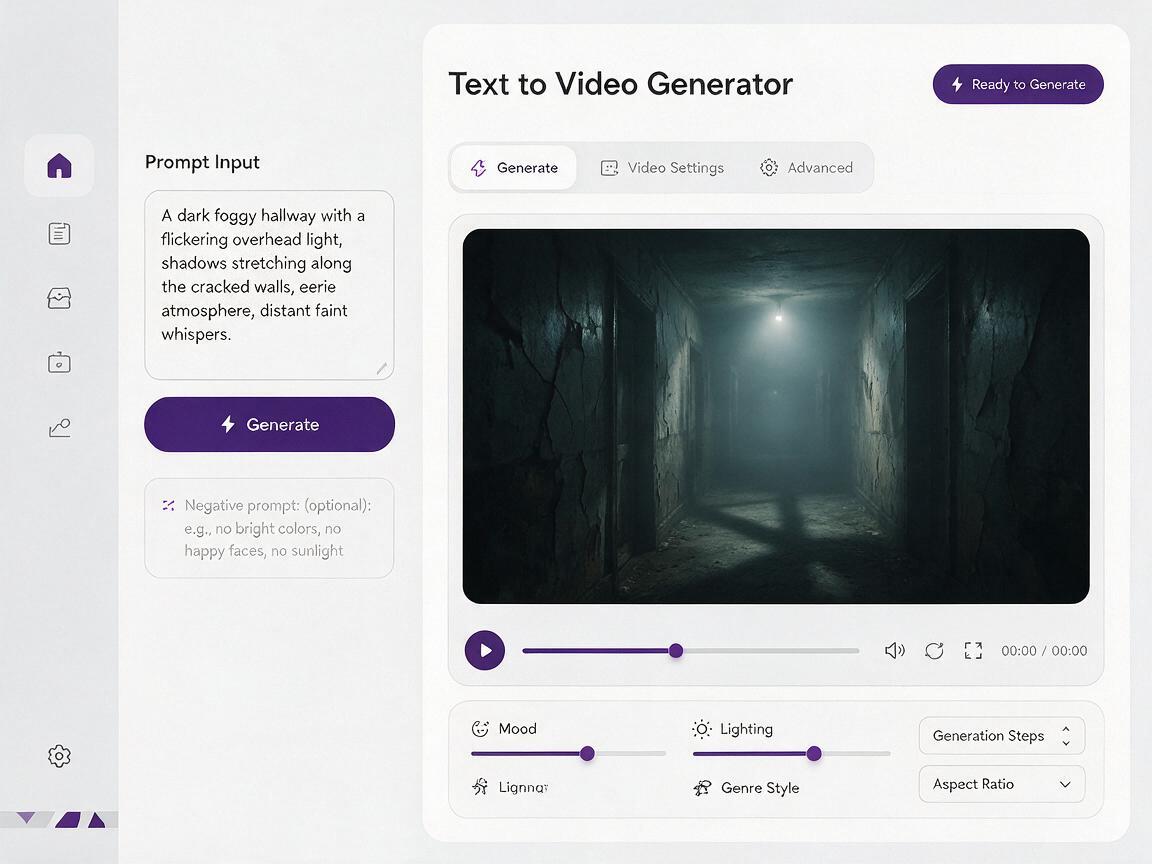
Today, text to video tools make it possible to generate high-quality horror scene prototypes in minutes, using nothing but a text prompt. Whether you’re testing out a jump scare setup, a creepy atmospheric shot, or a full trailer-style snippet of your original concept, AI video generators can help you visualize your idea quickly and cheaply, without needing a full production crew or expensive equipment.
This is particularly valuable for ai short drama projects, where tight, contained horror stories work perfectly with short-form runtimes. Short horror dramas are one of the most popular genres on short-form video platforms, as they can deliver a complete emotional arc — from setup to payoff — in just a few minutes, making them highly shareable and binge-worthy.
AI tools aren’t just for generating visuals, either. You can use AI to help brainstorm original horror concepts, develop compelling characters, write tight dialogue, and even create eerie sound design or voiceover for your projects. By combining multiple AI tools in your workflow, you can go from a single sentence idea to a fully realized short horror film in a fraction of the time it would take using traditional methods.
If you’re ready to start testing out your own original horror concepts, try these models for free and see how AI can accelerate your creative process.
Tips for Creating Original Horror Content That Stands Out
While AI tools make it easier than ever to create horror content, it’s still important to approach your projects with a clear creative vision to make your work stand out from the crowd. Here are some key tips to keep in mind when developing original horror AI content:
Focus on atmosphere over jump scares. While jump scares can be effective in the moment, the most memorable horror content is the kind that builds a lingering sense of dread and unease that stays with viewers long after they’ve finished watching. AI video tools excel at generating atmospheric, moody shots — use that strength to your advantage by building a thick, unsettling atmosphere that draws viewers in and keeps them on the edge of their seats.
Lean into relatable fears. The most effective horror stories are the ones that tap into universal, relatable fears — things like loss, grief, isolation, or the unknown — rather than relying on over-the-top monsters or gore. By grounding your horror concepts in relatable human emotions, you can make your stories feel more personal and more terrifying to audiences, regardless of what kind of monster or supernatural element you’re working with.
Subvert audience expectations. One of the best things about horror is that it’s a genre that thrives on surprise. Audiences love when a horror story takes a familiar trope or setup and twists it into something they didn’t see coming. Use AI tools to experiment with unexpected story beats, unusual visual styles, or unconventional narrative structures to create horror content that feels fresh and original, rather than just a retread of familiar horror clichés.
Keep it tight. For short-form horror content, every second counts. Don’t waste time on unnecessary setup or exposition — get to the core of your story as quickly as possible, and keep the pace tight from start to finish. AI tools can help you iterate quickly on your story structure, cutting out anything that doesn’t serve the core horror premise and making sure every scene moves the story forward and builds tension.
Final Checklist for Horror AI Creators
- Confirm your core horror concept taps into relatable, universal fears to maximize audience resonance
- Use text to video tools to generate quick prototypes of key scenes or trailer snippets to validate your idea
- Prioritize atmosphere and lingering dread over cheap jump scares for more memorable content
- Subvert familiar horror tropes to create original stories that surprise and engage viewers
- Keep short drama projects tight and focused, with no unnecessary exposition or filler
- Experiment with different AI tools — for visuals, writing, sound, and voiceover — to streamline your workflow
Keywords
the exorcist martyrs, first trailer, mike flanagan, scarlett johansson, horror reboot, ai short drama, ai film