FTC Opens Sweeping AI Probe Into Anthropic, OpenAI and Other Labs
The U.S. Federal Trade Commission has launched a sweeping formal investigation into Anthropic, OpenAI and other leading AI labs over potential consumer harms, expanding beyond earlier civil subpoenas issued in mid-October. The probe marks a significant escalation in U.S. AI regulatory oversight, with potential implications for model access, pricing and service reliability for AI content creators. Creators can mitigate workflow disruption risks by using multi-model platforms that offer access to a diverse range of AI tools under a single account.
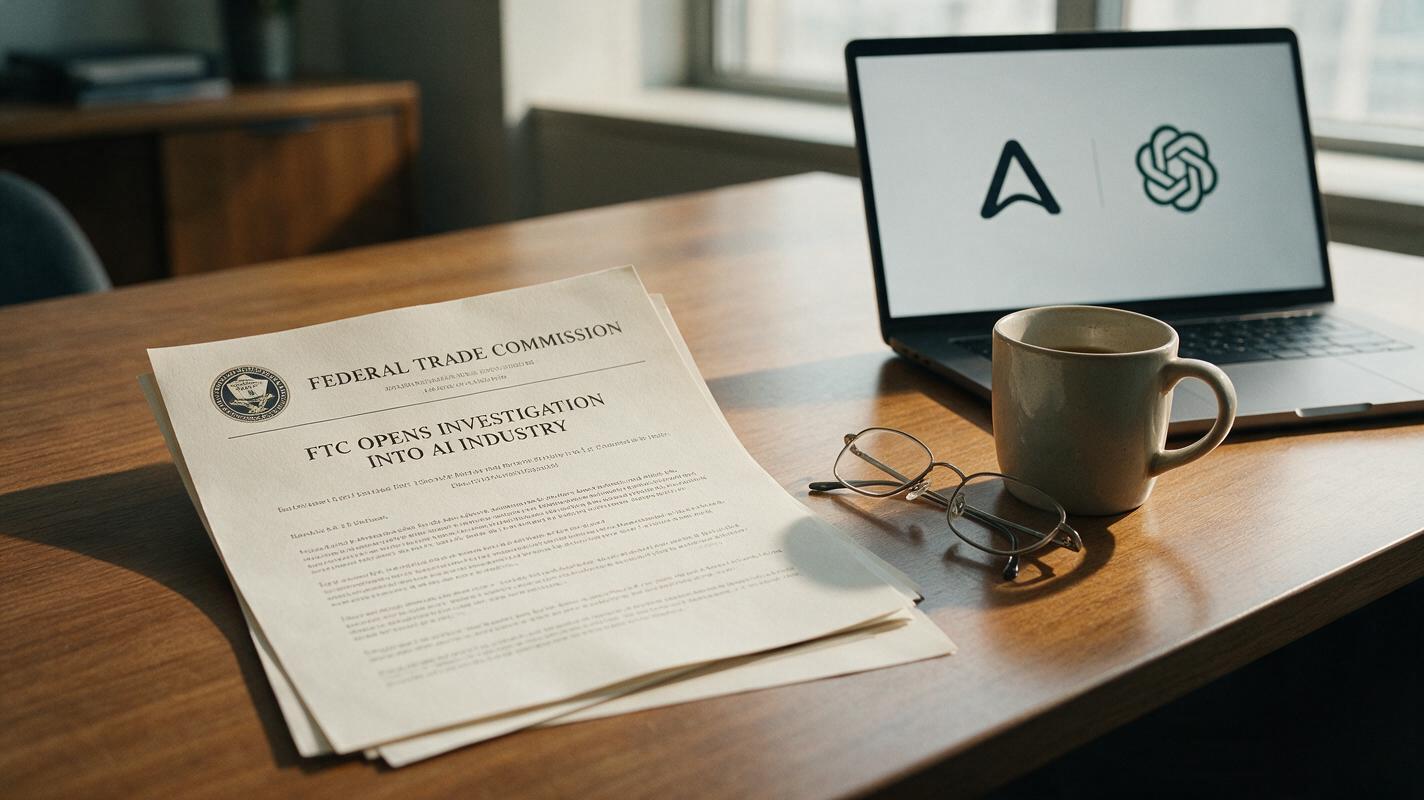
Table of contents
FTC Launches Sweeping Probe of Top AI Labs Over Consumer Harms
On October 20, 2026, the U.S. Federal Trade Commission announced a sweeping formal investigation into Anthropic, OpenAI, and other leading artificial intelligence labs over potential consumer harms, marking a significant escalation of U.S. regulatory oversight of the fast-growing AI industry.
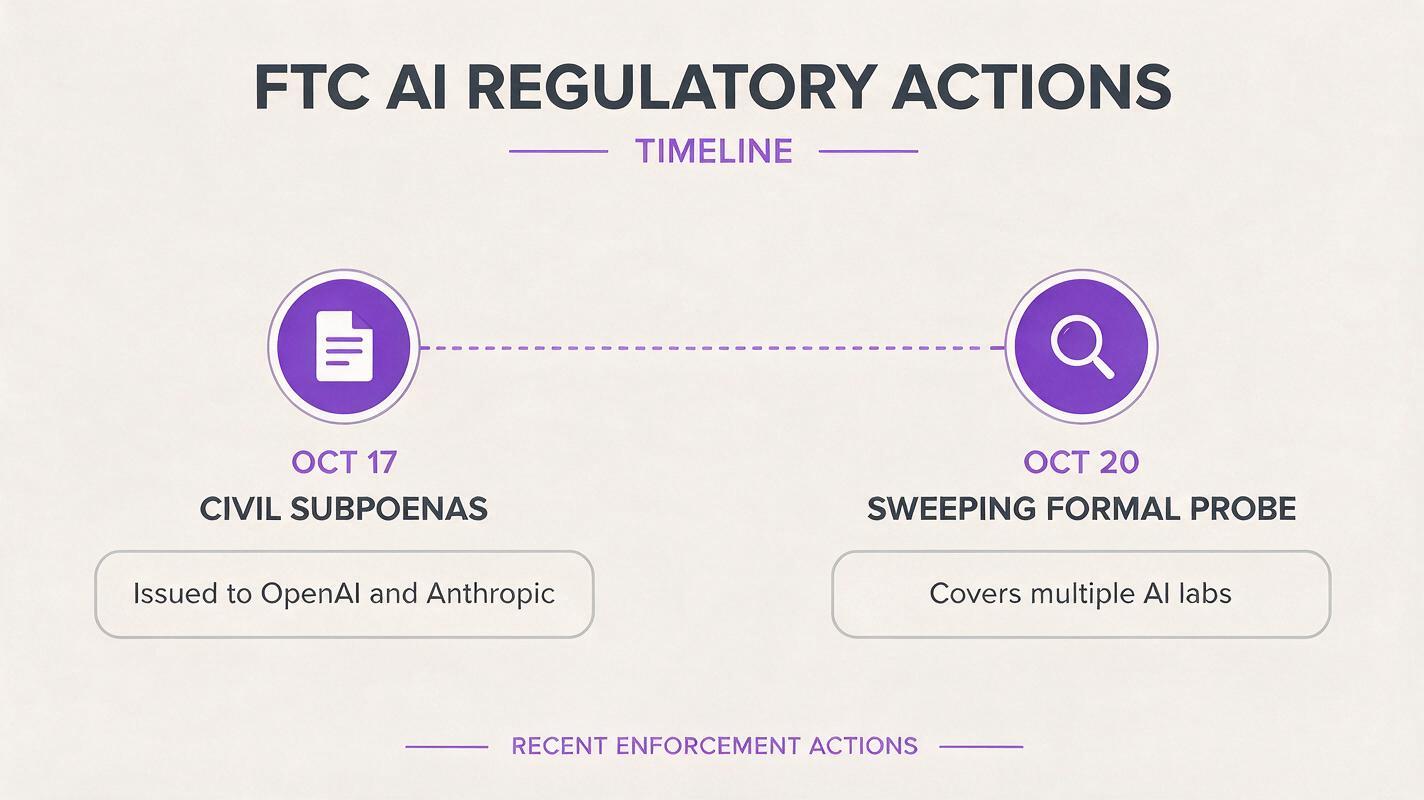
The probe expands well beyond the civil subpoenas the FTC issued to both OpenAI and Anthropic just three days earlier, on October 17, which had marked the first formal shift from voluntary self-regulation calls to structured evidence gathering. The broader investigation includes additional AI labs beyond the two leading frontier model developers, though the full list of targeted companies has not been publicly released. The investigation centers on potential consumer harms related to AI product development, marketing, and deployment, though specific allegations or focus areas have not yet been detailed by the agency.
News of the probe was first reported by Reuters and covered by Meridian Magazine, amid a broader wave of regulatory scrutiny facing the AI sector in the U.S. and globally. The announcement comes at a time when frontier models like OpenAI’s GPT-6 family, Anthropic’s Claude Opus 5.5, and Google’s Gemini 4 are being adopted at a rapid pace by professionals across industries, including AI video and image creators.
Key Context for the Investigation
The October 17 civil subpoenas marked the FTC’s first formal enforcement step targeting major AI labs over potential consumer harm, following months of public debate about AI safety, data privacy, and misleading product claims. Those subpoenas sought documents and information related to how labs develop, test, and market their models to end users. The new sweeping probe indicates the FTC found enough initial cause to move beyond preliminary evidence gathering into a full formal investigation.
Regulators have raised concerns about a range of potential issues with consumer-facing AI tools, including inaccurate or misleading claims about model capabilities, inadequate safety guardrails, data privacy risks from user inputs, and unfair pricing or subscription practices. While the FTC has not outlined specific allegations against any of the targeted labs, the investigation’s broad scope suggests regulators are examining systemic issues across the frontier AI sector rather than isolated incidents.
The probe also comes amid a string of high-profile AI safety incidents and policy changes in recent weeks, from internal model safety events at leading labs to updated usage policies and platform-level restrictions on synthetic content tools. These developments collectively signal a tightening of the regulatory environment for AI tools of all kinds, from general-purpose chatbots to specialized creative AI platforms.
Potential Impacts on AI Model Access and Service Reliability
Formal FTC investigations can lead to a range of outcomes for targeted companies, from consent decrees requiring policy changes to financial penalties or even restrictions on product features and deployment. For end users, this means there is ongoing uncertainty about the future availability, pricing, and feature sets of popular AI models from labs under investigation.
Creators who rely on a single AI provider for core parts of their workflow face the highest level of risk. If a lab is required to roll back features, adjust pricing, or pause certain services as part of the investigation, creators with single-provider workflows could face unexpected disruptions to their production schedules, missed deadlines, and increased costs as they scramble to find alternative tools.
Even in less severe scenarios, regulatory compliance efforts can lead to slower model updates, changed usage policies, or increased friction in accessing advanced features. For professional creators who depend on consistent, predictable AI tool performance, this uncertainty adds a new layer of operational risk to their production pipelines.
What This Means for AI Video and Image Creators
For AI video and image creators, the regulatory uncertainty surrounding leading AI labs hits particularly close to home, as many of the most widely used creative AI tools are built on models from companies under investigation. Creators use GPT-6 for scriptwriting and story ideation, Claude Opus for detailed story editing and feedback, and Gemini 4 for visual concept generation and reference image creation, all as core parts of their production workflows.
Many creators also rely on specialized tools like an ai video generator or an ai image generator to turn their ideas into finished content. These tools often integrate models from multiple providers, but creators who use single-provider tools may find their go-to platforms impacted by regulatory changes.
Beyond direct access to models, creators also face potential indirect impacts from the probe. If regulators impose new requirements around content provenance, disclosure of AI-generated content, or safety guardrails for generative tools, creators may need to adjust their workflows to comply. This could include adding new review steps, changing how they label AI-generated content, or switching to tools that meet new regulatory standards.
How Creators Can Mitigate Regulatory Workflow Risk
The best way for creators to protect their workflows from regulatory uncertainty is to diversify their toolchains across multiple AI providers. By building workflows that can use multiple models for the same task, creators avoid being locked into a single provider that could face disruptions from regulatory action.
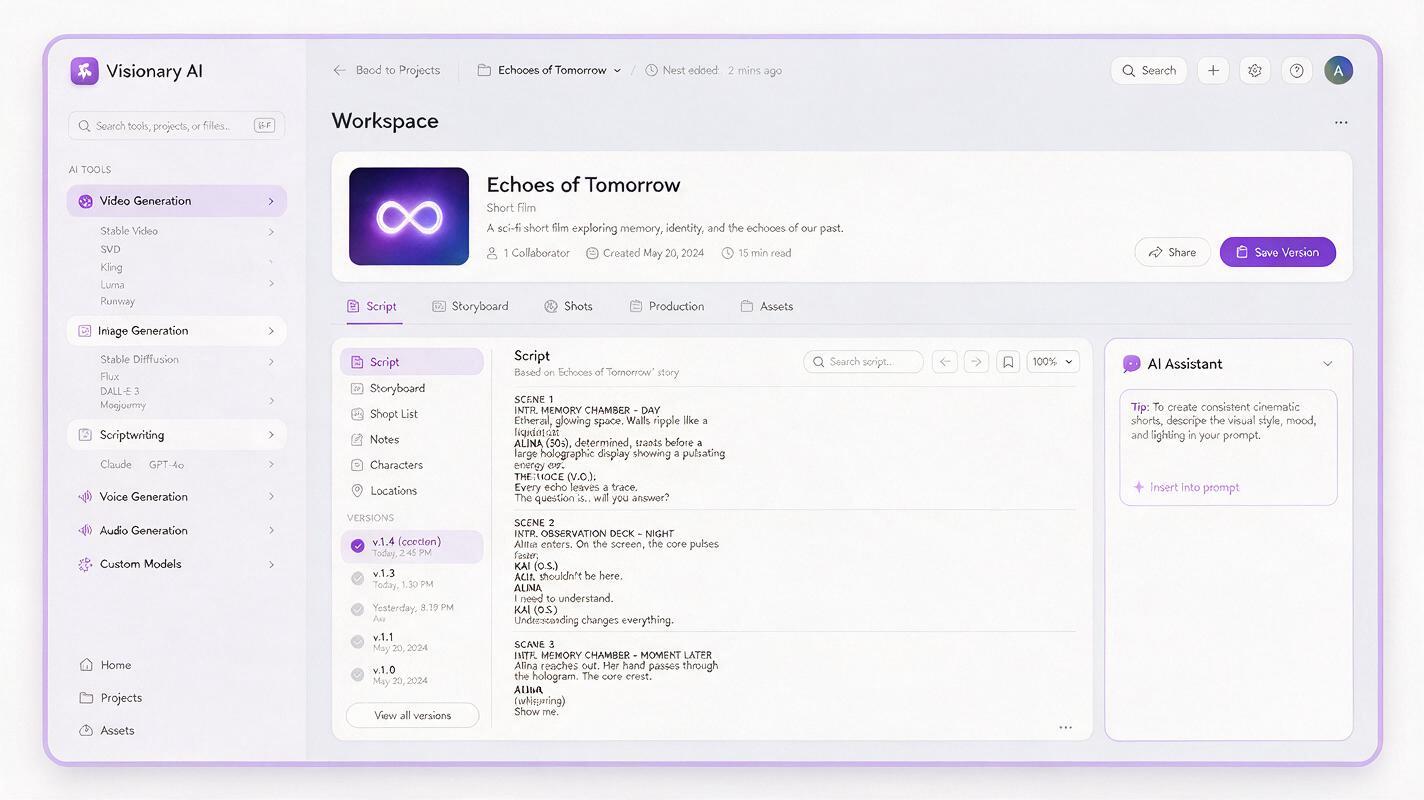
A multi-model creative platform like MagicBoat simplifies this diversification by giving creators access to a wide range of AI creation tools, from video generation to image creation to scriptwriting, all under a single account. Instead of managing separate subscriptions and login credentials for half a dozen different providers, creators can access multiple models and tools in one unified interface, making it easy to switch between providers if one experiences service changes or disruptions.
Creators can also reduce risk by maintaining backup workflows for critical tasks, testing alternative tools regularly to ensure they work for their specific use cases, and staying informed about regulatory developments that could impact their tools of choice. Taking these proactive steps helps ensure that regulatory changes don’t derail production schedules or compromise the quality of finished work.
Creators looking to build a more resilient, diversified AI workflow can try these models for free on MagicBoat, with access to a full suite of AI video, image, and story creation tools designed for professional creators.

Key Takeaways
- The FTC’s October 20 sweeping probe of Anthropic, OpenAI, and other AI labs marks a major escalation in U.S. AI regulatory oversight, expanding beyond earlier civil subpoenas issued earlier the same week.
- The investigation focuses on potential consumer harms from AI products, with possible outcomes ranging from policy changes to feature restrictions that could impact end users.
- AI video and image creators who rely on single-provider tools face elevated workflow disruption risk from regulatory changes affecting leading AI labs.
- Diversifying toolchains across multiple AI providers is the most effective way for creators to mitigate regulatory risk and maintain consistent workflow reliability.
- Unified multi-model platforms like MagicBoat make it easy for creators to access a diverse range of AI tools and switch between providers without disrupting their production pipeline.
Keywords
ftc ai probe, openai, anthropic, ai regulation, gpt-6, gemini 4, ai video model