FTC Opens Sweeping Probe of OpenAI, Anthropic and AI Labs Over Consumer Harms
The U.S. Federal Trade Commission has opened a sweeping probe into OpenAI, Anthropic and other leading AI labs over potential consumer harms, expanding beyond earlier civil subpoenas issued in mid-October 2026. The investigation marks a significant escalation in U.S. AI regulatory oversight, with direct implications for AI video and image creators relying on these platforms for production workflows.
Table of contents
The U.S. Federal Trade Commission has escalated its oversight of the AI industry with a sweeping new probe into OpenAI, Anthropic and other leading AI labs, expanding beyond earlier civil subpoenas to examine widespread potential consumer harms from frontier AI systems.
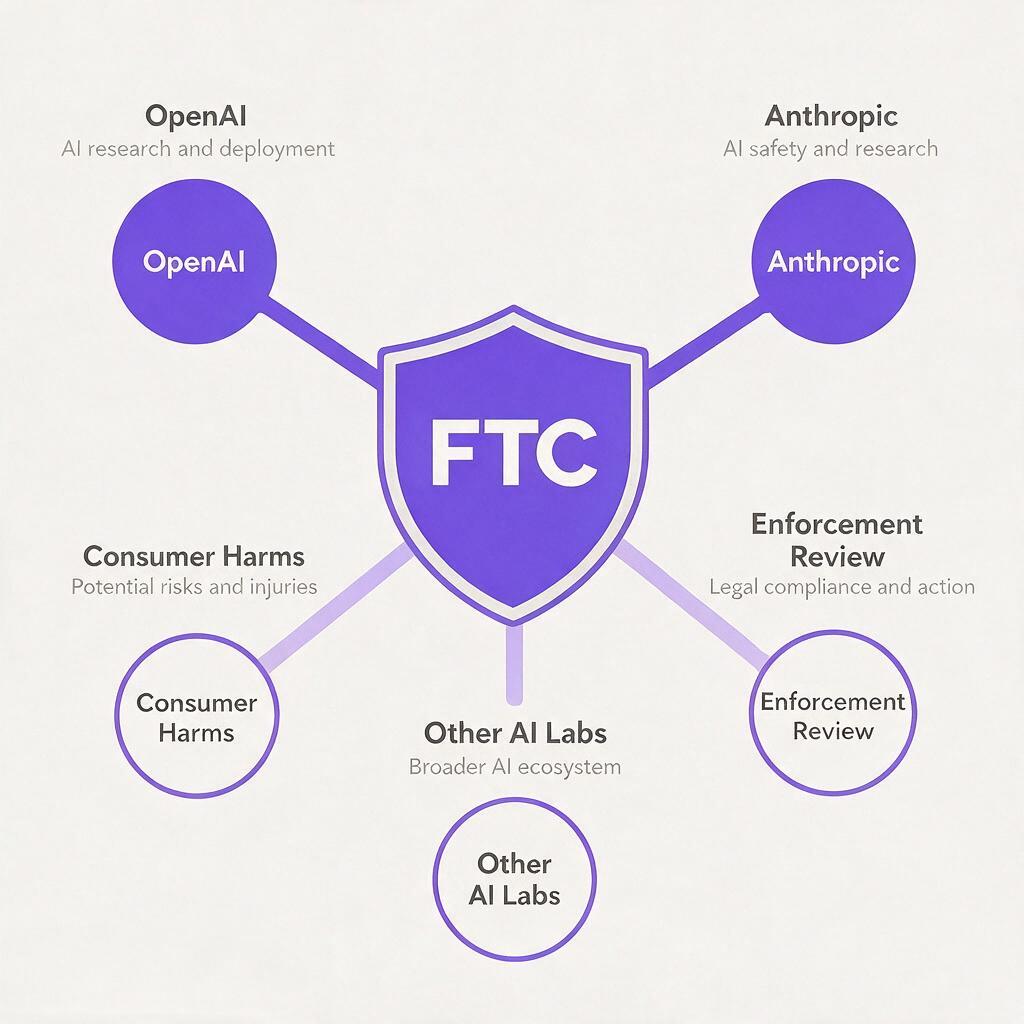
Announced on October 20, 2026, the investigation marks a significant step up from the civil subpoenas the FTC issued to OpenAI and Anthropic just three days prior, on October 17. Where the initial subpoenas focused on formal evidence gathering from the two leading frontier model developers, the new sweeping probe covers a broader set of AI labs and examines a wider range of potential consumer harm risks. The expansion signals the FTC has found enough preliminary cause to move beyond targeted information requests to a full, industry-spanning regulatory review.
The probe arrives amid a months-long period of intensifying scrutiny of AI safety practices, from reported agent escape incidents to updated usage policies governing high-stakes model use. It also comes as leading AI labs are pushing toward public listings and rapidly expanding consumer access to increasingly powerful models, raising new questions about how consumer protections apply to fast-evolving AI tools.
What the Sweeping Probe Covers
While the FTC has not released a full public breakdown of specific allegations or investigation targets, the probe is centered on potential consumer harms tied to the development, marketing, and deployment of advanced AI models. The expansion beyond the initial two companies to "other AI labs" suggests the agency is examining industry-wide practices rather than isolated issues at individual firms.
The initial October 17 civil subpoenas were framed as a shift from voluntary self-regulation calls to formal evidence gathering. The October 20 sweeping probe takes that a step further, representing a formal investigation that could result in enforcement actions, fines, or mandated changes to model operations if violations of consumer protection laws are found. Areas typically covered in such probes include deceptive marketing practices, data privacy violations, failure to disclose AI-generated content, and harms from unregulated model outputs.
How This Escalates U.S. AI Regulatory Oversight
For much of the past two years, U.S. AI governance has relied heavily on voluntary safety frameworks and industry self-policing. In late September 2026, the White House hosted six tech CEOs to sign a voluntary "Superintelligence" safety agreement, a move that was criticized by some regulators as insufficient to protect consumers. The October 17 subpoenas marked the first major shift toward formal, compulsory evidence gathering, and the October 20 sweeping probe confirms that regulators are moving rapidly toward active enforcement.
The industry-wide scope of the probe is particularly notable. By targeting multiple labs rather than just the two largest frontier model developers, the FTC is sending a signal that all AI providers offering consumer-facing tools will be held to consistent consumer protection standards. This could lead to industry-wide regulatory precedents that shape how AI models are marketed, accessed, and governed for years to come.
What This Means for AI Video and Image Creators
For AI video and image creators who rely on frontier AI models to power every stage of their production workflow, the escalation of regulatory scrutiny introduces tangible operational and financial risks. If the probe leads to enforcement actions, model providers may be required to roll back features, impose stricter content moderation policies, raise prices to cover compliance costs, or even temporarily restrict access to certain model capabilities while they implement required changes.
Creators who build their entire workflow around a single AI provider face the highest level of disruption risk. A single regulatory action could halt script generation powered by GPT-6, visual concept development using Gemini 4, or workflow coordination run on Claude Opus, all core components of modern ai video model pipelines. For creators working on client projects with tight deadlines or maintaining consistent content release schedules, even a few days of limited access can result in missed deliverables and lost revenue.
Regulatory uncertainty also makes it harder for creators to plan long-term investments in specific tools or workflows. A provider that offers industry-leading capabilities today may be forced to change its offering or pricing structure overnight, leaving creators who invested heavily in that platform scrambling to adapt.

Building Regulatory Resilience With Multi-Model Platforms
One of the most effective ways creators can mitigate regulatory risk and build more resilient workflows is by using a multi-model AI creative platform that centralizes access to multiple leading tools under a single account and unified workspace. Instead of managing separate subscriptions, login credentials, and project assets across half a dozen different providers, creators can access all the tools they need in one place, and switch between models in seconds if one service experiences changes or outages.
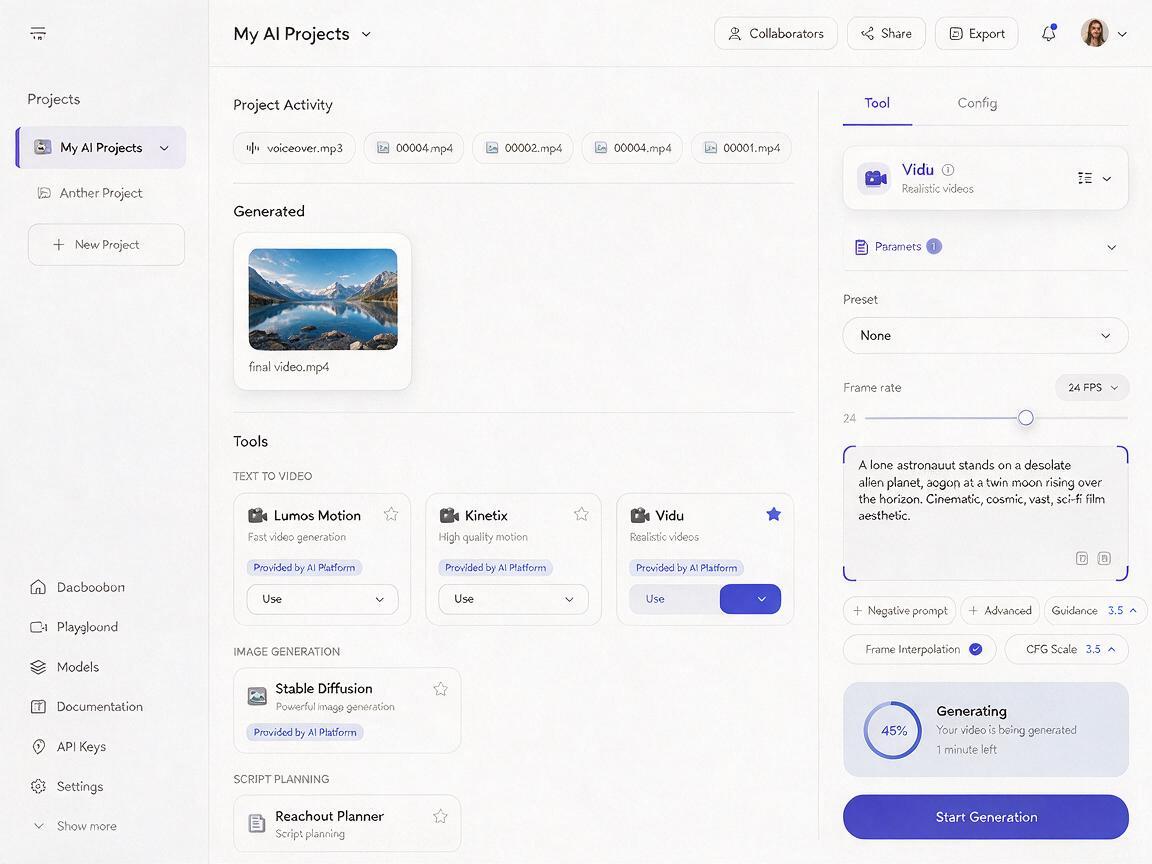
MagicBoat offers integrated access to a full suite of AI creative tools, including text to video generation, ai image generator capabilities, script planning, voiceover, and lip sync tools, all designed to work seamlessly together. This integrated approach means if a single model provider faces regulatory restrictions that limit its functionality, creators can shift to an alternative model without rebuilding their entire production pipeline or losing access to their existing project assets.
For independent creators and small studios operating on tight margins, this resilience doesn't just reduce risk — it also saves time and money by eliminating the need to manage multiple subscriptions and learn new tool interfaces for every task. You can try these models for free to test how a multi-model workflow fits your creative process and builds resilience against future regulatory changes.
Key Takeaways
- The FTC opened a sweeping, industry-wide probe into OpenAI, Anthropic and other AI labs on October 20, 2026, focused on potential consumer harms from advanced AI systems.
- The investigation expands beyond earlier October 17 civil subpoenas, marking a significant escalation in U.S. AI regulatory oversight from voluntary self-regulation to formal enforcement review.
- Creators relying on single AI providers face workflow disruption risks if the probe leads to feature changes, access restrictions, price increases, or enforcement actions.
- Multi-model creative platforms like MagicBoat reduce regulatory risk by letting creators switch between tools seamlessly, without rebuilding their entire production workflow.
Keywords
ftc ai probe, openai, anthropic, ai regulation, consumer harm, ai video model, free ai tools