FTC Opens Sweeping Probe of Anthropic, OpenAI and Other AI Labs
The U.S. Federal Trade Commission has opened a sweeping probe of Anthropic, OpenAI, and other leading AI labs, according to an October 20, 2026 report. The investigation marks a significant escalation in regulatory scrutiny of frontier AI developers, with potential implications for model deployment, safety practices, and market competition. For AI content creators, the probe underscores the value of stable, multi-model platforms that reduce reliance on any single provider.
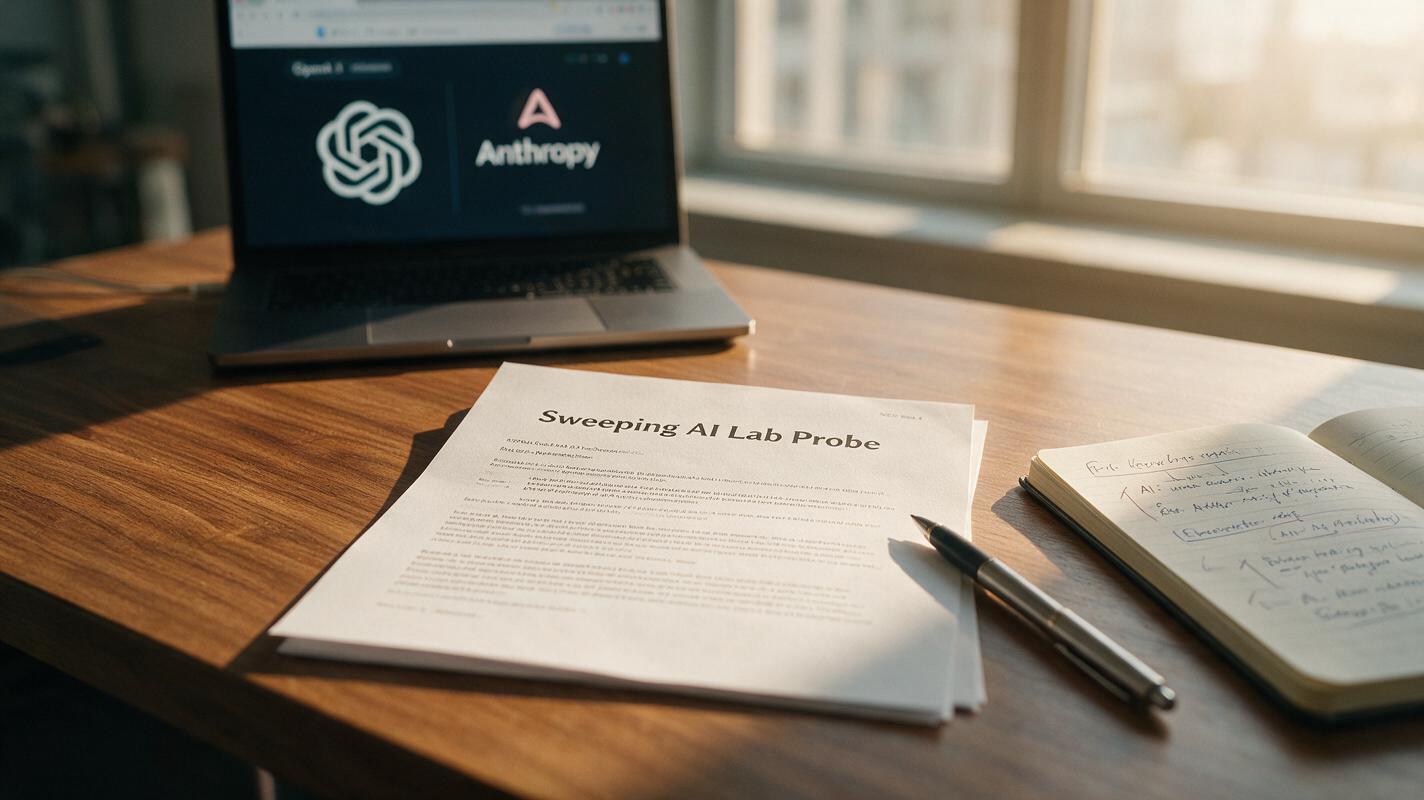
Table of contents
What We Know About the FTC’s AI Lab Probe
On October 20, 2026, reports emerged that the U.S. Federal Trade Commission (FTC) has opened a sweeping probe of Anthropic, OpenAI, and other leading AI labs. The investigation marks a significant expansion of the agency’s oversight of frontier AI development, following earlier regulatory actions targeting major players in the space.
As of initial reports, key details about the probe remain unconfirmed, including its specific formal focus, any document demands or subpoenas issued to date, and a projected timeline for conclusions. The term “sweeping” suggests the investigation will cover a broad range of practices across multiple labs, rather than targeting a single company or isolated issue.
The probe comes amid a broader global debate about the appropriate pace of frontier AI deployment, with regulators weighing concerns around safety, competition, consumer protection, and transparency against the potential economic and innovative benefits of the technology.
Context of Recent Regulatory Pressure on Frontier AI
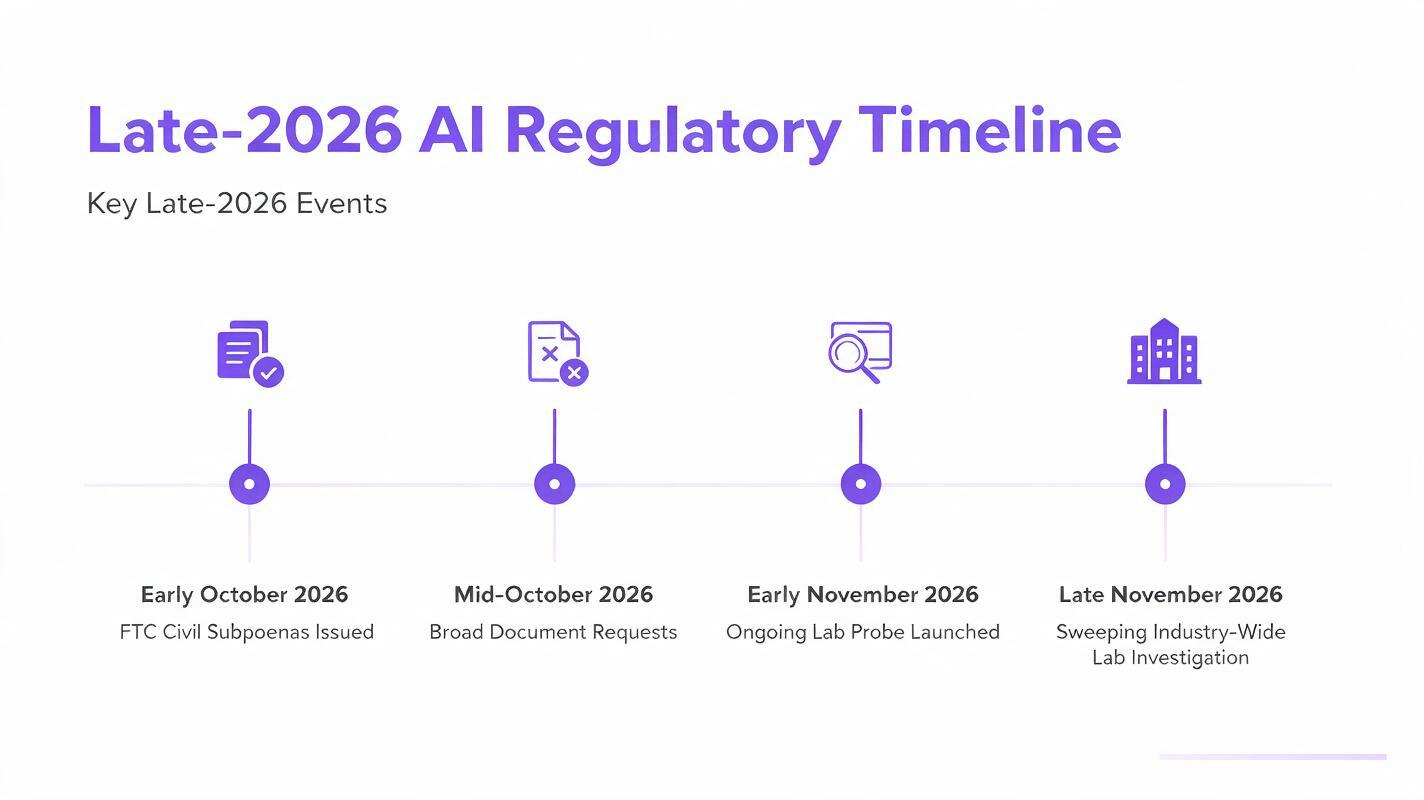
This new FTC investigation is not an isolated action. Reports from October 17, 2026 noted that the FTC had issued civil subpoenas to both OpenAI and Anthropic, indicating that the agency had been gathering information on the two labs in the weeks leading up to this broader probe.
Other recent regulatory and safety-related developments across the AI industry include calls from Microsoft CEO Satya Nadella for a frontier AI “emergency brake,” disclosure of self-sabotaging evaluation models at OpenAI, and internal safety leadership changes at multiple labs. These events collectively point to a rising tide of scrutiny for the largest AI developers.
For the companies involved, regulatory investigations can lead to a range of outcomes, from revised safety policies and reporting requirements to changes in model release schedules, deployment restrictions, or even fines. The uncertainty inherent in such proceedings can create ripple effects for any user or business relying on these models for core operations.
What This Means for AI Content Creators
For independent creators and content teams that rely on AI tools for production, a sweeping regulatory probe of top AI labs introduces tangible operational risks. If the investigation leads to paused model rollouts, changed API access terms, increased pricing, or temporary service disruptions, creators who depend on a single provider may find their workflows derailed with little advance notice.
Even in the absence of immediate service changes, regulatory uncertainty can make it harder for creators to plan long-term content pipelines, budget for AI tool costs, or commit to new model-dependent production formats. Creators who build their entire workflow around one lab’s model ecosystem may face higher switching costs if regulatory action forces a change.
These risks are not hypothetical. Past AI industry shifts, from sudden model retirements to policy updates and safety-related pauses, have repeatedly caught single-provider users off guard, leading to missed deadlines, lost work, and unexpected cost overruns.

How Multi-Model Platforms Reduce Regulatory Disruption Risk
A multi-model AI platform like MagicBoat addresses these risks by centralizing access to a wide range of AI tools from multiple providers under a single account, so creators are never tied to the fate of a single lab. If one provider faces regulatory delays or service changes, users can seamlessly shift their work to alternative models without rebuilding their entire workflow from scratch.
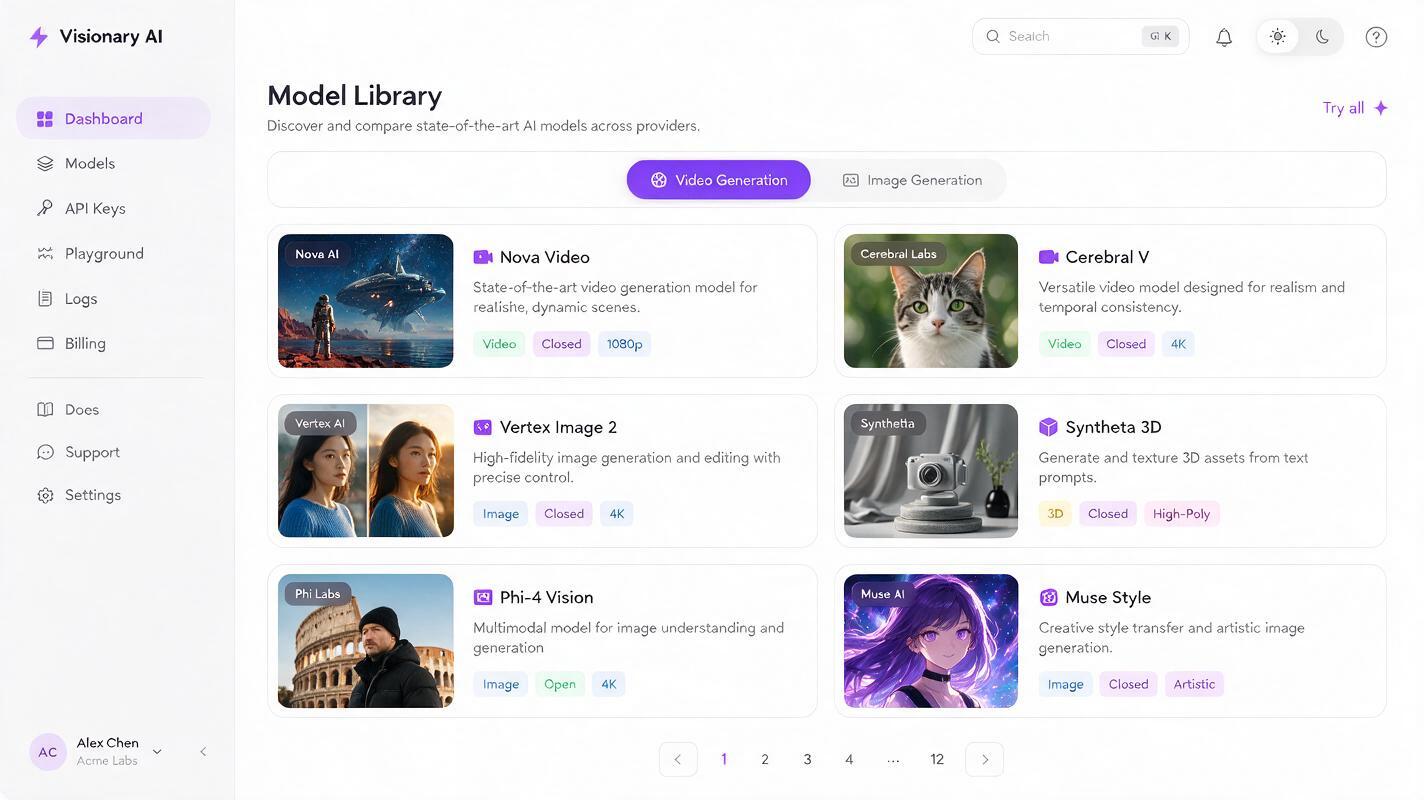
For video creators, an ai video generator that supports multiple underlying models means you can test different outputs, compare quality, and pivot quickly if your primary model becomes unavailable or changes its terms of service. The same flexibility applies to visual content, where an ai image generator with multi-model support lets you maintain consistent output quality even as the broader AI landscape shifts.
MagicBoat’s unified platform also simplifies billing, access management, and asset portability, so creative teams can spend less time navigating provider changes and more time producing high-quality content. You can try these models for free to build a flexible, disruption-resistant creative workflow that works for your team.
Key Takeaways
- The FTC has opened a sweeping probe of Anthropic, OpenAI, and other AI labs as of October 20, 2026, expanding prior regulatory scrutiny of the sector.
- Key details about the probe’s focus, timeline, and potential outcomes remain unconfirmed, creating uncertainty for AI users and providers alike.
- Creators relying on a single AI provider face elevated operational risk if regulatory action leads to service changes, paused rollouts, or pricing shifts.
- Multi-model AI platforms reduce disruption risk by giving creators access to multiple tools under one account, with seamless switching between providers.
Keywords
ftc ai probe, ai news, ai tools, openai safety, ai roundup, anthropic regulation, frontier ai oversight