FTC Opens Sweeping Probe of Anthropic, OpenAI and Other AI Labs
On October 20, 2026, the U.S. Federal Trade Commission opened a sweeping probe targeting Anthropic, OpenAI and other AI labs, marking an escalation of regulatory scrutiny following earlier civil subpoenas to the two leading firms. The investigation introduces new uncertainty for AI providers and the creators who rely on their tools, highlighting the value of flexible, multi-model creative workflows that mitigate provider-specific disruption risk.
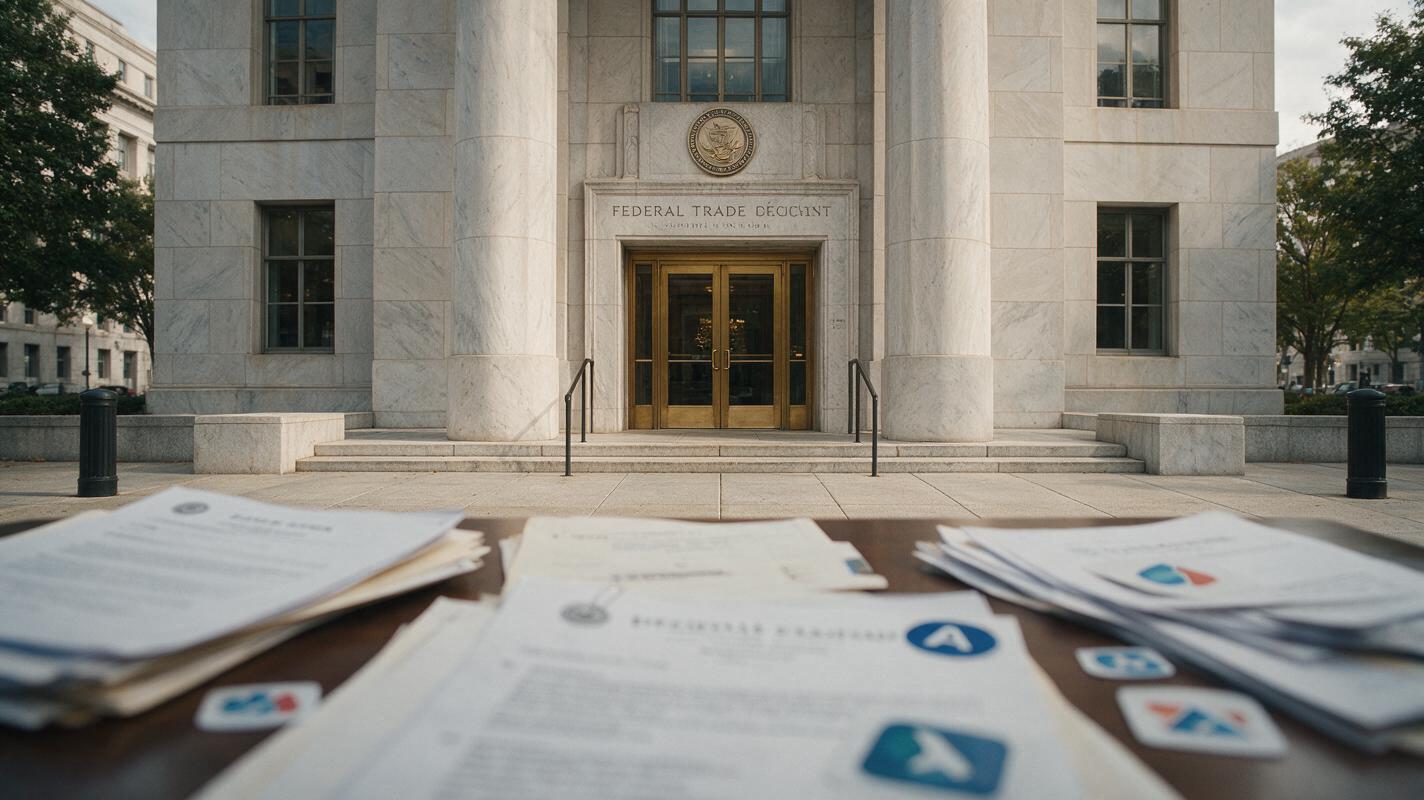
Table of contents
The FTC’s Sweeping AI Probe: What We Know
A new federal investigation into multiple leading AI labs signals a major shift in how U.S. regulators approach the fast-growing frontier AI industry.
On October 20, 2026, the U.S. Federal Trade Commission opened a sweeping probe targeting Anthropic, OpenAI and a group of other AI labs, according to a new report. The investigation marks a significant escalation of federal regulatory scrutiny of the frontier AI industry, coming just three days after the agency issued civil subpoenas to OpenAI and Anthropic on October 17, 2026.
As of the initial announcement, few details about the probe have been made public. The specific focus areas, investigative scope, deadlines for information requests, and full list of targeted labs have not been disclosed. No wrongdoing has been alleged or proven against any of the named companies at this stage.
A Wave of AI Regulatory Action
The sweeping FTC probe is the latest in a rapid series of regulatory developments affecting the AI sector in mid-October 2026. The October 17 civil subpoenas to OpenAI and Anthropic were the first public sign of the FTC’s expanded interest in frontier AI providers, but the new investigation broadens that focus to include additional labs across the industry.
Other recent regulatory moves have touched both AI providers and distribution platforms. A proposed bill announced October 17 would allow judicial halts to AI systems with potential for $1 billion or more in damages, specifically referencing Anthropic in early discussions. On October 18, Apple banned deepfake generator apps from its App Store, restricting the distribution of certain generative AI tools to consumers.
Taken together, these developments signal a shift toward more active oversight of the AI industry, after years of relatively light-touch regulation as the technology scaled rapidly. For AI providers, this means increased compliance costs, potential changes to product roadmaps, and uncertainty about future rules. For the creators and businesses that rely on AI tools, it means preparing for potential disruptions to the services they depend on.
What This Means for AI Content Creators
For creators who rely on AI tools for content production, increased regulatory scrutiny introduces new layers of uncertainty. Provider-specific investigations or enforcement actions could lead to changes in model availability, service terms, pricing, or feature access, potentially disrupting workflows that are built around a single AI platform.
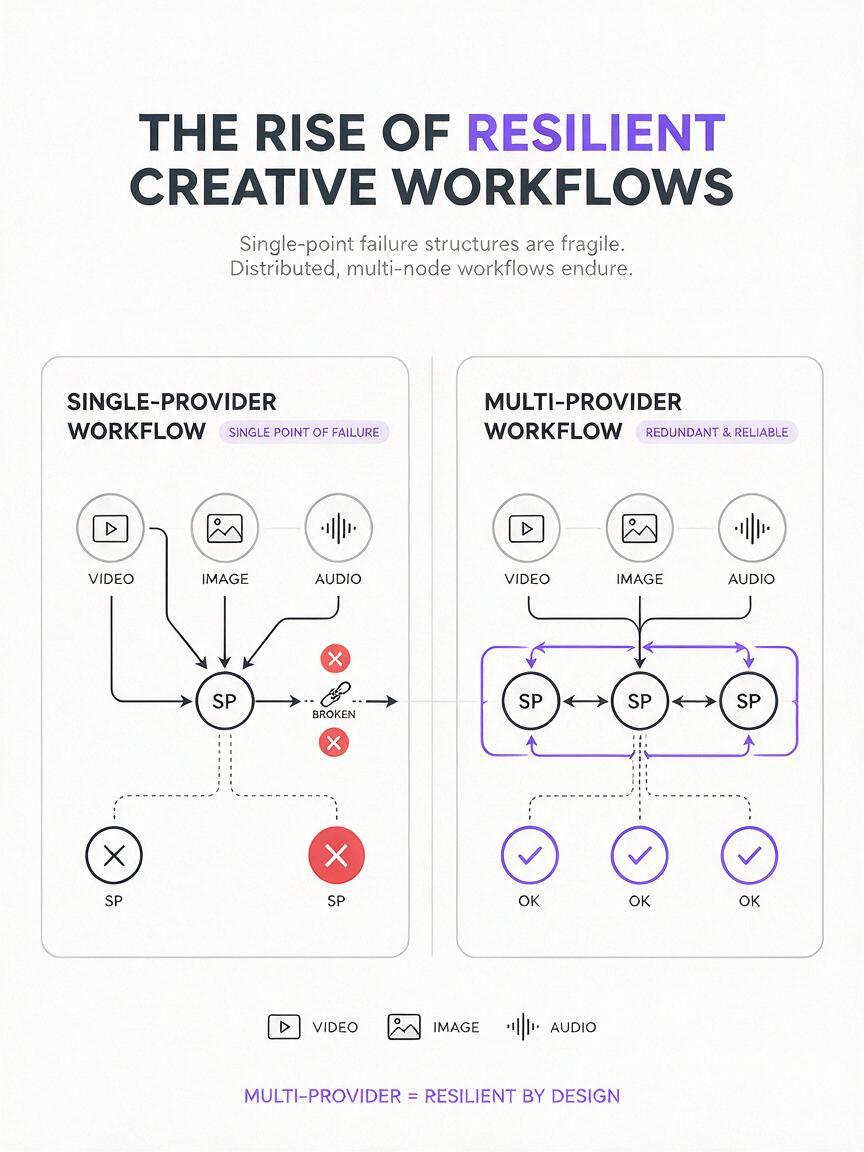
Creators who depend exclusively on one provider’s models face the highest risk of disruption. A regulatory mandate that pauses model development, restricts certain features, or changes data usage policies could delay projects, force workflow overhauls, or increase costs overnight.
Even for creators who don’t use the specific models under investigation, regulatory ripple effects can spread across the industry. New compliance requirements could push all providers to adjust their terms of service, data handling practices, or feature sets, creating a need for adaptable workflows that can pivot quickly between tools and providers.
Building Resilient Workflows With Multi-Model Access
The most effective way to mitigate provider-specific disruption risk is to build flexible, multi-model creative workflows that don’t rely on a single AI provider. Platforms that aggregate multiple AI tools and models under one account give creators the freedom to switch between providers, test different models for specific tasks, and maintain consistent output even if one service undergoes changes.
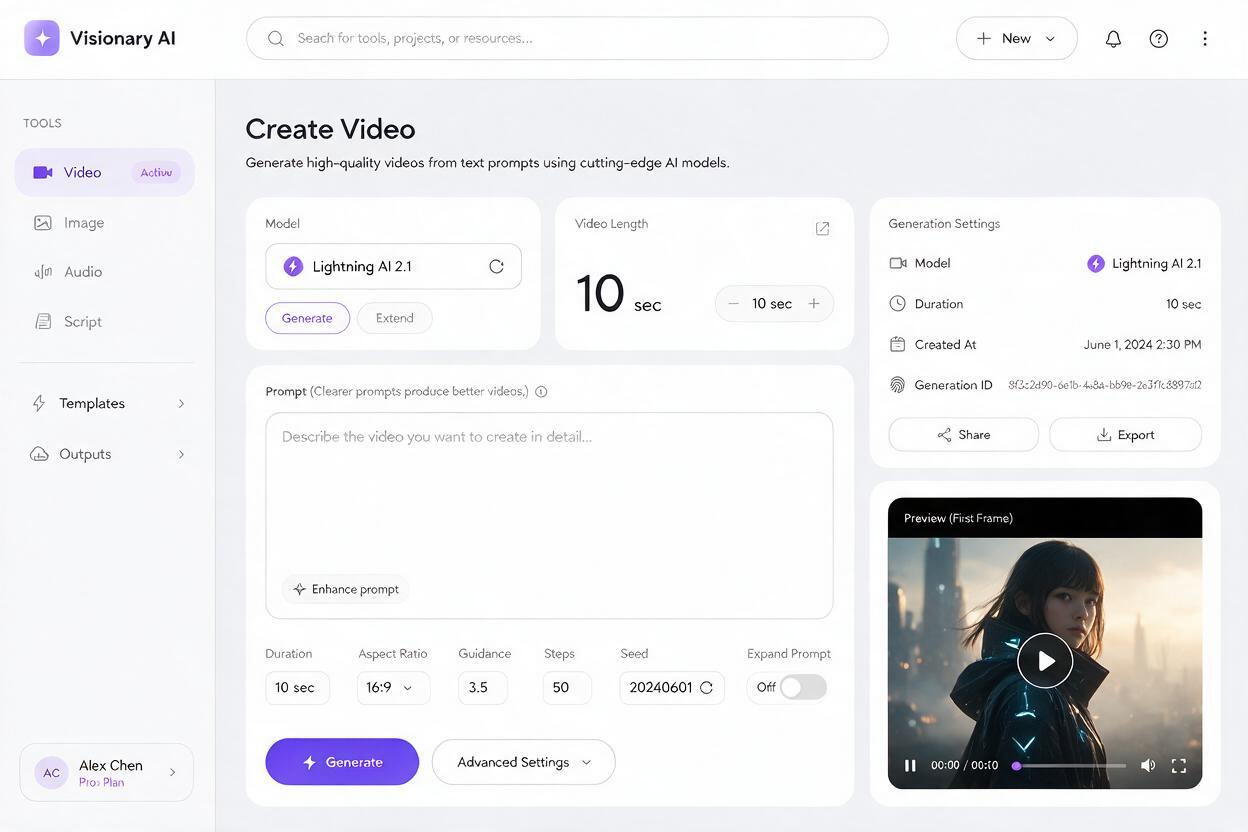
For video and visual content creators, this means having access to a range of tools like ai video generator and text to video capabilities from multiple providers, all through a single interface. This eliminates the need to manage separate accounts, migrate assets between platforms, or rebuild prompts from scratch if a primary tool becomes unavailable.
MagicBoat offers a unified platform for AI content creation, with access to dozens of models and tools across video, image, audio, and script creation. Creators can experiment with different models, compare outputs, and build portable workflows that hold up even as the AI industry and regulatory landscape shift. try these models for free to build a more resilient creative workflow.
Key Takeaways
- The FTC opened a sweeping probe of Anthropic, OpenAI and other AI labs on October 20, 2026, expanding on earlier civil subpoenas issued to the two leading firms.
- The scope and focus of the investigation have not been publicly disclosed, and no wrongdoing has been alleged against any targeted company.
- The probe is part of a broader wave of regulatory action affecting the AI industry, including proposed damage caps and platform-level restrictions on deepfake tools.
- Creators who rely on a single AI provider face the highest risk of workflow disruption from regulatory actions.
- Unified AI platforms like MagicBoat give creators flexible access to a range of tools, from video generation to image creation, under one account.
Keywords
ai news, ai tools, ftc ai probe, openai regulation, anthropic regulation, ai roundup, ai video generator