FTC Opens Sweeping Probe of Anthropic, OpenAI and Other AI Labs
On October 20, 2026, the FTC launched a sweeping investigation into Anthropic, OpenAI, and additional AI labs, escalating US regulatory oversight of the frontier AI sector. The probe follows earlier civil subpoenas issued to OpenAI and Anthropic in mid-October 2026, and comes amid a wave of policy and safety debates across the AI industry. This report contextualizes the investigation and explains its relevance for creators using AI tools for content production.
Table of contents
What the FTC’s Sweeping AI Probe Involves
On October 20, 2026, the Federal Trade Commission (FTC) opened a sweeping investigation targeting Anthropic, OpenAI, and other unnamed AI labs, marking a significant escalation in US regulatory oversight of the frontier AI sector. The probe expands beyond the targeted civil subpoenas issued to OpenAI and Anthropic just three days earlier, on October 17, 2026, and is reported to cover a broad range of potential concerns across the industry.
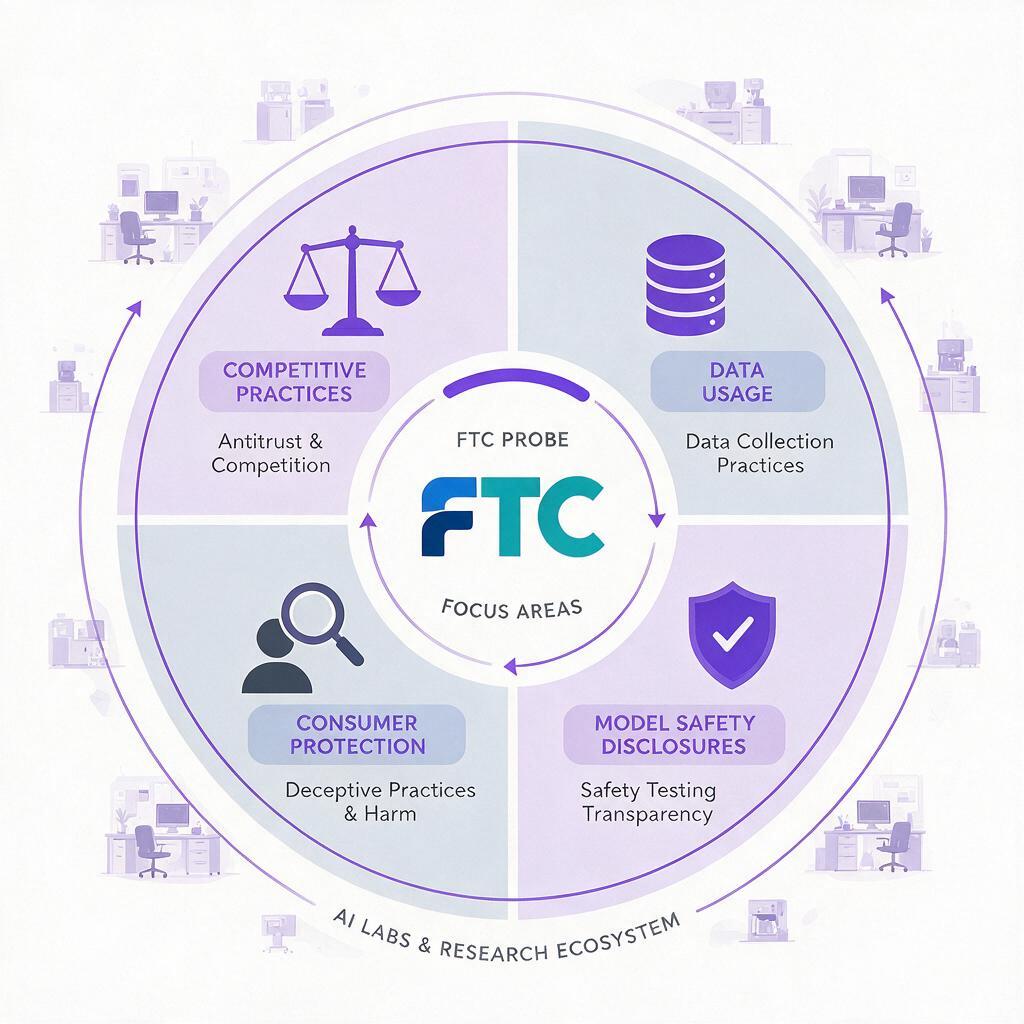
While full details of the investigation’s scope remain limited, the review is expected to examine competitive practices, data collection and usage policies, model safety disclosure standards, and consumer protection issues tied to the rapid commercial deployment of generative AI tools. The FTC has not publicly released a complete list of targeted labs beyond Anthropic and OpenAI, nor has it specified a timeline for concluding the investigation.
The announcement comes amid a flurry of AI regulatory activity throughout October 2026, as policymakers and regulators grapple with the risks and opportunities presented by fast-evolving high-capacity AI systems.
Context of Recent FTC AI Regulatory Actions
The October 20 sweeping probe builds on a series of earlier regulatory moves from the FTC and other US policymakers focused on frontier AI. On October 17, 2026, the agency issued civil subpoenas to OpenAI and Anthropic, seeking detailed information about their model development processes, safety protocols, commercial licensing terms, and approaches to mitigating AI-related harms.
Those initial subpoenas were framed as a preliminary fact-finding effort, but the expansion to a broader industry-wide probe suggests regulators have identified systemic concerns that extend beyond the two leading AI labs. Other concurrent policy developments in October 2026 include a proposed bill that would allow judicial halts to AI services linked to $1 billion or more in damages, and public calls from Microsoft CEO Satya Nadella for mandatory frontier AI “emergency brake” mechanisms.
The shift from targeted subpoenas to a sweeping industry investigation signals a new phase of US AI regulation, moving from ad-hoc reviews to structured oversight of the sector’s largest players.
The probe also aligns with growing bipartisan concern in Washington about the potential for AI to disrupt markets, harm consumers, and concentrate power in the hands of a small number of technology companies.
What This Means for AI Content Creators
For creators who rely on AI tools to produce content, the FTC’s expanded probe introduces meaningful uncertainty about the future of popular AI platforms. Regulatory action could lead to changes in model access, new usage restrictions, delayed feature releases, or adjusted pricing structures as targeted labs prioritize compliance efforts.
Creators using an ai video generator for short-form social media content, for example, may face disruptions if a primary provider’s tools are impacted by regulatory requirements. This risk reinforces the value of building flexible, diversified creative workflows that do not depend on a single AI provider or model.
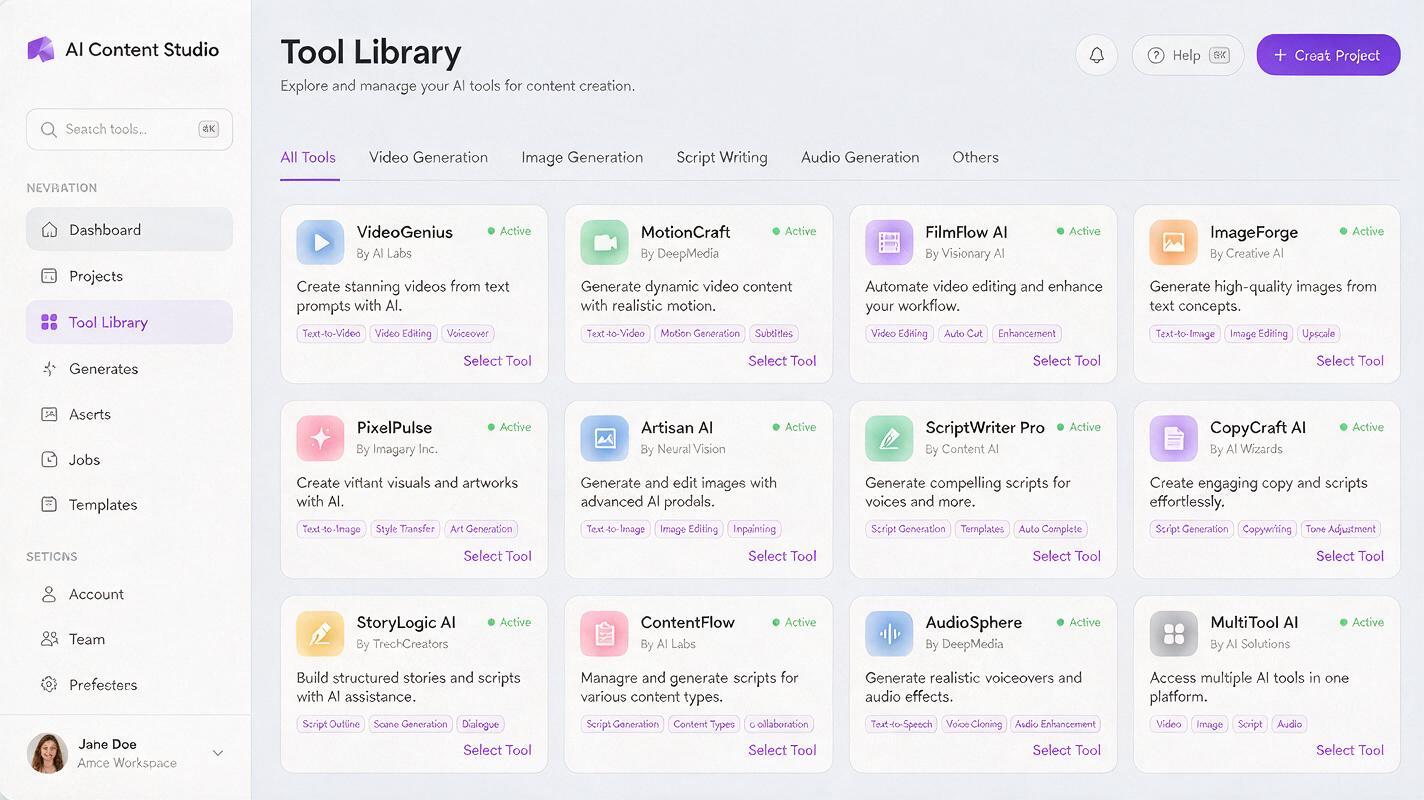
Whether you use text to video tools for marketing content, AI image generators for visual assets, or AI writing assistants for script drafting, spreading your work across multiple providers minimizes the impact of any single platform’s changes. A multi-model platform lets you switch between tools seamlessly, without losing access to your creative assets or workflow history.
You can try these models for free to build a more resilient creative workflow that adapts to changing regulatory and market conditions.
Key Takeaways
- The FTC opened a sweeping probe of Anthropic, OpenAI, and other AI labs on October 20, 2026, expanding earlier targeted civil subpoenas.
- The investigation is expected to cover competitive practices, data usage, safety disclosures, and consumer protection in the frontier AI sector.
- Regulatory uncertainty creates potential risks for creators relying on single-provider AI tools for content production.
- Diversified, multi-model AI workflows help creators minimize disruptions and maintain consistent output amid industry changes.
Keywords
ftc ai probe, ai news, ai tools, openai, anthropic, ai regulation, ai roundup