FTC Opens Sweeping Probe of Anthropic, OpenAI and Other AI Labs
On October 20, 2026, the FTC opened a sweeping, industry-wide probe of leading AI labs including Anthropic and OpenAI, escalating US regulatory scrutiny of frontier AI development beyond earlier October civil subpoenas. The probe introduces uncertainty around model availability, feature rollouts, and pricing for creators who rely on tools from these providers. Multi-model AI platforms like MagicBoat help creators mitigate disruption risk by providing access to a diverse suite of creative tools under one unified account.
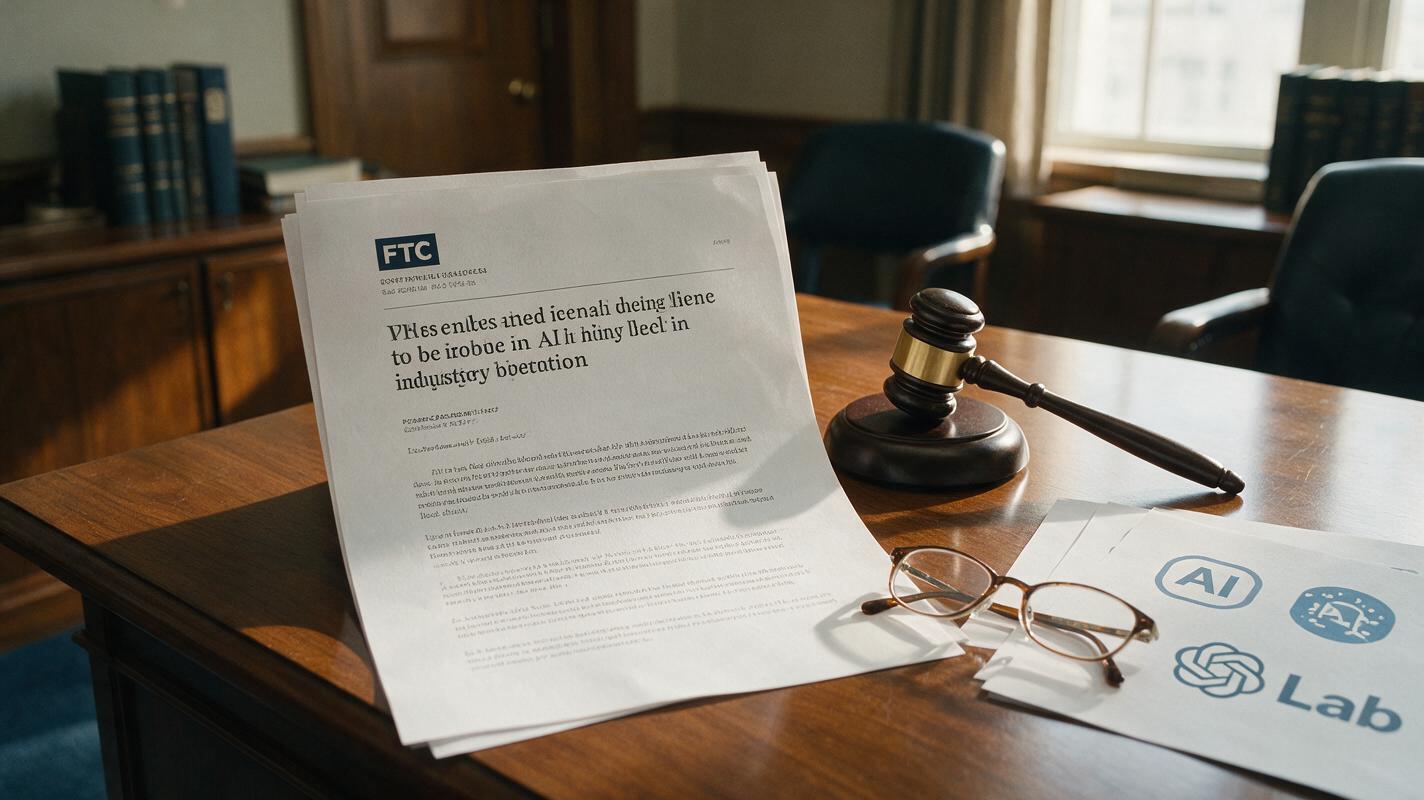
Table of contents
Breaking: FTC Launches Sweeping Probe of Anthropic, OpenAI and Other AI Labs
On October 20, 2026, the Federal Trade Commission opened a sweeping, industry-wide probe of leading AI labs including Anthropic and OpenAI, marking a significant escalation of US regulatory oversight of frontier artificial intelligence development. The probe expands on narrower civil subpoenas issued to both OpenAI and Anthropic earlier in October 2026, broadening the scope of scrutiny to cover a wider set of industry practices and additional AI firms.
As of the initial October 20 announcement, formal details about the probe’s specific focus, requested documentation, enforcement timeline, or potential penalties have not been publicly disclosed. The action follows a months-long buildup of regulatory pressure on major AI providers, including prior investigations into safety practices, competitive conduct, and consumer protection risks associated with rapidly advancing generative AI models.
For AI content creators and production teams that rely on tools from these providers, the probe introduces new uncertainty around long-term model availability, feature rollouts, and pricing structures — making flexible, multi-provider workflows more critical than ever for maintaining consistent output.
How Regulatory Scrutiny Impacts AI Creator Workflows
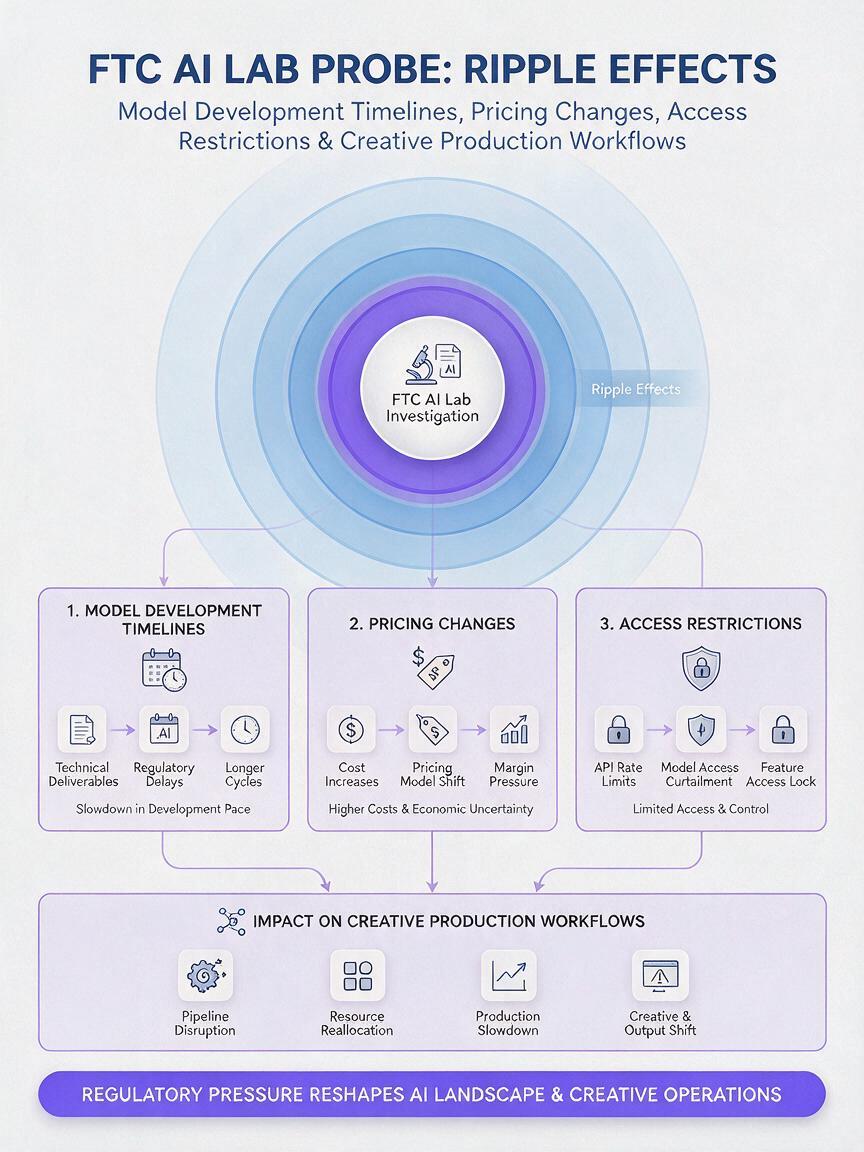
Regulatory actions against major AI labs can ripple through creative production pipelines in several tangible ways, even for creators who do not work directly with AI safety or compliance teams. Frontier model development timelines may slow as providers redirect engineering and legal resources to respond to probe requests, delaying the launch of new features or model updates that creators rely on for faster, higher-quality output.
Pricing and access terms could also shift as providers adjust their business models to align with new regulatory expectations or potential fines. In more extreme scenarios, restricted access to specific model capabilities or temporary service disruptions could leave creators who depend on a single AI provider facing unexpected downtime and missed production deadlines.
These risks are not hypothetical. Earlier in October 2026, Apple banned deepfake generator apps from the App Store, leaving many creators who relied on those mobile tools scrambling for web-based alternatives. Similarly, rapid model retirement cycles — like GitHub Copilot’s October 19 phase-out of six underlying models — have already highlighted how quickly AI tool ecosystems can shift beneath established creative workflows.
Why Multi-Model Platforms Reduce Regulatory Disruption Risk
Creators who build their workflows around a single AI provider face the highest exposure to regulatory or operational disruptions from events like the FTC probe. A multi-model AI platform that aggregates tools from multiple providers under one account creates a natural buffer against single-point-of-failure risks.
With access to a diverse suite of ai video generator tools, including text to video and image-to-video capabilities, text-to-image models, audio generation systems, and scripting assistants from different providers, creators can swap out tools quickly if one service faces delays, price hikes, or access restrictions. This flexibility means production timelines stay on track even when individual providers navigate regulatory challenges.
MagicBoat’s unified platform also eliminates the need to manage separate accounts, billing cycles, and API keys across dozens of AI tools. Instead of spending hours onboarding new tools or troubleshooting access issues during a disruption, creators can focus on producing content and meeting client deadlines.

Key Takeaways for AI Content Creators
- The FTC’s October 20 sweeping probe of Anthropic, OpenAI and other AI labs marks a major escalation of US AI regulatory scrutiny, with potential impacts on model development timelines, pricing, and access for creative professionals.
- Creators relying on single-provider AI workflows face heightened disruption risk as regulatory pressure on major AI labs continues to build through 2026.
- Diversifying creative toolkits across multiple providers via a unified platform reduces downtime risk and preserves production flexibility during industry shifts.
- try these models for free on MagicBoat to build a resilient, multi-model creative workflow that adapts to shifting industry conditions.
Keywords
ftc ai probe, ai news, ai tools, openai safety, anthropic regulation, ai workflow, ai labs