Gemini 4 Launches Native Text to Video: What’s New
Google’s Gemini 4 rolled out native text to video generation on September 30, 2026, as part of a broader update that includes style reference support and expanded image to video capabilities. The release positions Gemini 4 as a direct competitor to Claude Opus 5.5 and GPT-6, with key strengths in visual consistency and multimodal input handling for AI video production. Creators can access Gemini 4’s new tools alongside other leading AI models through the MagicBoat platform.
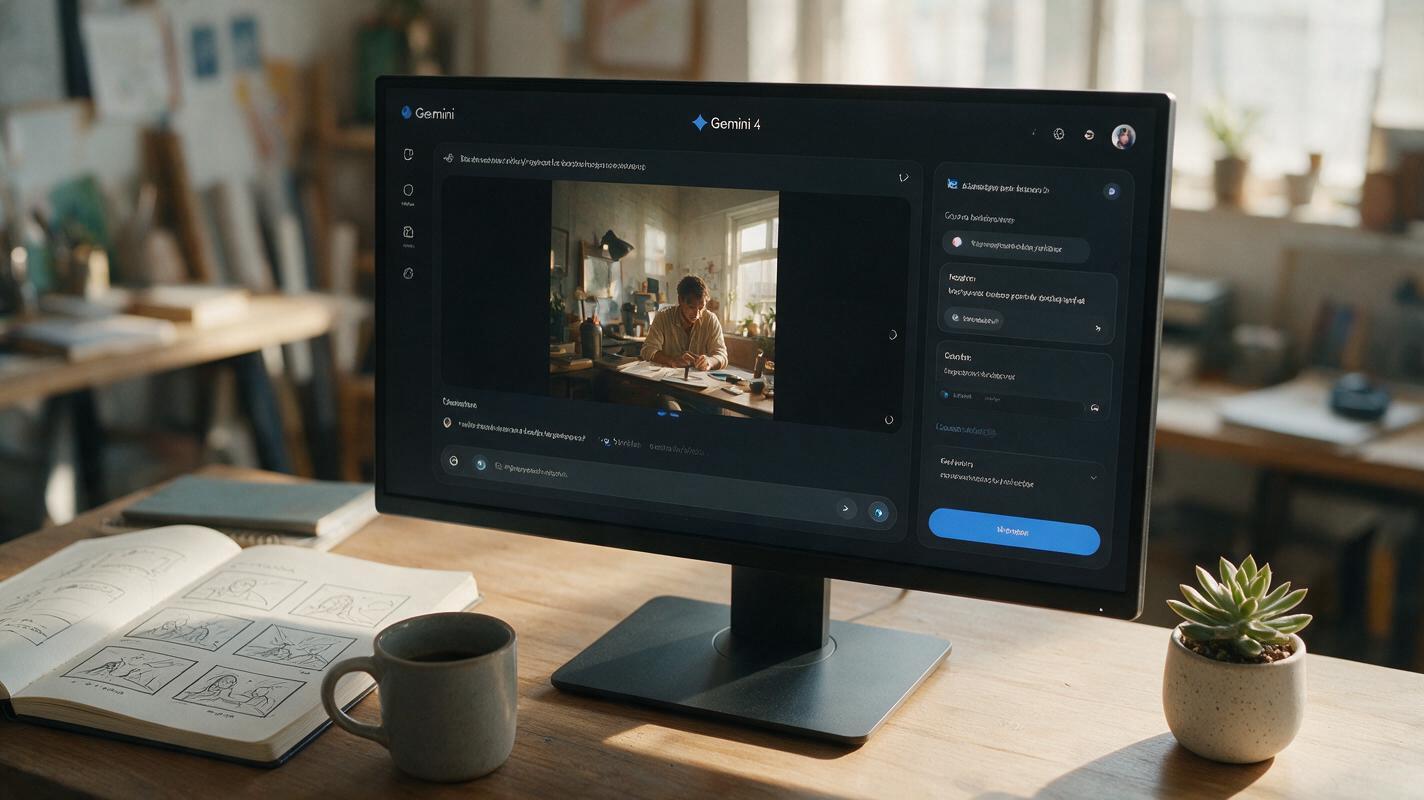
Table of contents
Gemini 4 Rolls Out Native Text to Video Generation
Google’s Gemini 4 now includes native text to video generation as part of a broader September 30, 2026 feature update that also adds AI video style reference support and expanded image to video capabilities. The release eliminates the need for third-party plugins or external rendering tools, allowing users to generate short-form and long-form video clips directly from text prompts within the Gemini 4 ecosystem.
The update positions Gemini 4 as a direct competitor to Claude Opus 5.5 and GPT-6 in the fast-growing AI video model space, marking the first time Google’s flagship model has offered end-to-end video generation natively. Alongside core text to video functionality, the September 30 update brings style reference compatibility to all three leading models, enabling creators to match visual tone, lighting, and art direction from a single reference image.
For AI video producers, the launch adds another high-quality option to an already crowded field, reinforcing the value of multi-model access to avoid downtime and match the right tool to each project’s specific needs.
Key Capabilities of Gemini 4’s Video Update
The September 30 update brings three core video-focused features to Gemini 4, all designed to streamline end-to-end AI video production without relying on external tools.
Native Text to Video Generation
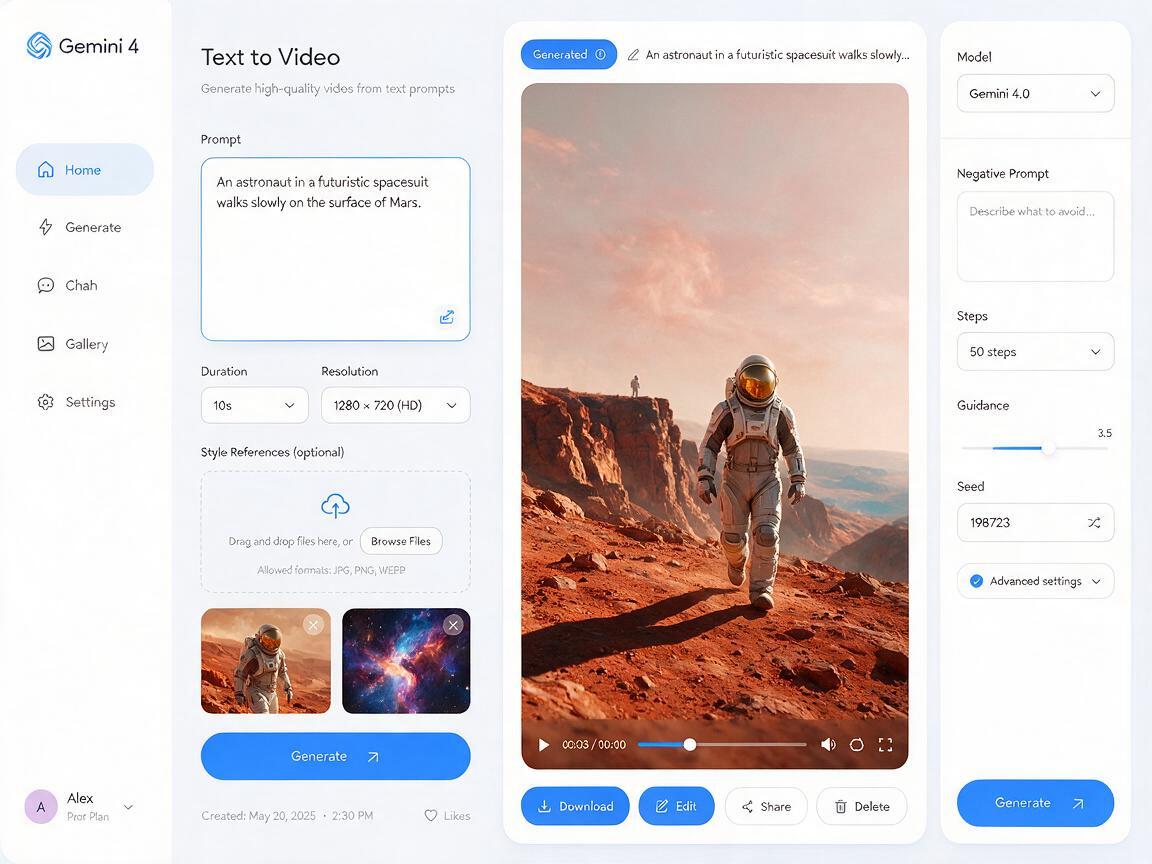
Gemini 4’s native text to video tool generates video clips directly from natural language prompts, with support for detailed scene descriptions, character actions, camera movements, and environmental details. The model handles both short social media clips and longer narrative sequences, with built-in continuity features to maintain consistency across extended runs.
Unlike earlier workarounds that required chaining multiple tools or exporting assets between platforms, native generation means users can iterate on prompts, adjust settings, and preview renders all within the same Gemini 4 interface.
Style Reference Support
Alongside text to video, Gemini 4 now supports AI video style reference inputs, a feature rolled out simultaneously across Claude Opus 5.5, GPT-6, and Gemini 4 on September 30. Users can upload a single reference image—such as a frame from a film, a piece of concept art, or a previous brand asset—and the model will match its visual style, color palette, lighting, and texture to the generated video.
This feature is particularly valuable for brand consistency, allowing teams to maintain a unified visual identity across all AI-generated content without manually adjusting prompt parameters for every clip.
Expanded Image to Video Capabilities
The update also expands Gemini 4’s image to video functionality, which animates static images into short video clips with natural motion, camera movement, and environmental effects. Users can upload a single image and add text prompts to guide the animation, such as specifying camera pans, character movements, or weather effects.
Image to video support makes it easier to turn concept art, storyboard frames, or existing brand imagery into polished video content, reducing the need for manual animation work or 3D modeling.
How Gemini 4 Stacks Up to Claude Opus 5.5 and GPT-6
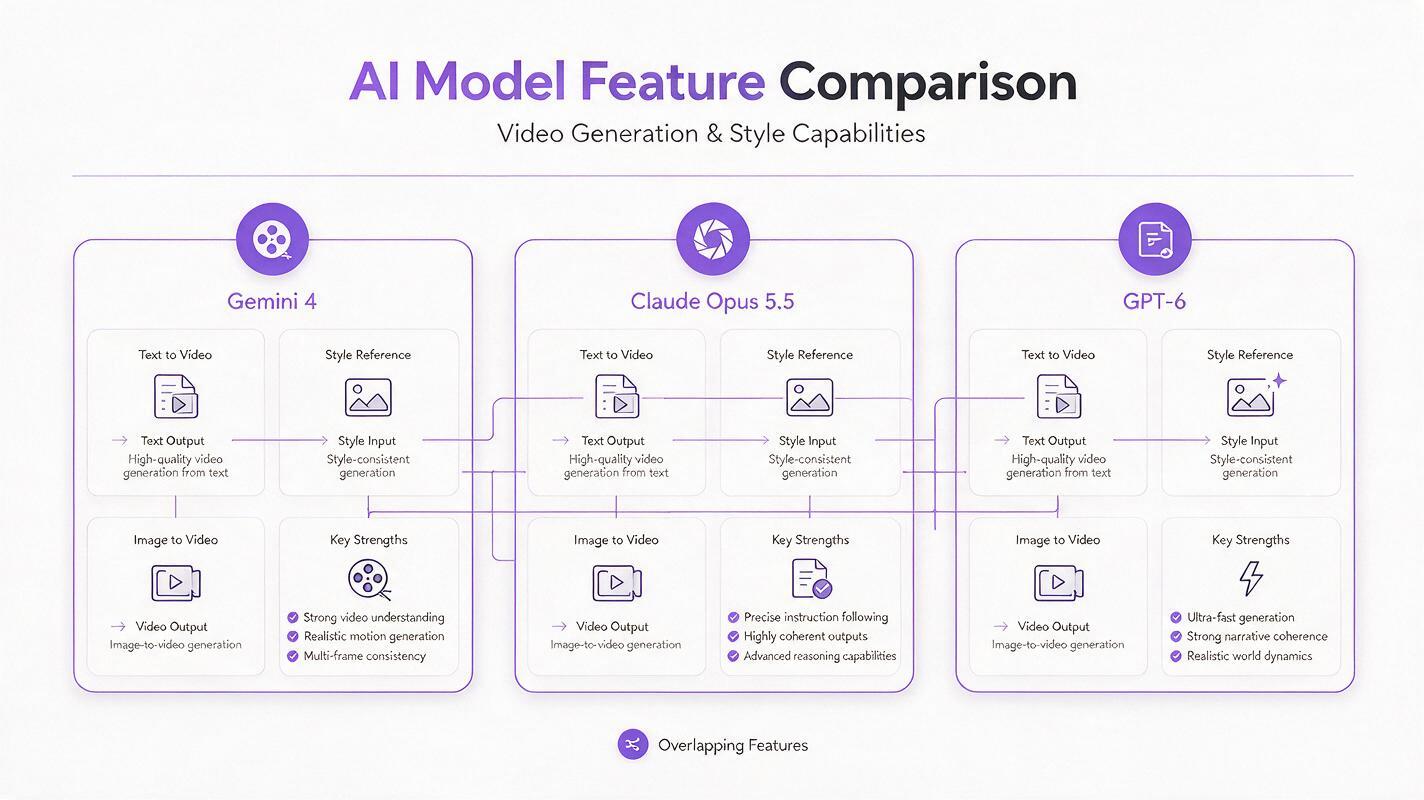
With Gemini 4’s native text to video launch, the three leading flagship AI models now all offer end-to-end video generation capabilities, each with distinct strengths and use cases. The table below breaks down core video features across all three models, based on the September 30, 2026 updates.
| Feature | Gemini 4 | Claude Opus 5.5 | GPT-6 |
|---|---|---|---|
| Native Text to Video | Yes (Sept 2026 update) | Yes (Sept 2026 update) | Yes |
| Style Reference Support | Yes (Sept 2026 update) | Yes (Sept 2026 update) | Yes (Sept 2026 update) |
| Image to Video Support | Yes (expanded Sept 2026) | Yes | Yes |
| Key Strength for Video | Visual consistency, multimodal context | Narrative coherence, prompt following | Structured video planning, workflow integration |
Gemini 4’s biggest differentiator lies in its multimodal context handling, which allows it to process and combine text, images, and video inputs more seamlessly than many competing models. This makes it a strong choice for projects that involve mixing existing assets with generated content, such as animating storyboards or extending existing video clips.
Claude Opus 5.5, by contrast, excels at narrative coherence and following complex, multi-part prompts, making it ideal for long-form story-driven content. GPT-6’s core strength is its structured video planning tools, which help creators break down large projects into shot lists, scene descriptions, and continuity guides before generation begins.
What This Means for AI Video Production Workflows
The launch of Gemini 4’s native text to video tool comes at a time of rapid change in the AI video space, with frequent updates, new model releases, and occasional service disruptions—such as the recent OpenAI safety freeze that temporarily impacted GPT-6 access for many users.
For professional and hobbyist creators alike, this growing list of capable models brings two key benefits. First, increased competition drives faster feature development and better output quality, as each model provider iterates to stay ahead of the pack. Second, having multiple high-quality options reduces the risk of workflow disruption if one model experiences downtime, rate limits, or policy changes.
However, managing access to multiple models can create its own challenges: tracking separate subscriptions, learning different prompt structures, and moving assets between platforms can eat into production time. This is where multi-model platforms add significant value, by centralizing access to all leading AI video tools in a single, unified interface.
Accessing Gemini 4’s Video Tools on MagicBoat
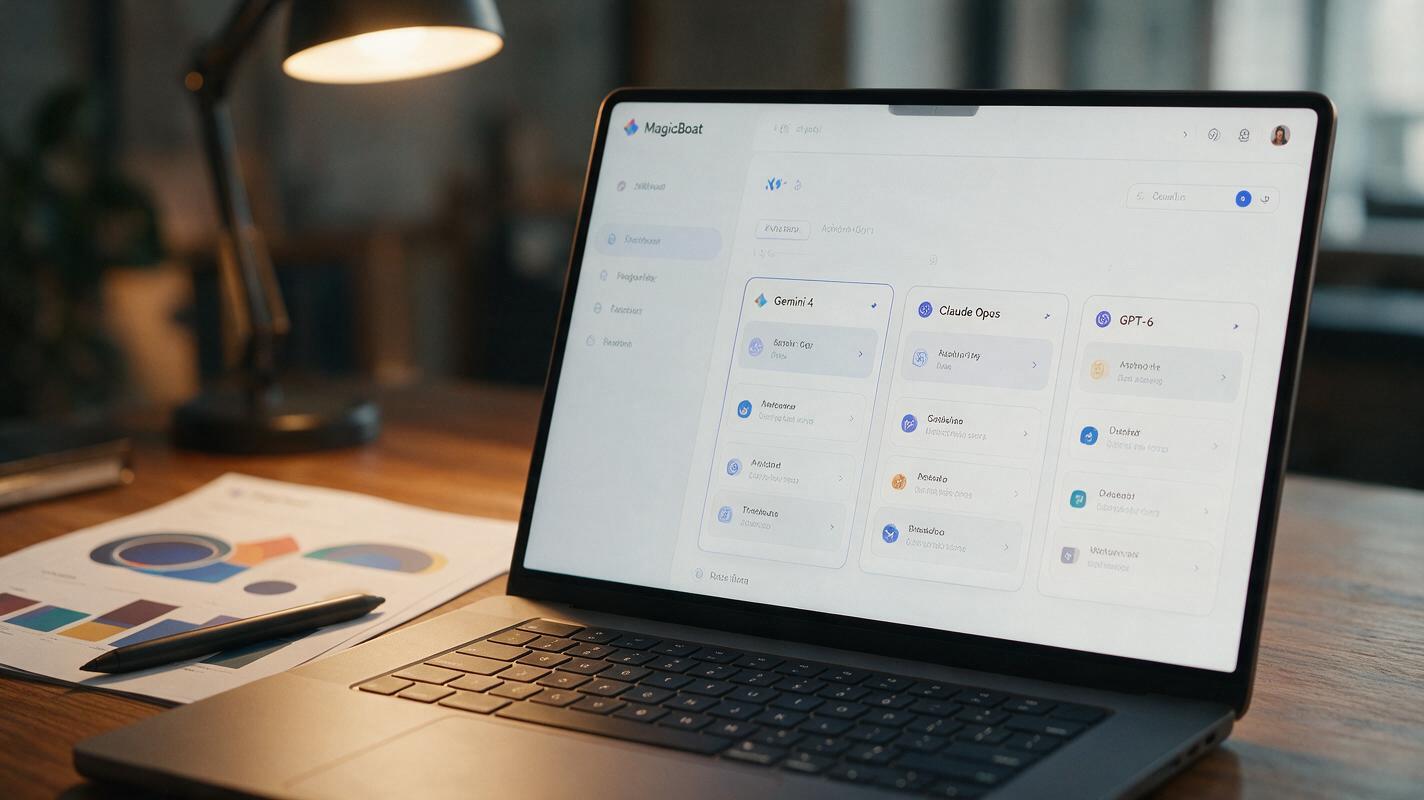
MagicBoat is a multi-model AI creation platform that gives users access to Gemini 4, Claude Opus 5.5, GPT-6, and dozens of other leading AI tools—all with a single account and a unified interface. The platform supports text to video generation, image to video animation, style reference control, and a range of free AI tools to help creators test, iterate, and optimize their workflows.
With MagicBoat, you can run side-by-side tests of Gemini 4, Claude Opus, and GPT-6 using the same prompt and reference assets to see which model delivers the best results for your specific project. You can also mix and match models across different stages of your workflow: for example, using GPT-6 to plan your shot list, Gemini 4 to generate initial clips, and Claude Opus to refine narrative continuity across scenes.
The platform also includes built-in version control, asset management, and collaboration tools to help teams streamline their AI video production process without juggling multiple subscriptions or platforms.
Try MagicBoat today to explore Gemini 4’s new native text to video tools and compare them to other leading AI video models—no long-term commitment required.
Key Takeaways
- Gemini 4 launched native text to video generation on September 30, 2026, as part of a broader update that also includes style reference support and expanded image to video capabilities.
- The release makes Gemini 4 a direct competitor to Claude Opus 5.5 and GPT-6, with particular strengths in visual consistency and multimodal input handling.
- With three leading AI video models now offering native generation, multi-model access is increasingly critical to avoid downtime and match the right tool to each project.
- MagicBoat provides centralized access to Gemini 4, Claude Opus, GPT-6, and other AI video tools, making it easy to test and compare models across your workflow.
Keywords
gemini 4, text to video, ai video model, claude opus, gpt-6, image to video, free ai tools