Gitea 28.2 Ships With Fixes for 9 Security Vulnerabilities
Gitea 28.2 shipped on October 18 with fixes for nine security vulnerabilities, including several described as remotely exploitable. The release highlights why secure development infrastructure, careful verification and portable AI production workflows matter to teams publishing content at speed.

Table of contents
Gitea 28.2 Addresses Nine Security Vulnerabilities
Gitea 28.2 has shipped with fixes for nine security vulnerabilities, including several issues described as remotely exploitable.
The security-focused release was reported on October 18. Its defining facts are the version number, the total of nine vulnerabilities fixed and the warning that several of those vulnerabilities could be exploited remotely. That combination makes the update relevant to organizations that rely on Gitea as part of their development infrastructure.
The available report does not identify every affected component, assign individual severity ratings or describe exploitation methods. Those details should not be inferred. What is clear is that Gitea 28.2 is a consequential maintenance release rather than a routine feature announcement: it directly addresses multiple security weaknesses, some of which may be reachable without local access.
For content teams, the story extends beyond software administration. Source repositories can hold scripts, prompts, configuration files, publishing templates and automation logic. A security event affecting that infrastructure can therefore interrupt an AI workflow even when the creative models themselves remain available.
Why Remote Exploitability Changes the Risk Discussion
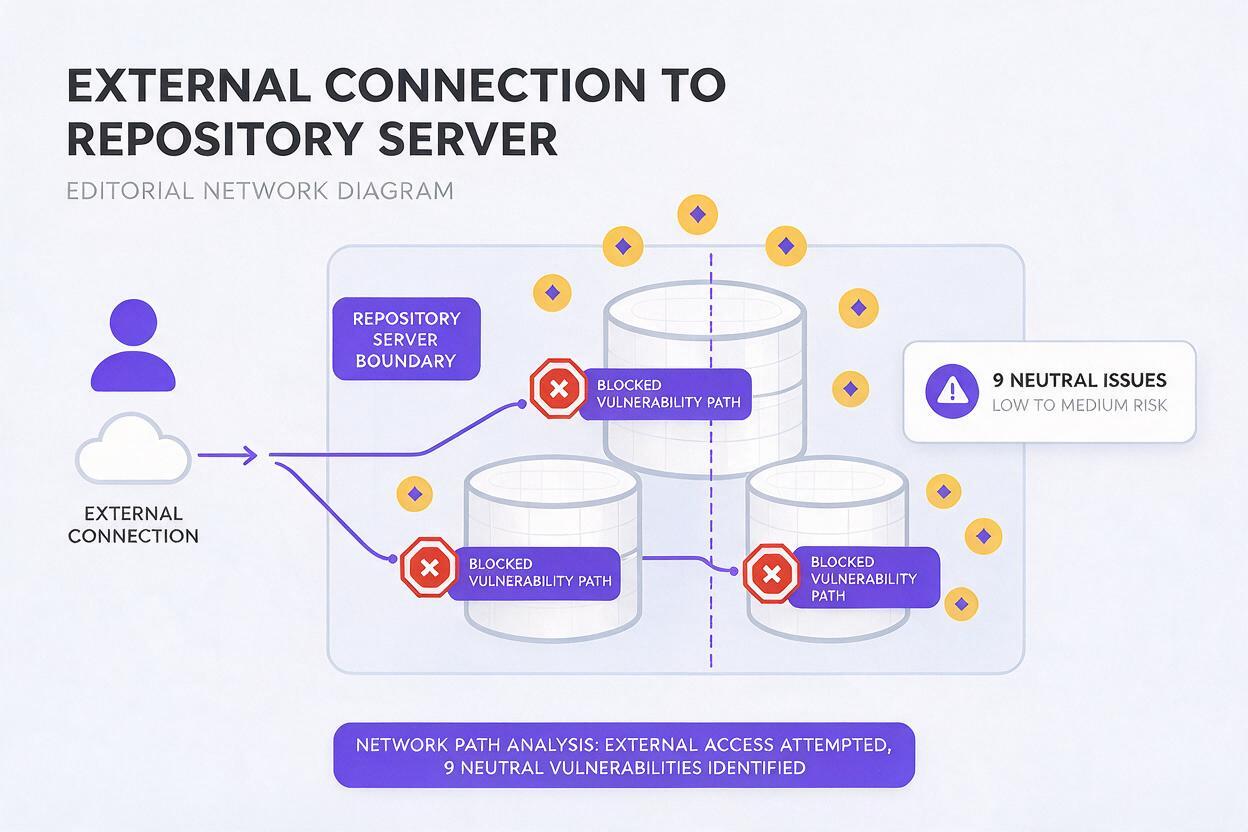
A vulnerability described as remotely exploitable deserves attention because exposure may not depend on someone having physical access to a machine. The report says several of the nine issues fall into this category, although it does not provide enough information to characterize their individual attack paths.
That distinction matters when teams assess operational urgency. A locally limited flaw and a remotely reachable weakness do not necessarily create the same exposure. Administrators still need verified release information and an inventory of affected systems before making conclusions about their own environments.
The responsible takeaway is narrow but important: Gitea 28.2 fixes nine vulnerabilities, several are remotely exploitable, and teams using Gitea should evaluate the release against their deployments.
This is also a reminder that software-version reporting requires precision. “Nine vulnerabilities fixed” does not mean nine confirmed attacks, and “remotely exploitable” does not establish that every installation was compromised. Keeping remediation facts separate from unsupported incident claims produces more useful security coverage.
Development Infrastructure Is Part of the Content Supply Chain
Modern publishing often depends on more than a document editor. Teams may store reusable prompts, campaign copy, scripts, asset metadata and automation configurations alongside software projects. Repositories can also support an AI assistant or ai agent that passes approved material between planning, production and publishing systems.
This makes repository security part of the content supply chain. If a development platform becomes unavailable during maintenance or incident response, the impact may reach editorial calendars, video production and distribution automation. The creative work can remain intact while the systems coordinating it become harder to use.
A resilient operation separates durable creative inputs from one deployment. Teams can maintain controlled copies of essential briefs and templates, document which automations depend on repository access, and distinguish source material from generated assets. These practices do not replace the security fixes in Gitea 28.2; they reduce workflow fragility while administrators handle platform maintenance.
| Operational area | Potential dependency | Continuity focus |
|---|---|---|
| Editorial planning | Briefs and reusable prompts | Maintain controlled access to approved source material |
| AI automation | Scripts and configuration files | Document dependencies and human approval points |
| Video production | Storyboards and asset metadata | Keep production inputs portable |
| Publishing | Templates and integration logic | Preserve a reviewed manual fallback |

What the Release Means for AI Production Teams
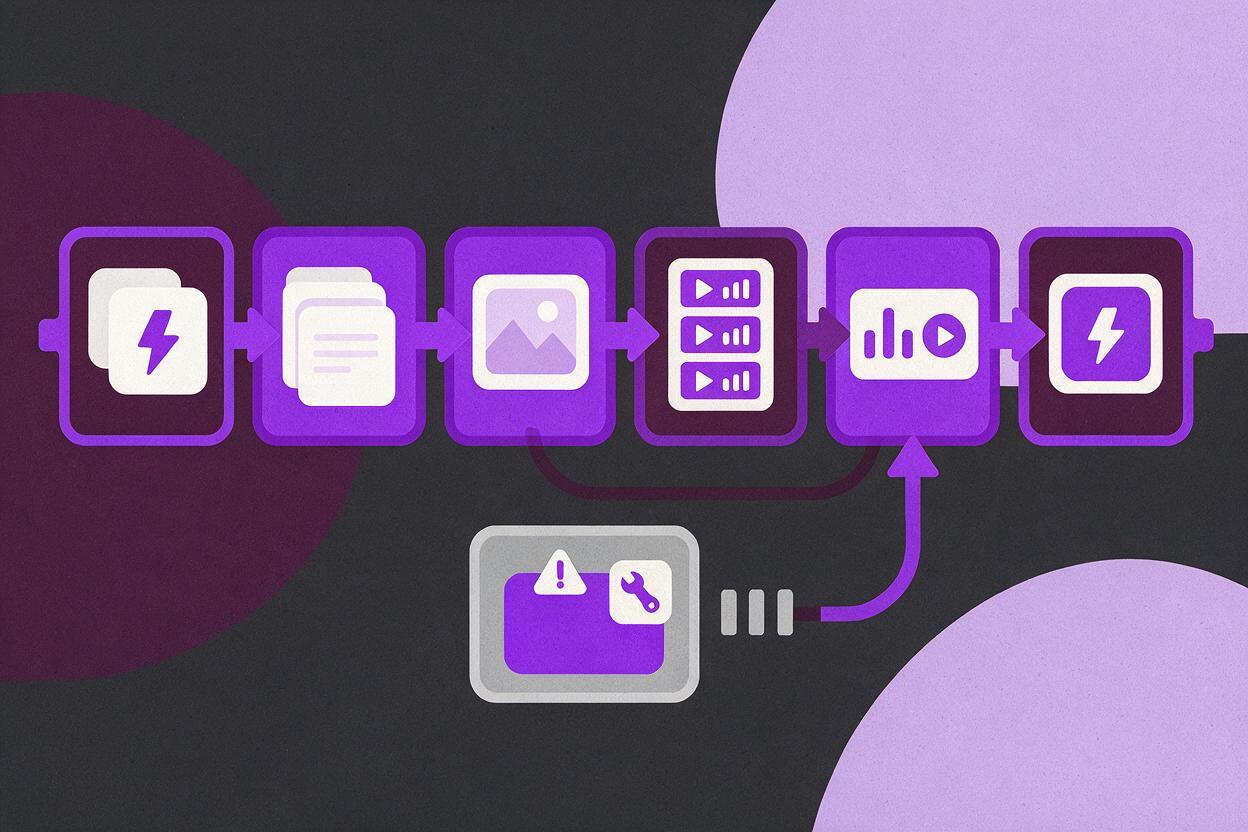
The Gitea 28.2 news illustrates an important separation: model availability and infrastructure availability are different concerns. A team might still have access to generative AI while temporarily losing the repository scripts or configurations used to coordinate an ai video workflow.
Creative operations benefit from treating models, source control and publishing tools as connected but replaceable layers. Prompts should remain understandable outside a single automation. Storyboards should be exportable. Generated media should not exist only inside a transient process. Human reviewers should know where approved versions are stored.
During a security update, this modular approach allows creative work to continue without bypassing administrative controls. A team can develop copy, images and video concepts while repository owners assess Gitea 28.2 and apply the organization’s established change-management process.
MagicBoat supports this portable production approach by bringing creative capabilities into one account. Teams can move from an ai script generator to an ai video generator without making a self-hosted repository the only place where creative work can begin.
Accuracy Matters When Covering Security Releases
Fast-moving security stories are especially vulnerable to exaggeration. The known facts in this case support a direct headline: Gitea 28.2 fixes nine vulnerabilities, and several are remotely exploitable. They do not support claims about named attackers, active exploitation, affected organizations or stolen data.
An editorial team using AI automation should preserve those boundaries in every output format. A short social post, narration script and visual card should all retain the same core facts. If later reporting adds technical details, the content can be revised without contradicting an earlier, more speculative version.
A concise fact-control prompt can help reviewers keep generated copy within the evidence:
Write a security release brief using only these confirmed facts:
Gitea 28.2 shipped on October 18.
It fixes nine security vulnerabilities.
Several vulnerabilities are remotely exploitable.
Do not infer attacks, victims, severity ratings or affected components.
This type of constraint is useful for drafting, but human review remains essential before publication. Security language should be checked for unsupported certainty, especially when one phrase can change a maintenance story into an unverified breach claim.
Portable Creation Without Ignoring Platform Security
A multi-model creative platform is not a substitute for repository patching, access control or infrastructure oversight. Its value is continuity at the creative layer. When a development service requires attention, teams can continue shaping approved concepts and assets without weakening the controls around the affected system.
That separation helps organizations avoid two unhelpful extremes: stopping every creative activity because one infrastructure component needs maintenance, or ignoring a security release because production deadlines are approaching. Secure operations and productive content work can proceed in parallel when responsibilities and dependencies are clear.
Gitea 28.2 is therefore both a software security update and a useful operational signal. Nine fixed vulnerabilities, including several remotely exploitable issues, are enough reason for Gitea users to review the release carefully. They are also a reminder to build content systems that can absorb maintenance without losing creative momentum.
Key Takeaways
- Gitea 28.2 shipped on October 18 as a security-focused release.
- The release fixes nine security vulnerabilities.
- Several of the fixed vulnerabilities are described as remotely exploitable.
- The report does not establish active attacks, named victims or specific affected components.
- Repositories can be part of the AI content supply chain when they store prompts, scripts and automation configurations.
- Portable creative inputs can reduce disruption while administrators address infrastructure security.
Keep the Creative Workflow Moving
Build scripts, visuals and production-ready concepts in a flexible environment while your technical team protects the systems behind them. Explore MagicBoat and try these models for free.
Keywords
gitea 28.2, gitea security, security vulnerabilities, remotely exploitable, ai workflow, ai automation, ai video workflow