Gitea 28.2 Ships With Fixes for 9 Security Vulnerabilities
Gitea 28.2 shipped on October 18 with fixes for nine security vulnerabilities, including several remotely exploitable issues. The release is a timely reminder that AI content operations depend on the security and reliability of every platform connected to their production workflow.
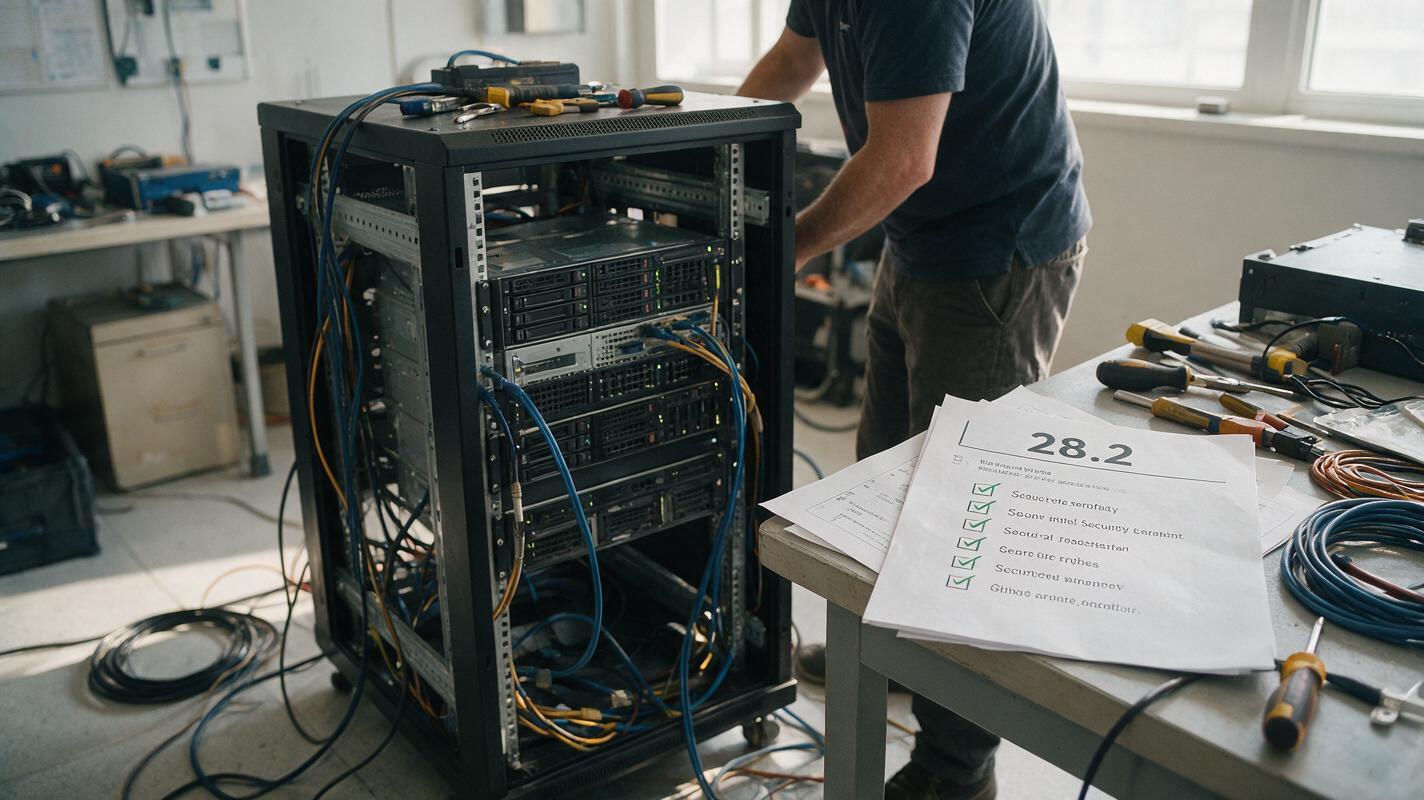
Table of contents
Gitea 28.2 Addresses Nine Security Vulnerabilities
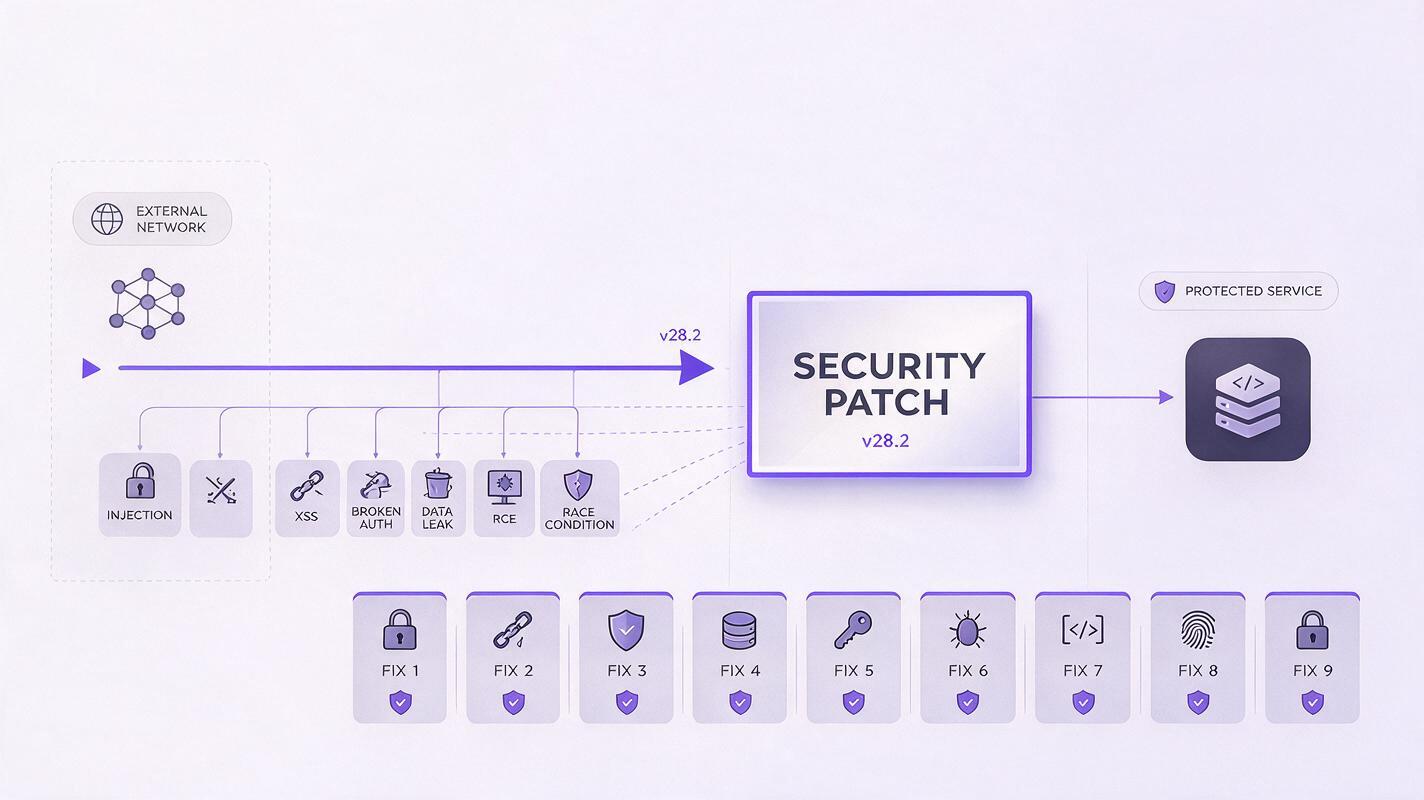
Gitea 28.2 shipped on October 18 with fixes for nine security vulnerabilities, including several issues described as remotely exploitable. That combination makes this more than an ordinary maintenance release: remote exploitation can expose a deployment to risk without requiring the attacker to have direct physical access to the affected system.
The disclosed headline does not provide individual vulnerability identifiers, severity scores or exploit details, so those specifics should not be inferred. What is confirmed is that the new Gitea release fixes nine vulnerabilities and that multiple issues fall into the remotely exploitable category.
For teams producing AI-assisted media, the relevance extends beyond software development. An AI workflow may connect scripts, prompts, automation files, production notes and publishing assets across several services. The reliability of the entire operation therefore depends partly on the security of every connected platform.
A creative pipeline is only as dependable as the systems storing its instructions, files and automation logic.
Why Remotely Exploitable Issues Deserve Prompt Attention
The phrase remotely exploitable is the most consequential part of the Gitea 28.2 announcement. It indicates that several of the corrected vulnerabilities could potentially be targeted over a network rather than only through local access.
The available report does not say that every Gitea installation was compromised, nor does it establish that all nine vulnerabilities were actively exploited. The evidence-bounded conclusion is narrower: Gitea 28.2 contains nine security fixes, and several address remotely exploitable weaknesses.
That distinction matters when communicating security news. Exaggerating a patch into a confirmed breach can create unnecessary alarm, while minimizing remotely exploitable flaws can leave teams slow to respond. Responsible coverage should preserve the line between a documented vulnerability, an available fix and evidence of active exploitation.
| Confirmed information | Not established by the report |
|---|---|
| Gitea 28.2 has shipped | That every deployment is affected in the same way |
| The release fixes nine security vulnerabilities | Individual severity scores or vulnerability identifiers |
| Several issues are remotely exploitable | That all nine issues allow remote exploitation |
| The fixes are included in version 28.2 | That a specific organization has been breached |
What the Release Means for AI Content Operations
Modern content production often includes more than a single AI assistant. A team may maintain reusable prompts, scripts, configuration files, editorial templates and automation instructions alongside the visual and audio assets being produced. If any platform in that chain becomes unreliable, the disruption can spread through the wider production schedule.
This is particularly important when an ai agent or ai automation process can interact with stored project material. Automation increases speed, but it can also increase the number of connections that teams must understand and govern. A secure workflow therefore needs both capable creation tools and disciplined control over the surrounding infrastructure.
Gitea 28.2 also illustrates why platform maintenance belongs in production planning rather than being treated as a separate technical concern. Patch review, access review and continuity planning all affect whether a campaign can move from an idea to a finished asset without avoidable interruption.
Separate confirmed facts from production assumptions
Creative teams frequently turn breaking technology news into social posts, videos or explainers. The safest editorial approach is to record only the verified claims before drafting the story. For this release, the factual brief can remain compact:
Release: Gitea 28.2
Security fixes: 9 vulnerabilities
Remote risk: several issues described as remotely exploitable
Unconfirmed: severity scores, exploit identifiers and affected organizations
This type of concise source brief gives an AI assistant less room to transform an incomplete report into unsupported technical detail. It also makes review easier because every statement can be compared with the original material.
Building a More Resilient AI Workflow
The Gitea news highlights two forms of resilience. The first is infrastructure resilience: teams need to keep connected systems current and review security releases that may affect production. The second is creative resilience: teams should avoid making their entire output dependent on one model, one local machine or one fragile chain of tools.
MagicBoat supports the creative side of that equation by bringing multiple creation capabilities into one account. A production team can move from planning into an ai script generator, then develop visual material with an ai video generator without constructing a separate integration for every stage.
This does not replace security maintenance for external systems. It does, however, reduce unnecessary workflow fragmentation and gives creators a clearer place to manage the content-generation portion of a project. Fewer disconnected production paths can make it easier to understand where assets are created, reviewed and handed off.
Keep sensitive operational details out of prompts
Security-conscious content production also requires careful input handling. Prompts used for scripts, summaries or visual concepts should not contain credentials, private access details or secrets copied from operational systems. An AI video workflow rarely needs that information to produce a useful result.
Teams can instead provide bounded creative context: the audience, format, tone, verified facts and required output. This keeps the AI focused on the communication task while limiting the amount of unrelated operational material entering the creative process.

Turning Security News Into Accurate Visual Content
A security release can be difficult to illustrate without resorting to misleading imagery. Because the report concerns fixed vulnerabilities rather than a confirmed attack on a named organization, visuals should focus on maintenance, release verification and workflow dependencies—not invented breach screens or dramatic attacker scenes.
A short news video could present the confirmed facts first, explain why remotely exploitable issues receive attention and then connect platform maintenance to broader production reliability. The story should not assign undocumented severity levels or claim that data was stolen.
The same principle applies to headlines and thumbnails. “Gitea 28.2 fixes nine vulnerabilities” is supported. A claim that Gitea suffered a mass breach would not be supported by the supplied facts.

Why Multi-Model Access Matters During Platform Changes
Security patches, service changes and model availability can all affect production timing. A stable multi-model environment gives creators more flexibility when one part of an AI workflow is unavailable or unsuitable for a particular format. It also allows teams to evaluate outputs without rebuilding the entire project around another collection of disconnected tools.
MagicBoat provides a practical environment for developing scripts, images and video assets while keeping the creative process together. Teams responding to fast-moving technology stories can try these models for free and choose the capability that fits the current deliverable.
The lesson from Gitea 28.2 is not that every creative team must become a security laboratory. It is that content operations and technical reliability are now closely connected. Verified reporting, maintained platforms and flexible creative tools all contribute to a workflow that can keep publishing without sacrificing accuracy.
Final Checklist
- Record the confirmed release facts: Gitea 28.2 fixes nine vulnerabilities, including several remotely exploitable issues.
- Avoid unsupported claims: do not invent severity scores, identifiers, affected organizations or confirmed breaches.
- Review connected systems: identify where scripts, prompts, templates and automation files are stored.
- Keep secrets out of creative prompts: provide only the context required for the intended output.
- Plan for continuity: use a flexible creation environment rather than relying on a single fragile production path.
- Match visuals to the evidence: depict maintenance and workflow risk, not an undocumented cyberattack.
Keywords
gitea 28.2, gitea security, security vulnerabilities, remote exploitation, ai workflow, ai automation, ai content creation