GitHub Copilot Retires 6 Models, Auto-Switches to Newer GPT/Gemini/Grok Versions
GitHub Copilot retired six underlying AI models effective October 19, 2026, auto-switching Enterprise and Business plan users to newer replacements including GPT-5.6 Sol, GPT-5.6 Luna, Gemini 3.8 Flash, and Grok 4.6. The change affects AI video and image creators who rely on Copilot for coding custom workflow automation, with potential shifts in code quality and script behavior. Multi-model creative platforms like MagicBoat help mitigate disruption by centralizing access to diverse AI tools and model versions.
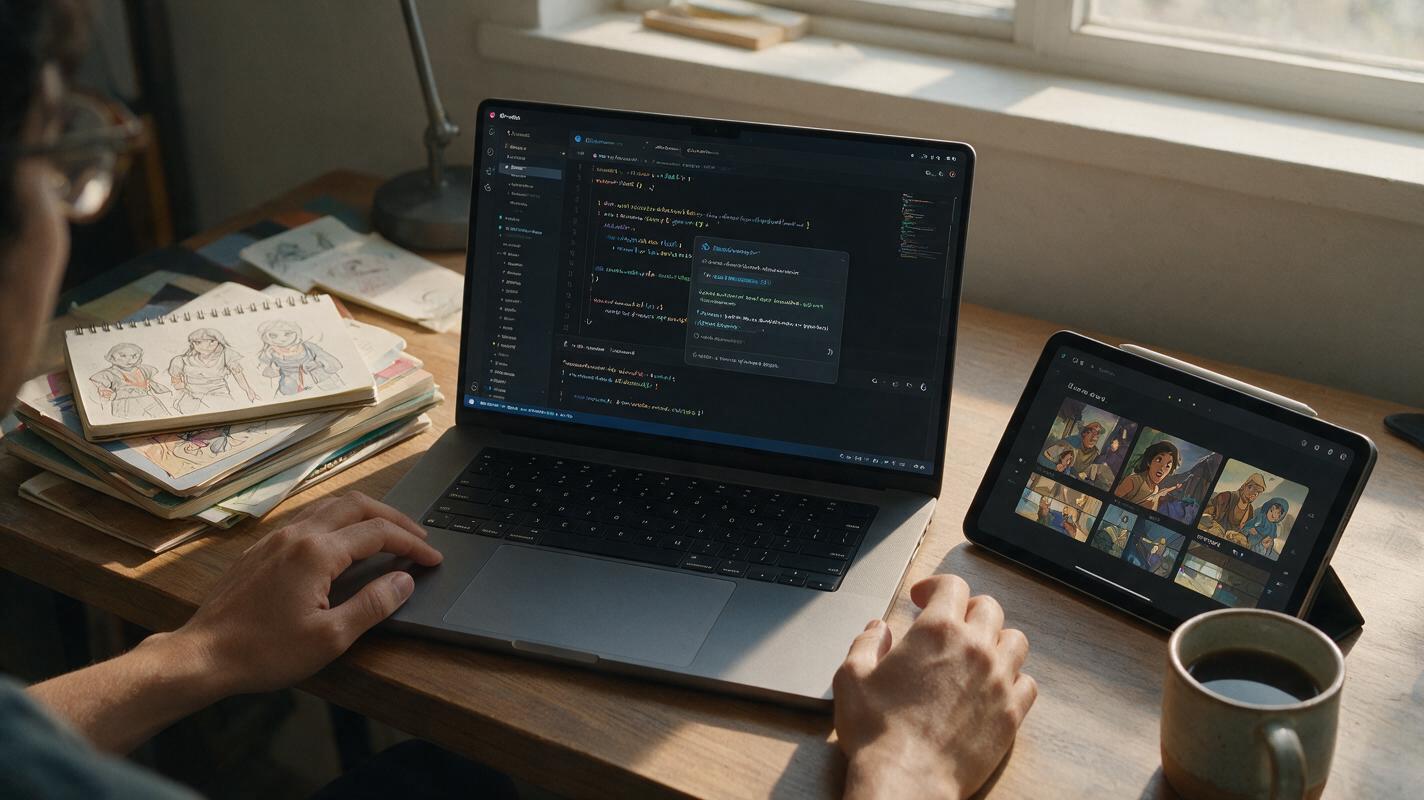
Table of contents
GitHub Copilot’s quiet retirement of six underlying AI models in mid-October 2026 is sending ripples beyond coding circles, hitting AI video and image creators who rely on the tool to build custom creative workflows.
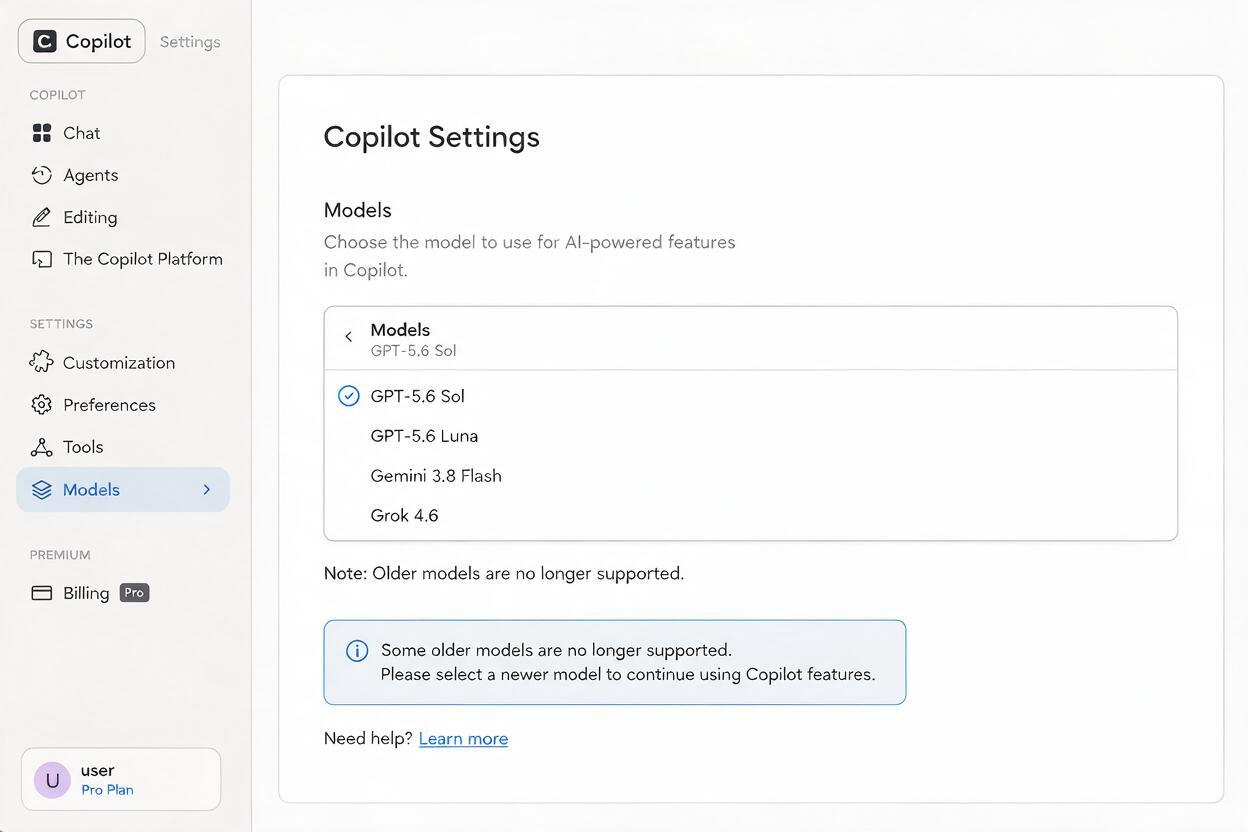
Effective October 19, 2026, GitHub has phased out six models that previously powered Copilot’s code suggestions and chat features, with automatic replacements rolling out to eligible plan users. The shift affects both full-size and mini model tiers across three major AI providers, marking one of the largest simultaneous model swaps in the coding assistant’s history.
GitHub Copilot Retires 6 Models: Full Details of the October 19 Change
The retired models span GPT, Gemini, and Grok lineups, each replaced by a newer version from the same provider. For full-size GPT models, GPT-5.5 and GPT-5.4 are both being replaced by GPT-5.6 Sol. For mini GPT models, GPT-5.4 mini and GPT-5 mini are both being replaced by GPT-5.6 Luna.
Google’s Gemini 3.7 Flash is being retired in favor of Gemini 3.8 Flash, while xAI’s Grok 4.5 is being replaced by Grok 4.6.
Enterprise and Business plan users will be auto-switched to the replacement models with no action required from account admins, per the official announcement.
How Model Retirements Impact AI Video and Image Creators
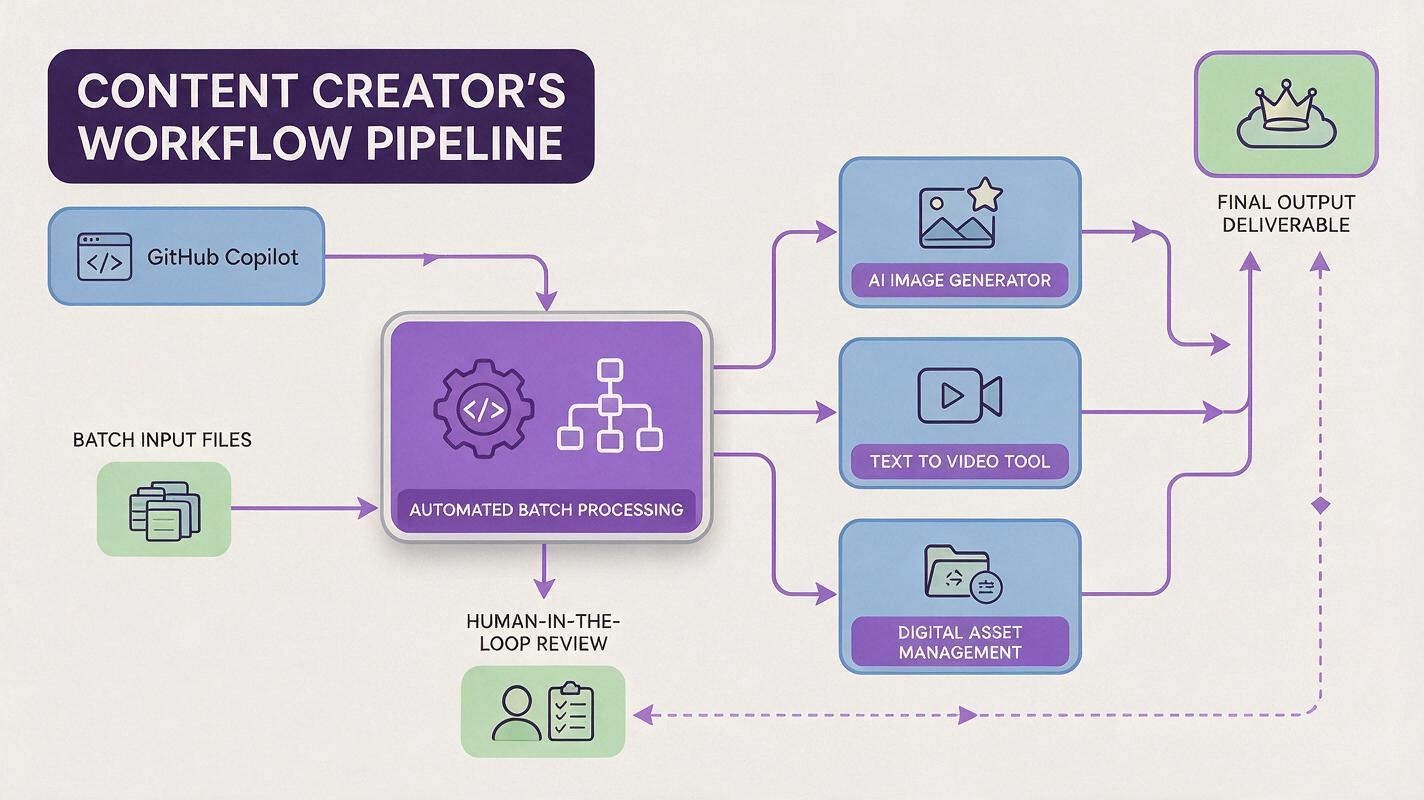
While the change is framed as a routine upgrade for coding teams, it carries tangible consequences for AI video and image creators who use GitHub Copilot to power custom creative workflows. Many independent creators and small studios rely on Copilot to write Python scripts, API integrations, and batch processing tools that connect different AI services — from text to video platforms to asset management systems.
When underlying AI models change, even small shifts in code suggestion style, logic, or error handling can break custom scripts that were tuned to the behavior of older models. For example, a creator who uses a Copilot-assisted script to batch-edit outputs from an ai image generator might find that the new GPT-5.6 Sol produces code with different formatting, deprecated function calls, or altered processing logic that requires manual fixes.
Creators who use Copilot to build custom agents for content research, scriptwriting support, or metadata tagging may also notice shifts in output quality, response speed, or adherence to specific formatting rules. For teams with automated pipelines that run without constant human oversight, these shifts can lead to unexpected errors or wasted compute time if left untested.
Navigating Model Changes for Stable Creative Workflows
Model retirements and upgrades are becoming a regular part of the AI ecosystem, so creators can take proactive steps to minimize disruption to their work.
- Audit Copilot-assisted workflows: Review any custom scripts, integrations, or automation tools you built using older Copilot models, and test them with the replacement versions to catch breaking changes early.
- Test side-by-side before switching: If you have access to both old and new model versions during the transition window, run parallel tests on critical workflows to compare output quality, speed, and reliability.
- Diversify model access: Relying on a single platform or provider for all your AI tools increases the risk of disruption when models are retired or updated. Using a multi-model platform lets you switch between providers and model versions without rebuilding your entire workflow.
- Document workflow dependencies: Keep clear records of which models power each part of your creative pipeline, so you can quickly identify and fix issues when a model is updated or retired.
Beyond coding assistant models, multi-model platforms also give you access to frontier generative models like GPT-6 and Gemini 4 for direct creative work, so you can experiment with the latest capabilities without waiting for individual providers to roll out updates to their bundled tools.
For creators who want more control over their AI tool stack, platforms like MagicBoat centralize access to leading generative AI models for video, image, audio, and script creation — all in one place. You can try these models for free to test how different providers and model versions fit your workflow, without being locked into a single vendor’s upgrade cycle.

Key Takeaways
- GitHub Copilot retired six models effective October 19, 2026, with replacements including GPT-5.6 Sol, GPT-5.6 Luna, Gemini 3.8 Flash, and Grok 4.6.
- Enterprise and Business plan users are auto-switched to the new models, with no admin action required.
- AI video and image creators using Copilot for custom workflow automation should test their scripts and integrations with the new models to avoid disruption.
- Multi-model creative platforms like MagicBoat reduce vendor lock-in and make it easier to navigate frequent AI model updates and retirements.
Keywords
github copilot model retirement, gpt-5.6 sol, gpt-6, gemini 4, text to video, ai image generator, ai video model, free ai tools