Google Gemini 4 Argon Global Launch Reaches Pro, Ultra, and Developers
Google launched Gemini 4 Argon globally for Pro and Ultra subscribers and developers on October 14, 2026, expanding access to its frontier AI model. The release highlights why creative teams should evaluate model access, output quality, and workflow portability together.
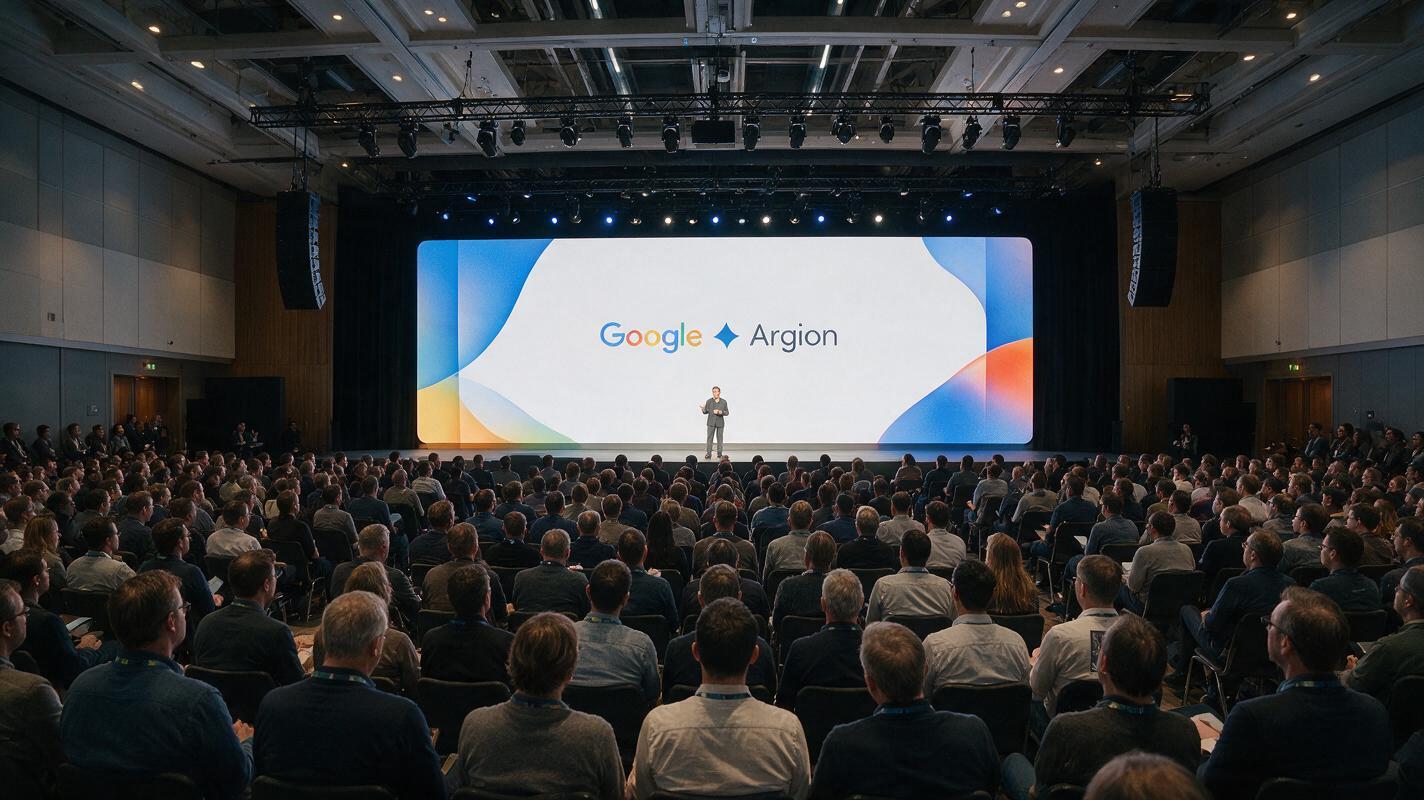
Table of contents
AI News Analysis
Google Gemini 4 Argon Global Launch Reaches Pro, Ultra, and DevelopersGoogle’s frontier model moved into a broader release phase, putting Gemini 4 Argon in front of paying subscribers and software developers around the world.
Gemini 4 Argon Expands Worldwide
Google launched Gemini 4 Argon globally on October 14, 2026, opening access to Pro and Ultra subscribers as well as developers. The announcement marked a wider availability milestone for the model, extending it across both consumer subscription channels and developer-facing access.
The audience is an important part of the news. Pro and Ultra subscribers represent people using Gemini through Google’s paid product tiers, while developer availability makes the model relevant to teams building applications, integrations, and automated services. A simultaneous global release across those groups gives Gemini 4 Argon a broader role than a narrowly limited preview would provide.
Confirmed launch details: Gemini 4 Argon launched globally on October 14, 2026, for Pro and Ultra subscribers and developers.
The launch report does not specify benchmark results, detailed capabilities, regional exceptions, developer rate limits, or subscription entitlements. Those details should not be assumed from the global-launch headline alone.
For creative teams, the immediate significance is greater model choice. A newly available frontier model can become another candidate for ideation, writing, asset planning, and production support, but availability by itself does not establish whether it is the strongest option for a particular project.
Why the Global Release Matters
AI competition increasingly depends on distribution as well as model development. A capable system has limited practical value when access is restricted to a small test group. By placing Gemini 4 Argon in front of global Pro and Ultra subscribers and developers, Google is broadening the population able to evaluate the model in real work.
The release also spans two distinct modes of adoption. Subscribers can assess the model through their paid access, while developers can consider it for products and internal systems. These groups may judge the same model differently: an individual user may prioritize response quality and ease of use, whereas a development team may place more weight on consistency, integration effort, and operational reliability.
A global launch answers the question of who can begin evaluating a model. It does not, on its own, answer which workflows the model handles best.
The distinction is especially relevant in fast-moving AI news. Launch headlines can generate immediate attention, but durable adoption usually depends on repeated output testing. Teams still need to compare the model’s results with their existing options using representative briefs and consistent editorial standards.
What Creative Teams Should Evaluate
Gemini 4 Argon’s wider availability gives teams a reason to revisit their model-selection criteria. The most useful evaluation is not based on novelty alone. It considers whether a model produces material that can move through an actual creative pipeline with an acceptable amount of review and revision.
| Evaluation area | Question for a creative workflow | Why it matters |
|---|---|---|
| Brief interpretation | Does the output follow the requested audience, tone, format, and constraints? | Misread briefs create extra editing work even when the initial response appears polished. |
| Consistency | Can the model maintain approved details across related assets? | Campaigns and serialized content depend on continuity. |
| Revision efficiency | Does feedback produce a targeted change without damaging approved material? | Controllable revisions can be more valuable than rapid first drafts. |
| Reliability | Is access dependable enough for a production schedule? | A strong model is difficult to use operationally when availability is unpredictable. |
| Workflow fit | Can useful outputs transfer into writing, image, or video production? | Isolated quality matters less when assets cannot move cleanly between production phases. |
Teams can make this comparison with a small set of representative assignments: a campaign concept, a script outline, a visual brief, and a revision request. The purpose is not to manufacture a universal ranking. It is to learn where each model creates usable value for a particular team.
From Frontier Models to Visual Production
A frontier language model can contribute to the planning layer of content production, but many campaigns ultimately require visual assets. Concepts must become scenes, scene descriptions must become images, and selected frames may then need motion, pacing, voice, or music.
This is where model news connects with practical AI tools. A team may use one system to explore ideas and refine a brief, then move the approved direction into an ai image generator for visual development. Once a key frame is approved, an image to video workflow can help turn the still concept into a moving asset.
Portable creative assets reduce model dependence
Creative work becomes more resilient when important decisions are preserved outside any single model session. Approved scripts, character descriptions, visual references, prompt variations, and review notes can be reused even when a team changes models or production tools.
- Keep the brief model-neutral: record audience, format, tone, exclusions, and delivery requirements in a reusable document.
- Save approved language: separate final copy from exploratory model conversations.
- Preserve visual references: retain selected frames, composition notes, and continuity requirements.
- Record editorial decisions: document why an output was accepted or rejected rather than relying on memory.
- Maintain fallback options: avoid making a deadline dependent on one provider remaining available.
This approach lets teams evaluate Gemini 4 Argon without rebuilding their entire operation around it. If the model performs well for a specific task, it can earn a place in the workflow. If another model produces better results elsewhere, the underlying project materials remain usable.
Why Multi-Model Access Is Becoming More Valuable
Gemini 4 Argon’s launch is one more sign that frontier AI is becoming a competitive, multi-provider market. New models and access changes can arrive quickly, and the leading option for one assignment may not be the best fit for another.
A multi-model environment helps creative teams treat models as selectable production resources rather than permanent commitments. Writers can compare interpretations of the same brief, art teams can explore alternate visual directions, and video producers can choose a generation path based on the asset they already have.
MagicBoat brings multiple creative capabilities into one account, helping teams move from ideas and scripts toward images and video without tying every phase to a single model provider. That continuity is useful when launches expand access, pricing changes, or a preferred model produces inconsistent results on a particular brief.
The goal is not to switch tools for every output. It is to preserve choice. A stable production layer can make new model releases easier to test because teams do not have to abandon their established creative process simply to evaluate another option.
Key Takeaways
- Google launched Gemini 4 Argon globally on October 14, 2026.
- The announced audience includes Pro subscribers, Ultra subscribers, and developers.
- The launch confirms wider access but does not, by itself, establish performance, detailed capabilities, or workflow superiority.
- Creative teams should compare models using representative briefs, revision tests, and approved-output quality.
- Portable scripts, prompts, references, and editorial decisions make it easier to adopt new AI tools without disrupting production.
- Multi-model access provides flexibility when different assignments require different creative strengths.
Explore a Flexible AI Creation Workflow
Gemini 4 Argon’s global launch expands the frontier-model landscape, but the practical advantage comes from matching each assignment with the right creative capability. Keep your production options open and try these models for free on MagicBoat.
Keywords: Gemini 4 Argon, Google Gemini, AI news, AI tools, AI roundup, AI video generator, multi-model AI