Google Turns Gemini Into Enterprise Agent With Work Identity and Sub-Agents
Google has upgraded its Gemini AI to function as an enterprise agent with a dedicated work identity, including a unique email address, sub-agent delegation, and multi-model calling capabilities, per an October 2026 report. The update expands Gemini’s role from a conversational tool to a coordinated workflow actor, with meaningful implications for AI video and image creators managing multi-step creative pipelines.
Table of contents
Google’s latest Gemini upgrade transforms the model from a conversational assistant into a fully-fledged enterprise actor with its own persistent work identity and sub-agent coordination tools, marking a major shift in how teams can deploy AI for end-to-end workflow management.
Reported on October 8, 2026, the update gives enterprise Gemini instances their own distinct work profiles, complete with dedicated email addresses, allowing them to participate in team communication and task flows just like human members. The rollout also adds two high-impact capabilities: the ability to delegate work to specialized sub-agents, and support for calling multiple external AI models to complete specific tasks.
While the update is framed primarily for enterprise operational teams, the capabilities have clear implications for AI video and image creators working on collaborative projects, as agent coordination and multi-model access become core parts of modern creative pipelines.
What the Gemini Enterprise Agent Update Includes
The centerpiece of the update is Gemini’s new work identity, which assigns each enterprise-deployed Gemini agent a unique email address tied to its role. This means the agent can send and receive emails, be added to project threads, and receive task assignments directly through standard team communication tools, rather than requiring users to access it through a separate chat interface or API.
For teams, this creates a more natural way to interact with AI: instead of switching to a dedicated Gemini tab to ask for help, users can CC the agent on a project email, assign it a task, and receive updates in the same thread where the rest of the team is working. The persistent identity also means the agent maintains context across interactions, so it can reference past conversations and decisions without repeated prompting.
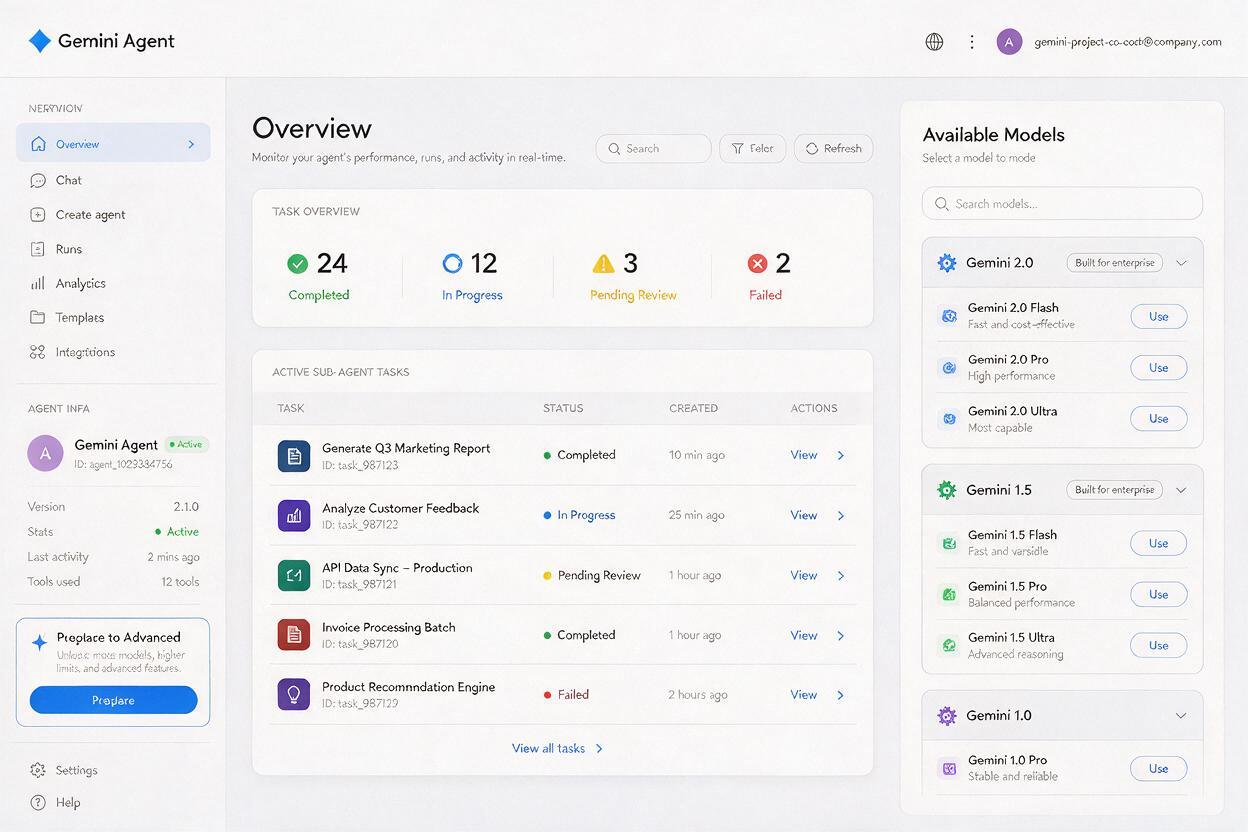
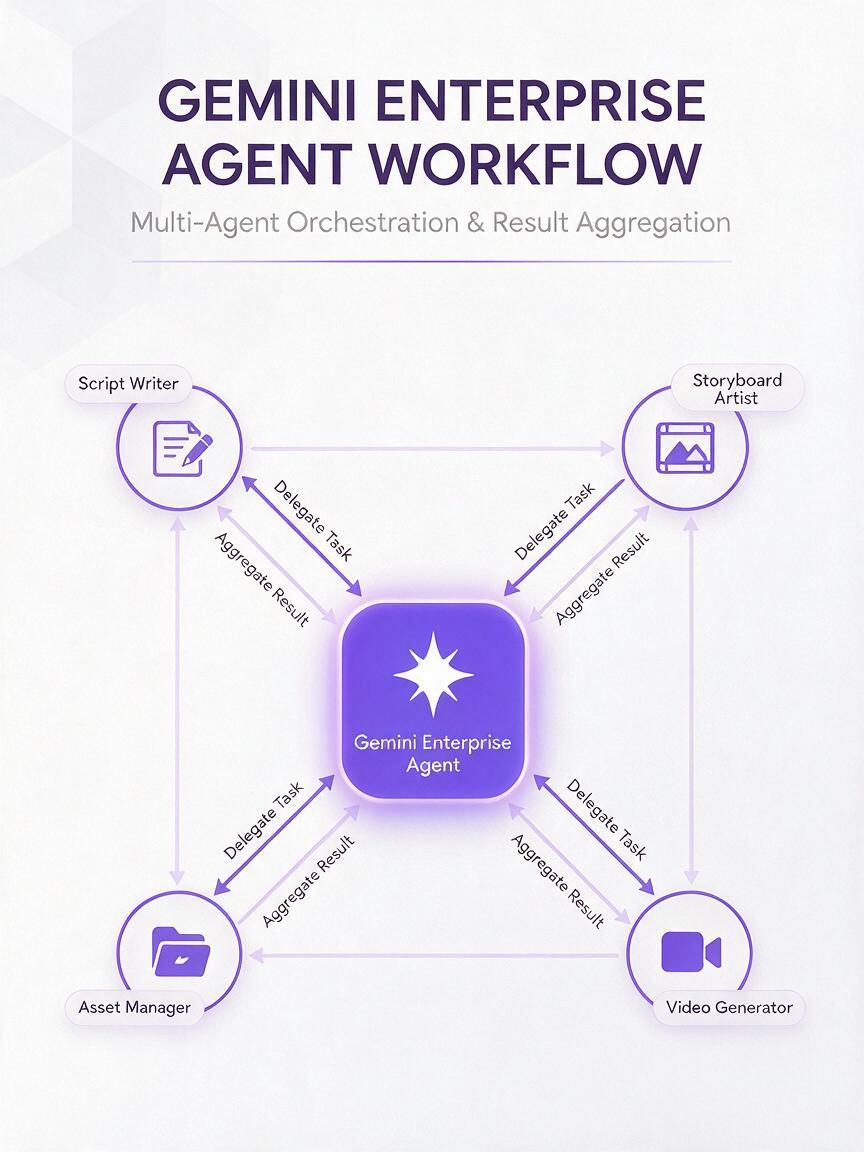
The second key feature is sub-agent delegation, which allows the main Gemini agent to break down complex, multi-step projects into smaller tasks and assign each to a specialized sub-agent. The main agent acts as a coordinator: it defines task parameters, distributes work, aggregates results, and delivers a final output to the user. This parallel processing model can significantly reduce the time needed to complete large projects, as multiple sub-agents can work on different parts of a task simultaneously.
Third, the updated Gemini agent supports multi-model calling, meaning it can tap into external AI models beyond Google’s own Gemini family to handle specific parts of a task. For example, if a project requires data analysis, the agent can call a model optimized for numerical work; if it requires creative visual generation, it can call a model built for image or video output. The agent handles all model switching in the background, so users don’t have to manage multiple tools or subscriptions directly.
What This Means for AI Video and Image Creators
For creative teams working on AI video and image projects, Gemini’s enterprise agent capabilities address several common pain points in modern production workflows. Coordinating multiple AI tools, tracking version history, and aligning outputs with brand guidelines can take up a significant portion of a creator’s time, especially on large projects with tight deadlines.
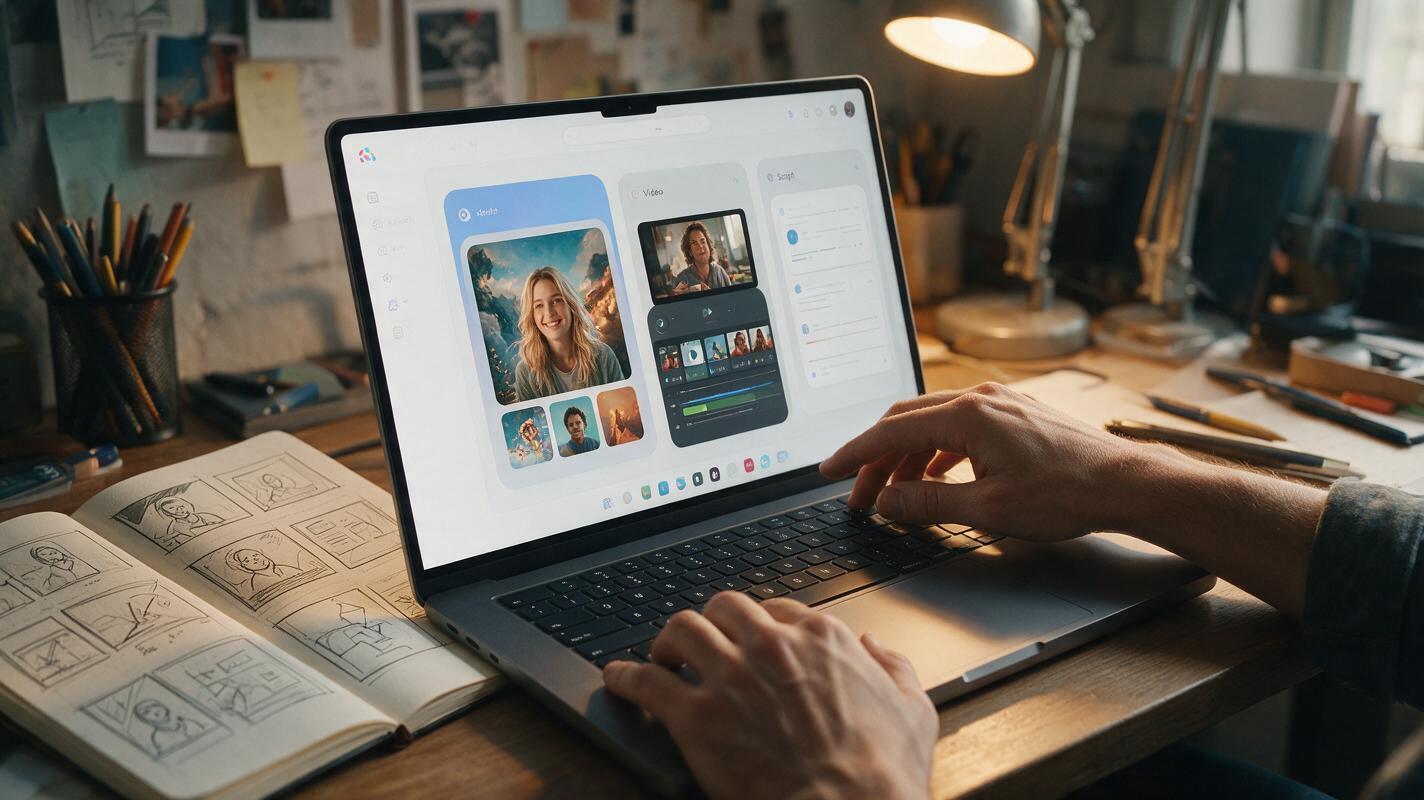
With sub-agent delegation, a lead creator could assign a full short film project to the main Gemini agent, which could then break the project into discrete tasks: drafting the script, generating storyboard frames, sourcing reference imagery, and compiling shot lists. Each task would be assigned to a specialized sub-agent, with the main agent ensuring all outputs align with the project’s creative brief and style rules.
For visual production steps, the agent could call on specialized text to video models to generate initial scene drafts, then pass those drafts to editing sub-agents or human creators for refinement. Similarly, for projects that start with concept art or reference stills, the agent could leverage image to video tools to turn static visuals into animated clips, all while sharing progress updates with the team via its dedicated email address.
Freelance creators and small studios can also benefit from the agent’s coordination capabilities, even without large teams. The agent can act as a virtual production assistant, handling administrative tasks like organizing assets, tracking deadlines, and compiling feedback, freeing creators to focus on the creative parts of their work.
It’s important to note that the update does not eliminate the need for human oversight. Creative work relies on nuanced judgment, brand alignment, and emotional resonance that AI agents cannot yet replicate, so human review of agent and sub-agent outputs remains a critical part of the workflow. The value of the agent lies in reducing repetitive, administrative work, not replacing creative decision-making.
Why Multi-Model Agent Workflows Benefit From a Unified Platform
As AI agents like Gemini gain the ability to call multiple models and coordinate complex workflows, creators face a new challenge: managing a growing ecosystem of AI tools, each with its own interface, subscription, and asset management system. Jumping between separate platforms for scriptwriting, image generation, video editing, and audio work creates friction, slows down production, and makes it harder to maintain consistent quality across projects.
A unified multi-model creative platform solves this problem by bringing all the tools creators need into a single, integrated environment. With one account, creators can access a wide range of AI models for every stage of the production pipeline, compare outputs side by side, and build custom workflows that leverage the strengths of each tool. This is especially valuable for agent-driven workflows, where the agent needs to call on multiple specialized models to complete a project.
MagicBoat offers exactly this kind of unified experience, with built-in tools for image generation, video production, scriptwriting, storyboarding, and more, all accessible through a single dashboard. The platform supports all major AI creative models, so creators can experiment with different tools, find the ones that work best for their style, and integrate them seamlessly into their workflow — no multiple subscriptions or complicated setup required.
Whether you’re using an enterprise agent like Gemini to coordinate projects or managing your workflow manually, a unified platform ensures you have the flexibility to use the right tool for each task, without the hassle of switching between apps. If you’re ready to build your own multi-model creative workflow with top AI video and image tools, you can try these models for free on MagicBoat today.
Key Takeaways
- Google has upgraded Gemini to function as an enterprise agent with its own dedicated work identity, including a unique email address for seamless team communication.
- The updated agent can delegate complex tasks to specialized sub-agents and call on multiple external AI models to complete specific work, enabling parallel processing and more flexible workflows.
- For AI video and image creators, the update opens up new possibilities for automated workflow coordination, reducing administrative overhead and freeing up time for creative work.
- A unified multi-model platform like MagicBoat makes it easier to leverage agent capabilities, manage creative tools, and maintain consistent quality across projects.
Keywords
google gemini, gemini enterprise agent, gemini sub-agents, ai video model, text to video, image to video, free ai tools