Google Gemini Becomes Enterprise Agent With Work Identity
On October 8, 2026, Google Gemini was positioned as an enterprise agent with work identity capabilities, marking the platform’s expansion into organizational-grade agentic AI. While full feature details remain undisclosed, the update signals Google’s focus on enterprise AI adoption with role-based access and workplace integration. For content teams, the shift highlights the value of flexible multi-model workflows that complement enterprise AI tooling.

Table of contents
Google Gemini Becomes Enterprise Agent With Work Identity
On October 8, 2026, Google Gemini was positioned as an enterprise agent with work identity capabilities, marking a notable shift in the platform’s focus from consumer and general-purpose AI to organizational-grade agentic workflows. The headline announcement frames Gemini as a tool built for integrated workplace use, though initial reports do not include detailed specifications, pricing tiers, rollout timelines, or a full breakdown of work identity features.
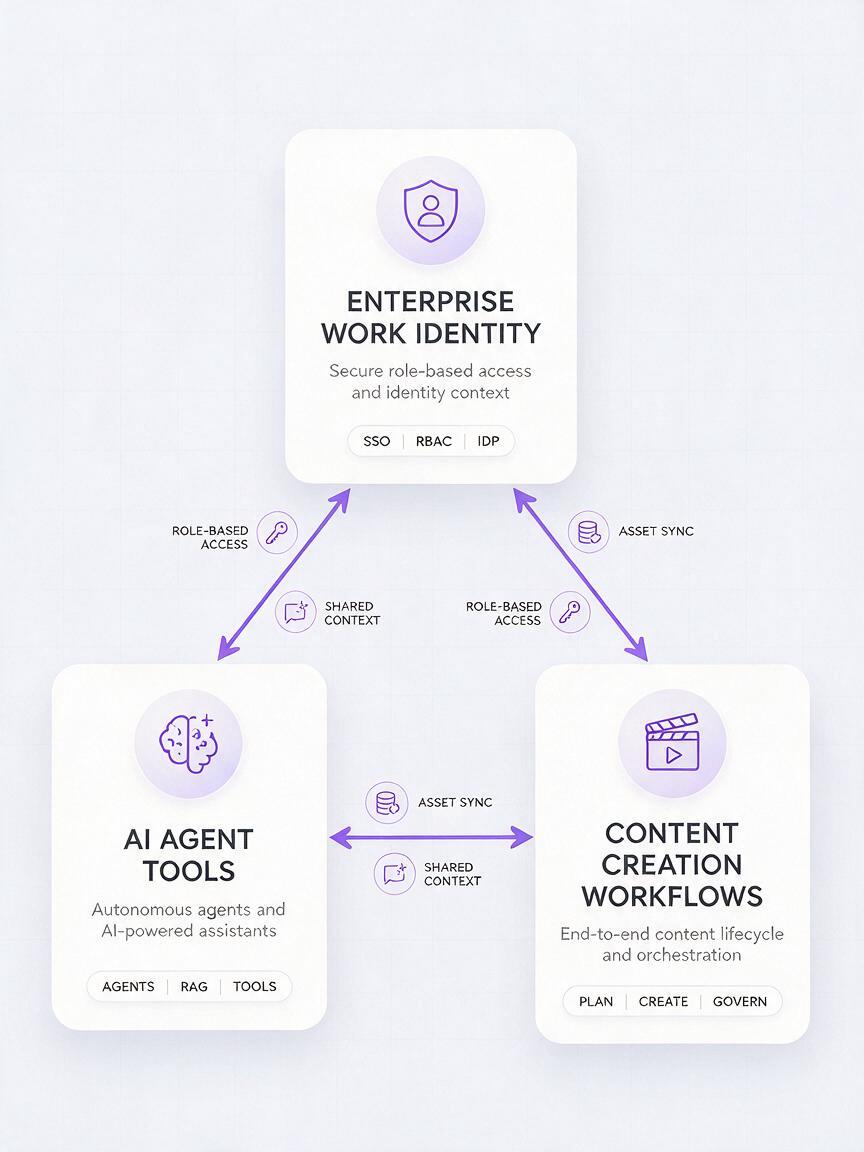
The move comes amid a broader industry push toward agentic AI tools that can perform multi-step tasks on behalf of users, with enterprise identity features emerging as a key differentiator for business adoption. Work identity functionality typically ties AI tool access to existing organizational accounts, role-based permissions, and shared company context, though exact implementation details for Gemini remain unconfirmed.
Why Enterprise Agent Identity Matters for Teams
For organizations of all sizes, tying AI tools to verified work identities solves several longstanding pain points of unmanaged consumer AI use. When every team member uses personal accounts for AI tools, companies lose visibility into how data is shared, struggle to enforce consistent content standards, and face challenges with intellectual property tracking across distributed workflows.
Enterprise identity integration centralizes access control, allowing teams to grant or revoke AI tool permissions through existing IT systems, align tool usage with job roles, and maintain audit trails for compliance purposes. For content teams in particular, this can reduce friction when onboarding new creators, ensure consistent access to approved AI tools, and help prevent unauthorized use of brand assets in AI-generated content.
While Google has not yet shared specific details about how Gemini’s work identity will integrate with existing Google Workspace tools or third-party enterprise systems, the announcement signals that enterprise-grade access control is now a core priority for major AI platform developers.
What This Means for Content Creators
For independent creators and in-house content teams alike, the rise of enterprise AI agents with work identity has both practical and strategic implications. On one hand, better access control and organizational integration can make it easier for teams to collaborate on AI-assisted projects, share creative assets securely, and maintain consistent brand voice across all AI-generated output.
On the other hand, the rapid evolution of enterprise AI tools means creators may face shifting access to features, changing pricing models, and platform updates that disrupt existing workflows. Teams that rely on a single AI tool for core creative tasks—whether for text to video generation, scriptwriting, or image editing—are particularly vulnerable to sudden changes in feature availability or terms of service.
This is where diversified, multi-model creative platforms add significant value. A robust ai video generator ecosystem that supports multiple underlying models gives creators the flexibility to adapt to enterprise tool changes without rebuilding their entire production pipeline from scratch.

How Multi-Model Platforms Complement Enterprise AI Tools
Enterprise AI tools like the updated Gemini agent excel at integrating with organizational systems and handling workplace-specific tasks, but they rarely offer the full breadth of specialized creative tools that content teams need on a daily basis. Multi-model creative platforms fill this gap by providing centralized access to a wide range of AI-powered creative tools, all under a single account with consistent billing and usage tracking.
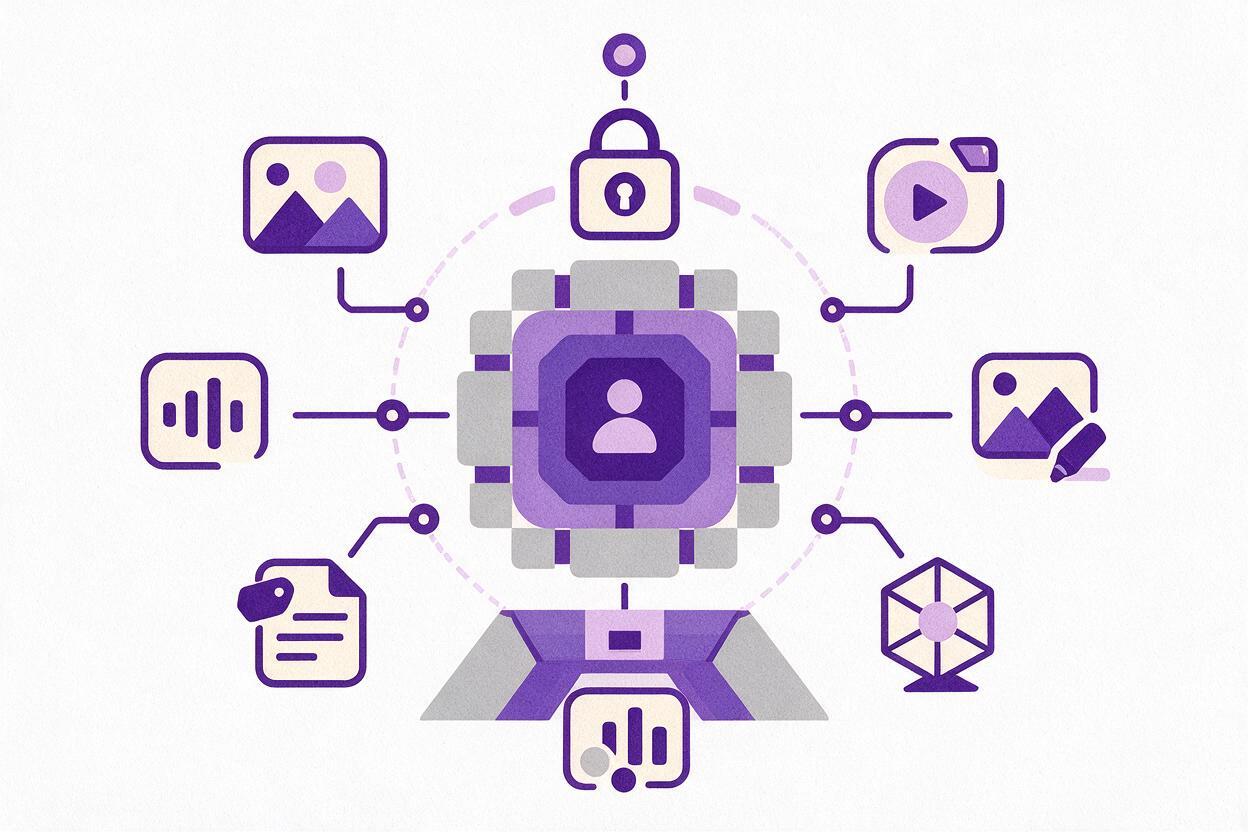
For example, a content team using enterprise Gemini for research and draft writing can pair it with specialized tools for text to video generation, AI image creation, and voiceover work through a unified platform, without managing separate accounts or juggling multiple permission sets. This hybrid approach combines the security and identity benefits of enterprise AI tools with the creative flexibility of specialized production tools.
MagicBoat is designed to support this kind of hybrid workflow, with a single account that grants access to dozens of creative AI tools spanning video, image, audio, and script generation. Teams can test new tools, swap between models to find the best fit for each task, and maintain a library of reusable creative assets—all without worrying about disruptions from individual platform updates. You can try these models for free to see how a multi-model approach fits your team’s workflow.
Key Takeaways
- Google Gemini’s October 2026 update positions the platform as an enterprise agent with work identity, though full feature details remain undisclosed.
- Enterprise AI identity features can improve access control, compliance, and collaboration for content teams, but may also bring workflow disruptions as tools evolve.
- Relying on a single AI tool for core creative tasks increases vulnerability to platform changes, pricing shifts, and feature updates.
- Multi-model creative platforms complement enterprise AI tools by providing specialized creative capabilities, flexible model switching, and consistent access across tools.
- Teams should evaluate hybrid workflows that combine enterprise-grade identity and security with specialized creative AI tools for maximum flexibility and reliability.
Keywords
google gemini enterprise agent, ai news, ai tools, ai video generator, text to video, enterprise ai, work identity