Google and Meta Frontier AI Push Ends OpenAI/Anthropic Absolute Lead
A new October 2026 analysis finds that combined frontier AI advancements from Google and Meta have ended the long-held absolute market lead of OpenAI and Anthropic. The shift follows a wave of high-profile model launches across all four providers, including open-weight releases, expanded context windows, and new enterprise features. For AI content creators, the increasingly competitive landscape means more model options but also a greater need for flexible, multi-model workflow platforms.

Table of contents
What the New Frontier AI Analysis Finds
A new analysis published October 16, 2026, concludes that the combined frontier AI push from Google and Meta has ended the long-held absolute lead of OpenAI and Anthropic in the high-performance AI model space. The finding marks a notable shift in the competitive landscape, which for the past several years has been dominated by the two smaller AI-focused firms at the cutting edge of model capability.
The analysis does not frame the shift as a single decisive overtaking, but rather as a narrowing of the capability gap to the point where OpenAI and Anthropic no longer hold an undisputed top position. Instead, the frontier AI space now has four major players with comparable high-end offerings, each with distinct strengths in different use cases, pricing models, and deployment options.
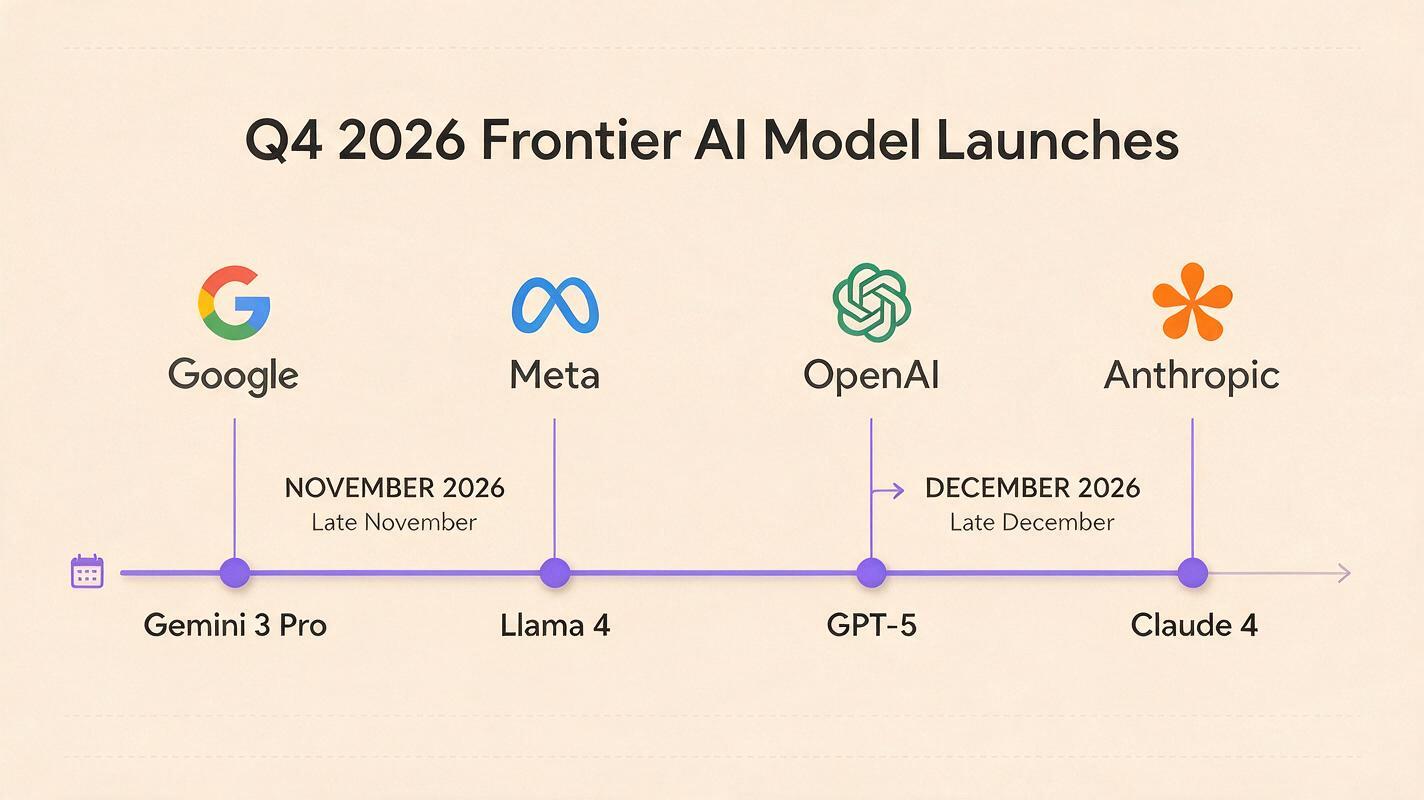
This shift comes amid a flurry of high-profile model launches and product updates across all four companies in the final quarter of 2026, with each firm rolling out new features, expanded access, and performance upgrades at an accelerated pace.
Key Launches That Shifted the Competitive Landscape
Several recent confirmed launches and product moves from Google and Meta have contributed to the narrowed gap, paired with incremental updates from OpenAI and Anthropic that have kept pace but not extended the lead as dramatically as in prior years.
On the Google side, the October 14 global launch of Gemini 4 Argon for Pro and Ultra subscribers and developers, followed by its full opening on October 15 with promotional pricing of $2 per million input tokens and $10 per million output tokens, brought a high-capability model with a 1 million output token context window and a new Task Mode feature to a wide user base at a competitive price point. Google has also expanded its consumer-facing AI tools with the replacement of Gems with Google Skills, and continued to integrate Gemini across its enterprise and consumer product suites.
Meta’s frontier push has been equally aggressive, with the October 12 launch of its Muse Wonder frontier model at 2x competitor pricing, followed by the October 16 release of Meta Muse Spark Open — an 81.6 billion parameter open-weight mixture-of-experts model paired with an Apple Mac partnership that brings local frontier model capability to consumer hardware. Meta also shared details of its Muse Wonder app subscription tiers, priced at $20 and $100 per month, which saw the company’s stock rise 3.38% at launch. Meta’s focus on open-weight models and consumer-facing integration has allowed it to reach a broad audience of developers and end users quickly.
For their part, OpenAI and Anthropic have continued to roll out updates, but have not delivered the kind of leapfrog capability gains that defined their lead in prior years. OpenAI’s recent moves include expanding the GPT-6.1 Sol context window to 1.05 million tokens with no long-text surcharge, opening GPT-6 and Intelligent UI to all users, and launching the public beta of its Decisions API with a claimed 10x speed boost for structured decision tasks. Anthropic has released Claude Haiku 5.5, its cheapest small model, expanded its Claude Managed Agents capability to support up to 1,000 sub-agents, and rolled out cyber-focused tools like its Cyber Mission scanner.
The combination of Google’s enterprise and consumer reach, Meta’s open-weight and hardware integration strategy, and the steady but less explosive progress from OpenAI and Anthropic has created a far more balanced frontier AI market than existed just six months prior.
What This Means for Content Creators
For AI content creators, the end of an absolute two-company lead brings both new opportunities and new challenges. On the opportunity side, having four major frontier AI providers with comparable capabilities means more choice for specific creative tasks, more competitive pricing, and more incentive for providers to build features tailored to creator needs. A creator using an ai video generator might prefer one model for photorealistic text to video clips and another for image to video projects that bring static reference art to life, while a different provider’s tools could deliver better results for custom brand imagery or script drafting.
The challenge, however, is fragmentation. With each provider operating its own platform, subscription model, and API, creators who want to use the best tool for each task end up managing multiple accounts, tracking multiple billing cycles, and learning different interfaces and prompt styles. This administrative overhead can cut into creative time, and reliance on a single provider still carries risk of service disruptions, policy changes, or price hikes that can derail production workflows.
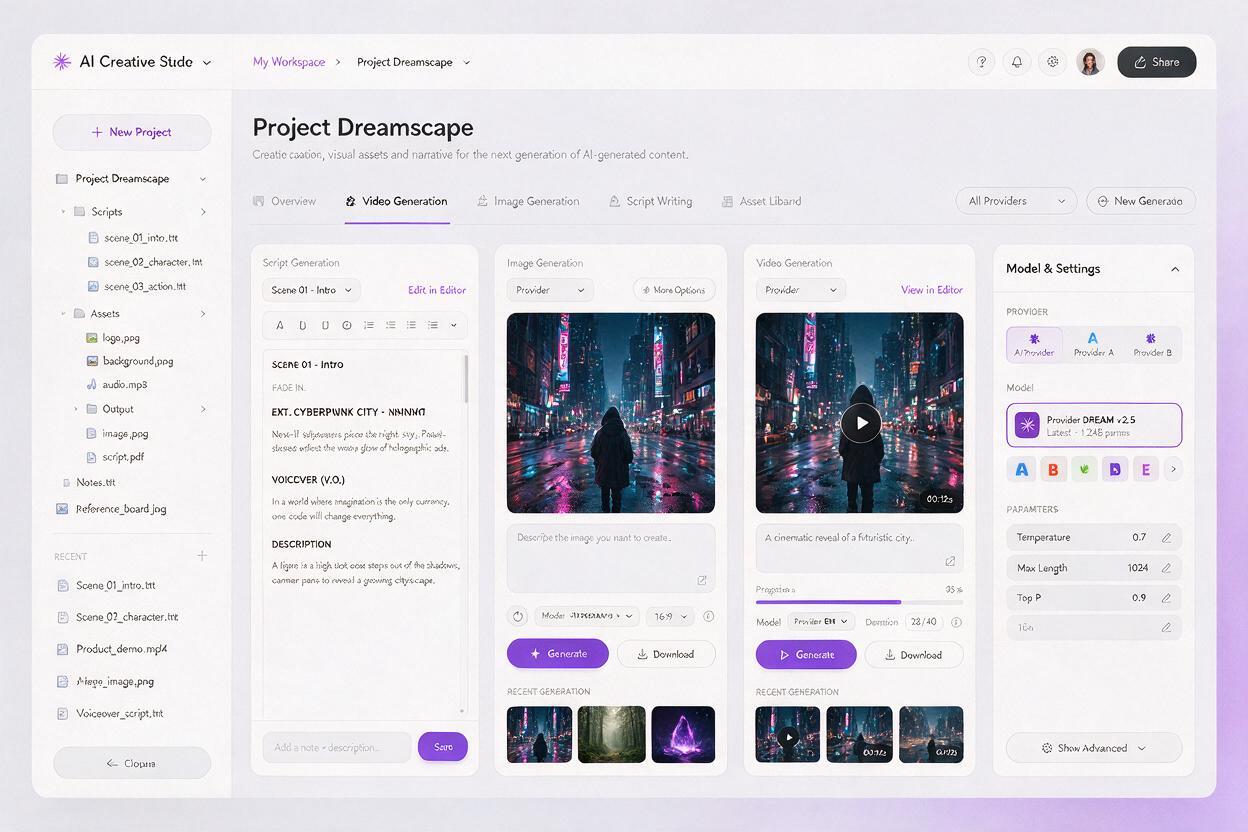
This is where a unified multi-model AI platform like MagicBoat adds clear value. Instead of juggling separate subscriptions and logins for every frontier AI provider, creators get access to a curated suite of top AI creative tools through a single account, with a consistent interface and unified billing. This setup makes it easy to test new models as they launch, switch between providers for different tasks, and maintain workflow continuity even if one provider experiences downtime or changes its terms. It also eliminates the need to migrate assets and prompt libraries between platforms when testing new tools.
If you want to test the latest frontier AI creative tools without managing multiple subscriptions and accounts, try these models for free on MagicBoat.
Key Takeaways
- An October 16, 2026 analysis finds that Google and Meta’s combined frontier AI advancements have ended the absolute lead previously held by OpenAI and Anthropic.
- Recent launches like Google Gemini 4 Argon, Meta Muse Wonder, and Meta Muse Spark Open have closed the capability gap, with competitive pricing and unique deployment options.
- OpenAI and Anthropic continue to release steady updates, but have not delivered the leapfrog gains that defined their earlier market dominance.
- Content creators benefit from more choice and lower pricing, but face increased fragmentation across multiple provider platforms.
- Unified multi-model AI platforms reduce administrative overhead and workflow risk by giving creators access to top tools through a single account.
Keywords
ai news, ai tools, frontier ai, openai, anthropic, google gemini, meta muse