What Is Hollywood's Prediction Market Betting Ban? Rules & Cases | MagicBoat
On November 19, 2026, major Hollywood studios and leading trade publications enacted sweeping bans on employee prediction-market betting tied to industry outcomes like casting, earnings, and release dates. The policy shift follows high-profile insider betting cases and signals tighter guardrails around confidential entertainment information, with key implications for AI content creators sourcing ideas for short drama and video content.

Table of contents
Introduction
On November 19, 2026, major Hollywood studios and leading entertainment trade publications rolled out sweeping new policies banning employee participation in prediction-market betting tied to industry outcomes, marking one of the most widespread crackdowns on insider information use in recent entertainment history. The move follows a string of high-profile betting cases involving confidential industry details, and it carries tangible implications for independent AI content creators who build content around upcoming releases, casting news, and franchise developments.
What Happened
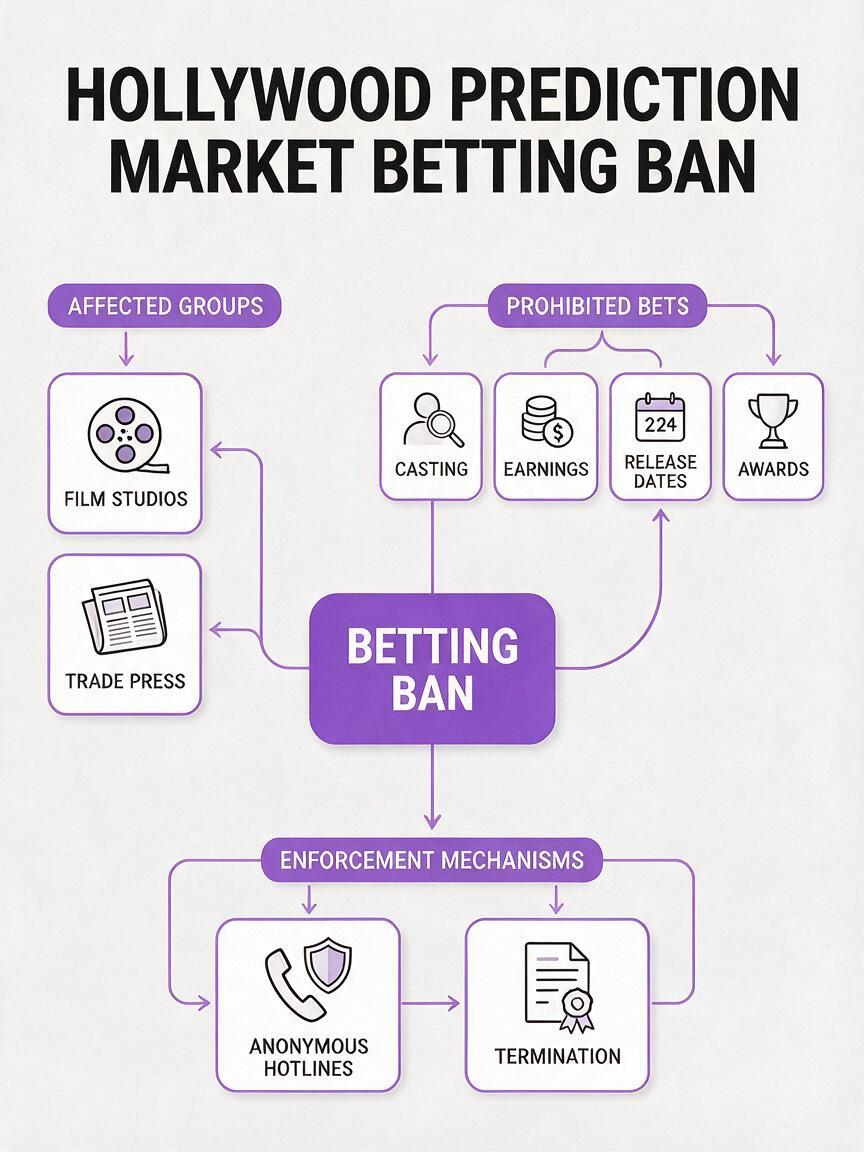
The coordinated policy update was first reported across industry outlets on November 19-20, 2026, with two distinct groups implementing new rules. First, multiple major Hollywood studios issued updated employee conduct policies that explicitly bar staff from placing wagers on company-related outcomes including film and television earnings, casting decisions, and release date shifts. The studios also set up anonymous reporting hotlines for staff to flag suspected insider betting, signaling that enforcement will be taken seriously.
Second, leading trade publishers PMC — parent company of The Hollywood Reporter — and Deadline updated their employee handbooks to prohibit staff from betting on a broader range of industry outcomes, including awards nominations, casting announcements, production timelines, and release dates. The trade press expansion is notable because editorial staff often have access to embargoed or pre-publication information about industry events, making them a high-risk group for prediction market activity.
The bans come as prediction markets focused on entertainment have grown in popularity over the past two years, with bookmakers offering markets for everything from next James Bond casting to opening weekend box office totals. While public prediction markets are legal in many jurisdictions, using non-public, confidential information to place bets qualifies as insider trading in many contexts, and the new policies formalize that standard for entertainment industry employees.
Key Scope of the Bans
The new rules cover a wide range of industry outcomes and apply to all employees of the participating studios and trade outlets, including full-time staff, contract workers, and freelance contributors with access to non-public information.
Prohibited activities outlined in the policies include placing personal bets on any industry outcome tied to confidential information, sharing non-public details with third parties for betting purposes, and benefiting financially from prediction market outcomes using information not available to the general public. The anonymous hotlines set up by studios allow staff to report suspected violations without fear of retaliation, and policy violations can result in disciplinary action up to and including termination, as well as financial penalties in some cases.
Notably, the bans do not restrict general public discussion of industry rumors or fan theories, but they draw a clear line between public speculation and the use of confidential, work-related information for financial gain. This distinction is particularly relevant for content creators who operate in the space between fan discourse and insider information.
High-Profile Precedent Cases
The November 2026 ban is not an isolated policy change — it follows several high-profile cases that highlighted the risks of insider prediction market betting in entertainment.
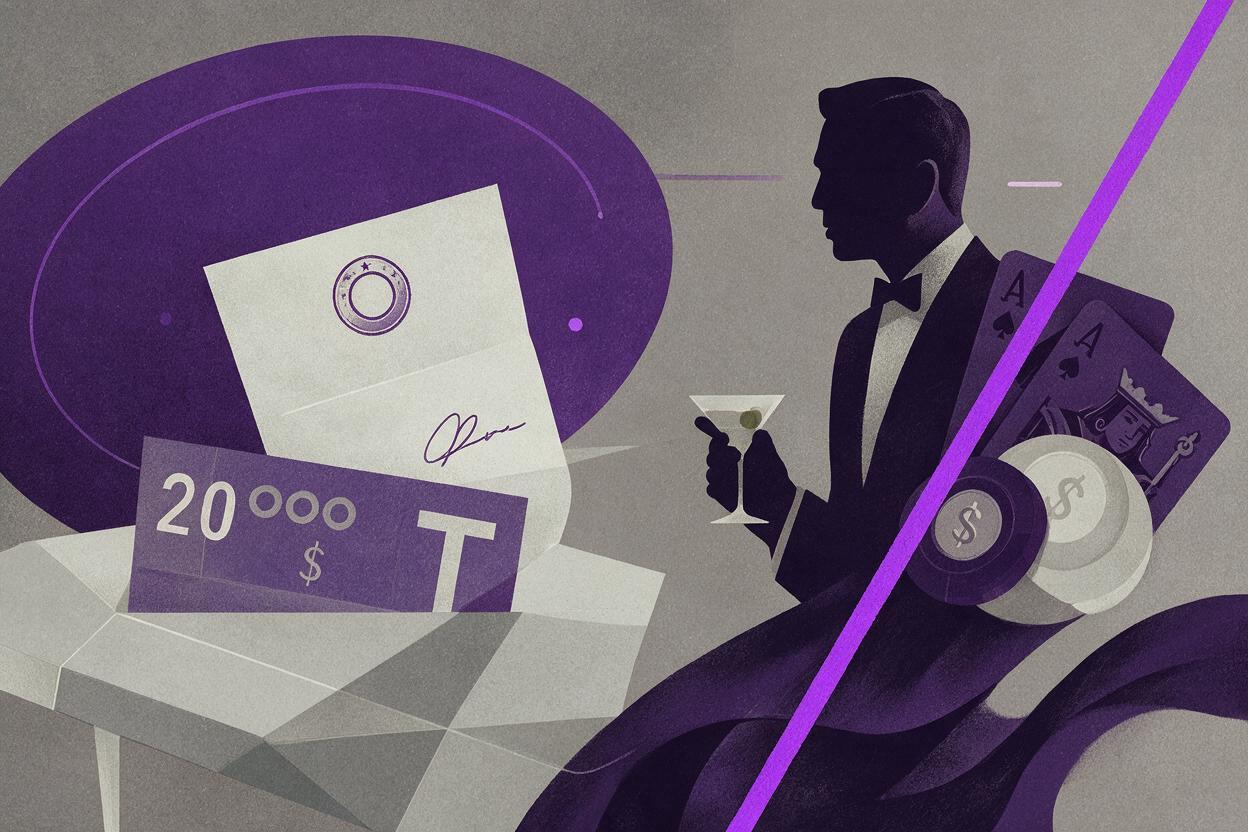
The most widely cited example is the February 2026 firing of a MrBeast editor, who was terminated and fined $20,000 after placing a $5,000 insider bet on a then-unannounced MrBeast project. The case drew widespread attention because it marked one of the first public instances of a digital entertainment employee being disciplined for prediction market betting, and it set a precedent for how studios and creators would handle similar violations.
Another recent precedent involved a major bookmaker pulling its "next James Bond" market entirely after casting for the role wrapped, amid reports that insider information had leaked and was being used to place large bets. The market closure came shortly before Amazon MGM officially announced Robert Pattinson as the next James Bond on November 16, 2026, confirming that the betting market had been compromised by non-public information.
These cases, along with a growing number of smaller, unreported incidents, pushed studios and trade outlets to formalize their policies rather than handling violations on a case-by-case basis.
What This Means for AI Content Creators
For independent AI content creators, the Hollywood prediction market ban may seem like an internal industry issue at first glance, but it carries important implications for how creators source ideas and build content around entertainment IP.
Many AI creators build content tied to upcoming films, casting announcements, and franchise developments — from ai short drama reimaginings of popular characters to text to video trend clips that capitalize on pre-release hype. As the entertainment industry tightens its guardrails around confidential information, creators need to be increasingly careful about the sources they use to inform their content. Relying on leaked information or insider rumors can not only lead to ethical missteps but can also put creators at risk of legal repercussions if they are found to have benefited from non-public information.
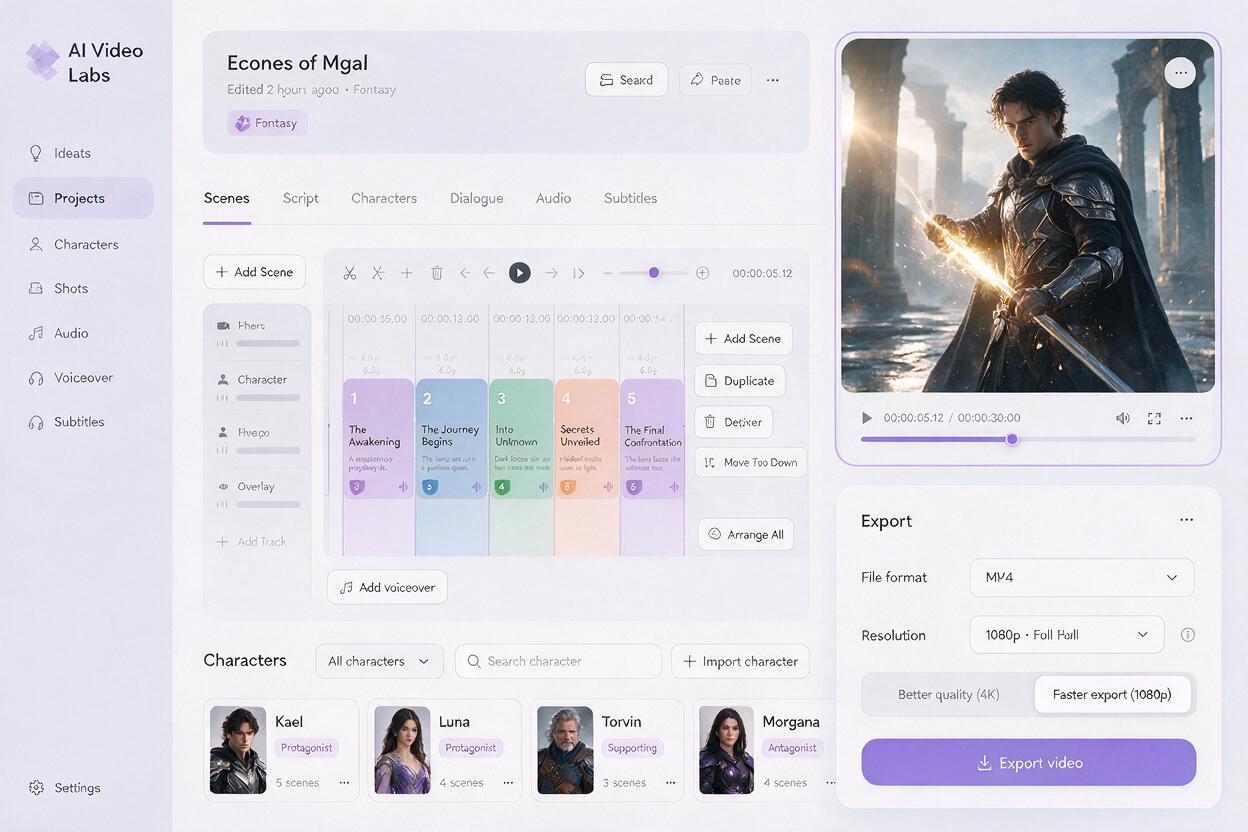
The good news is that AI content creation tools make it easier than ever to build high-performing, original content that taps into audience demand without relying on leaks or insider details. An ai video generator can turn a completely original concept — from a fantasy heist series to a holiday horror short — into polished, professional-looking content in hours, without needing to tie the content to a specific leaked studio project. For creators who focus on serialized content, AI short drama tools let you build entire fictional universes and ongoing storylines that resonate with the same audiences who watch mainstream franchise content, but with full creative control and no reliance on confidential industry information.
This shift toward original, creator-owned content is already gaining traction, and platforms like MagicBoat are making it accessible to creators of all skill levels. Whether you’re looking to test a new concept, build a short-form series, or produce a full ai film, you can try these models for free and start building original content that stands on its own creative merit, rather than chasing the latest leak or rumor.
Bottom Line
The Hollywood prediction market betting ban is more than a workplace policy update — it’s a clear signal that the entertainment industry is taking confidential information protection more seriously than ever, and that the line between public fan discourse and insider information is being drawn more sharply. For AI content creators, this is a reminder that building original, creative content is not only more ethical but also more sustainable in the long run.
Instead of spending time chasing unconfirmed rumors and leaked details, creators can leverage AI tools to build their own IP, tell their own stories, and tap into audience demand for fresh, original content. With the cost of production dropping rapidly thanks to AI tools, independent creators now have the ability to compete with mainstream content on quality, while retaining full creative control and avoiding the risks associated with relying on confidential studio information.
Key Takeaways
- Major Hollywood studios and trade publications enacted prediction market betting bans on November 19, 2026, prohibiting employee wagers on casting, earnings, release dates, and awards outcomes.
- The bans follow high-profile cases including a MrBeast editor fired and fined $20,000 for an insider bet, and a James Bond betting market pulled after casting wrapped.
- AI content creators should avoid relying on leaked or confidential information for content, as industry guardrails around non-public details are tightening.
- AI video and short drama tools make it possible to build high-performing original content that taps into audience demand without relying on studio IP or leaks.
Keywords
hollywood prediction market ban, ai content creation, entertainment industry rules, ai short drama, ai film, content creator ethics, insider betting