Huawei Chip Breakthrough Threatens Apple China Market Share, Draws US Scrutiny
A new CNBC weekly report dated October 18, 2026, highlights that Huawei’s latest chip breakthrough poses a fresh threat to Apple’s market share in China while drawing increased attention from Washington over technology control policies. The development underscores growing competitive and regulatory pressures in the global semiconductor and consumer tech sectors, with important implications for AI content creators building cross-platform workflows for Chinese audiences.
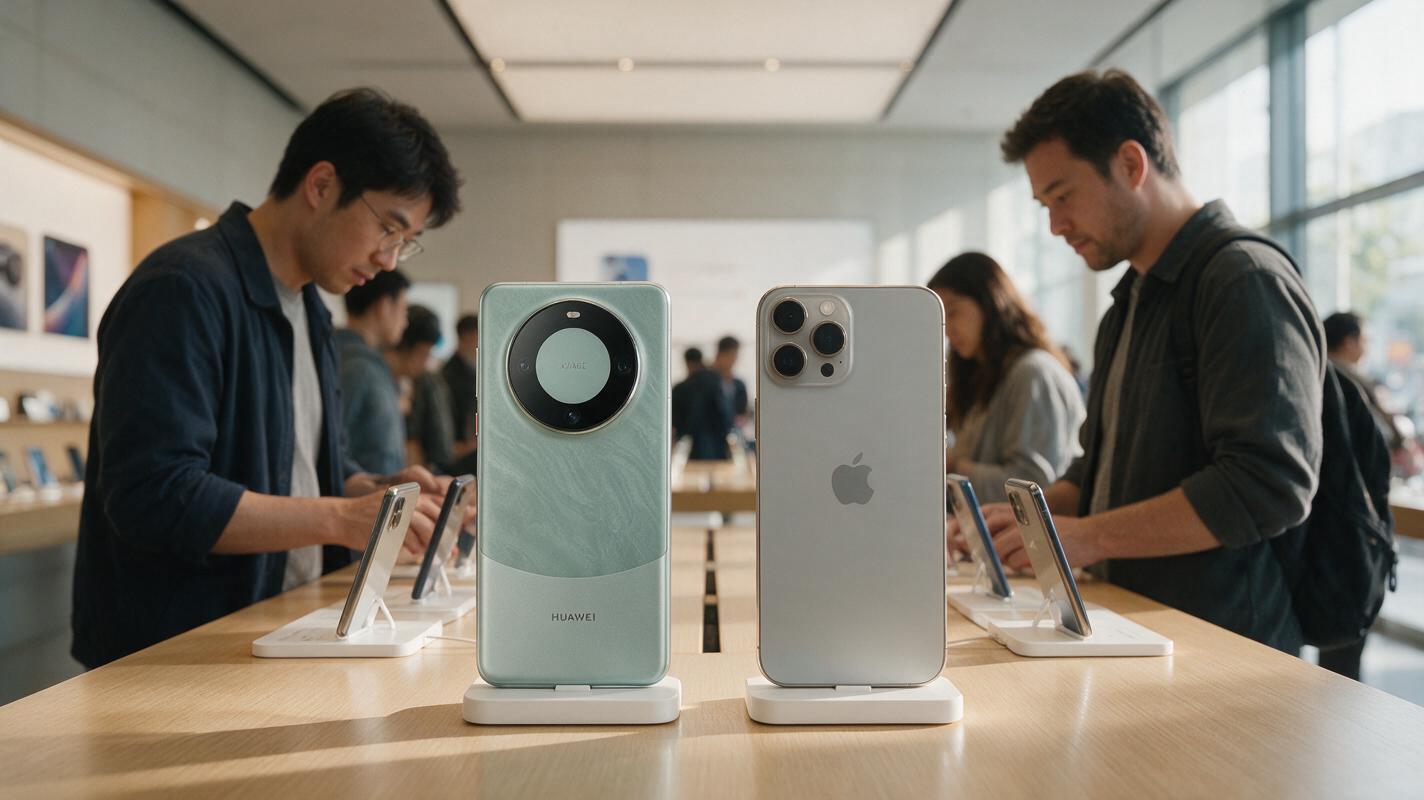
Table of contents
What the CNBC Weekly Report Reveals About Huawei's Chip Breakthrough
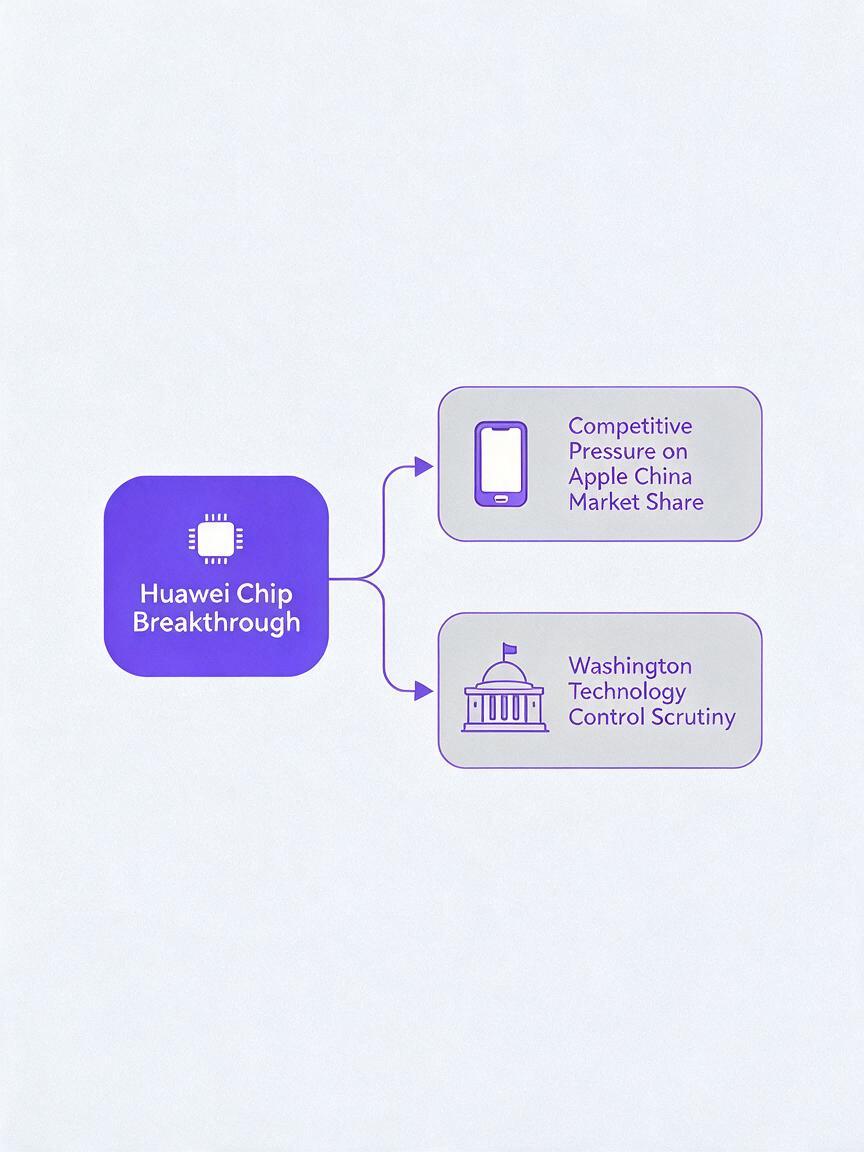
A new CNBC weekly report dated October 18, 2026, outlines two key implications of Huawei’s latest chip breakthrough: the technology poses a fresh threat to Apple’s market share in China, and it has drawn increased attention from Washington policymakers focused on technology control policies. The report frames the development as a notable shift in the competitive and regulatory landscape of the global semiconductor and consumer tech sectors, with ripple effects expected across device ecosystems and related industries.
While the report does not provide detailed specifications of the new chip or confirm exact performance metrics, it emphasizes that the breakthrough represents a significant step forward for Huawei’s in-house semiconductor capabilities. For Apple, which has long held a strong position in China’s premium smartphone and device market, the development introduces a new layer of competitive pressure at a time when the company is actively expanding its AI-enabled product and service offerings in the region.
The regulatory angle highlighted in the report adds another layer of complexity, as US officials weigh the effectiveness of existing technology export controls and consider potential new measures. The intersection of competitive market dynamics and regulatory policy makes this a development worth monitoring for anyone operating in the global tech, AI, or content creation spaces.
Competitive Pressure on Apple's China Market Position
Apple’s position in the Chinese market has been a key focus for the company in recent years, and the timing of Huawei’s chip breakthrough aligns with a period of active expansion for Apple’s AI and ecosystem offerings in the region. Just days before the CNBC report, news broke that Apple Intelligence had received approval to launch a beta in China later this October, built on Alibaba’s Qwen model. The initial beta rollout will include live translation, writing tools, and photo cleanup features, though Siri AI will not be included in the first batch of features.
The Apple Intelligence beta approval marked a key milestone for Apple’s AI strategy in China, as the company works to integrate AI features across its device lineup to drive user engagement and retention. A more competitive chip offering from Huawei could challenge Apple’s premium device positioning, particularly if Huawei’s upcoming flagship devices deliver comparable performance and AI capabilities at a competitive price point.
Apple’s recent “Welcome Home” smart-home event further underscores the company’s push to expand its ecosystem footprint in China. The event introduced the HomeView smart-home hub, a $299 device with a 7-inch square display and Siri AI, alongside new HomePod mini and Apple TV 4K models and a line of Home Collection accessories. A larger installed base of Huawei devices could make it harder for Apple to grow its smart-home and services revenue in the Chinese market, as consumers often prefer ecosystem-aligned products.

Washington's Scrutiny and Broader Semiconductor Regulation Impacts
Beyond the competitive dynamics in China, the CNBC report notes that Huawei’s chip breakthrough has drawn the attention of Washington policymakers, who have long prioritized limiting China’s access to advanced semiconductor technology. The development has sparked renewed discussions about the effectiveness of existing export controls and the potential for new regulatory measures to address gaps in technology access policies.
For the broader AI industry, shifts in semiconductor regulation can have far-reaching impacts on everything from device manufacturing costs to cloud infrastructure capacity. AI content creation tools rely on both consumer-facing hardware to deliver end-user experiences and backend data center computing power to run large AI models. Changes in semiconductor supply chains, export controls, or manufacturing capacity can all influence the cost and availability of these tools over time.
While the report does not outline specific policy changes under consideration, the increased attention from Washington signals that semiconductor regulation will remain a key factor shaping the global AI industry in the coming months and years. Companies across the AI value chain, from chip makers to cloud providers to AI tool developers, will need to adapt to evolving regulatory landscapes to maintain stable operations and pricing.
What This Means for Content Creators and AI Content Teams
For content creators and content teams that produce content for Apple platforms or Chinese audiences, the shifting competitive and regulatory landscape highlights the importance of building flexible, adaptable content workflows. Relying too heavily on a single device ecosystem or regional AI tool set can leave creators vulnerable to sudden shifts in market share, platform policies, or tool availability.
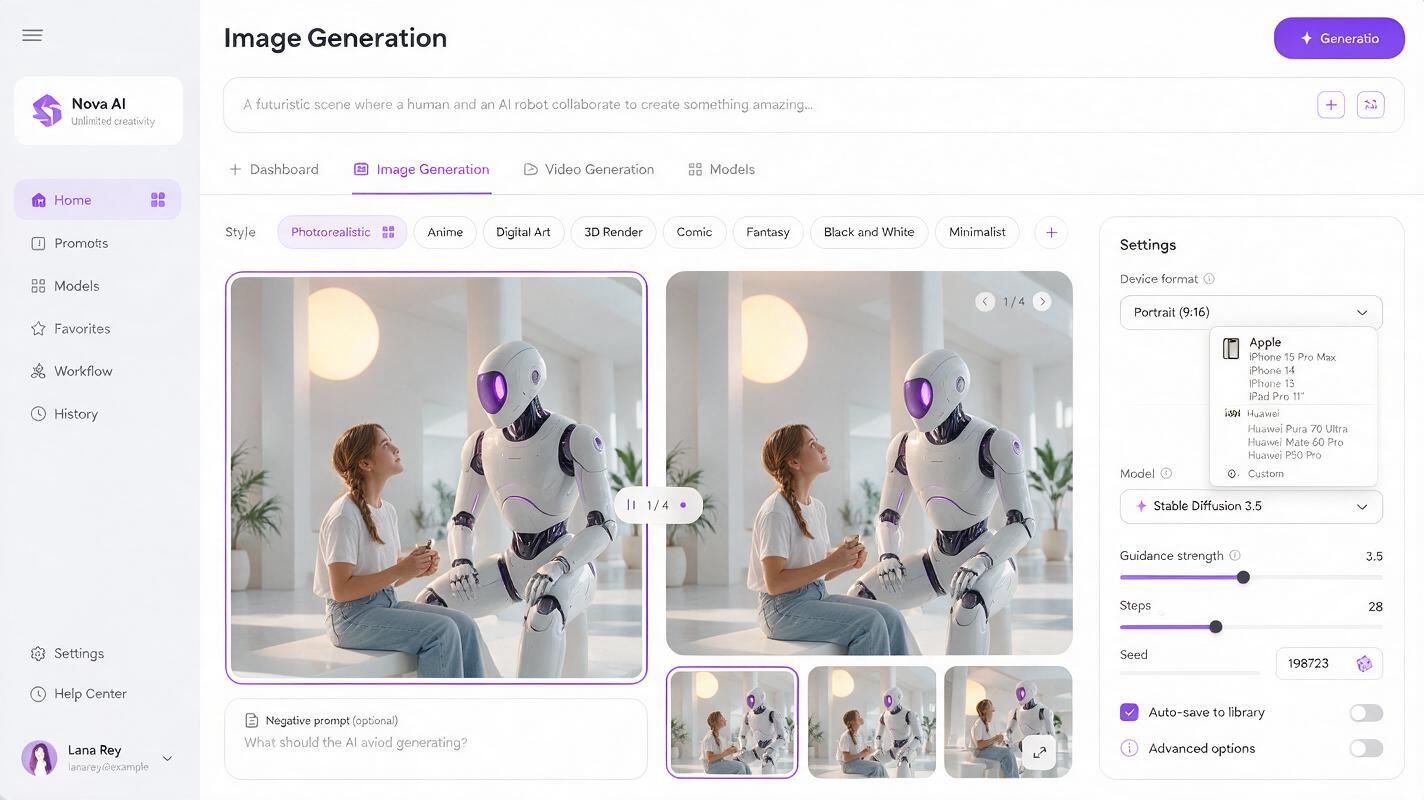
A multi-model AI content platform like MagicBoat helps mitigate these risks by providing access to a wide range of AI content tools through a single, centralized account. Instead of being locked into a single vendor’s ecosystem or managing multiple separate tool subscriptions, creators can access ai image generator and text to video capabilities that work across different device formats, platforms, and regional markets.
For example, creators producing visual content for Chinese audiences can use MagicBoat’s tools to generate assets optimized for both Apple’s high-resolution Retina displays and Huawei’s premium device screens, without needing to switch between different AI platforms or learn new tools. This flexibility makes it easier to adapt content strategies as market conditions change, ensuring that content reaches audiences regardless of what device they use.
To explore a full suite of AI content creation tools built for flexible, cross-platform workflows, try these models for free today.
Key Takeaways
- An October 18, 2026 CNBC weekly report states that Huawei’s latest chip breakthrough poses a new threat to Apple’s China market share and has drawn increased attention from Washington over technology controls.
- The competitive pressure comes as Apple expands its AI offerings in China, including the upcoming Apple Intelligence beta built on Alibaba’s Qwen model, which will launch later this October with live translation, writing tools, and photo cleanup features.
- Shifts in semiconductor regulation can have indirect ripple effects across the AI industry, impacting everything from device manufacturing costs to the availability and pricing of AI content creation tools.
- Content creators benefit from flexible, multi-model AI platforms that support cross-platform content adaptation and reduce reliance on any single device ecosystem or regional tool set.
Keywords
huawei chip breakthrough, apple china market share, ai industry, semiconductor technology, us tech controls, consumer tech, apple devices