Huawei Chip Breakthrough Threatens Apple’s China Market Share, CNBC Reports
CNBC’s October 18, 2026 weekly tech report states that Huawei’s recent chip breakthrough poses a new threat to Apple’s market share in China, while also drawing increased scrutiny from Washington over technology controls. The development highlights growing semiconductor competition that underpins the broader AI industry, where capital expenditure is projected to surge more than 50% to $1.2 trillion next year. Content creators can reduce risk from shifting market dynamics by using flexible, device-agnostic multi-model AI platforms.
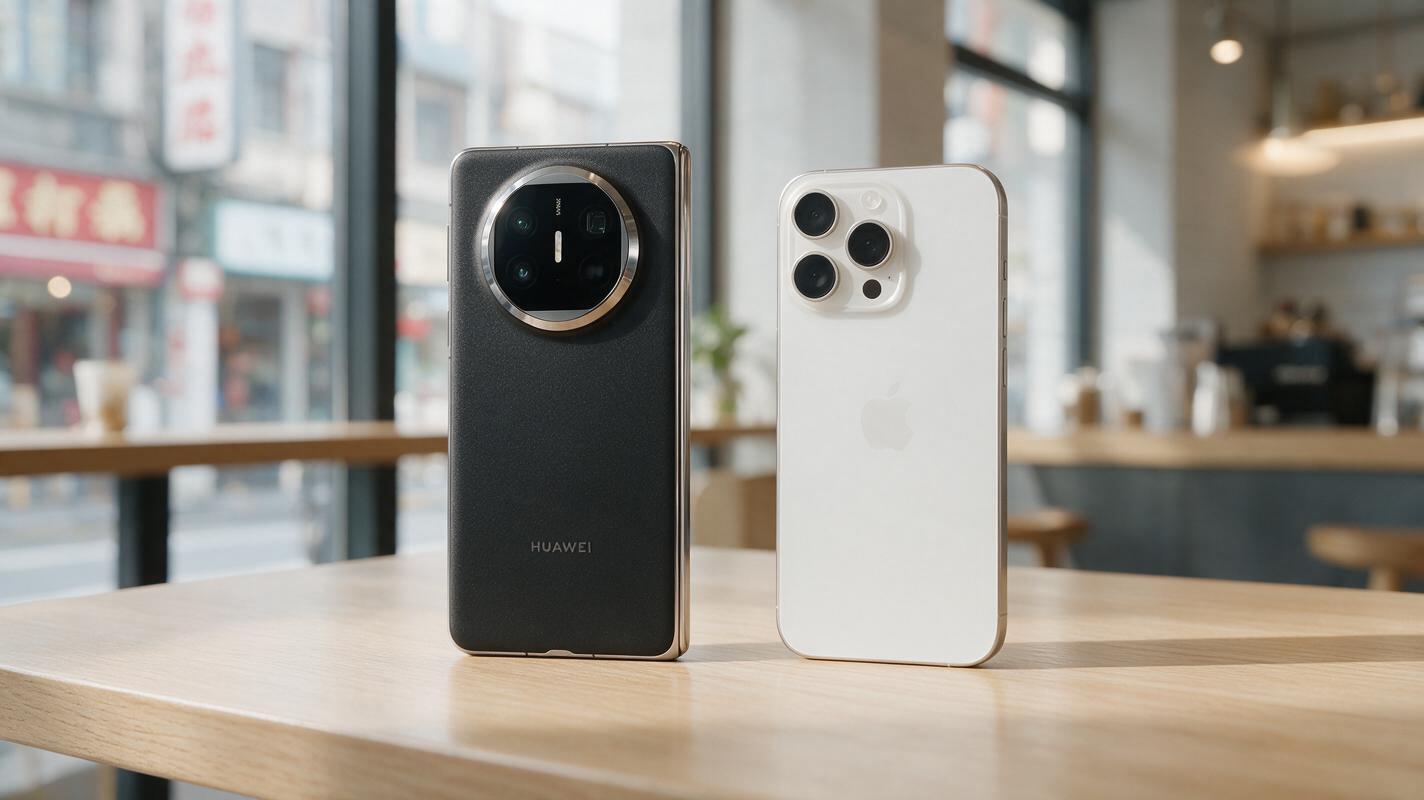
Table of contents
The CNBC Report: Huawei’s Chip Breakthrough and Apple’s China Position
On October 18, 2026, CNBC’s weekly tech report highlighted that Huawei’s recent chip breakthrough poses a new threat to Apple’s market share in China. The report notes the advancement represents a significant shift in the competitive landscape for premium smartphones and connected devices in one of the world’s largest consumer markets.
This development comes amid a flurry of activity for Apple in China, including recent regulatory approval for an Apple Intelligence beta built on Alibaba’s Qwen model. That beta is set to roll out later in October with features like live translation, writing tools, and photo cleanup, though Siri AI will not be included in the first batch. The news also follows conflicting reports about iPhone Pro demand: some sources claimed Apple cut new iPhone Pro orders by at least 15% amid an AI-driven memory chip shortage, while JPMorgan later refuted those rumors and raised its Apple target price to $360.

Washington’s Focus on Technology Controls
Beyond market competition, the CNBC report adds that Huawei’s chip breakthrough has drawn increased attention from Washington officials, who are examining existing technology control frameworks. The development has sparked renewed discussion about export regulations and semiconductor technology access, as policymakers weigh how to address advances in domestic chip manufacturing outside of traditional allied supply chains.
While specific policy changes have not been announced, the heightened scrutiny signals potential shifts in how semiconductor and AI hardware technologies are regulated across borders. These shifts could have ripple effects for device availability, component pricing, and AI infrastructure development in multiple markets.

Broader AI Industry and Semiconductor Competition Context
Semiconductor advancements are a foundational driver of the AI industry, as both model training and consumer-facing AI features depend on high-performance chips. Competition between chipmakers and device manufacturers directly impacts the pace of AI innovation, as well as the cost and accessibility of AI tools for end users.
Industry data underscores the scale of investment flowing into AI-related hardware and infrastructure: Goldman Sachs estimates the five largest cloud giants’ ai capital expenditure will grow 50% or more to $1.2 trillion next year. This massive spending reflects the critical role of underlying hardware in supporting the next wave of AI products and services, even as projects face barriers like permitting delays, power constraints, and community opposition in some regions.
Implications for Content Creators
For content creators and content teams, shifts in the global device and AI hardware landscape can introduce uncertainty around tool access, feature availability, and workflow consistency. When market dynamics or regulatory changes alter which devices or AI services are available in a given region, creators who rely on a single vendor’s ecosystem may face disruptions to their production pipelines.
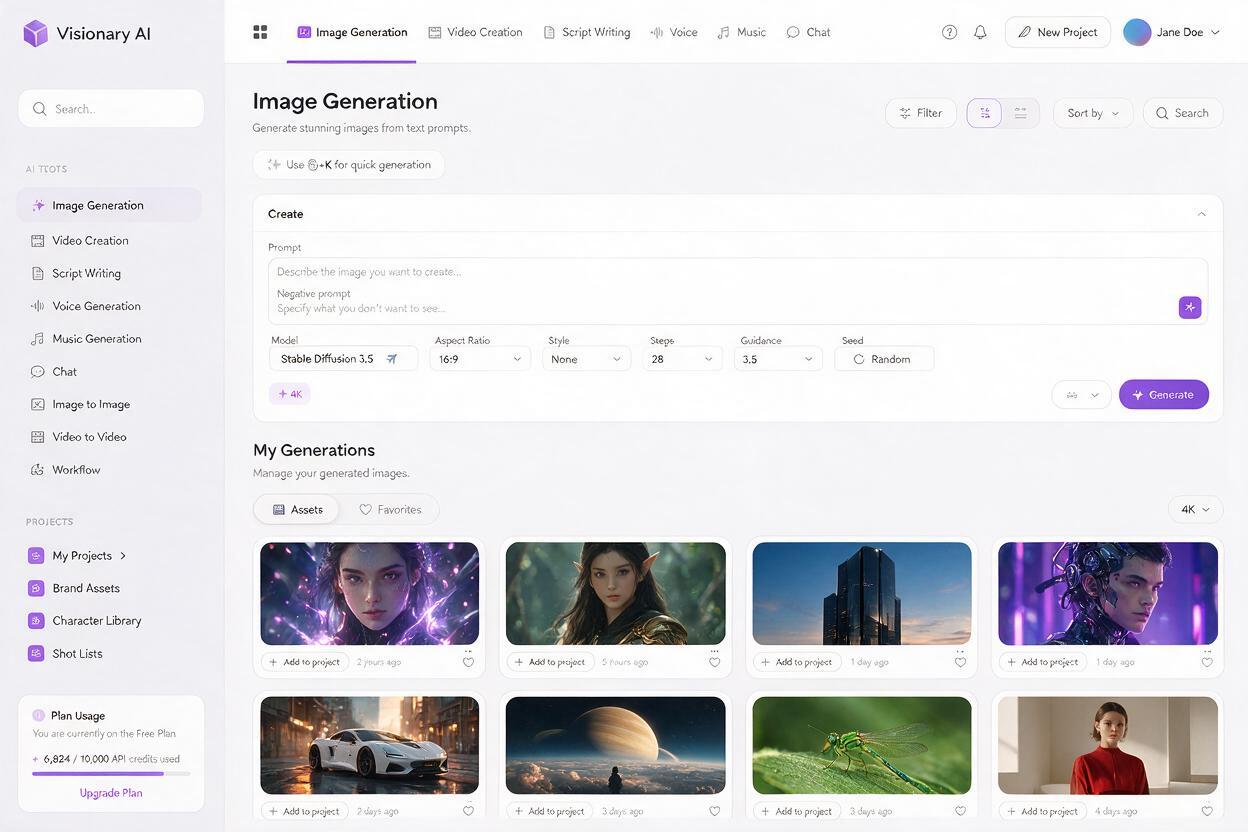
Flexible, vendor-agnostic AI tools help mitigate this risk. An ai image generator accessible through a web browser works across any device, whether you’re using an iPhone, a Huawei phone, a Windows PC, or a Mac. Similarly, cloud-based text to video tools let you produce high-quality content from anywhere with an internet connection, without being tied to a specific hardware ecosystem or regional service availability.
Platforms like MagicBoat centralize a full suite of creative AI tools under one account, so you can switch between image generation, video editing, script writing, and more without managing multiple subscriptions or worrying about regional access restrictions. You can try these models for free to explore how a multi-model platform fits your content workflow.
Key Takeaways
- CNBC’s October 2026 weekly report flags Huawei’s recent chip breakthrough as a new competitive threat to Apple’s market share in China.
- The development has drawn increased attention from Washington officials, who are reviewing technology control frameworks in response.
- Semiconductor competition is a core driver of the AI industry, with global AI capital expenditure projected to surge more than 50% to $1.2 trillion next year.
- Content creators benefit from flexible, device-agnostic AI tools that reduce reliance on any single hardware or software ecosystem and minimize regional access risks.
- Multi-model platforms like MagicBoat provide consistent access to a range of creative AI tools across devices and regions.
Keywords
huawei chip breakthrough, apple china market share, technology controls, semiconductor competition, ai hardware, ai industry, ai capital expenditure