Hunting Gary Glitter and Love Is Blind Season 11 Arrive on Netflix
Netflix released the three-part crime docuseries Hunting Gary Glitter alongside Love Is Blind Season 11 on October 14. The pairing highlights how a streaming schedule can serve sharply different viewing intentions while offering useful lessons for original AI content development.
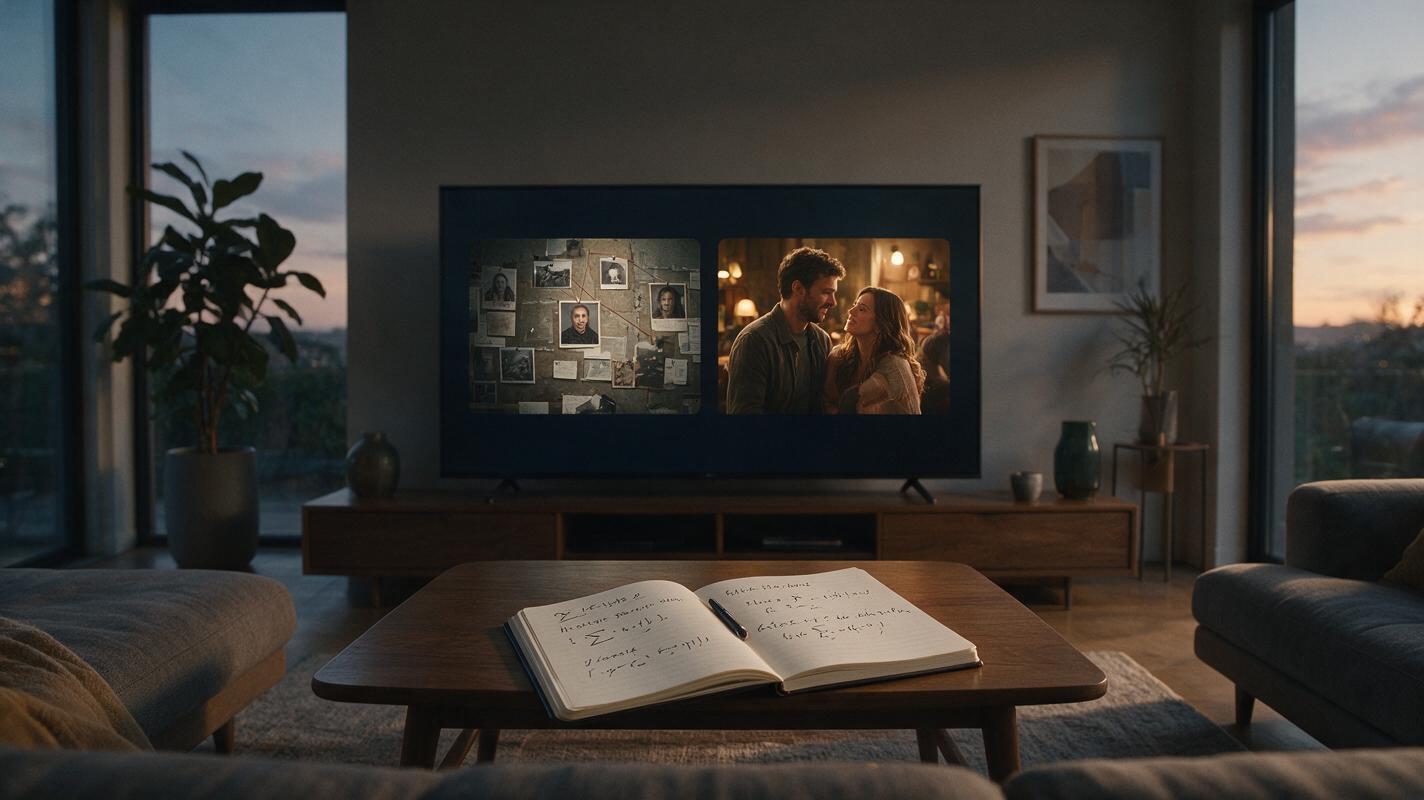
Table of contents
Netflix Pairs a Crime Docuseries With a Returning Relationship Series
Netflix expanded its October 14 lineup with two markedly different releases: Hunting Gary Glitter, a three-part crime docuseries, and Love Is Blind Season 11. One is a compact nonfiction production organized across three installments; the other extends an established Netflix title into its eleventh season.
The simultaneous arrival is notable because the two titles occupy very different areas of the streaming catalog. Hunting Gary Glitter offers a finite documentary package, while Love Is Blind returns with the recognition and continuity of a long-running series. Netflix is therefore addressing contrasting viewer intentions within the same release window rather than relying on one genre or format to carry the day.
For people working in AI content creation, the useful signal is not that either title should be copied. It is that format, emotional promise, and release positioning can be designed together. An original ai video, ai film, or ai short drama becomes easier to understand when audiences can quickly recognize what kind of experience it offers.
Why These Two Netflix Releases Form a Revealing Pair
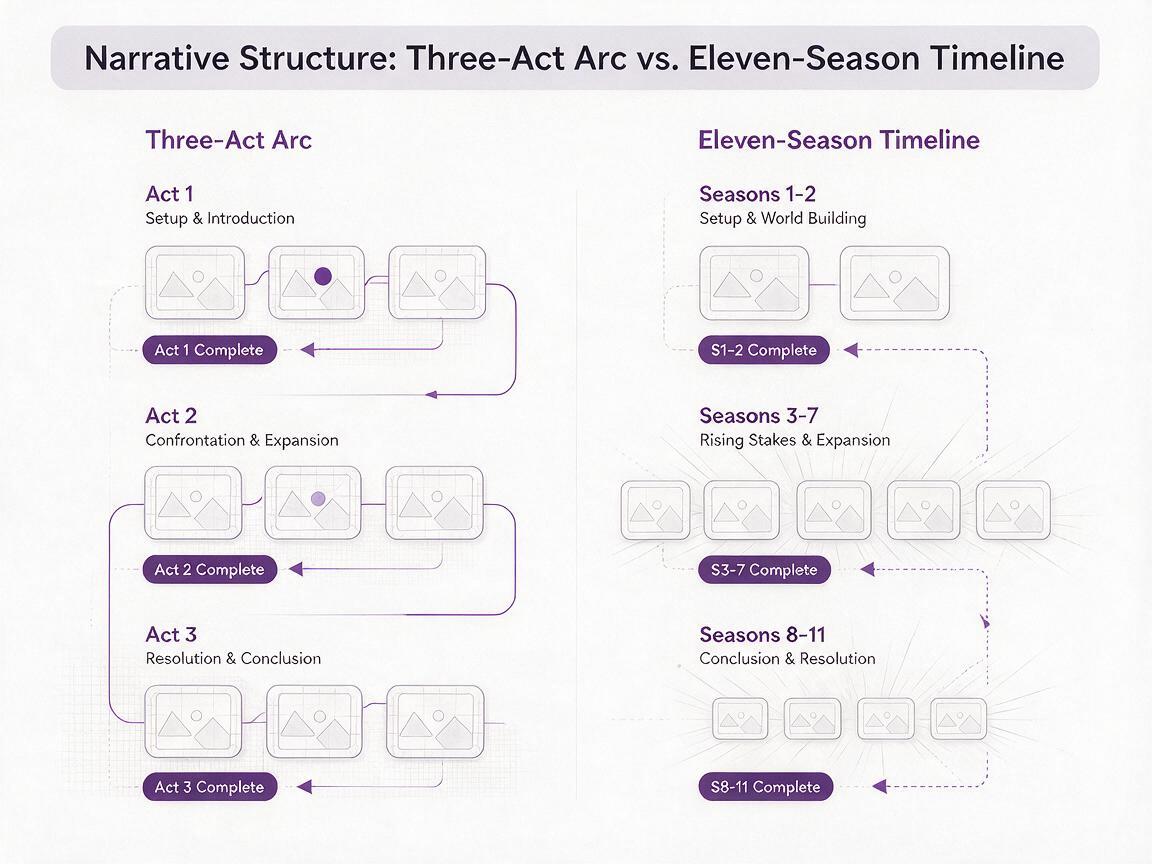
Hunting Gary Glitter and Love Is Blind Season 11 illustrate two different forms of audience familiarity. A crime docuseries can attract attention through a defined subject and a concentrated nonfiction structure. An eleventh season, by contrast, communicates continuation before a viewer knows anything else about the new installment.
That distinction matters in a crowded catalog. A title can be positioned around a self-contained subject, or it can build value through an expandable format that audiences recognize over time. Neither approach guarantees attention, but each gives the viewer a clear reason to understand the release.
A strong content package answers two questions immediately: what experience is being offered, and is it complete or designed to continue?
The three-part structure attached to Hunting Gary Glitter signals a bounded viewing commitment. The season number attached to Love Is Blind signals an established sequence. Those labels do substantial communication work before promotion, imagery, or individual episode descriptions enter the picture.
Finite Documentary and Returning Series Serve Different Viewing Intentions
| Release | Confirmed format | Immediate positioning signal | Original-content lesson |
|---|---|---|---|
| Hunting Gary Glitter | Three-part crime docuseries | A concentrated nonfiction package | Define the subject and narrative boundary clearly |
| Love Is Blind Season 11 | Eleventh season | Continuation of a recurring title | Build a repeatable format with recognizable continuity |
The contrast does not require creators to choose between documentary and recurring entertainment. It encourages them to decide whether an idea is strongest as a compact arc or as a reusable format. A tightly bounded concept may benefit from a small number of chapters. A repeatable premise may need stable visual rules, recurring structural beats, and room for variation.
That decision should happen early. Expanding a premise that only supports one strong arc can create repetition, while compressing a format with genuine recurring potential can leave its best ideas unexplored. The October 14 pairing makes this editorial choice unusually visible because Netflix placed both models in the same release window.
What the Release Mix Suggests for Original AI Story Development
AI production tools can generate many images, scenes, and variations, but volume is not the same as a coherent content identity. The lesson from this Netflix release mix is to establish the viewing promise before producing assets. Is the project investigative, observational, romantic, comic, suspenseful, or some intentional combination? Is it meant to conclude after a short run, or can the central format support repeated installments?
An original documentary-inspired project should also remain clearly fictional unless it is based on responsibly sourced and verified reporting. AI-generated faces, voices, documents, or reenactments can create confusion when presented as real evidence. A safer creative direction is to invent the subject, label dramatization clearly, and avoid imitating identifiable people.
For a recurring fictional series, continuity becomes the central production challenge. Character appearance, location design, color palette, framing, and episode rhythm need to remain recognizable. A structured ai storyboard can help teams compare scene ideas before committing to a larger batch of visuals.
A Development Brief That Keeps the Format Clear
A concise brief can separate the core promise from the production method. For an entirely original project, that brief might look like this:
Format: compact fictional miniseries or repeatable short series
Audience promise: one clearly defined emotional experience
Narrative boundary: a complete arc or an expandable recurring premise
Visual continuity: stable characters, locations, palette, and camera language
Ethical boundary: no imitation of real people and no fabricated evidence
Release identity: title, episode pattern, and artwork should communicate the format
This kind of framework is useful because it limits random generation. Every shot, voice, and scene can be evaluated against the same editorial identity rather than produced simply because a model can create it.

From Streaming Signal to an AI Content Workflow
MagicBoat brings multiple creation capabilities into one account, allowing a concept to move from story planning into visual experimentation without losing its central brief. A creator developing a compact fictional mystery could organize the arc, map the visual progression, and use ai short drama tools to explore an episodic presentation.
A repeatable relationship-driven fiction concept would need a different emphasis: consistent characters, recognizable settings, and a premise capable of generating new conflicts without reproducing a real program. The purpose of AI here is not to imitate Hunting Gary Glitter or Love Is Blind. It is to test original formats with enough structure that audiences understand what they are being invited to watch.
This is also where a multi-model environment can be practical. Different models may produce different visual interpretations of the same brief. Comparing those results inside a stable creative process can help identify the version that best preserves tone, continuity, and narrative clarity.

Format Clarity Matters More Than Production Volume
Netflix’s October 14 combination shows how sharply differentiated releases can coexist. Hunting Gary Glitter arrives as a three-part crime docuseries, while Love Is Blind reaches Season 11. Their subjects and structures differ, but both are packaged with an immediately legible format.
For independent filmmakers and AI storytellers, that clarity is a competitive advantage. A smaller project does not need the scale of a major streaming release, but it does need a defined promise. Viewers should be able to tell whether they are entering a complete short arc or a world designed to continue.
To explore original concepts across planning, imagery, and video, try these models for free and compare how the same creative brief translates across different outputs.
Key Takeaways
- Hunting Gary Glitter was released by Netflix as a three-part crime docuseries on October 14.
- Love Is Blind Season 11 arrived in the same Netflix release window.
- A finite series and a returning title communicate different viewing commitments.
- Original AI projects benefit from deciding early whether a premise is complete or repeatable.
- Clear ethical boundaries are essential when developing documentary-inspired fiction.
- Consistent story and visual rules matter more than generating a large volume of disconnected assets.
Keywords
Hunting Gary Glitter, Love Is Blind Season 11, Netflix releases, crime docuseries, ai content creation, ai short drama, ai video