Netflix Releases Hunting Gary Glitter and Love Is Blind Season 11
Netflix released the three-part crime docuseries Hunting Gary Glitter alongside Love Is Blind Season 11 on October 14. The pairing highlights how sharply differentiated formats, recognizable titles and clearly communicated scope can help content stand out in a crowded streaming schedule.
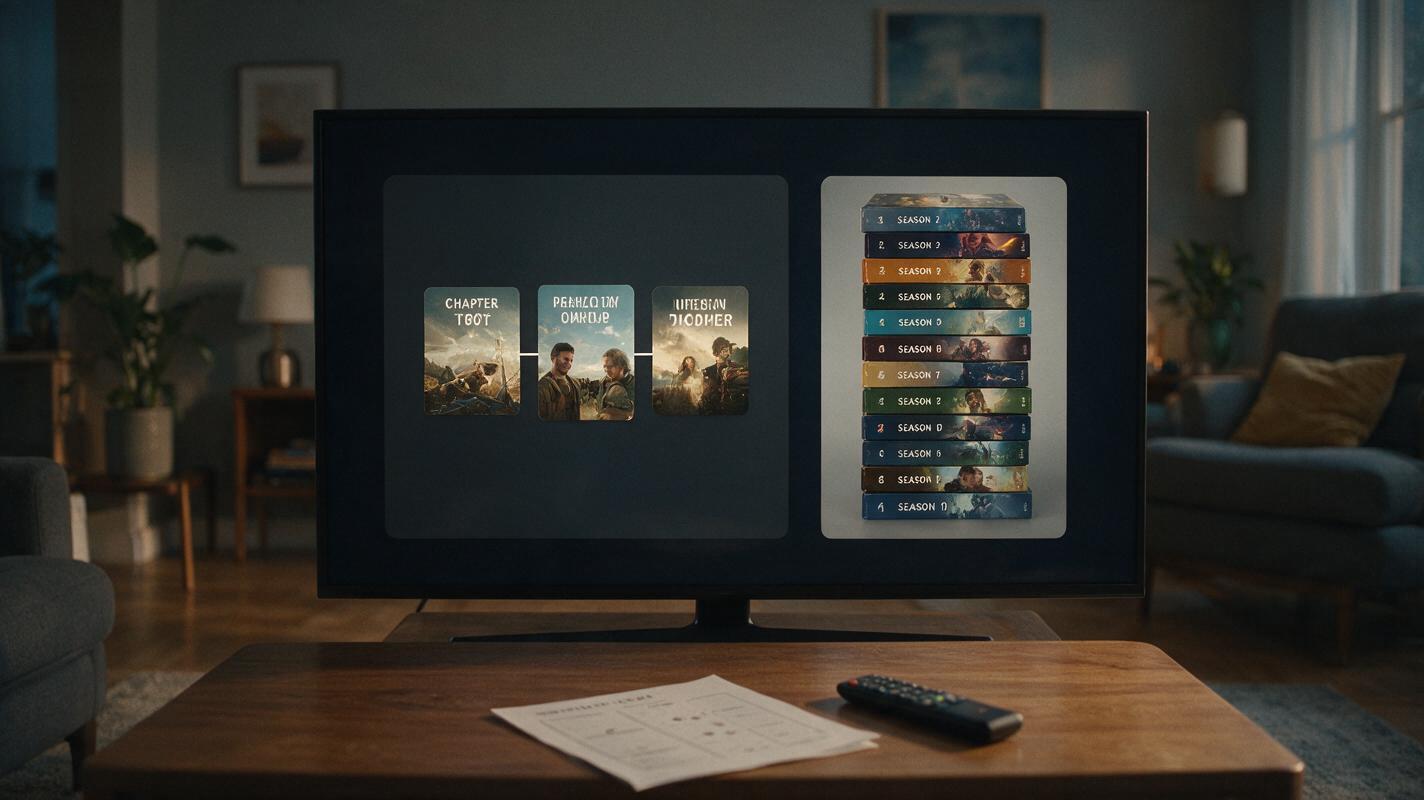
Table of contents
Two Very Different Netflix Releases Arrive Together
Netflix released Hunting Gary Glitter, a three-part crime docuseries, and Love Is Blind Season 11 on October 14, placing a compact documentary production beside the latest season of an established series.
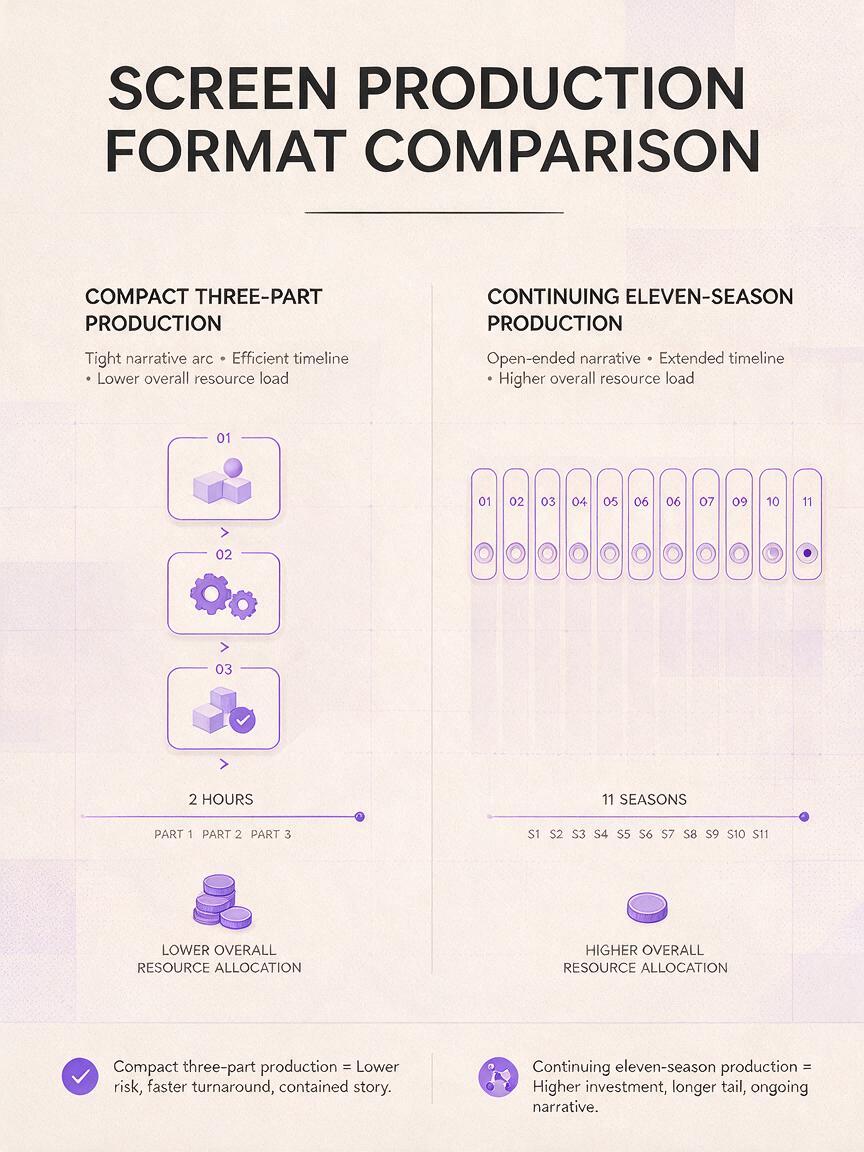
The two titles present audiences with distinctly different viewing commitments. Hunting Gary Glitter is identified as a three-part crime docuseries, giving viewers an immediate sense of its format and length. Love Is Blind arrives with Season 11 in its title, signaling an ongoing production with a long history of previous seasons.
That contrast is the most notable part of the release pairing. One title communicates a tightly bounded documentary package, while the other emphasizes continuity and accumulated recognition. Both appeared in the same Netflix release window, but each used a different form of audience familiarity to establish its place in the catalog.
For people working in AI content creation, the news offers a useful editorial lesson: a project becomes easier to understand when its format, scope and identity are visible before the audience presses play. An original AI film or AI short drama still needs a concise promise that distinguishes it from everything released around it.
Why Format Clarity Matters in a Crowded Release Window
Streaming audiences encounter titles in groups rather than isolation. A release is surrounded by other films, series, documentaries and returning seasons, so its basic proposition must be legible quickly.
Hunting Gary Glitter communicates three important pieces of information through its listing: its subject-led title, its crime framing and its three-part structure. Love Is Blind Season 11 communicates a different set of signals: a recognizable series title, continuity and a new season number.
The resulting contrast can be summarized without assuming that every production must follow the same model:
| Release | Confirmed format signal | Audience-facing value |
|---|---|---|
| Hunting Gary Glitter | Three-part crime docuseries | A defined subject and bounded viewing commitment |
| Love Is Blind Season 11 | Eleventh season | Continuity and an established title identity |
Independent productions can apply the same principle without imitating either title. A short project can emphasize a finite arc. An episodic project can emphasize recurring characters, a repeatable premise or a consistent visual identity. The central goal is to make the viewing proposition understandable.
A clear format is part of the story’s marketing. “Three-part docuseries” and “Season 11” tell viewers what kind of commitment is being offered before the narrative begins.
What the Three-Part Docuseries Format Communicates
A three-part designation creates boundaries. It tells the audience that the production has been organized into a compact sequence rather than presented as an open-ended run. From an editorial perspective, that structure can support a beginning that establishes the subject, a central section that develops the material and a concluding section that resolves the production’s central line of inquiry.
That is not a claim about the internal episode structure of Hunting Gary Glitter, which is not detailed in the available release information. It is a broader lesson from the confirmed three-part format: stating the size of a project helps audiences decide whether it fits their interests and available time.
For original documentary-inspired work, creators should also distinguish between factual reporting and fictional development. Research notes, sourced claims and speculative ideas should remain clearly separated. AI tools may support planning or visualization, but they do not remove the need to verify real-world material and handle sensitive subjects responsibly.
An ai storyboard can help map the visual progression of an original production before scenes are generated. The most useful planning questions concern narrative purpose rather than surface spectacle:
- What does each episode or chapter add?
- Which information belongs in the opening rather than the conclusion?
- Where does the emotional or investigative focus change?
- Can each segment be summarized in one distinct sentence?
- Does the final section deliver on the premise established at the beginning?

What Season 11 Says About Repeatable Identity
Love Is Blind Season 11 represents the opposite scale signal. The season number communicates that the title has continued across many editions. Even without additional performance figures or episode details, the number itself places the release within a larger body of work.
For independent storytellers, the relevant takeaway is not that every concept should become a long-running series. It is that repeatable productions need a stable identity. If audiences encounter multiple installments, they should be able to recognize what connects them while still understanding what makes the newest installment worth attention.
That identity can come from a recurring visual language, a consistent episode duration, a recognizable narrative framework or a continuing fictional world. An AI short drama might use the same setting across multiple installments while changing the central conflict. An AI video anthology might preserve its framing and tone while introducing a different original premise in every release.
Consistency should not become repetition. The recognizable framework gives audiences an entry point, while variation supplies the reason to return. This balance is especially important when a production is released near unrelated titles competing for the same browsing attention.
Turning a Release Concept Into an Original Visual Package
The October 14 pairing shows that format labels can perform significant promotional work. Before producing an original project, creators can define a similarly concise package containing a working title, format, installment count and one-sentence premise.
Once that editorial foundation is stable, text to video can be used to explore original scene concepts, promotional clips or visual tone. The technology is most effective when the prompt reflects decisions already made about setting, subject, atmosphere and camera language.
A useful creative brief might look like this:
Original project title: The Last Broadcast
Format: Three short fictional chapters
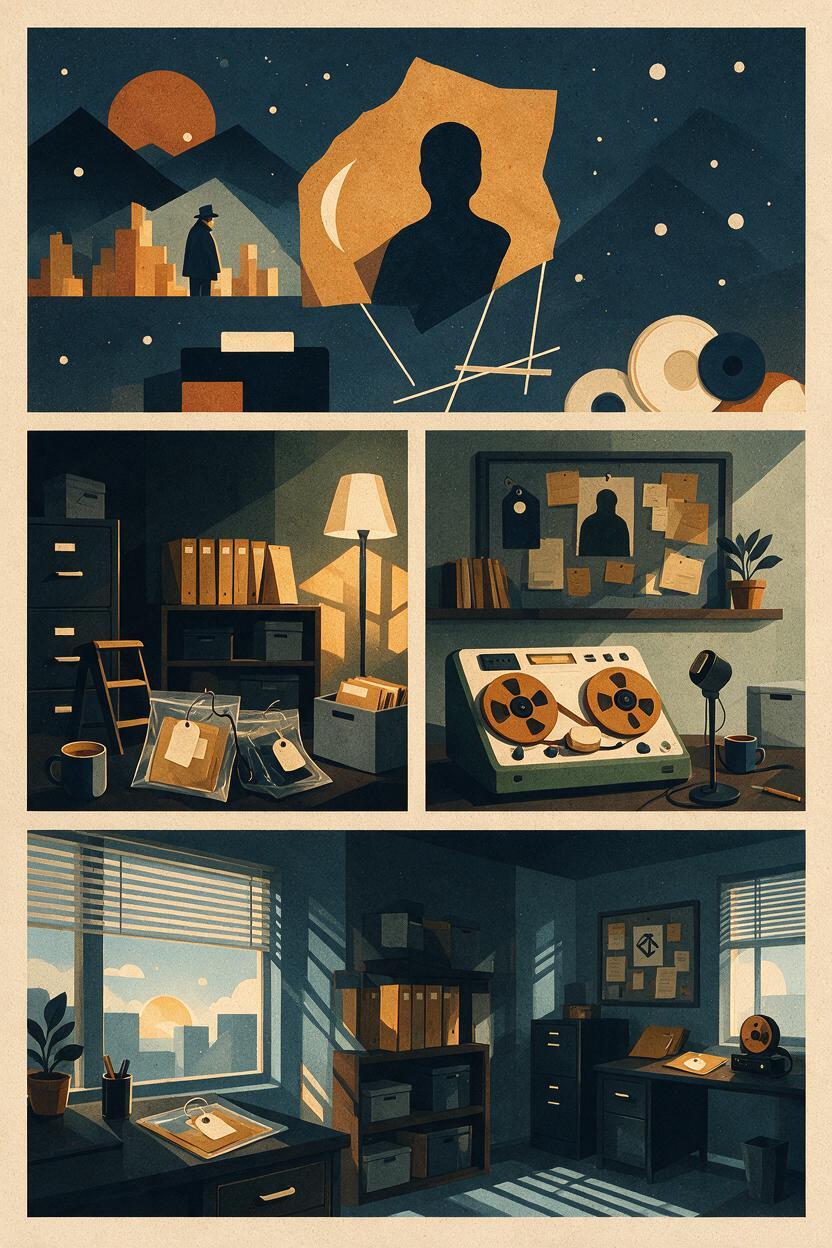
Premise: A radio archivist discovers that one unlabeled recording predicts events that have not happened.
Visual direction: Quiet archive rooms, physical tape reels, restrained camera movement and cold morning light.
Release identity: One mystery, three escalating discoveries and a conclusive final chapter.
This example is entirely fictional and does not reproduce either Netflix title. Its value lies in the clarity of the package: format, premise, visual direction and release identity reinforce one another.
MagicBoat can support the movement from that initial concept toward story planning and visual experimentation in one creative environment. Rather than generating disconnected shots, creators can treat each asset as part of a coherent release package.
Building Promotion Around the Viewing Promise
Promotional material should communicate the same promise as the finished project. A compact series benefits from messaging that emphasizes its complete arc. A recurring production benefits from recognizable design and a clear distinction between the newest installment and earlier entries.
Short promotional assets can focus on different parts of that promise:
- Premise clip: Introduces the central original conflict without explaining its resolution.
- Format card: Makes the number of chapters or installments immediately visible.
- Character clip: Establishes a key motivation, decision or relationship.
- Atmosphere clip: Communicates setting and tone through a focused visual moment.
- Release card: Repeats the title and project format consistently.
This approach helps avoid a common weakness in AI video promotion: producing visually impressive clips that do not explain what the larger project actually is. Strong imagery attracts attention, but a defined viewing promise gives that attention somewhere to go.
Key Takeaways
- Netflix released Hunting Gary Glitter and Love Is Blind Season 11 on October 14.
- Hunting Gary Glitter is a three-part crime docuseries.
- The Season 11 label gives Love Is Blind an immediate continuity signal.
- Compact and recurring formats require different forms of audience communication.
- Original AI productions benefit from a defined title, scope, premise and visual identity.
- Factual and fictional material should remain clearly separated when developing documentary-inspired work.
- Promotional clips should reinforce the project’s viewing promise rather than operate as disconnected images.
To develop an original episodic concept, documentary-inspired fictional story or AI film package, try these models for free on MagicBoat.
Keywords
hunting gary glitter netflix, love is blind season 11, netflix releases, crime docuseries, ai content creation, ai video, ai short drama, text to video