Claude Opus vs GPT-6 vs Gemini 4: Test Image to Video with Free AI Tools
Recent updates to leading AI models have expanded image-to-video capabilities for creators, but choosing the right fit for your workflow can feel overwhelming. This guide breaks down how to test Claude Opus, GPT-6, and Gemini 4’s image-to-video performance using free AI tools, so you can compare outputs side by side without costly subscriptions. We’ll also explain how multi-model platforms like MagicBoat simplify testing and boost long-term workflow flexibility.
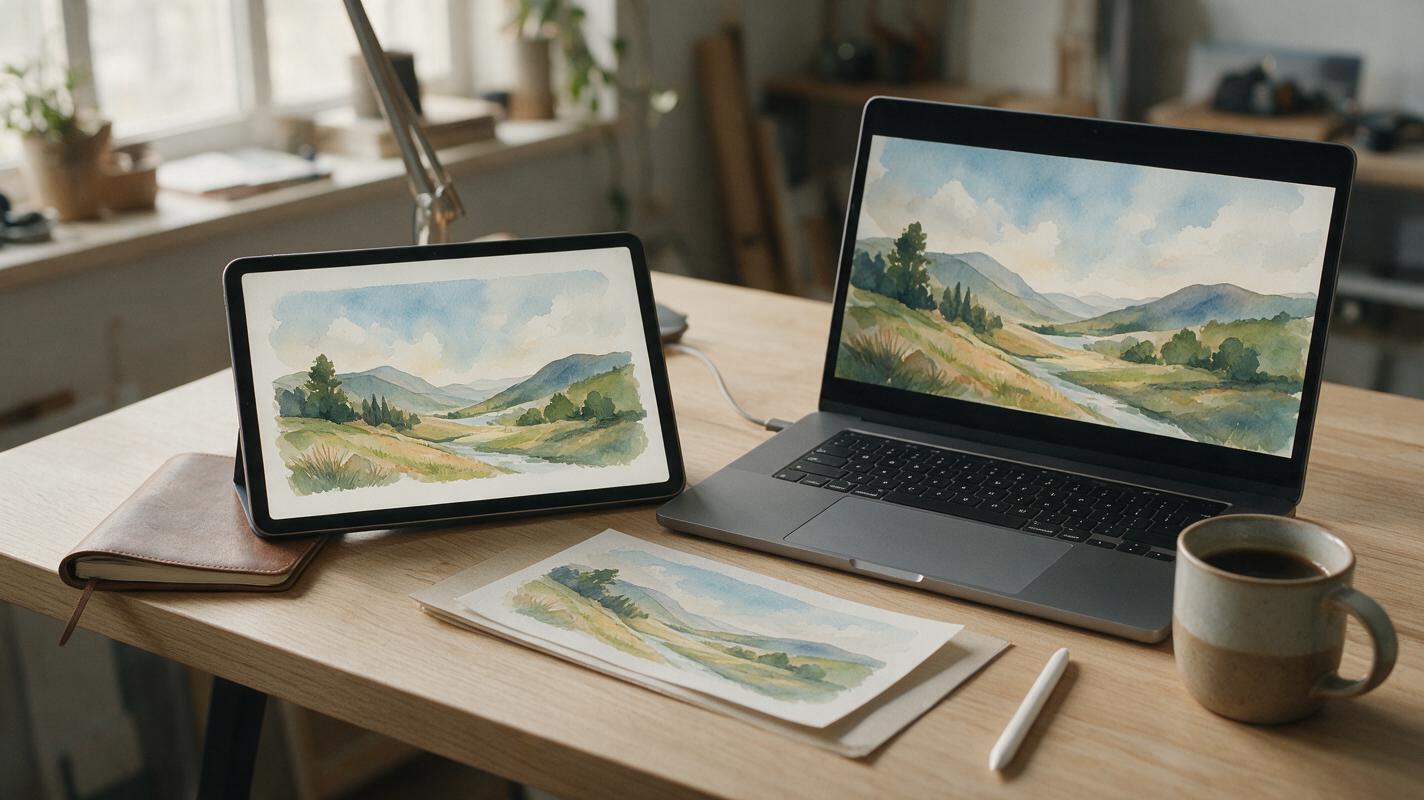
Table of contents
Why Image to Video Testing Matters for Creators
Recent updates to Claude Opus, GPT-6, and Gemini 4 have expanded image-to-video capabilities across all three leading AI models, giving creators more ways to turn static visuals into dynamic content. For AI video creators, this abundance of options can be both a gift and a challenge: the right ai video model for one project might fall short for another, and testing each one individually can eat into time and budget.
The good news is that free ai tools make it easy to test multiple models without committing to multiple paid subscriptions, so you can find the perfect fit for every project. Whether you’re repurposing product photos for social media, bringing digital art to life, or adding motion to storyboard frames, testing image to video outputs side by side ensures you get the best possible results.
What Makes Image to Video Such a Valuable Creator Tool
Image to video generation unlocks a wide range of use cases that were once time-consuming or required specialized video editing skills. Static social media graphics can be transformed into eye-catching Reels or TikTok clips in minutes, while product photos can gain subtle motion to stand out in crowded feeds. Digital artists can turn illustrations into animated shorts, and filmmakers can test storyboard frames as moving sequences before production.
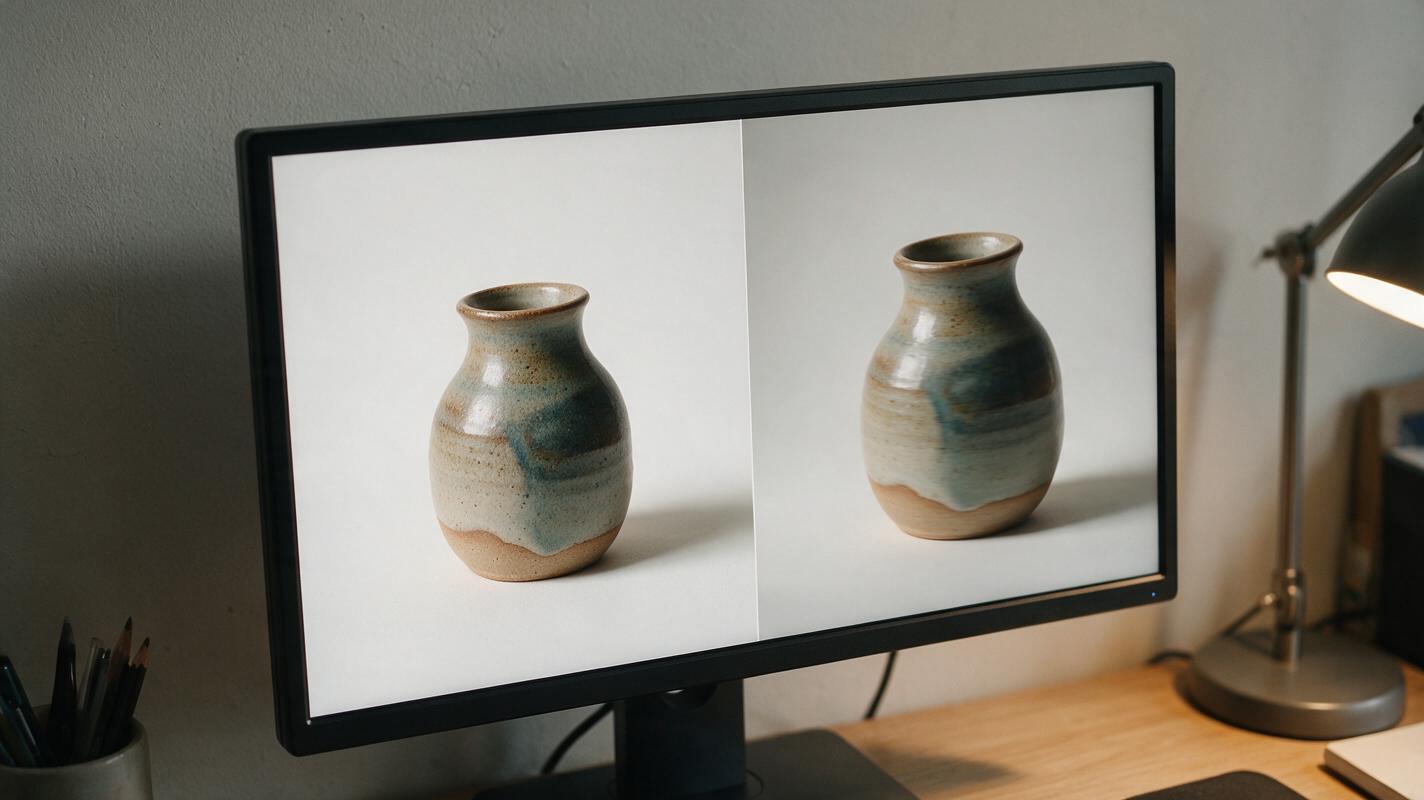
Because each ai video model is trained on different data and optimized for different outcomes, results can vary widely even with the same input image. A model that excels at realistic human motion might struggle with stylized animation, while one that nails fantasy art might produce jarring product footage. That’s why testing with your own content is the only reliable way to evaluate performance.
How to Evaluate Image to Video Outputs Across Models
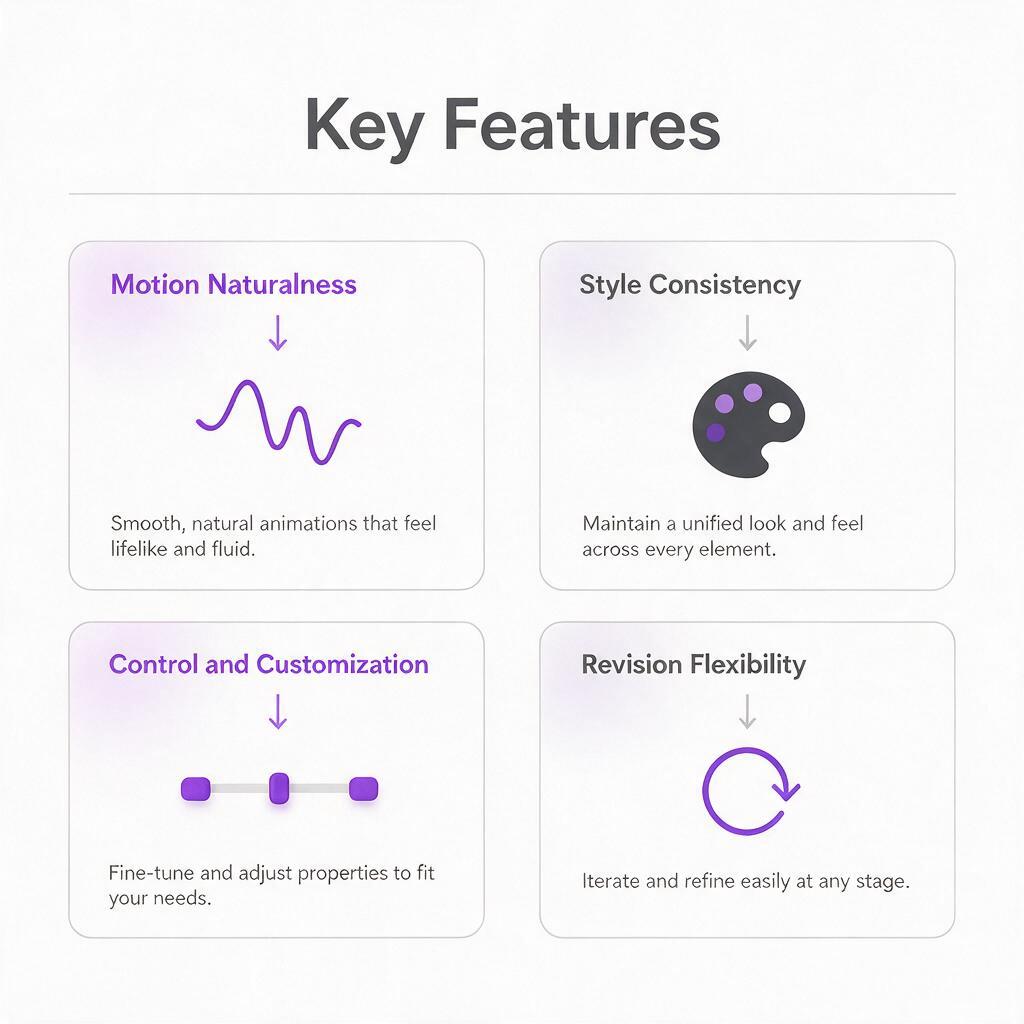
When testing Claude Opus, GPT-6, and Gemini 4, focus on the metrics that matter most for your specific workflow, rather than generic benchmark scores. These are the key areas to assess for every test clip.
Motion Naturalness and Coherence
Pay attention to how movement is rendered across the frame. Look for jerky or unnatural motion, distorted objects that shift shape unexpectedly, or elements that appear or disappear without reason. For projects with people, check that facial features and body movements stay consistent and realistic throughout the clip.
Style and Visual Consistency
Compare the output to your original image to ensure the color palette, art style, and core composition stay intact. A model that changes the mood of a photo or alters key details of your artwork won’t be useful for projects that require brand consistency or creative fidelity.
Control and Customization
Test how well the model responds to guidance about clip length, motion speed, and focal points. Can you ask for a slow pan across the image, or a zoom in on a specific detail? The more control you have over the output, the more you can tailor results to your project’s needs.
Revision Flexibility
Great AI video rarely comes from a single prompt. Test how easy it is to adjust the output with follow-up requests, whether that’s slowing down motion, changing the lighting, or fixing a specific detail. Models that support iterative revisions can save you hours of rework.
The Benefits of Testing with Free AI Tools First
Investing in a new AI tool subscription can feel like a gamble, especially if you’re not sure the model will fit your workflow. Free ai tools eliminate that risk by letting you test core features with your own content before you spend any money. You can run multiple test projects, compare results, and only upgrade when you’re confident the tool will deliver value.
Testing with free tools also helps you avoid the hassle of managing multiple accounts and billing cycles across different platforms. Instead of signing up for three separate subscriptions just to run a few tests, you can use a single platform that gives you access to all three models in one place.
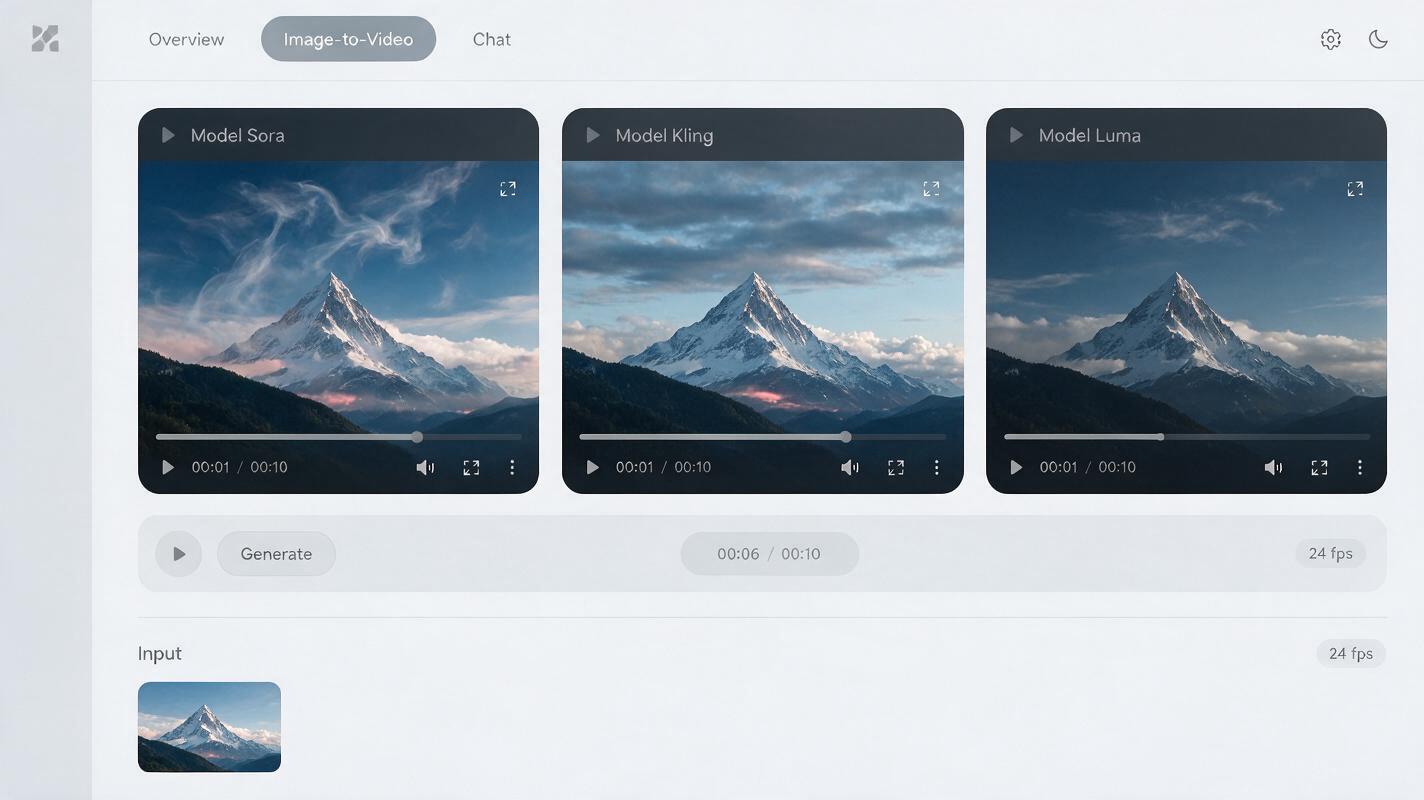
MagicBoat’s platform brings together Claude Opus, GPT-6, and Gemini 4 in a single dashboard, so you can test text to video and image to video generation side by side without switching tools. You can upload the same reference image, run it through each ai video model, and compare outputs directly to see which one delivers the best results for your use case.
Why Multi-Model Access Becomes a Long-Term Workflow Asset
Even after you find a go-to model for most projects, multi-model access continues to add value. Different projects call for different strengths: one client might need hyper-realistic product footage, while another wants stylized animated content. Having access to all three leading models means you can adapt to any request without signing up for new tools mid-project.
Multi-model platforms also protect you from disruptions if one model experiences downtime or updates that change its performance. Instead of scrambling to find an alternative, you can simply switch to another model and keep your project on track. This level of flexibility is especially critical for creators who work on tight deadlines with client deliverables.
For creators who want to experiment with advanced workflows, combining models can lead to even better results. You might use image to video generation with one model to create base clips, then refine them with another, all within the same platform.
Key Takeaways
- Image to video generation is now available across Claude Opus, GPT-6, and Gemini 4, with each model offering unique strengths for different creator use cases.
- Testing with free ai tools lets you evaluate model performance with your own content before committing to a paid subscription, saving you time and money.
- Focus on motion naturalness, style consistency, control, and revision flexibility when comparing outputs to find the best fit for your workflow.
- A multi-model platform like MagicBoat simplifies testing, protects against downtime, and lets you combine models for better overall results.
Ready to Start Testing?
Head to MagicBoat to try our free AI tools and test image to video generation with top models all in one place. You can run side-by-side comparisons, experiment with different prompts, and find the perfect ai video model for every project—no multiple accounts required.
Keywords
image to video, claude opus, gpt-6, gemini 4, ai video model, free ai tools, text to video