iPhone Combos Sell Out After Apple Welcome Home Smart-Home Event
iPhone combos bundled with Apple's newly announced smart-home products have reportedly sold out following the company's 'Welcome Home' event, according to a YANAC weekly report. The strong early reception validates consumer interest in the smart-home category and signals growing demand for AI-powered home ecosystems, creating new content opportunities for creators across multiple device formats.
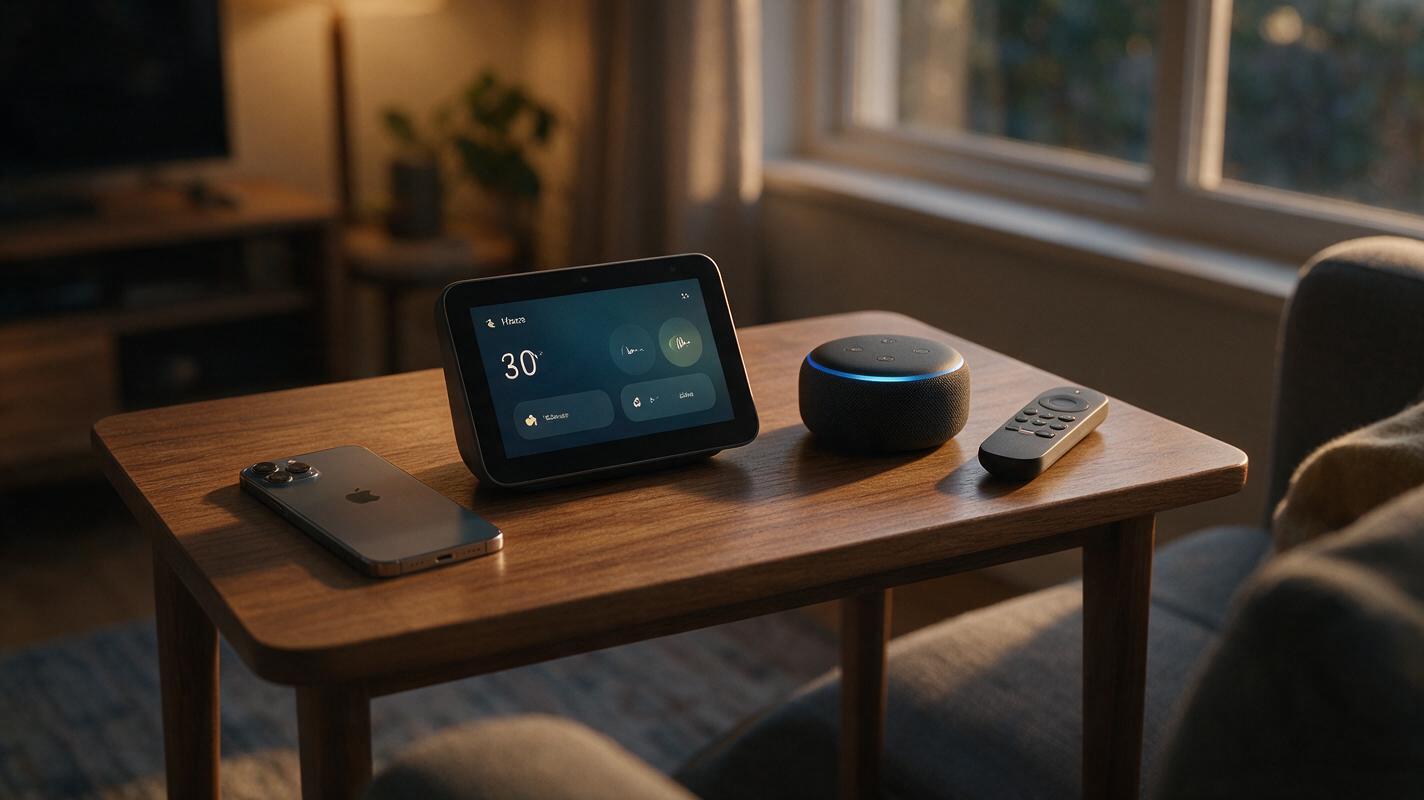
Table of contents
iPhone combos bundled with Apple's newly announced smart-home products have reportedly sold out following the company's 'Welcome Home' event, according to a YANAC weekly report. The sellout comes on the heels of Apple unveiling its HomeView smart-home hub, updated HomePod mini, and new Apple TV 4K, suggesting stronger-than-expected consumer interest in the company's expanded connected-home lineup.
The 'Welcome Home' event, which positioned HomeView as the centerpiece of Apple's smart-home ecosystem, appears to have driven significant demand for iPhone bundles that pair the handset with the new home accessories. The reported sellout validates the smart-home category's opening reception and suggests consumers are ready to invest in integrated AI-powered home experiences anchored to their primary mobile device.
What the Sellout Signals for the Smart-Home Category
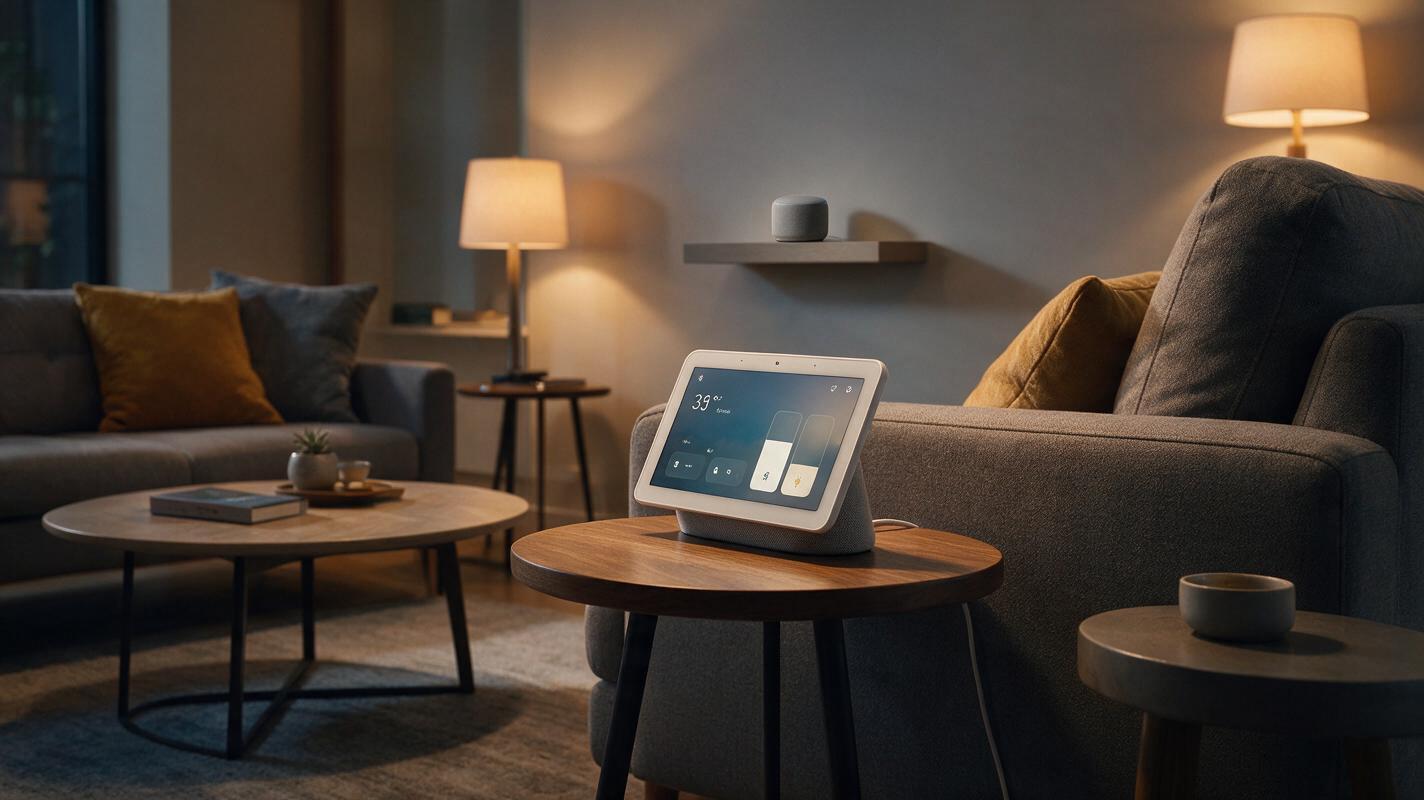
The rapid sellout of iPhone combos suggests Apple's smart-home strategy is resonating with consumers more strongly than many industry analysts anticipated. The HomeView hub serves as a central control point for Apple's home ecosystem, while the new HomePod mini and Apple TV 4K expand audio and entertainment capabilities throughout the home. Each device integrates with Siri AI, creating a distributed intelligence network across living spaces.
Consumer demand for integrated smart-home systems has been building for years, but the category has long struggled with fragmentation, limited interoperability, and unclear value propositions. Apple's approach — tying everything to the iPhone and its tightly integrated ecosystem — appears to be a compelling value proposition for users already invested in Apple products. The sellout indicates that the combination of familiar Apple hardware with AI-powered home controls is actively driving purchase decisions rather than remaining a speculative interest.
The smart-home category's opening reception also suggests a shift in how consumers think about AI. Rather than viewing AI as something that lives only in chat apps and productivity tools, buyers are starting to see it as a utility that enhances daily life at home — controlling lights, managing entertainment, answering questions, and coordinating schedules across devices.
Broader Industry and Investment Signals
The strong consumer response to Apple's smart-home event carries meaningful signals for the broader ai industry. As AI moves from cloud-based services to on-device and edge computing, the home is emerging as a key battleground for AI deployment. Apple's Siri AI on HomeView, combined with on-device processing capabilities across its product lineup, represents a growing trend of AI being embedded directly into consumer hardware rather than accessed primarily through web interfaces.
This trend has implications for ai capital expenditure patterns across the industry. As more AI workloads shift to edge devices and home hubs, the infrastructure requirements for AI continue to evolve. Companies across the sector are investing heavily in both cloud infrastructure and on-device AI capabilities, creating a more distributed AI ecosystem that balances local processing with cloud-scale intelligence.
Compared to pure-play AI model companies that rely on massive data center buildouts, Apple's device-first approach distributes AI computation across millions of consumer devices. This model changes the economics of AI deployment and creates different competitive dynamics than the cloud-dominated approach favored by other major players. The sellout suggests there is real consumer demand driving this distributed model forward.
What This Means for Content Creators
For content creators and content teams, the growing smart-home ecosystem opens up entirely new distribution channels and content formats. Smart displays like HomeView represent a new screen type that creators need to optimize for — one that is typically viewed from a distance, often in a shared living space, and used in more casual contexts than a phone or computer monitor.
Visual content plays a particularly important role in smart-home experiences. An ai image generator can help creators quickly produce home-friendly visuals, smart-home interface mockups, and lifestyle imagery optimized for various display sizes and typical viewing distances. As smart displays become more common in households, the demand for display-optimized visual content tailored to glanceable, at-a-glance consumption will continue to grow.
Video content is also evolving for the smart-home era. With Apple TV 4K and other connected streaming devices serving as primary entertainment hubs, creators need to think about how their content performs on large living-room screens as well as mobile devices. Working with an ai video generator makes it easier to produce content in multiple aspect ratios and formats without dramatically increasing production time or team headcount.

Why Multi-Model Platforms Matter for Multi-Device Content
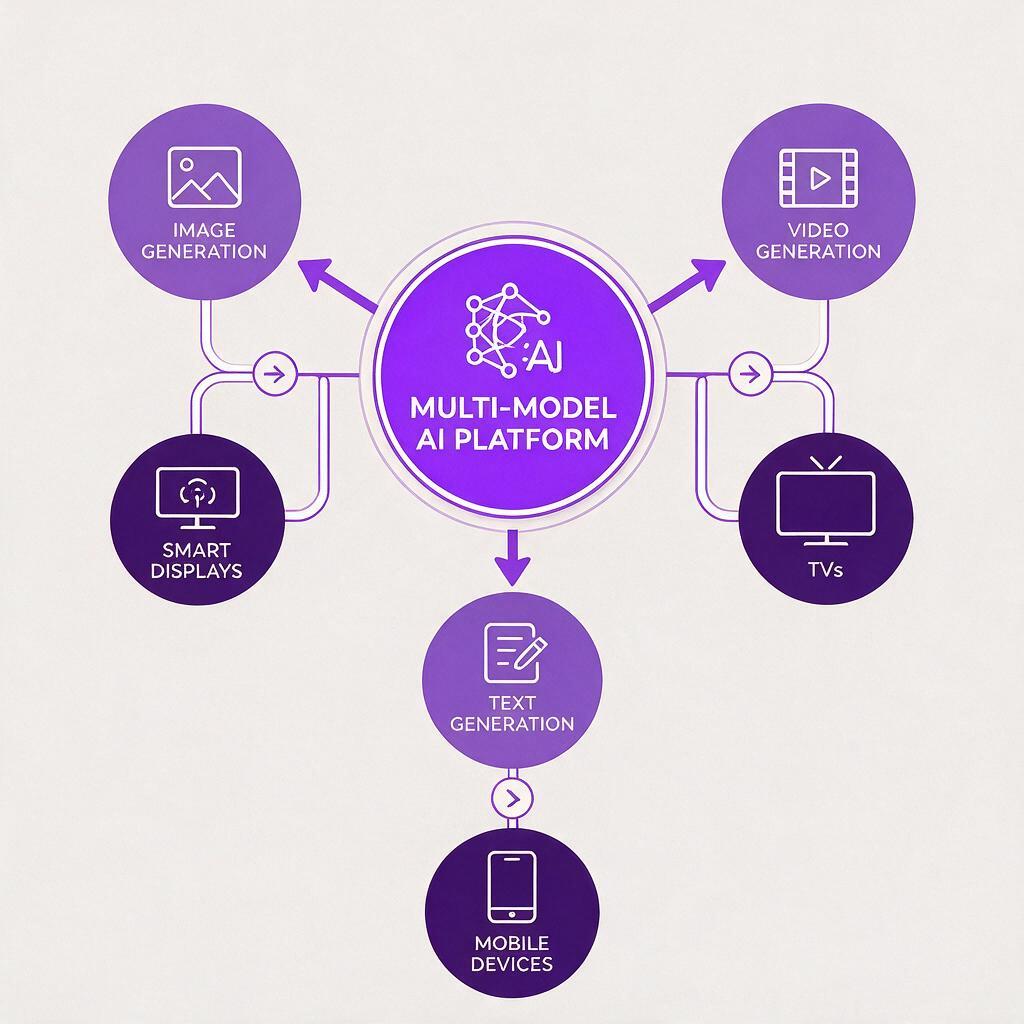
Working with a multi-model AI platform like MagicBoat gives creators the flexibility to produce content optimized for every screen in the smart-home ecosystem — from phone-sized widgets to large TV displays and smart-home dashboard interfaces. Different models excel at different tasks, and having access to a range of tools through a single platform streamlines the production workflow considerably.
For example, a creator building content for a smart-home product launch might use image generation tools to produce hero visuals optimized for smart-display interfaces, then use video generation tools to create short looping content for home screens and ambient displays, while text models handle product descriptions and interface copy. Being able to switch between models and output formats without managing multiple vendor accounts, separate billing, and different usage policies makes it much easier to adapt content for the growing number of AI-powered devices entering homes.
As the smart-home category continues to grow and more AI-powered devices enter living spaces, the content ecosystem will need to keep pace. Creators who establish workflows that can quickly adapt to new screen sizes, interaction patterns, and platform requirements will be best positioned to capture the opportunities this expanding market creates. Building flexibility into production pipelines now — rather than locking into a single tool or vendor — positions content teams to move quickly as new device categories and content formats emerge.
Key Takeaways
- iPhone combos with Apple's new smart-home products have reportedly sold out following the 'Welcome Home' event, validating early consumer interest in the category
- The strong reception signals growing demand for AI-powered home ecosystems and integrated smart-home experiences tied to mobile devices
- The trend has implications for the broader AI industry, including edge AI deployment patterns and evolving capital expenditure priorities
- Content creators need to adapt their workflows for new screen types and formats as smart displays and connected TVs become more capable
- Multi-model AI platforms provide the flexibility needed to produce optimized content across the growing range of AI-powered consumer devices
- try these models for free to explore how different AI tools can support multi-format content production for smart-home and cross-device audiences
Keywords
apple welcome home event, iphone combos sell out, smart home category, homeview hub, ai industry, ai image generator, ai video generator