Jensen Huang Admits Affair: Nvidia Board Opens Probe, Shares Drop 4.27%
Nvidia CEO Jensen Huang admitted to an affair on November 10, 2026, prompting the company’s board to launch an independent investigation. The news sent Nvidia shares down 4.27% in a single day, extending the chipmaker’s monthly decline to 22%. For AI content creators relying on Nvidia-powered tools, the leadership uncertainty highlights the value of diversified, multi-platform creative workflows.
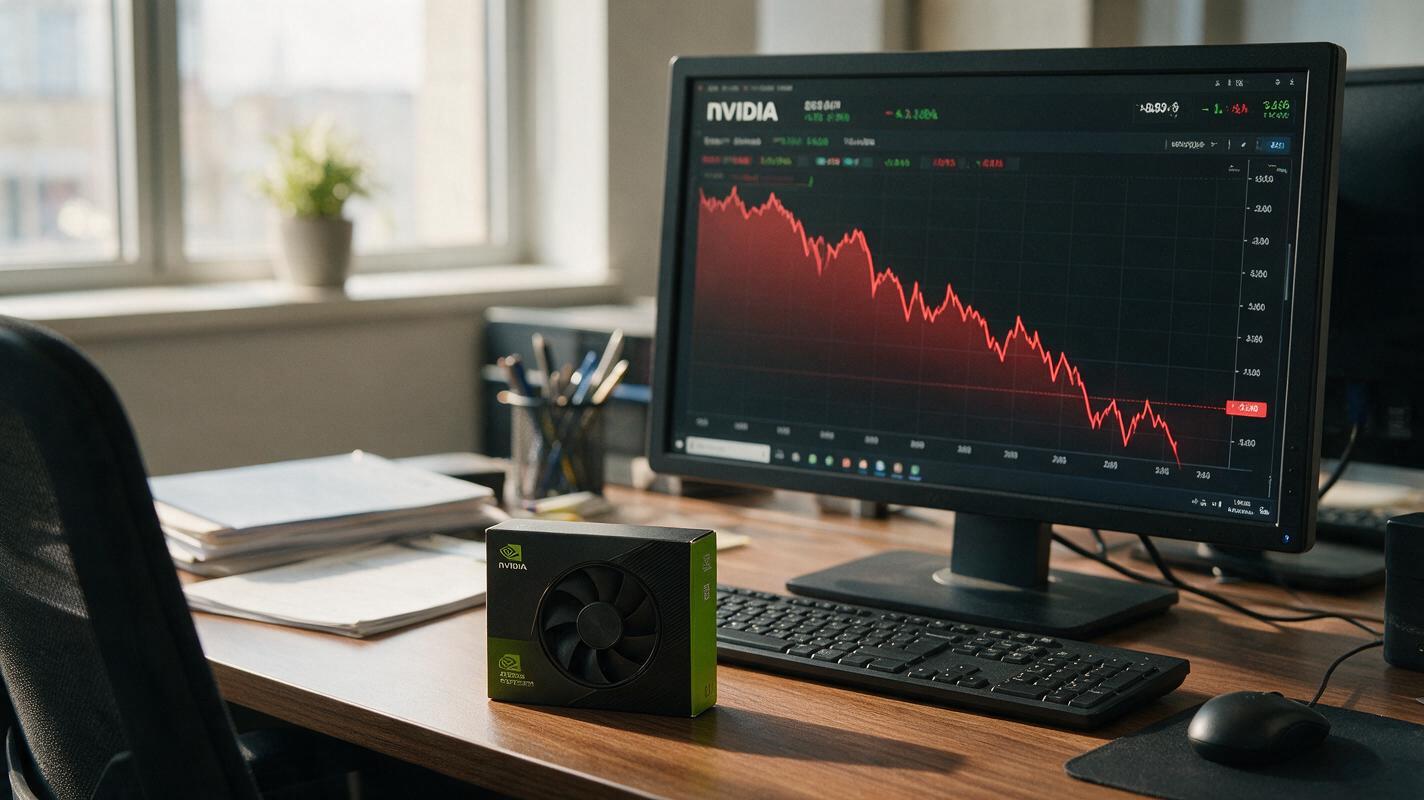
Table of contents
What Happened With Nvidia CEO Jensen Huang
On November 10, 2026, Nvidia CEO Jensen Huang admitted to an affair, sending shockwaves through the global tech and AI industries. The Nvidia board of directors promptly announced it has opened an independent probe into the matter, with few additional details released about the scope or timeline of the investigation.
The immediate market reaction was sharp: Nvidia shares dropped 4.27% on the day of the announcement, contributing to a 22% decline for the month of November alone. The selloff reflects investor uncertainty about the company’s leadership stability and potential governance risks at a time when Nvidia sits at the center of the global AI boom.
As the world’s largest supplier of AI graphics processing units (GPUs) and related accelerated computing hardware, Nvidia’s leadership decisions ripple across nearly every corner of the AI ecosystem, from frontier model training to consumer-facing AI tools used by content creators.
Why Nvidia’s Leadership Stability Matters for the AI Ecosystem
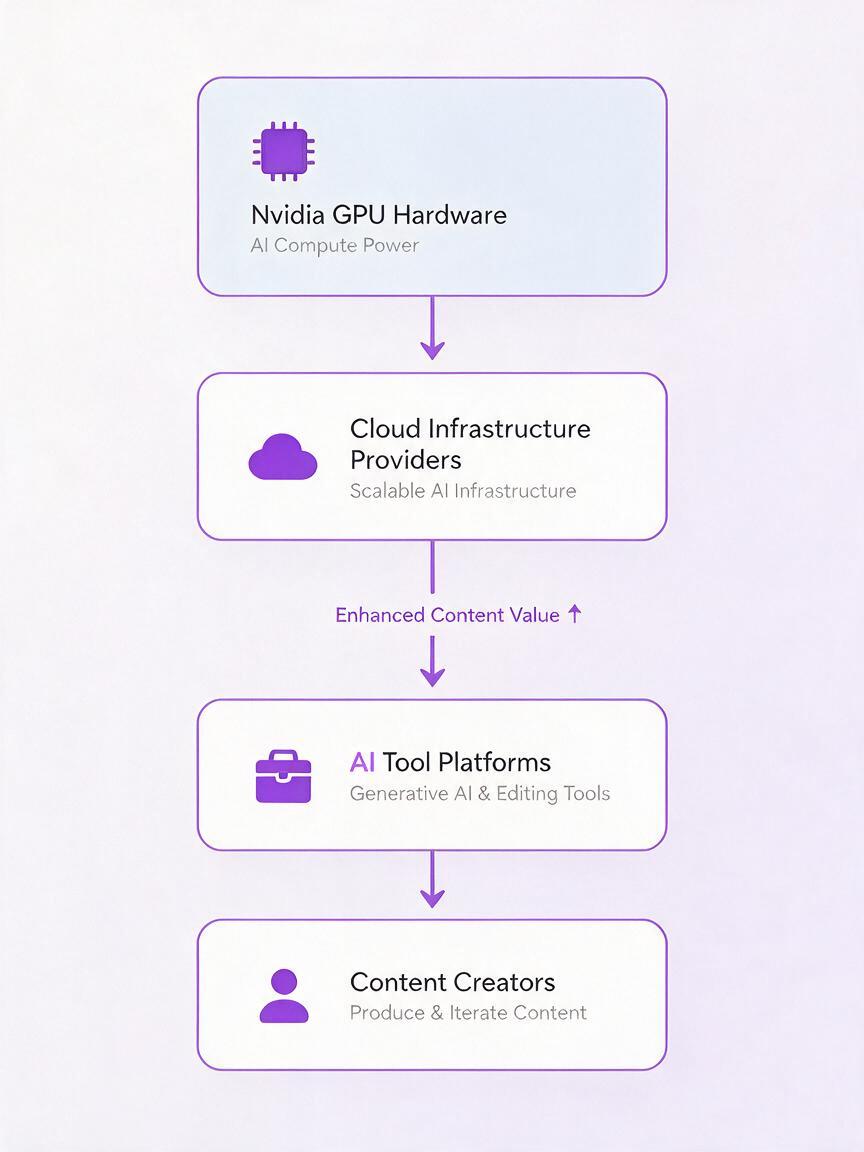
Nvidia’s dominance in AI hardware is nearly unparalleled: the vast majority of frontier AI model training runs on Nvidia GPUs, and most cloud-based AI tools rely on Nvidia-powered infrastructure to deliver services to end users. Any disruption to the company’s leadership, product roadmap, or supply chain could have cascading effects on AI tool availability, pricing, and performance across the industry.
The 22% monthly drop in Nvidia’s stock price also signals broader investor concern about the company’s governance structure and succession planning. Huang has been the public face and strategic leader of Nvidia for decades, guiding its transition from a gaming chip company to the most valuable hardware firm in the world on the back of AI demand.
Leadership uncertainty at a critical infrastructure provider like Nvidia doesn’t just affect enterprise buyers — it trickles down to every creator, developer, and small business that relies on AI tools built on Nvidia hardware.
What This Means for Content Creators
For AI content creators, the news serves as a reminder of the hidden risks tied to single-provider reliance. Most popular AI tools for creative work — from text to video platforms to image generation services — run on Nvidia GPUs, either directly or via cloud providers that use Nvidia hardware.
If leadership instability leads to delayed product launches, supply constraints, or price hikes for Nvidia compute resources, creators could see higher costs for their go-to AI tools, longer wait times for generation jobs, or even temporary service disruptions. These risks are amplified for creators who rely on a single AI tool or platform for all their creative work.
While there is no immediate indication of operational disruptions at Nvidia, the event highlights the importance of building flexible, diversified creative workflows that can adapt to unexpected changes across the AI supply chain.
How Diversified Platforms Reduce Creator Risk
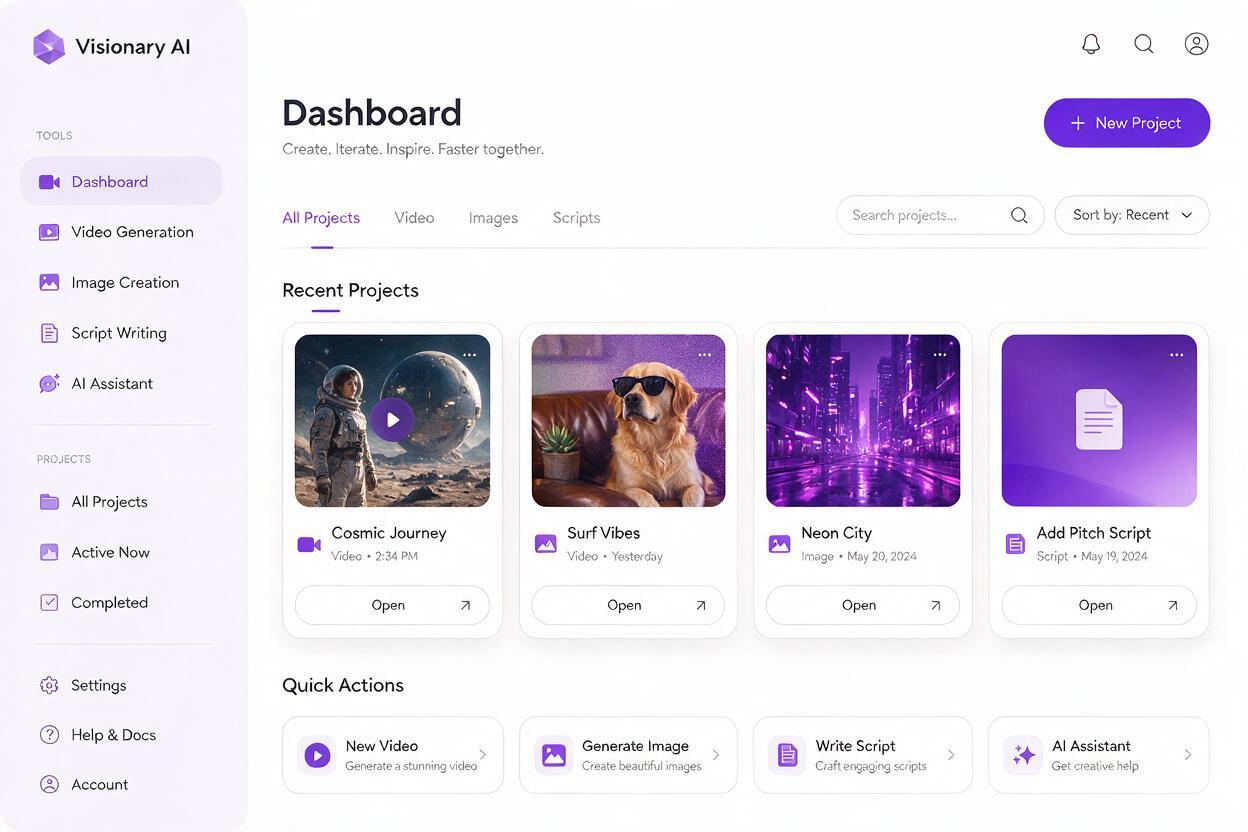
Multi-model AI platforms like MagicBoat help creators mitigate the impact of single-provider disruptions by giving access to a wide range of AI tools and models under one account, with no need to manage multiple subscriptions or API keys. The platform includes a full suite of creative capabilities, from an ai video generator to image generation, script writing, and more.
By spreading creative workloads across multiple models and underlying infrastructure providers, creators can avoid being locked into a single hardware or model ecosystem. If one provider experiences price hikes, outages, or leadership-related disruptions, creators can shift their work to alternative tools on the same platform without missing deadlines or rebuilding their entire workflow from scratch.
This level of flexibility is increasingly valuable as the AI industry continues to see rapid shifts in leadership, pricing, and model availability across both hardware and software providers.
Key Takeaways
- Nvidia CEO Jensen Huang admitted to an affair on November 10, 2026, prompting the company’s board to launch an independent investigation.
- Nvidia shares fell 4.27% on the day of the announcement, bringing the company’s monthly stock decline to 22%.
- As the dominant supplier of AI hardware, Nvidia’s leadership instability could have ripple effects across the entire AI tool and content creation ecosystem.
- Creators can reduce their exposure to single-provider risk by using diversified multi-model platforms that offer access to multiple tools and models.
- You can try these models for free on MagicBoat to build a more resilient creative workflow today.
Keywords
jensen huang affair, nvidia board probe, nvidia stock drop, ai news, ai tools, ai video generator, ai roundup