Jesse Eisenberg Tells BFI BvS Lex Luthor Backlash Hurt His Hollywood Career
Speaking at the BFI London Film Festival, Jesse Eisenberg revealed that the negative reaction to his Lex Luthor portrayal in *Batman v Superman* significantly damaged his Hollywood acting career, pushing him to shift focus to writing and directing. His latest directorial project, *The Debut*, stars Julianne Moore and Paul Giamatti and is screening at the festival. The story offers actionable lessons for independent content creators about creative control and leveraging AI tools to build a resilient career.
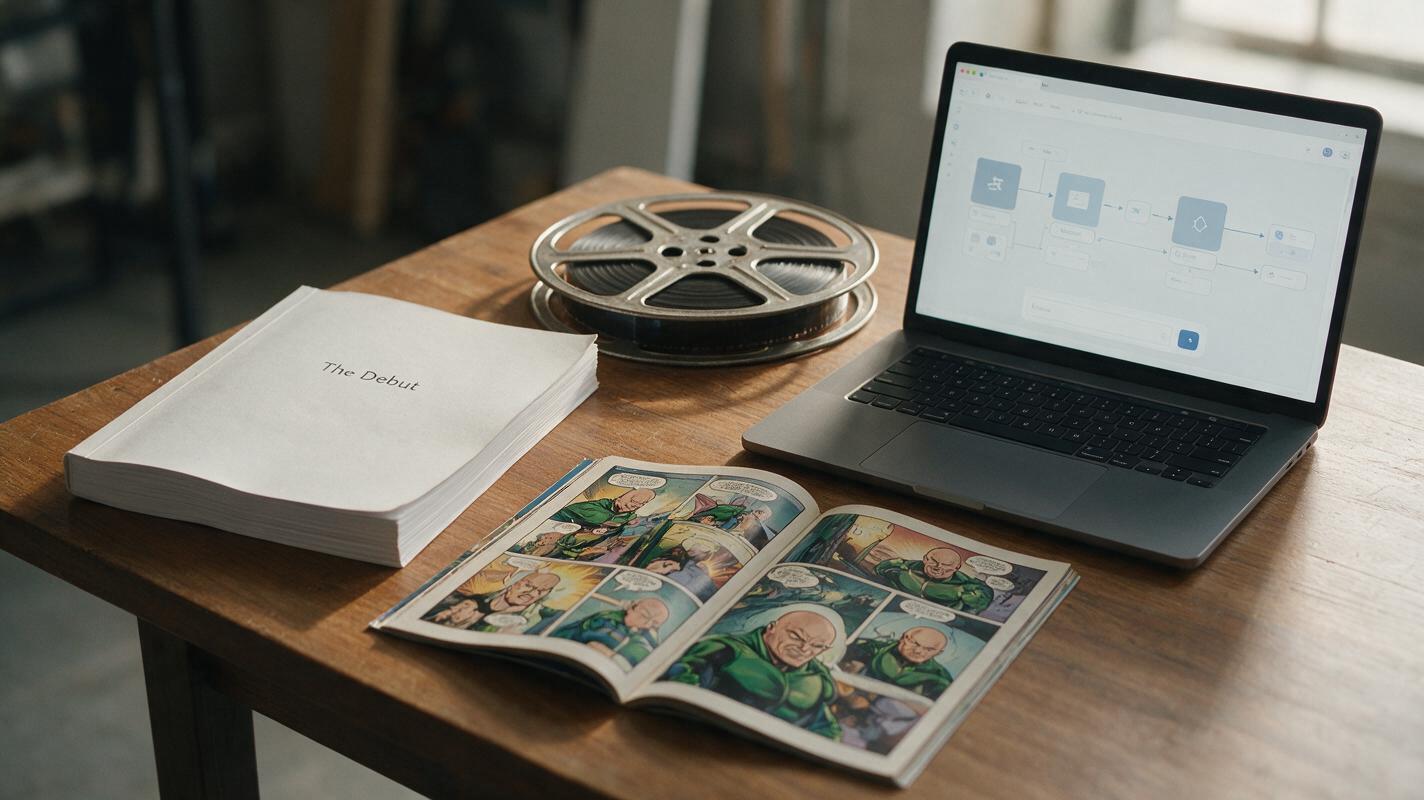
Table of contents
Eisenberg’s BFI London Film Festival Career Revelation
Actor and filmmaker Jesse Eisenberg used a recent appearance at the BFI London Film Festival to open up about the lasting impact of his portrayal of Lex Luthor in Batman v Superman: Dawn of Justice. According to Eisenberg, the widespread negative reaction to his take on the iconic DC villain significantly damaged his standing as a Hollywood leading man, altering the trajectory of his acting career in ways he did not anticipate at the time of filming.
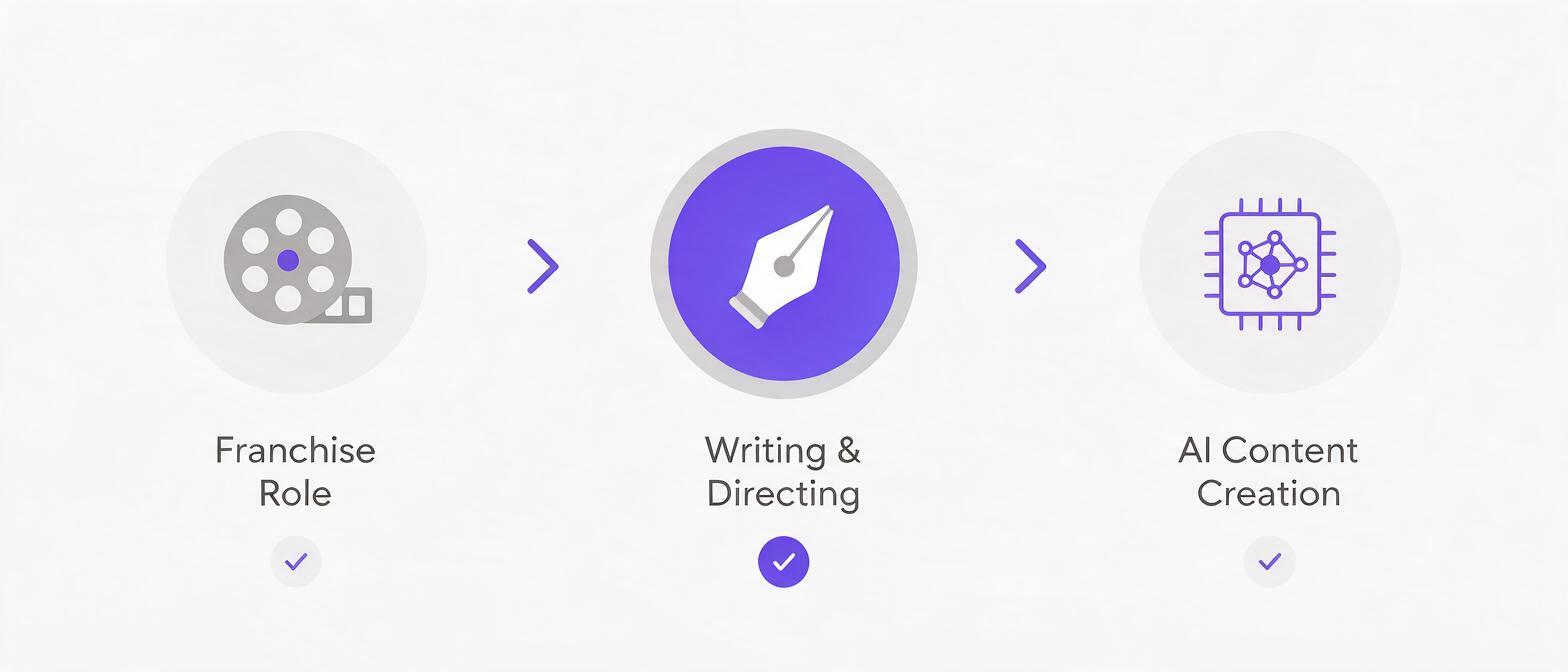
Rather than remaining sidelined by the backlash, Eisenberg shifted his creative focus to writing and directing, moving behind the camera to take full control of his creative output. His latest directorial effort, The Debut, is screening at the festival and features a cast led by Julianne Moore and Paul Giamatti, marking a full-circle pivot from high-profile franchise acting to character-driven, authorial filmmaking.

The Ripple Effect of Franchise Role Reception
Franchise roles have long been double-edged swords for Hollywood performers. A standout turn in a major comic book or blockbuster property can catapult an actor to A-list status, while a divisive or poorly received performance can close doors for years, even for performers with established critical credentials. Eisenberg’s comments offer a rare, unvarnished look at how fan and critical reception to a single high-profile role can shape the types of opportunities an actor is offered long after a film’s theatrical run ends.
What makes Eisenberg’s story particularly notable is his choice to lean into creative control rather than waiting for Hollywood to give him another chance. By moving into writing and directing, he has positioned himself as the driving force behind his own projects, rather than relying on casting directors and studio executives to define his career path.
What This Means for Independent Content Creators
Eisenberg’s career pivot holds important lessons for independent content creators who often face their own set of gatekeepers and setbacks. For creators working outside the traditional studio system, the challenge of getting projects greenlit, finding distribution, and building an audience can feel insurmountable, even without the pressure of a multi-billion dollar franchise’s fanbase weighing on every performance.
The core takeaway is that creative control is the most reliable form of career security. When you own the writing, directing, and distribution of your work, you are not dependent on the opinions of gatekeepers or the reception of a single project to keep creating. Modern ai filmmaking tools have made this level of control more accessible than ever, allowing creators to produce polished, professional content with a fraction of the budget and crew required just a few years ago.
Turning Creative Pivots Into Original Content With AI
Eisenberg’s shift from acting to writing and directing is a classic example of turning a professional setback into a creative opportunity, and AI tools have democratized that exact path for creators at every level. Where writing and directing a feature film once required access to studio funding, a full production crew, and expensive equipment, today’s creators can develop and test entire concepts using AI-powered tools from their own homes.
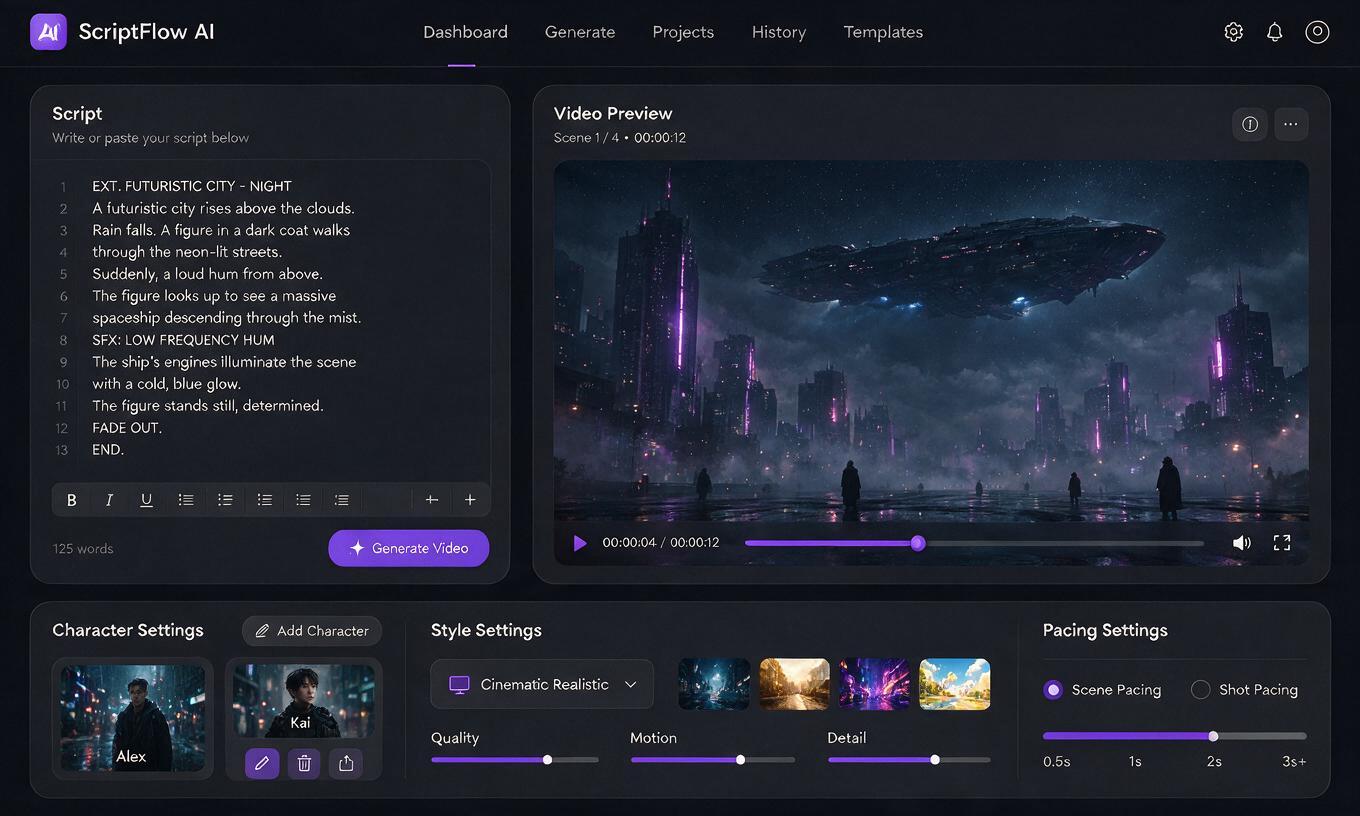
For example, text to video tools let creators turn a finished script or even a rough concept outline into fully rendered scene footage, complete with cinematography, character performances, and environmental detail. This makes it possible to test visual tones, refine pacing, and even produce complete ai short drama series to build an audience before seeking larger funding or distribution deals.
Creators can also use AI script writing tools to draft and revise screenplays faster, AI voice generators to record temporary dialogue, and AI storyboard tools to map out entire sequences without hiring a team of artists. The result is a creative pipeline where the only limit is your imagination, not your access to Hollywood connections or production budget.
Key Takeaways
- High-profile creative setbacks can open unexpected doors to new creative paths, even for established Hollywood professionals.
- Taking full control of your creative pipeline — from writing to directing to distribution — reduces reliance on industry gatekeepers and the volatility of audience reception for individual projects.
- Modern AI content creation tools have democratized access to professional-grade production, allowing creators to develop and release original work with minimal upfront resources.
- Building a portfolio of self-directed, independent work can insulate creators from the ups and downs of traditional industry career trajectories.
If you’re ready to take creative control of your next project and bring your original film or series idea to life without waiting for outside approval, try these models for free on MagicBoat and start building your independent creative portfolio today.
Keywords
jesse eisenberg, lex luthor, batman v superman, bfi london film festival, the debut, ai content creation, ai filmmaking