Jesse Eisenberg: Batman v Superman Lex Luthor Backlash Pushed Him to Direct
Speaking at the BFI London Film Festival, Jesse Eisenberg revealed that negative reaction to his Lex Luthor portrayal in Batman v Superman damaged his Hollywood acting career, pushing him to shift focus to writing and directing. His latest directorial project, The Debut, stars Julianne Moore and Paul Giamatti. The career pivot offers actionable lessons for AI content creators navigating audience feedback and creative reinvention.

Table of contents
What Jesse Eisenberg Shared at the BFI London Film Festival
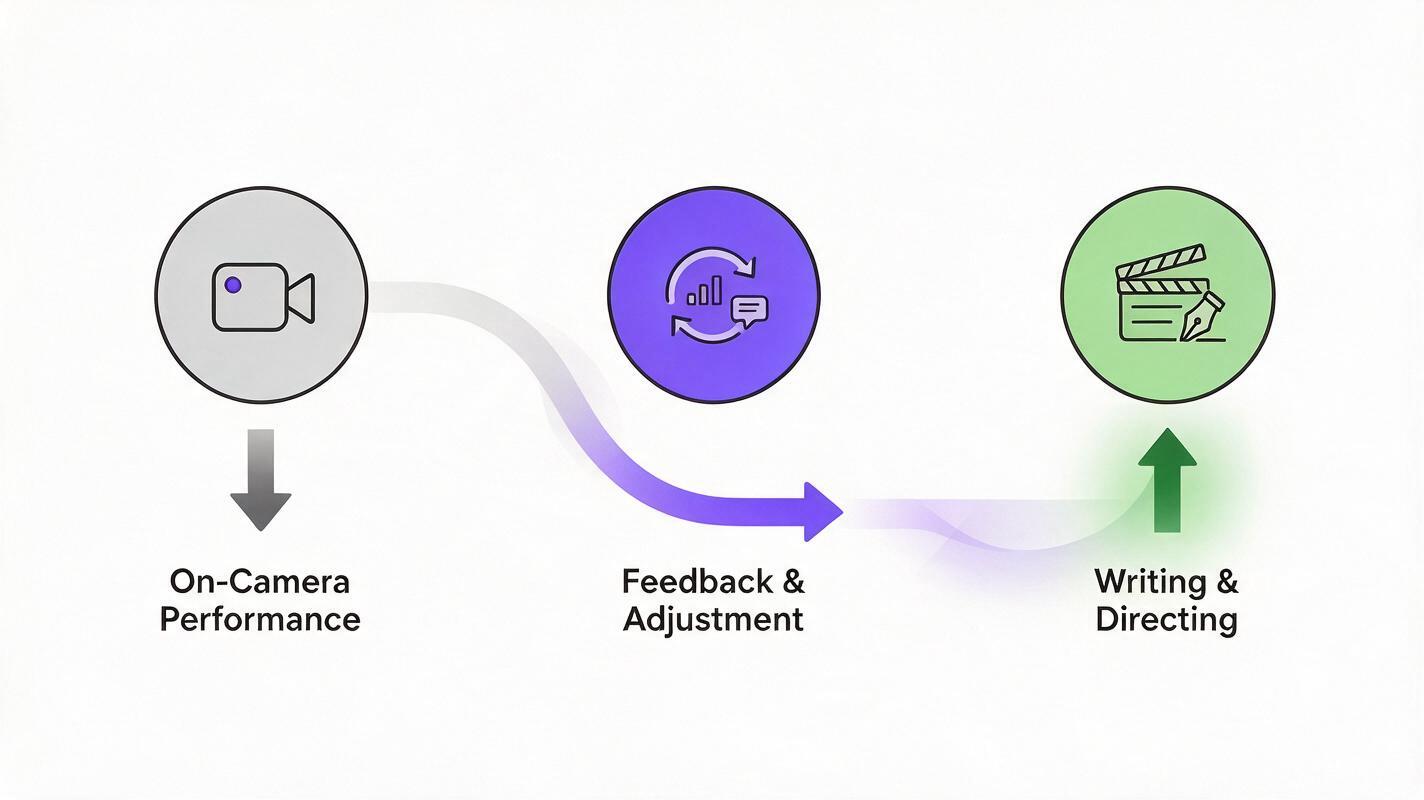
Speaking at the BFI London Film Festival, actor Jesse Eisenberg opened up about the lasting professional impact of the negative reaction to his portrayal of Lex Luthor in Batman v Superman. The performer revealed the widespread criticism of his take on the iconic DC villain directly hurt his Hollywood acting career, altering the trajectory of his professional path in ways he did not anticipate when he took the role.
Rather than stepping back from the entertainment industry entirely, Eisenberg channeled the career shift into writing and directing, leaning into creative roles that put his storytelling skills front and center instead of his on-screen performance. His latest directorial project, The Debut, features a cast led by Julianne Moore and Paul Giamatti, marking a full-circle move into a new creative lane separate from the blockbuster superhero space.
The candid comments, first reported by Variety, offer a rare unfiltered look at how high-profile audience backlash can shape even established Hollywood careers, and how creative reinvention can emerge from unexpected professional setbacks. Eisenberg’s choice to pivot rather than exit the industry entirely reflects a growing trend across entertainment of creators redefining their roles on their own terms.

Why This Moment Matters for Creators of All Sizes
While Eisenberg’s experience unfolded on the global stage of big-budget superhero filmmaking, the core dynamic he describes is deeply relatable for independent creators working across every medium and budget level. Audience feedback, especially when it is widespread, harsh, and tied to a high-visibility project, can feel like a final judgment on creative worth, pushing people to abandon projects, niche interests, or even entire creative paths.
What makes Eisenberg’s choice notable is that he did not leave the industry — he redefined his role within it. For independent creators working with limited resources and no studio safety net, this kind of flexible creative identity is not just a fallback option, it is often a strategic superpower. Without the pressure of being typecast or locked into a single public persona, independent creators can shift between roles, genres, and formats as their interests and audience needs evolve.
This flexibility is even more valuable in an era where content consumption habits are changing rapidly, and new tools are lowering the barriers to entry for every part of the production process. What might have felt like a career-ending setback 20 years ago can now be the catalyst for a more fulfilling, sustainable creative practice.
Lessons for AI Content Creators Navigating Feedback
The rise of ai content creation has introduced an entirely new layer of feedback dynamics for creators. Many first-time creators working with ai video tools face criticism from viewers skeptical of AI-generated work, or deal with early projects that fail to connect with audiences as intended. It can be tempting to take that feedback as a sign that creation is not for you, but Eisenberg’s pivot shows that shifting your creative focus can open far more doors than doubling down on a role that does not fit your strengths or audience reception.
Tools like text to video make it possible to build entire visual projects without ever appearing on camera, letting creators lean into writing, directing, and worldbuilding even if on-camera performance or traditional acting is not their strong suit. For creators who have faced backlash for their on-screen presence, performance choices, or even their use of AI tools themselves, this technology removes that barrier entirely, putting the focus squarely on story and craft instead of individual performance or public perception of the creator.
For creators interested in serialized, character-driven content, ai short drama platforms offer a low-stakes way to test concepts and build an audience without the pressure of a major studio release. You can iterate on a concept across multiple short episodes, adjust based on real viewer feedback, and refine your creative voice without risking a career-defining flop that follows you for years. This iterative approach to creation is far more forgiving than the traditional Hollywood model, where a single high-profile project can make or break a creator’s reputation.
Turning Setbacks Into Creative Reinvention
Eisenberg’s career shift is a powerful reminder that creative identity does not have to be fixed. A negative reaction to one role, one project, or one creative experiment does not erase your skills or your ability to make compelling work — it just means you might need to apply those skills in a different way, or target a different audience that resonates more with your unique voice.
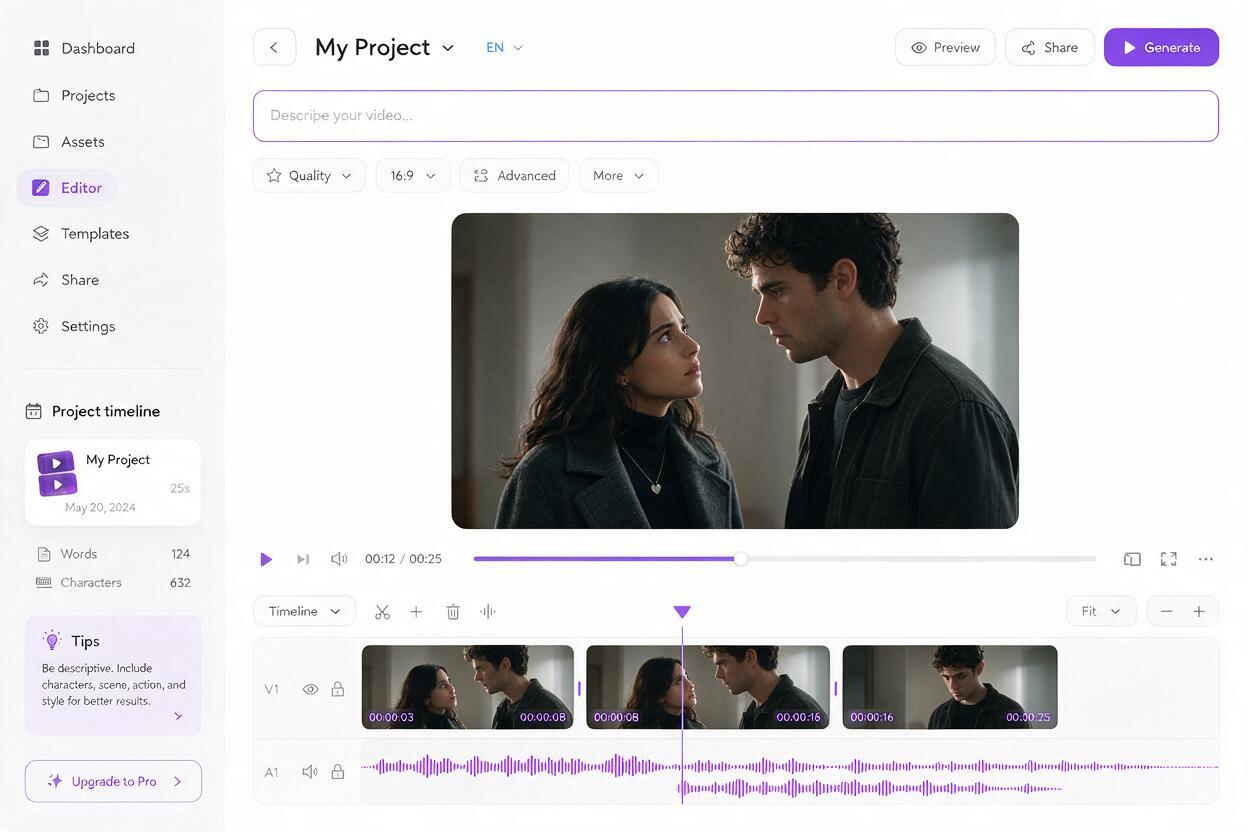
For AI creators, this is especially powerful because the tools themselves support multiple creative roles within a single workflow. A single creator can draft a screenplay, build a visual storyboard, generate consistent character visuals, edit a final cut, and even add voiceover and music, all from one integrated platform. That flexibility means you can experiment with different roles quickly and at minimal cost, finding the niche where your work resonates most without investing thousands of dollars or years of time into a single career path.
This kind of iterative, flexible creation is nearly impossible to pull off in the traditional Hollywood system, where a single high-profile flop can close doors for years and creators are often pigeonholed into a single role or genre. With AI tools, every creator has the freedom to pivot, test, and reinvent their work as often as they want, without needing permission from studios, gatekeepers, or even a pre-existing audience.
If you’re ready to explore new creative roles without the pressure of traditional industry gatekeepers, you can try these models for free on MagicBoat, with tools for everything from scriptwriting to final video production all in one place.
Key Takeaways
- High-profile audience backlash can alter even established Hollywood careers, as Jesse Eisenberg’s experience with Batman v Superman shows.
- Creative reinvention, rather than abandonment of the craft, is a powerful response to negative feedback or shifting professional opportunities.
- AI content creation tools lower the barrier to shifting creative roles, letting creators lean into writing, directing, and worldbuilding without relying on on-camera performance or industry approval.
- Low-stakes iteration with AI tools lets creators test concepts and refine their voice without risking a career-defining setback.
- Flexible creative identity is a strategic advantage for independent creators working in a rapidly changing content landscape.
Keywords
jesse eisenberg, batman v superman, lex luthor, bfi london film festival, the debut, ai content creation, ai film, creative pivot