Jesse Eisenberg: Batman v Superman Lex Luthor Backlash Hurt His Hollywood Career
Jesse Eisenberg revealed during a BFI London Film Festival appearance that the negative reception to his Lex Luthor portrayal in *Batman v Superman* damaged his Hollywood acting career, pushing him to shift focus to writing and directing. His upcoming directorial project *The Debut* stars Julianne Moore and Paul Giamatti, marking a key creative pivot for the actor. The news highlights the value of creative control, with actionable takeaways for independent AI content creators building original IP with AI film and short drama tools.
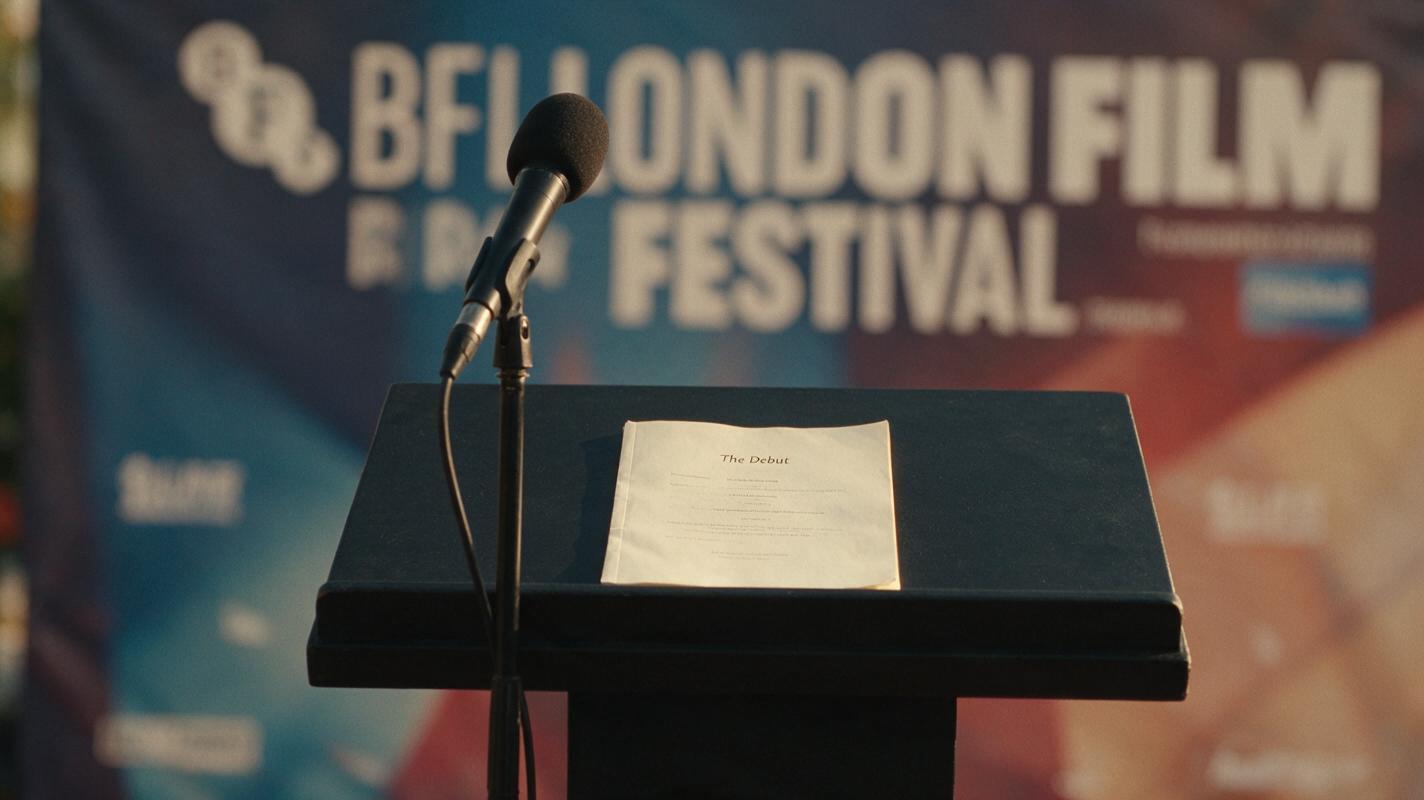
Table of contents
The BFI London Film Festival Revelation
Actor Jesse Eisenberg shared a candid career update during an appearance at the BFI London Film Festival, confirming that the widespread negative reaction to his portrayal of Lex Luthor in Batman v Superman: Dawn of Justice had a lasting negative impact on his Hollywood acting career. Eisenberg explained that the backlash pushed him to shift his professional focus away from major studio acting roles and toward writing and directing his own projects.
His latest directorial effort, The Debut, features a cast led by Julianne Moore and Paul Giamatti, marking a significant creative pivot for the performer once best known for roles in indie dramas and blockbuster franchises alike. The comments offer a rare, unvarnished look at how high-profile franchise performance can shape an artist’s long-term career trajectory in the traditional film industry.
The Double-Edged Sword of Franchise Casting
For actors and filmmakers in the traditional studio system, landing a flagship franchise role is often framed as the pinnacle of career success. Eisenberg’s experience highlights a less discussed side of that milestone: when a performance or film lands poorly with audiences, the fallout can narrow future opportunities far beyond the single project itself. By moving into writing and directing, Eisenberg is taking direct ownership of his creative work, reducing his reliance on studio casting teams and the volatility of franchise audience reactions.
This kind of pivot is not unique, but it is rarely discussed so openly by artists who have worked at the highest levels of blockbuster filmmaking. It underscores a broader truth across the entertainment industry: creative control is one of the most valuable assets a creator can have, especially when audience tastes and studio priorities shift unexpectedly.
What This Means for Independent AI Content Creators
Eisenberg’s career pivot holds valuable lessons for independent content creators working with AI tools, especially those who want to tell original stories without navigating studio gatekeeping. For creators just starting out, the barrier to testing creative ideas has never been lower, thanks to tools that let you develop and visualize entire projects without a massive production budget.
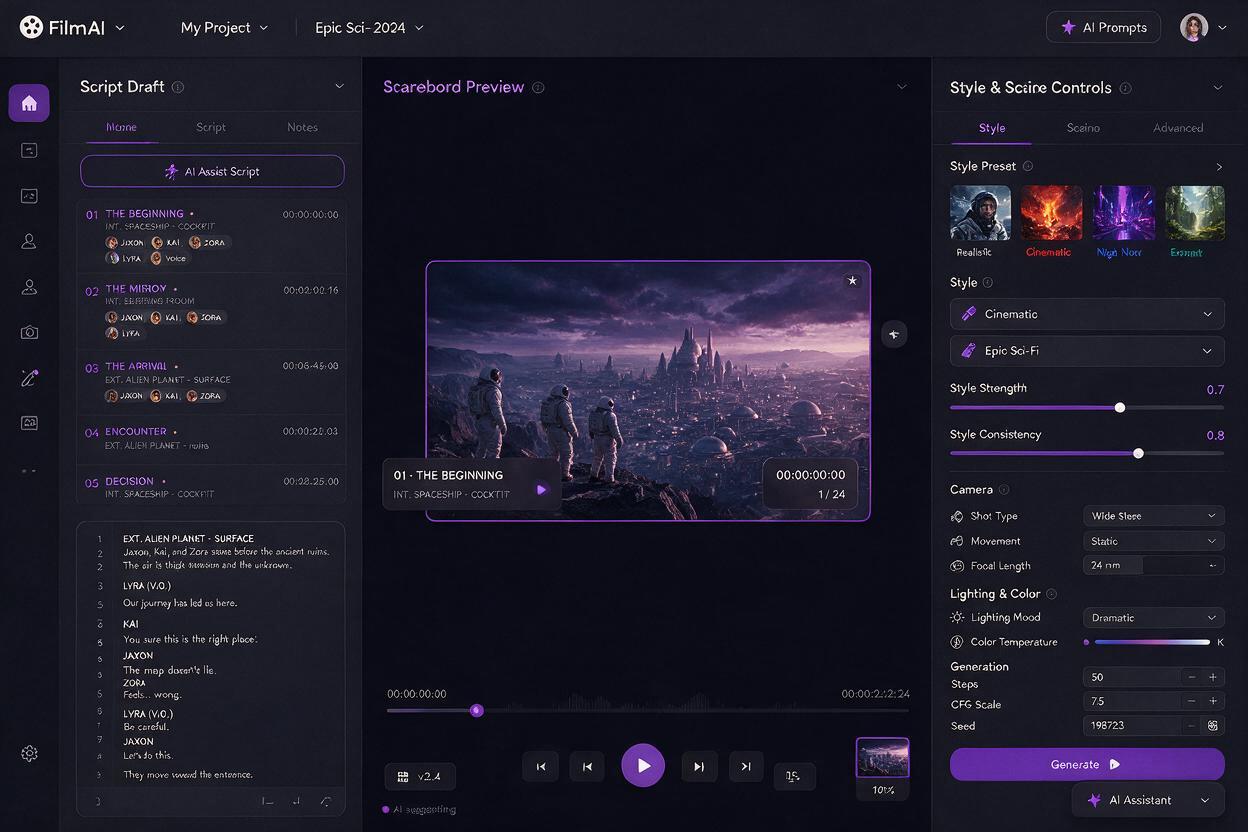
An ai film generator lets you turn a script idea into a polished visual concept in hours, not months. That means you can experiment with different genres, tones, and story ideas without the risk of tying your entire career to a single high-stakes project. If one concept doesn’t land with your audience, you can pivot quickly and test something new, without waiting for studio approval or worrying about professional backlash.
This level of creative control is exactly what artists like Eisenberg are chasing when they move from acting to writing and directing. For AI-native creators, that control is built into the process from the start.
Turning Creative Setbacks Into Original Projects
One of the biggest advantages of AI-powered content creation is the ability to turn small, personal ideas into fully realized content without convincing a team of executives to sign off. Eisenberg’s shift to directing his own scripts is a perfect example of how creators often do their most interesting work after stepping away from the expectations of big-budget franchises.
For creators interested in serialized storytelling, ai short drama tools make it easy to develop and release small, contained stories that build a loyal audience over time. You don’t need A-list cast or a marketing budget to make compelling content; you just need a strong concept and the ability to iterate quickly. This format is ideal for testing new ideas, refining your voice, and building a body of work that’s entirely your own.
Even if a project doesn’t reach a massive audience, the skills you build and the creative risks you take will make your next project stronger. That’s a luxury that traditional studio filmmakers rarely have, where every project is expected to perform at a massive scale to justify its budget.

Key Takeaways
- High-profile franchise roles can be a double-edged sword, with negative reception having long-term impacts on career opportunities in traditional Hollywood.
- Creative control over your work is one of the most valuable assets a creator can have, reducing reliance on studio gatekeeping and audience backlash risk.
- AI film tools lower the barrier to entry for writing, directing, and visualizing original projects without massive production budgets.
- Short-form AI content formats like short drama let creators test ideas quickly, iterate on feedback, and build an audience on their own terms.
- Career setbacks and unexpected pivots often lead to more original, personal creative work when creators have the freedom to experiment.
If you’re ready to take control of your creative projects and test original story ideas without the constraints of traditional studio production, try these models for free to see what you can build.
Keywords
jesse eisenberg, lex luthor, batman v superman, the debut, bfi london film festival, ai content creation, ai film, ai short drama