John Constantine Hellblazer Film in Development at DC Studios
DC Studios is developing a new John Constantine film based on the Hellblazer property, with Francis Galluppi attached to write. The horror-leaning project fits a lower-cost strategy built around second-tier characters, but its long development history means a screenplay attachment should not be mistaken for a greenlight.
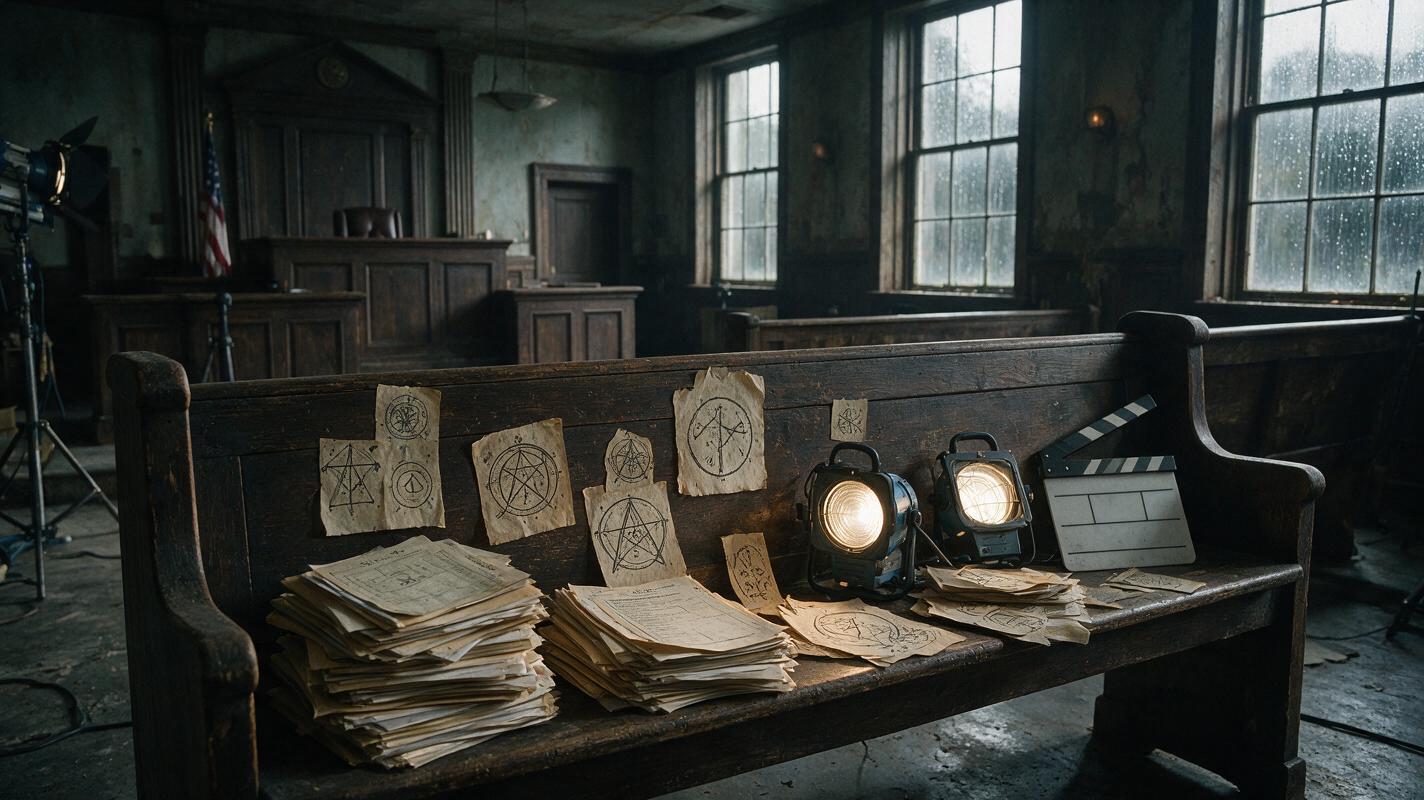
Table of contents
DC Studios Returns to John Constantine and Hellblazer
John Constantine and Hellblazer are returning to film development at DC Studios, with Francis Galluppi attached to write a new feature centered on the occult property.
Galluppi, known for The Last Stop in Yuma County, is writing the project as DC Comics collects its four-year Hellblazer run into a single omnibus. The proposed film is described as an R-rated, horror-leaning project built around a character who does not depend on conventional superpowers.
The timing places Constantine inside a broader strategy favoring lower-cost projects based on second-tier characters. DC recently found success with Clayface, which added another $13.5 million worldwide and reached a $109 million global total. That performance offers a relevant commercial reference point for a darker property that can be positioned through horror rather than the scale normally associated with superhero filmmaking.
However, the new Constantine film is still in development. A writer attachment is not a production greenlight, and Constantine-related projects have repeatedly stalled during the past 15 years. Those efforts have included the Keanu Reeves film, an NBC series and a version associated with J.J. Abrams.
For filmmakers and digital storytellers, the announcement illustrates how recognizable genre identity, controlled scope and a clear tonal promise can make a property attractive before production begins. It also shows why early concept development must remain flexible until financing, scheduling and production commitments become firm.
Why Hellblazer Fits a Different Kind of DC Film
Constantine occupies a useful position between comic-book adaptation and supernatural horror. The reported project is R-rated, horror-oriented and non-superpowered, allowing its identity to come from atmosphere, danger and occult subject matter rather than an escalating display of abilities.
That distinction matters commercially. A film does not need to imitate the visual scale of a conventional superhero release merely because its source material comes from comics. Horror can instead concentrate attention on locations, unsettling imagery, character vulnerability and a tightly defined threat.
A strong genre promise can be more important than sheer spectacle when a studio is developing a second-tier character.
The recent Clayface result gives DC a concrete example of this approach working with audiences. Its $109 million worldwide total does not guarantee that Constantine will follow the same path, but it helps explain why another darker, horror-led asset may be appealing within the studio’s development strategy.
Francis Galluppi Is Attached, but the Film Is Not Greenlit
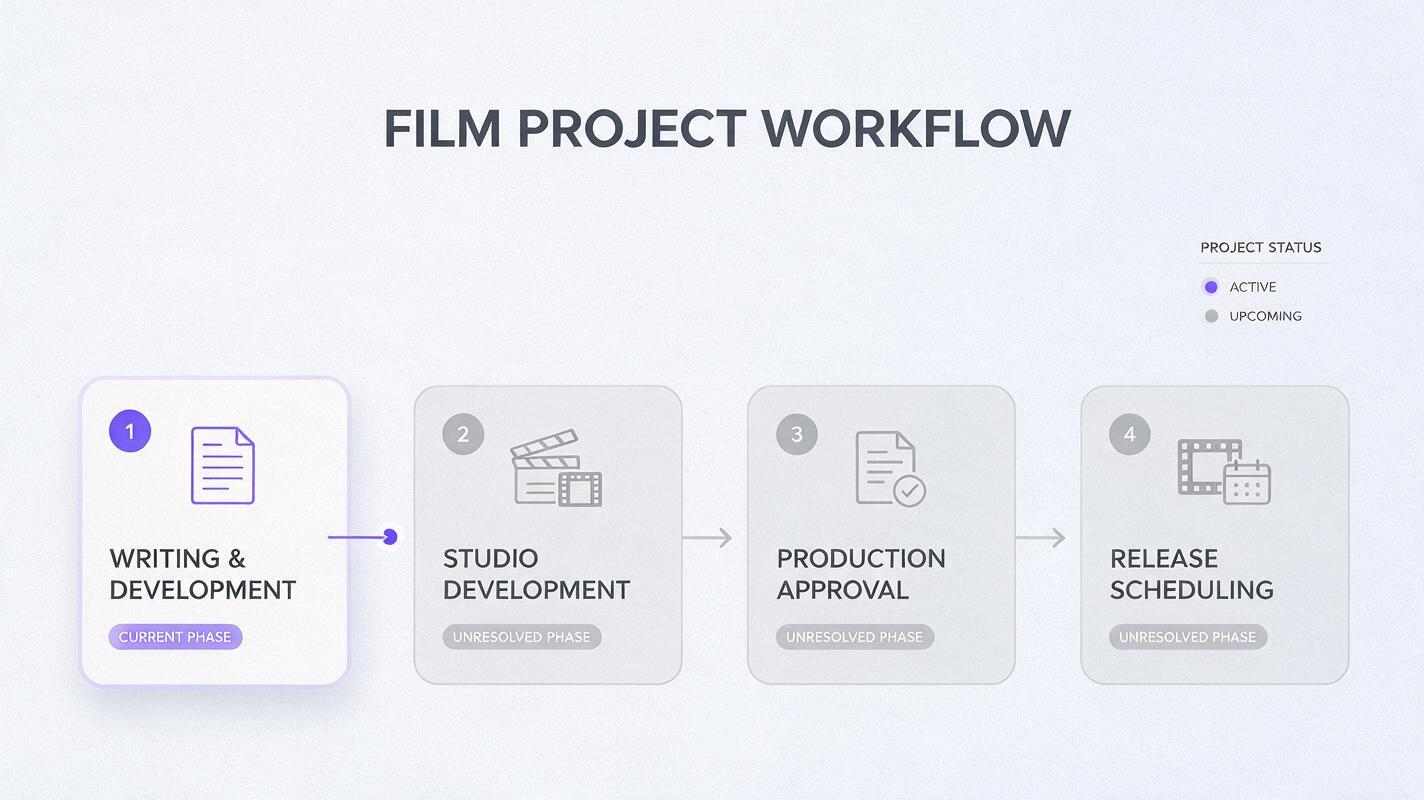
The most important distinction in the announcement is the difference between development and production. Galluppi’s involvement gives the prospective film a writer and a creative direction, but it does not establish a production schedule, release date or final commitment from the studio.
That caution is especially relevant to Constantine. The property has accumulated several attempts across film and television during a 15-year period, including the Keanu Reeves film, the NBC series and the J.J. Abrams version. The latest development may progress further, but the available information does not establish that outcome.
| Confirmed element | What remains unresolved |
|---|---|
| DC Studios is developing a new film | No production greenlight has been announced |
| Francis Galluppi is attached to write | No release date has been provided |
| The property is John Constantine and Hellblazer | No final cast has been announced |
| The direction is R-rated and horror-leaning | Development does not guarantee completion |
| DC Comics collected the four-year run in an omnibus | The eventual relationship to earlier versions is unspecified |
For anyone following entertainment development, precise language matters. “In development” communicates active work, while “greenlit” would indicate a substantially firmer production commitment. Treating those terms as interchangeable can turn a useful news update into an unsupported claim.
What the Constantine Strategy Signals About Genre IP
The project suggests that established comic-book properties can be reframed through genre rather than treated as one uniform category. Constantine’s horror identity gives DC a way to develop audience interest without promising the structure or spectacle of a traditional superpowered adventure.
This is also where the omnibus release becomes relevant. Collecting a four-year Hellblazer run into one volume gives readers a consolidated publication at the same time that the screen property returns to development. The available information does not define a direct adaptation relationship, but the two events reinforce attention around the same character and brand.
Independent storytellers can draw a broader lesson without copying Constantine or any protected DC material. A project becomes easier to communicate when its creative identity is specific: occult horror rather than generic darkness, a vulnerable investigator rather than an invincible hero, or one disturbing mystery rather than an undefined cinematic universe.
From Horror Concept to Original AI Film Development
The news offers a useful model for original AI content creation because horror often begins with a compact combination of character, place, threat and visual tone. An independent team can explore those ingredients through an ai storyboard before committing to a longer production.
The goal should not be to reproduce Constantine, Hellblazer or recognizable DC imagery. A stronger approach is to develop original characters, symbols, locations and supernatural rules. That keeps the creative exercise focused on genre structure instead of imitation.
Original concept: A municipal archivist discovers that erased names return as voices inside an abandoned coastal courthouse.
Tone: restrained supernatural horror, rain-soaked interiors, practical objects, no superheroes.
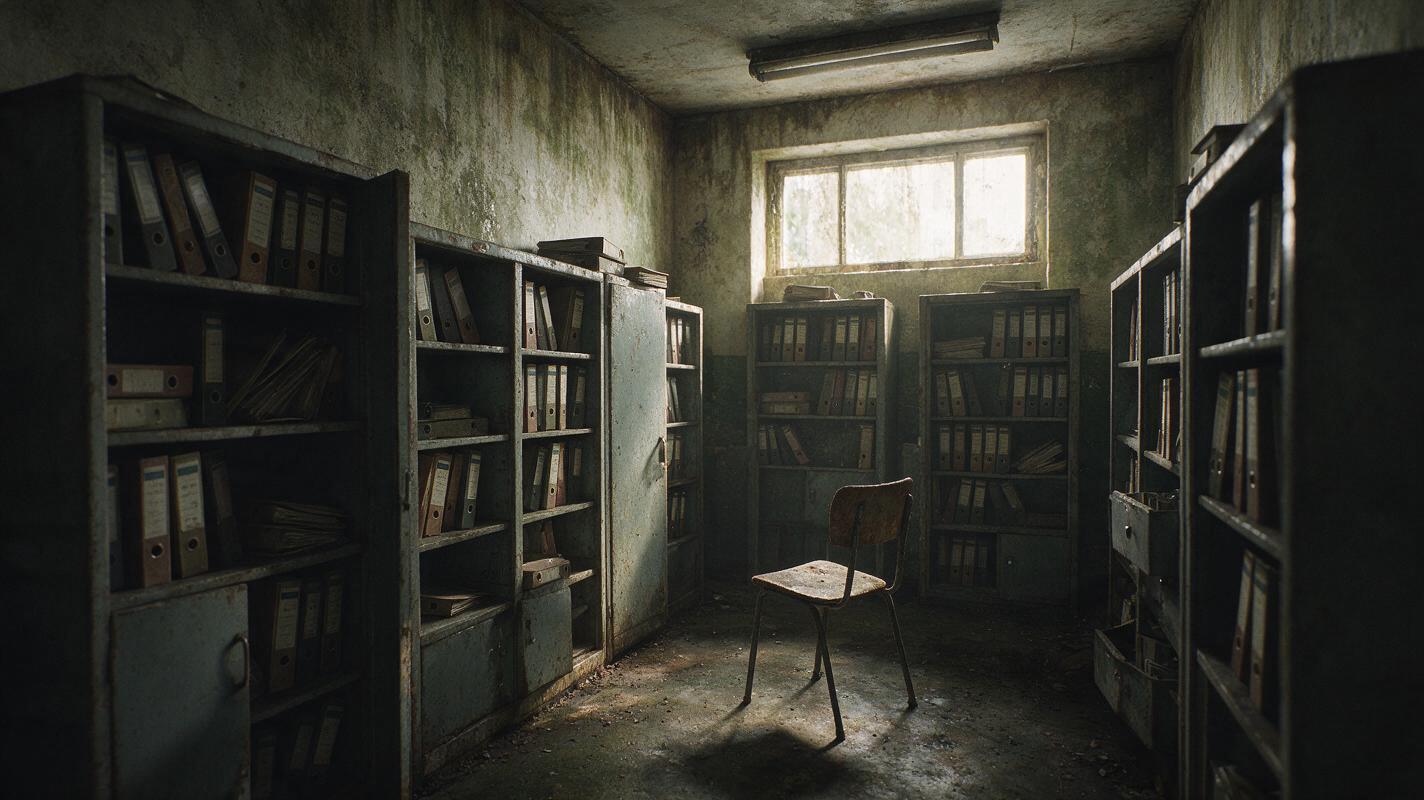
Visual focus: damaged case files, salt-stained walls, empty witness benches and one recurring red thread.
Story question: What must the archivist surrender to restore the final missing name?
Once an original visual language is defined, selected moments can be explored with text to video. Short tests can examine whether a location feels oppressive, whether a recurring object reads clearly on screen and whether the intended horror depends on atmosphere or explicit action.
This kind of development can support an ai film, an ai short drama or a pitch sequence without pretending that an early concept is a finished production. MagicBoat brings creative tools into one environment so ideas can move between story planning, visual exploration and ai video experimentation while the filmmaker retains control over the original premise.
Why Scope and Tone Matter More Than Scale
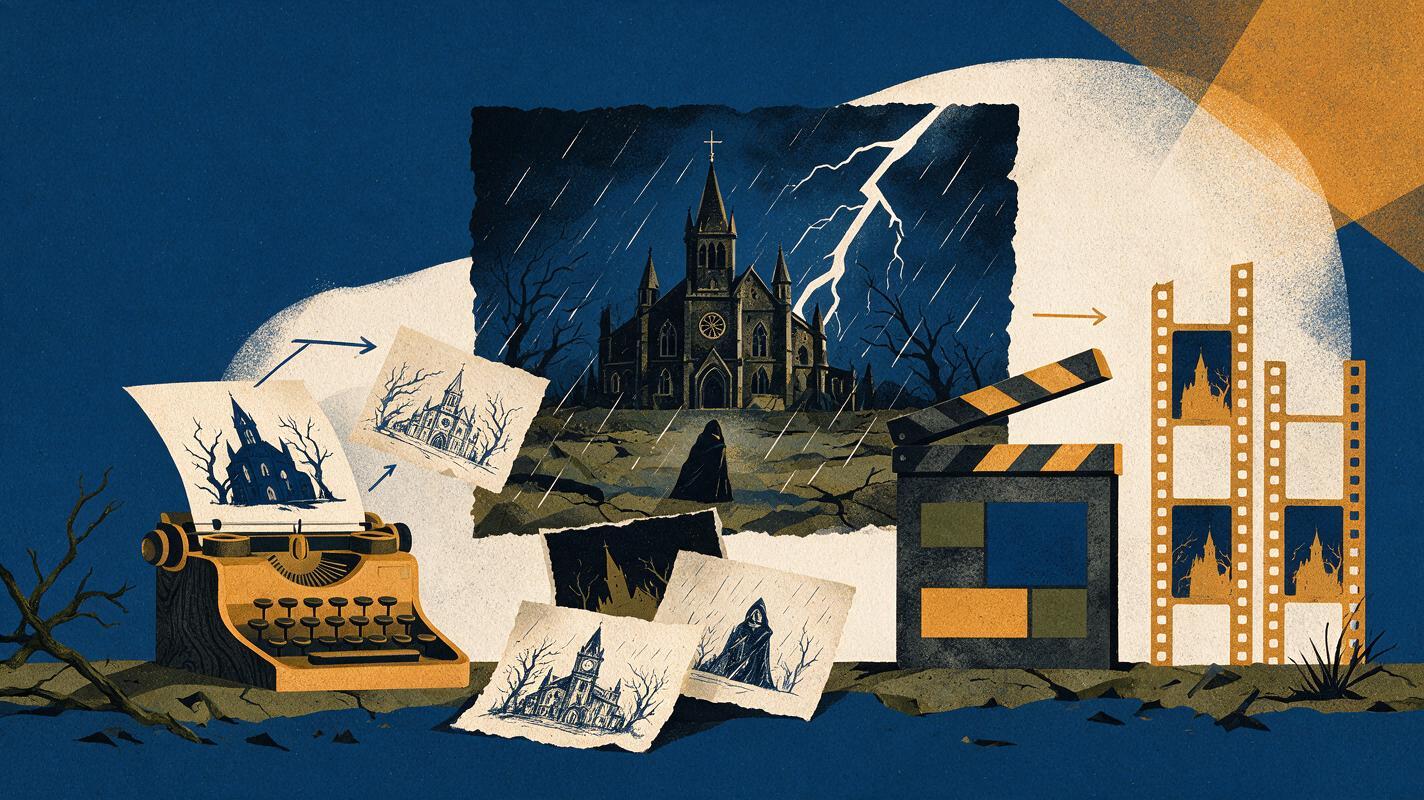
The reported Constantine direction highlights a practical truth about genre storytelling: scale is not the only way to establish value. Horror can create intensity through implication, constrained spaces and carefully repeated visual information. A non-superpowered protagonist can also make danger feel immediate because survival is not guaranteed by extraordinary abilities.
For smaller productions, that means concept development should prioritize elements that remain memorable even when resources are limited:
- A precise genre contract: the audience should understand whether the work promises occult mystery, psychological horror or another clearly defined experience.
- A vulnerable central character: limitations can generate suspense more effectively than unlimited power.
- A repeatable visual motif: one object, color or location can unify promotional images and story scenes.
- A controlled production footprint: fewer locations and focused sequences can support stronger visual consistency.
- Accurate development language: a concept, script, test and completed release represent different levels of commitment.
These principles are especially useful when building an original project intended for short-form viewing. An ai short drama still needs a recognizable premise and coherent tone; rapid generation cannot replace editorial judgment or narrative focus.
Key Takeaways
- DC Studios is developing a new John Constantine and Hellblazer film with Francis Galluppi attached to write.
- The proposed project is R-rated, horror-leaning and centered on a non-superpowered property.
- The strategy follows Clayface, which reached $109 million worldwide after adding another $13.5 million.
- Constantine projects have repeatedly stalled over 15 years, so the writer attachment should not be treated as a greenlight.
- The news demonstrates the value of a clear genre identity, controlled scope and accurate development terminology.
- Filmmakers can apply those principles to original work without copying protected characters or imagery.
To develop an original horror concept across story and visual formats, try these models for free on MagicBoat.
Keywords
john constantine film, hellblazer film, dc studios, francis galluppi, horror filmmaking, ai content creation, ai film