Maya Hawke to Star in Live-Action Magic: The Gathering Film
Maya Hawke has been cast as the first announced lead in Legendary and Hasbro Entertainment’s long-in-development live-action Magic: The Gathering film, directed by Matt Johnson. The project, which spent over a decade in development at previous studios, is planned as a theatrical trilogy alongside a separate Netflix animated series from Hasbro. The role marks Hawke’s first major casting since Stranger Things concluded in January 2026.
Table of contents
Maya Hawke Joins Long-Awaited Magic: The Gathering Live-Action Project
Maya Hawke has been cast as the first announced lead in the upcoming live-action Magic: The Gathering film, a joint production between Legendary and Hasbro Entertainment. The news marks a major milestone for a project that has spent more than a decade in various stages of development across multiple Hollywood studios, including previous stints at Universal and 20th Century Fox before landing at Legendary.
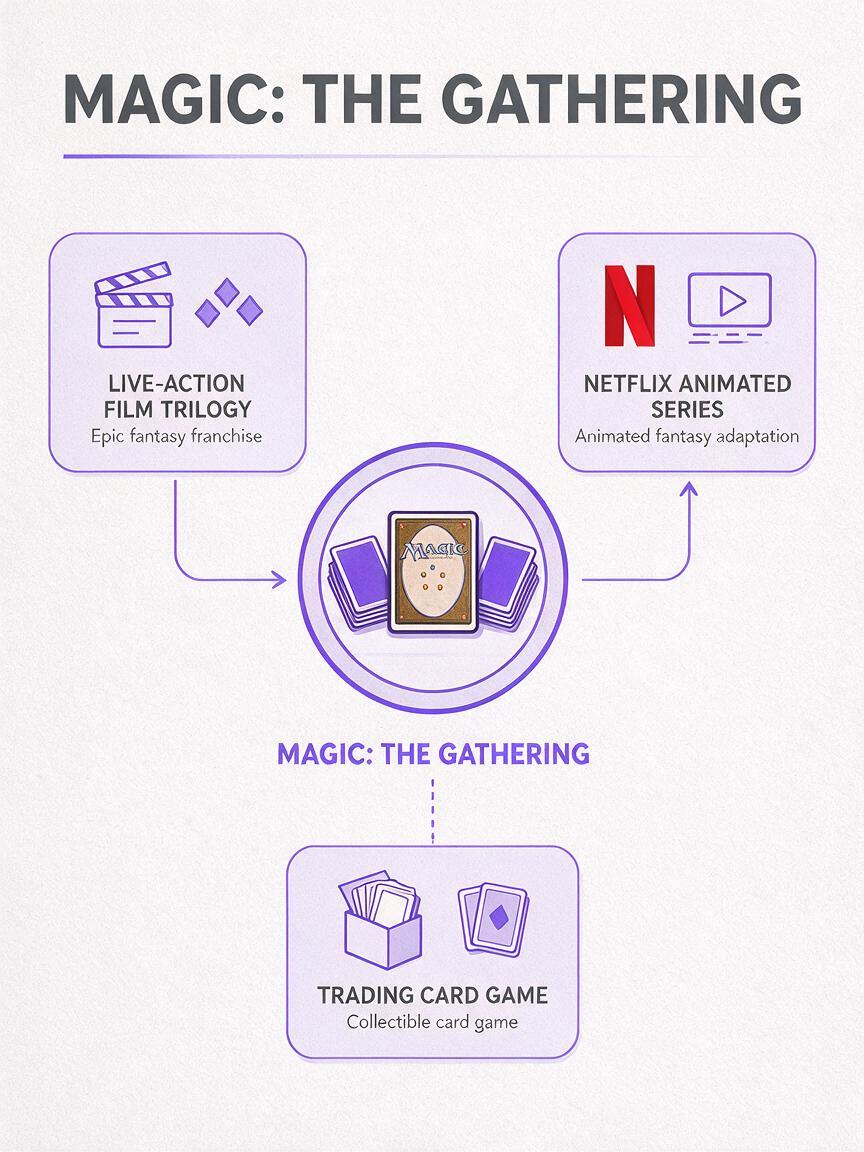
Matt Johnson is set to direct the film and co-write the screenplay alongside Noah Gardner and Aidan Fitzgerald. Legendary is reportedly planning a full theatrical trilogy based on the iconic tabletop trading card game, which has built a global fan base over 30 years of releases and lore expansion.
Hasbro, which owns the Magic: The Gathering IP through its Wizards of the Coast subsidiary, is also developing a separate animated series set in the same universe for Netflix, creating a cross-format franchise strategy spanning both theatrical and streaming audiences.
The role marks Hawke’s first major film casting since Stranger Things concluded its run in January 2026. The actor is also set to appear in Lionsgate’s upcoming Hunger Games: Sunrise on the Reaping, cementing her position as a leading talent for major franchise projects.
What the Dual Format Release Strategy Says About Modern IP
The decision to develop both a live-action theatrical trilogy and a Netflix animated series simultaneously reflects a broader shift in how major IP owners approach franchise building. Instead of relying on a single film launch to carry a property, studios are now investing in multiple entry points to reach different audience segments and build long-term engagement.
For Magic: The Gathering, this strategy makes particular sense. The game’s deep lore, vast roster of characters, and multiple planes of existence offer enough material to support both big-budget theatrical storytelling and more serialized, animated content for streaming audiences. It also follows a pattern set by other tabletop and game IP adaptations, which have seen strong performance across both mediums in recent years.
Notably, the project’s slow path to production — more than 10 years of development across three studios — also highlights the risk aversion that still surrounds large-budget fantasy projects. Studios are increasingly looking for IP with proven, built-in fan bases to reduce box office uncertainty, even as they expand into new distribution formats.
Why This Matters for Independent AI Content Creators
For independent content creators, the momentum behind Magic: The Gathering’s long-awaited adaptation carries several key takeaways. First, demand for fantasy and genre content with deep worldbuilding is higher than ever, across both theatrical and streaming platforms. Audiences are hungry for immersive, lore-rich worlds — and you don’t need a nine-figure studio budget to start building one.
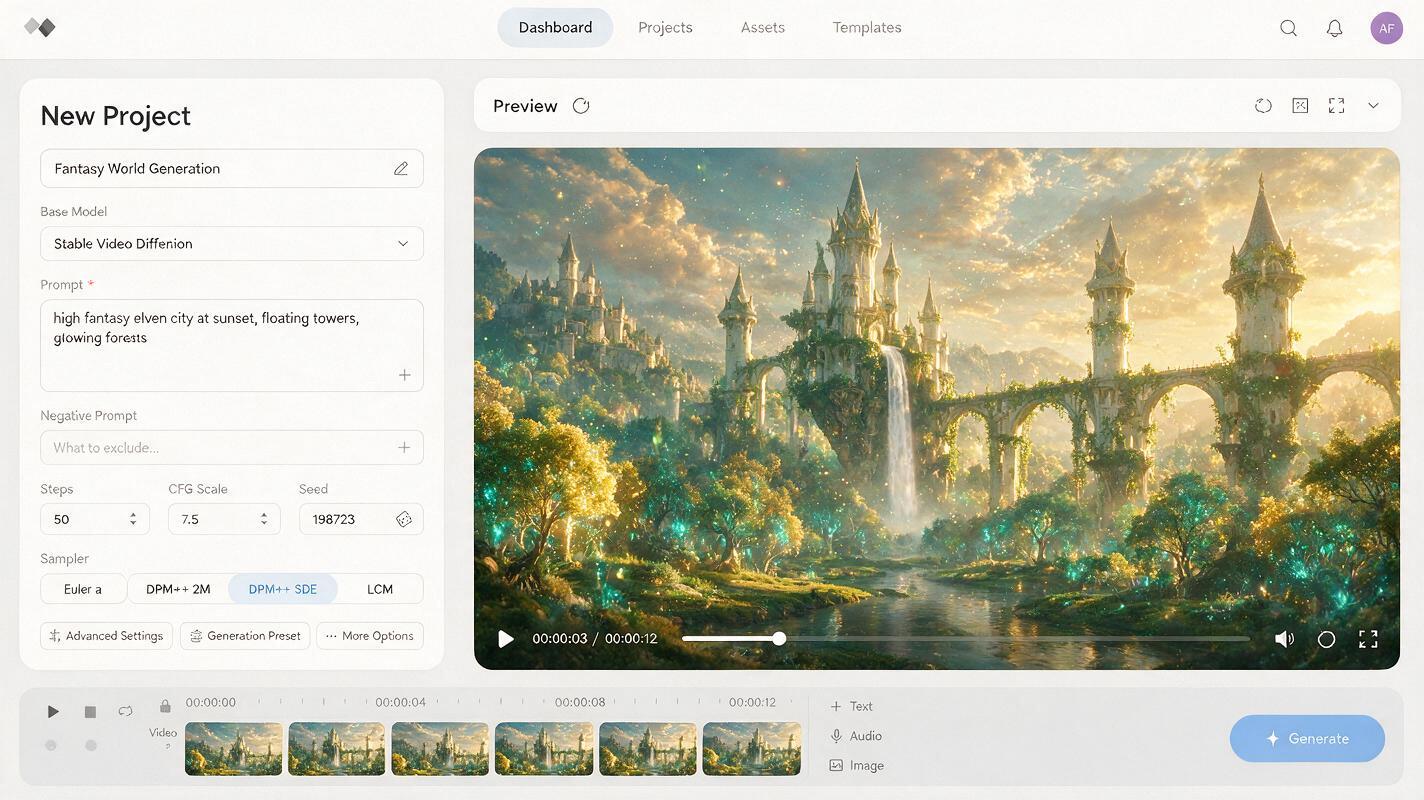
With an ai film generator, you can turn a rough concept, a few character sketches, or a page of lore into a polished proof-of-concept short in hours instead of months. These tools make it possible to test out original IP ideas, iterate on story beats, and build a visual portfolio without hiring a full VFX team.
text to video tools also level the playing field for creators working in fantasy and science fiction genres. Where elaborate set pieces and creature designs once required massive production budgets, you can now generate high-quality visuals from written prompts, letting you focus on storytelling and worldbuilding rather than logistics.
Just as Magic: The Gathering built its audience over decades of tabletop play before making the jump to film, independent creators can use short-form AI-generated content to build a fan base for their original IP, then expand into longer formats as demand grows. This bottom-up approach to franchise building is increasingly accessible, even for creators working with limited resources.
If you’re ready to prototype your own fantasy series, short film, or serialized story, try these models for free on MagicBoat and see how quickly you can move from initial idea to finished visual content.
Key Takeaways
- Maya Hawke is the first announced cast member for Legendary and Hasbro’s long-in-development live-action Magic: The Gathering film, directed by Matt Johnson.
- Legendary is planning a full theatrical trilogy, while Hasbro develops a separate Magic: The Gathering animated series for Netflix.
- Dual-format release strategies are becoming standard for major franchise IP, as studios target both theatrical and streaming audiences.
- Independent creators can use AI filmmaking tools to prototype original fantasy and genre IP at a fraction of traditional production costs.
Keywords
maya hawke, magic the gathering film, live action adaptation, hasbro entertainment, legendary pictures, netflix animated series, ai film, ai content creation