Meta Launches Natural Language AI Tools for Facebook Feed Customization
Meta has launched new AI-powered tools that let users customize their Facebook feeds using natural language, according to an October 2026 report. The shift to conversational feed curation marks a major change in how content is discovered on the platform, with direct implications for creators relying on Facebook reach. This article breaks down the update, its impact on creator workflows, and how multi-model AI platforms can help creators adapt to intent-driven discovery.

Table of contents
What the New Meta AI Feed Tools Do
Meta has launched new AI-powered tools that let users customize their Facebook feeds using natural language, according to an October 15, 2026 report from Jiemian News. The rollout represents one of the most significant updates to Facebook’s content discovery system in years, putting direct, conversational control over feed curation in users’ hands.
While full details on the feature’s scope and regional availability remain limited in initial reports, the core functionality lets users describe their desired feed experience in plain language rather than navigating through layers of settings menus. This aligns with a broader industry shift toward conversational AI interfaces for everything from content curation to productivity tools, as platforms look to make AI assistants a central part of user interactions.
The move comes as Meta continues to expand its AI ecosystem across its family of apps, including its Muse shopping assistant and Ray-Ban Meta smart glasses. For the broader AI creator landscape, it signals a growing expectation that AI will mediate how users discover, consume, and interact with digital content.

Why This Matters for Content Creators
For creators who rely on Facebook reach to grow their audience and monetize their work, the shift to natural language feed customization marks a meaningful change in how content is discovered. Traditional feed optimization has long focused on aligning with algorithmic signals like engagement rates, watch time, and posting frequency. Natural language customization adds a new layer of explicit user intent that can override or reshape those traditional signals.
This means creators can no longer rely solely on optimizing for generic algorithm metrics. Instead, they need to understand the specific intents their audience is likely to express, and create content that clearly aligns with those intents. For example, a fitness creator might find that users frequently request quick 10-minute home workouts for beginners, making that content far more discoverable than broader fitness content that doesn’t match specific conversational queries.
The shift also rewards content that is clearly labeled, descriptive, and aligned with specific user needs, rather than content designed to game engagement metrics. Over time, this could lead to more niche, audience-focused content thriving on the platform, as users can easily curate their feeds to match their specific interests.

Adapting Creator Workflows for Intent-Driven Discovery
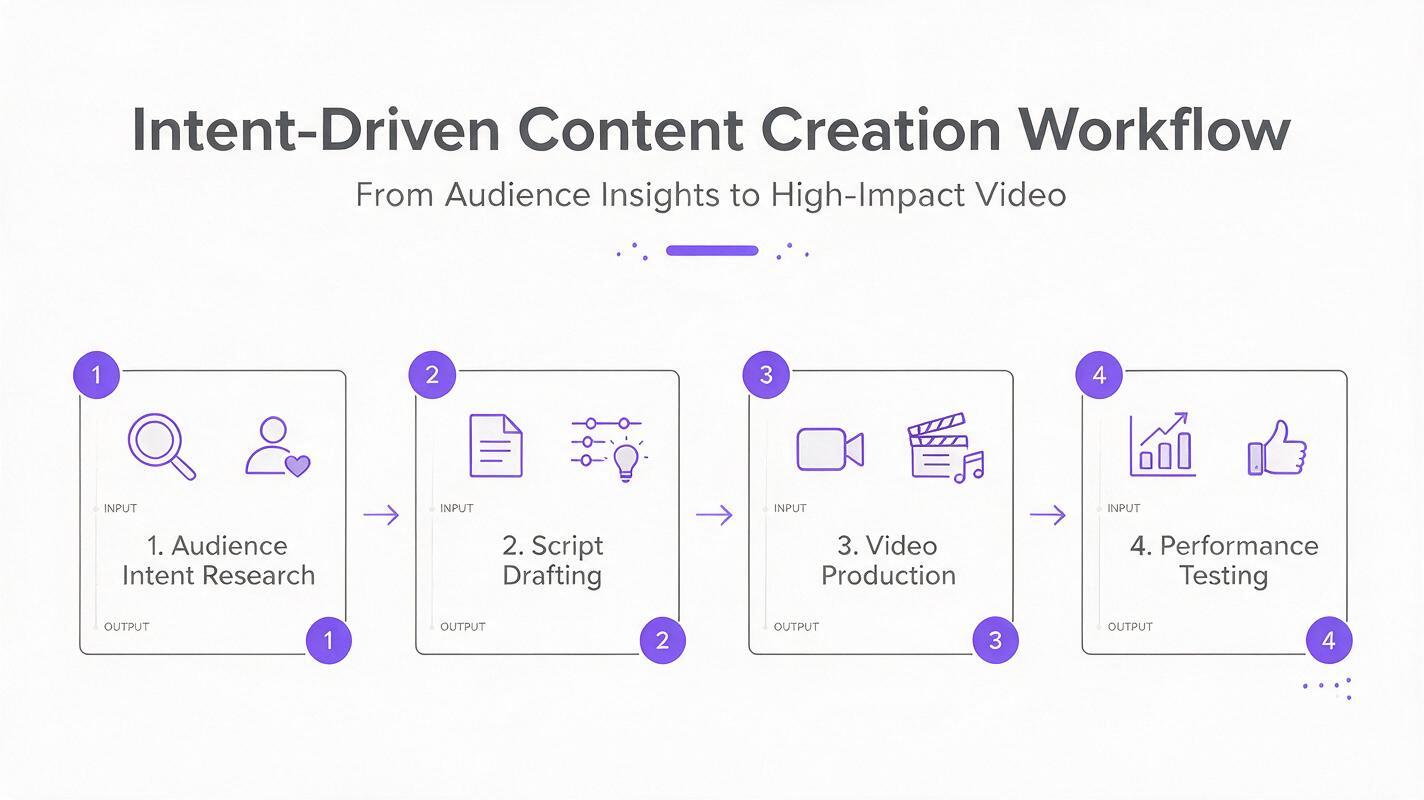
Adapting to intent-driven feed discovery doesn’t require a complete overhaul of your content strategy, but it does mean building more flexibility into your workflow to test and iterate on content aligned with diverse user intents. Multi-model AI platforms make this easier by putting a range of creative tools in one place, so you can quickly generate, test, and refine content without juggling multiple subscriptions or workflows.
For scripted content like short-form videos, an ai script generator can help you draft multiple versions of a script targeted at different audience intents in minutes. You can test angles focused on specific use cases, skill levels, or interests, then pick the versions most likely to resonate with the intents your audience is expressing in feed customizations.
For visual content, an ai video generator lets you quickly produce test clips or full videos aligned with specific intent themes, so you can experiment with more content angles without investing hours of manual production time. This speed and flexibility make it easier to keep up with shifting audience preferences and discovery algorithms.
Platforms like MagicBoat bring these tools together in a single, unified interface, so you can move from ideation to script to final video without switching between tools. You can try these models for free to see how multi-model AI can help you adapt your content strategy to evolving platform dynamics.
Key Takeaways
- Meta’s new natural language AI tools let users customize their Facebook feeds with conversational commands, shifting content discovery toward explicit user intent.
- Creators need to adapt their content strategy to focus on specific audience intents, not just traditional algorithmic signals like engagement rate.
- Multi-model AI platforms make it easier to iterate on content aligned with diverse intents, with tools for scriptwriting, video production, and more in one place.
- Building flexibility into your content workflow helps you stay ahead of platform changes and maintain consistent reach as discovery algorithms evolve.
Keywords
meta ai, facebook feed customization, ai assistant, ai workflow, content discovery, ai video workflow, ai automation