Meta Launches AI Tools for Natural Language Facebook Feed Customization
In mid-October 2026, Meta launched new AI-powered tools that allow users to customize their Facebook feeds using natural language requests, marking a major shift in social media content discovery. The rollout is part of a broader industry wave of AI integration, backed by record funding and capital expenditure across the tech sector. For content creators, the change means adapting content strategies to align with explicit user preferences, with flexible multi-model AI platforms helping to streamline production and reduce costs.

Table of contents
Meta’s latest AI integration puts Facebook feed control directly in users’ hands through plain-language requests, marking a major shift in how social media content is discovered and consumed.
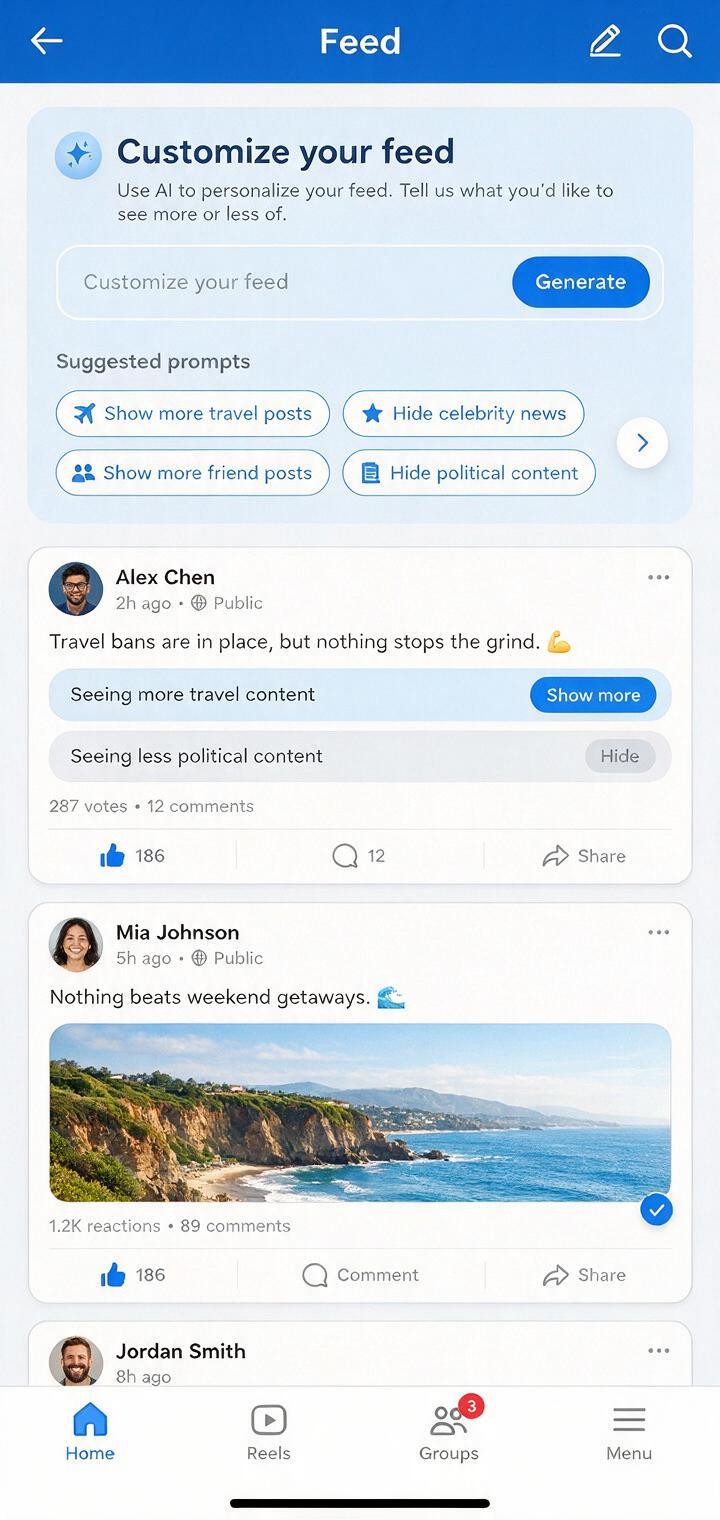
On October 15, 2026, Meta launched new AI-powered tools that enable users to customize their Facebook feeds using natural language, according to a report from Jiemian News. The rollout represents the company’s latest effort to embed generative AI into core user experiences, building on its expanding portfolio of AI products including the Muse personal assistant and third-generation Ray-Ban Meta smart glasses. While specific details about the tool’s full feature set remain limited, the core functionality lets users describe the type of content they want to see more or less of, rather than relying on pre-set menu options or algorithmic defaults.
The launch comes amid a wave of AI product releases from major tech platforms, as companies race to integrate generative AI into every layer of their consumer ecosystems. For Meta, the feed customization tools are another step toward positioning its platforms as AI-first experiences, alongside its investments in personal agents, smart glasses, and AI-powered content creation tools.
What We Know About Meta’s AI Feed Customization Tools
The confirmed core capability of the new tools is natural language-driven feed personalization. Users can type plain-language requests to adjust what content appears in their Facebook feed, such as asking to see more posts from a specific friend group, more content about a particular hobby, or less of a certain type of content. This moves beyond the existing limited feed customization options, which typically rely on toggles, “Show more/Show less” buttons, or follow/unfollow actions.
The rollout aligns with Meta’s broader 2026 AI strategy, which has centered on bringing generative AI tools to every layer of its product ecosystem. Earlier in October, Citi analysts estimated that Meta’s Muse AI assistant could generate over $27 billion in annual revenue by 2030, positioning it as a leading entry point to the internet for personal agent use cases. The company has also expanded its AI hardware lineup, including the launch of third-generation Ray-Ban Meta smart glasses in India earlier in October.
As of initial reporting, specific details about regional availability, cross-platform rollout to Instagram or other Meta properties, and the exact AI model powering the customization have not been publicly disclosed. Meta has not yet published an official announcement of the feed tools on its corporate newsroom.
Why This Matters for the Broader AI Industry
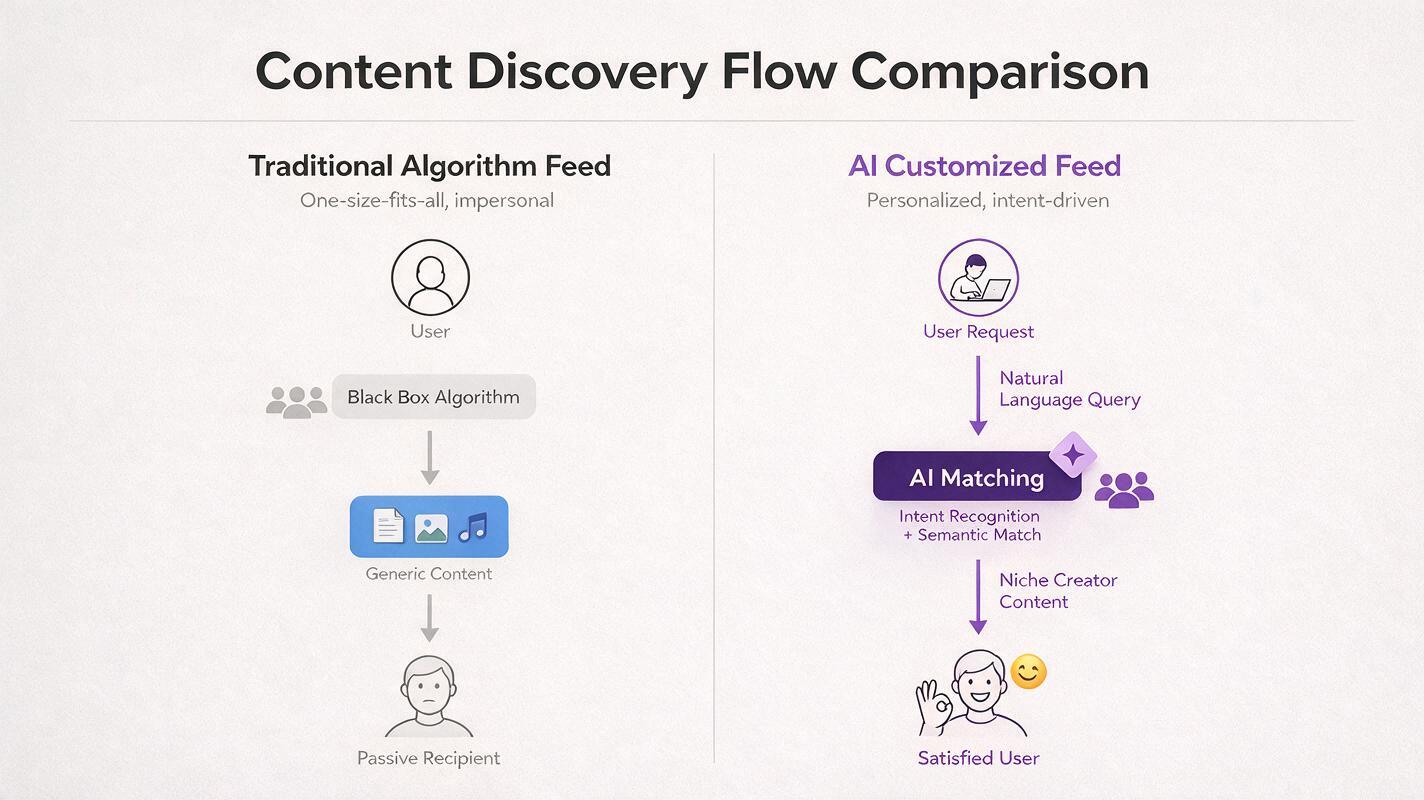
The launch of natural language feed customization is a notable milestone for the ai industry, as it marks another step toward generative AI becoming an invisible, everyday interface for core digital experiences. For years, social media feeds have been controlled by opaque recommendation algorithms; giving users direct natural language control shifts the balance of power toward end users, while also creating new opportunities for AI to mediate content discovery.
This rollout comes amid a period of massive ai funding and ai capital expenditure across the tech sector. Goldman Sachs recently estimated that AI capital expenditure from five major cloud giants will grow more than 50% to $1.2 trillion next year, as companies invest heavily in the infrastructure and model development needed to support consumer-facing AI tools. Even newer players like deepseek, which reported annualized revenue of roughly $1 billion and is raising around $7.5 billion at a $74 billion valuation, are driving rapid innovation in natural language processing that makes tools like Meta’s feed customization possible.
The move also signals intensifying competition between major tech platforms to integrate AI into their core user experiences. Google, Amazon, and Apple have all rolled out or announced AI-powered personalization features for their respective ecosystems in 2026, and Meta’s feed tools are the latest entry in that race to become the primary AI interface for consumers.
What This Means for Content Creators and Social Media Teams
For content creators and social media content teams, the shift to user-driven AI feed customization has significant implications for reach, content strategy, and audience engagement. When users can explicitly ask for the type of content they want, algorithmic black boxes become slightly more transparent, but they also create new challenges for creators who have spent years optimizing for existing ranking signals.
On one hand, the tools could help niche creators reach more engaged audiences: if a user specifically asks for content about a narrow hobby or topic, high-quality creators in that space are more likely to appear in their feed, even if they don’t have massive followings. On the other hand, creators who rely on viral discovery through broad algorithmic recommendations may see their reach shift as users take more control over their feeds.
This shift also means creators need to be even more intentional about the content they produce, focusing on clear, specific value that aligns with what their audience is actively seeking. Many creators are already turning to AI tools to streamline content production and test different content formats. Platforms like MagicBoat offer ai image generator for custom thumbnails and visual assets, and ai video generator for short-form content optimized for different platform formats. Managing ai video cost and production time is a top priority for small teams, and multi-model AI platforms can help reduce costs by providing access to multiple tools under one account.
How Flexible AI Platforms Help Creators Adapt to Platform Shifts
Social media platforms change their algorithms and user experiences regularly, and creators who rely on a single tool or platform for content production risk falling behind when those shifts happen. A flexible, multi-model AI platform like MagicBoat gives creators access to a wide range of AI content tools in one place, making it easy to iterate on content strategies and test new formats without needing to manage multiple subscriptions or learn new tools every time a platform updates.
For example, if you’re a social media creator testing content that aligns with common natural language feed requests, you can generate custom visual assets, short-form clips, and even full video scripts all from the same dashboard. You can experiment with different tones, topics, and formats at a fraction of the time and cost of traditional production, making it easier to adapt to changing user preferences and platform dynamics.
Because MagicBoat is a platform-agnostic tool, you don’t have to worry about being locked into a single platform’s AI ecosystem or losing access to tools if a social network changes its policies or features. You own your content and your workflow, and you can use the same tools to create content for Facebook, Instagram, TikTok, YouTube, or any other platform you use to reach your audience.
If you’re ready to streamline your content workflow and adapt to changing social media dynamics, try these models for free today.

Key Takeaways
- Meta launched AI-powered tools in mid-October 2026 that let users customize their Facebook feeds using natural language requests, marking a major shift in social media content discovery.
- The rollout is part of a broader industry trend of AI integration into everyday digital experiences, backed by massive ai funding and ai capital expenditure across the tech sector.
- For creators, the shift means more emphasis on producing specific, value-aligned content that matches what users are actively seeking, rather than optimizing for opaque algorithm signals.
- Flexible multi-model AI platforms help creators adapt to platform changes quickly, with access to tools for image, video, and script creation all in one place.
Keywords
meta ai facebook feed customization, ai industry, ai image generator, ai video generator, ai funding, ai capital expenditure, ai video cost, deepseek