Meta Launches AI Tools for Natural Language Facebook Feed Customization
Meta has launched new AI tools that allow Facebook users to customize their feeds using natural language requests, expanding the company’s consumer AI ecosystem alongside its Muse assistant. The shift to explicit, query-driven feed curation has key implications for content creators looking to optimize their reach on social platforms.

Table of contents
Meta’s New AI Tools Let Users Customize Facebook Feeds With Natural Language
Meta has rolled out new AI-powered tools that let Facebook users customize their feeds using natural language requests, marking the company’s latest push to integrate conversational AI into core social media experiences.
The launch, reported on October 15, 2026, gives users the ability to ask for specific content themes, topics, or post types directly, rather than relying on Meta’s default algorithmic curation. Instead of scrolling through a pre-determined feed, users can type requests like “show me more small business cooking tutorials” or “hide celebrity gossip for the next hour” to adjust their feed in real time. The feature builds on Meta’s broader investment in consumer AI tools, which has centered on the company’s Muse AI assistant as a central entry point for digital interactions.
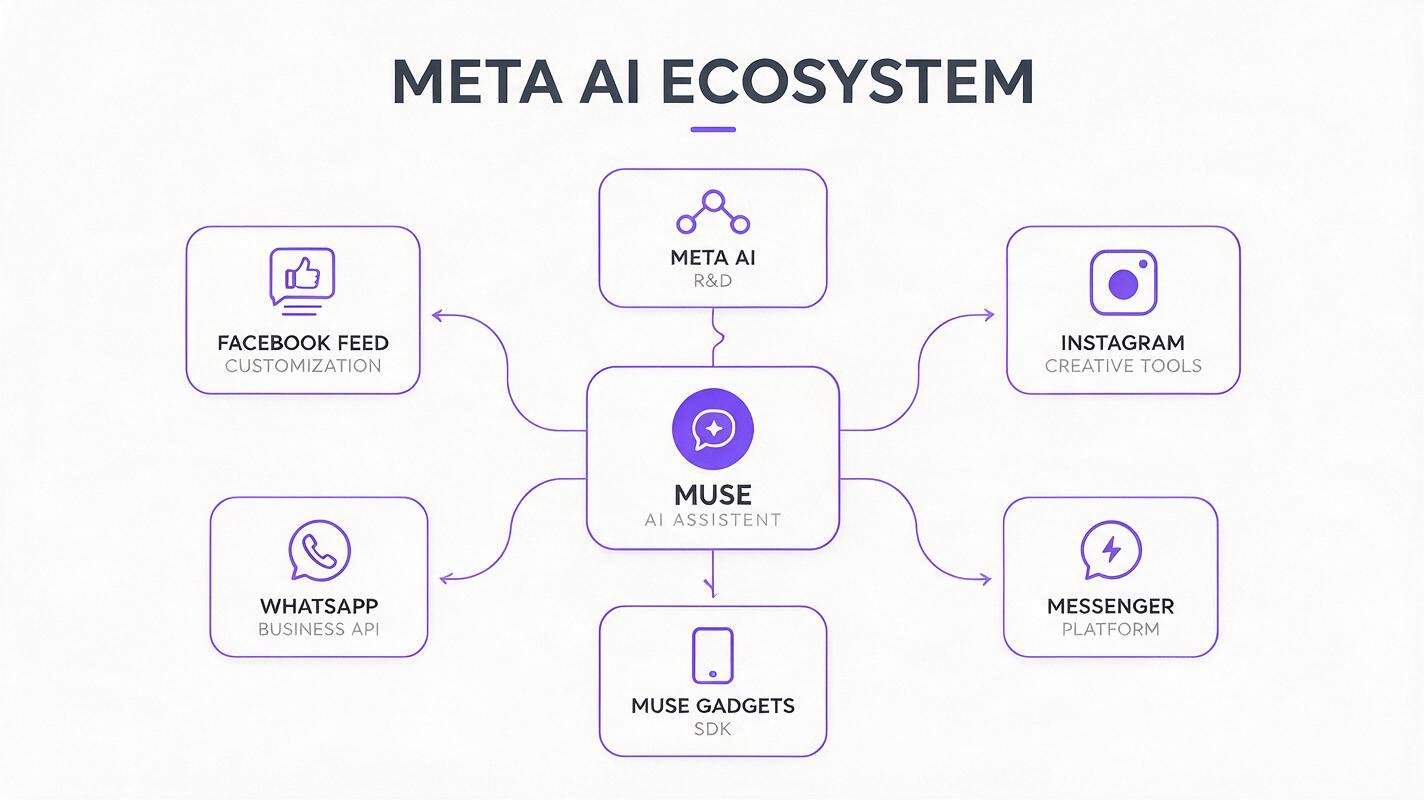
How the Feed Tools Fit Into Meta’s AI Ecosystem
This new feed customization tool is not an isolated launch; it’s part of Meta’s larger strategy to position its AI offerings as the primary “front door” to the internet for consumers. Analysts at Citi recently estimated that Meta’s Muse AI assistant could generate over $27 billion in annual revenue by 2030, dominating the personal AI agent market by integrating with the company’s existing social commerce, messaging, and content platforms.
The Facebook feed tools extend that vision by putting conversational AI control directly in users’ hands, rather than limiting AI interactions to a separate assistant app. Meta has also expanded its developer ecosystem around AI tools, including open-sourcing the Muse Gadgets SDK to let third-party builders create extensions for the Muse platform. That ecosystem approach mirrors the company’s playbook for social platforms: build a core tool, then open it up to developers and creators to expand use cases and lock in user engagement.
Meta’s AI push has not been without friction, however. The company recently pulled an internal “human operator” test for Muse, and retail platforms like Amazon have blocked Muse’s shopping agent from accessing their sites over concerns about unauthorized agent access and customer relationship ownership. Those challenges highlight the tension between Meta’s goal of building a universal AI entry point and the interests of other platforms that control their own user experiences.
What This Means for Content Creators
For content creators, the shift to AI-customized social feeds represents a meaningful change in how audiences discover and engage with content. For years, creators have optimized their posts for algorithmic signals like engagement rate, watch time, and post timing. With natural language feed customization, discovery will increasingly be driven by how well content matches explicit user requests, rather than implicit behavioral signals.
This means creators who clearly align their content with specific, searchable themes and use descriptive, keyword-rich captions and titles will likely see better reach as users query feeds for niche topics. It also creates new opportunities for creators in specialized niches, who may have struggled to reach audiences under traditional algorithmic curation that prioritizes high-engagement, broad-appeal content.
Adapting to this new discovery model doesn’t require overhauling your entire content strategy overnight, but it does mean building more flexibility into your production workflow. Tools like an ai image generator can help you quickly test visual styles and content variations tailored to different niche query themes, so you can identify what resonates with specific audience segments without spending hours on manual design work.
Creators who rely on a diverse set of AI tools across a single platform also benefit from greater stability as social platforms roll out new AI features. Instead of building workflows around a single platform’s native tools, a multi-model approach lets you adapt content for multiple distribution channels without reworking your entire production pipeline.
Building an AI-Ready Content Workflow for Customized Feeds
As AI-driven feed customization becomes more common across social platforms, creators can take proactive steps to align their content production with this new discovery model. The goal is to build a workflow that lets you produce high-quality, theme-aligned content efficiently, while also giving you the flexibility to test new formats and topics as user query patterns emerge.
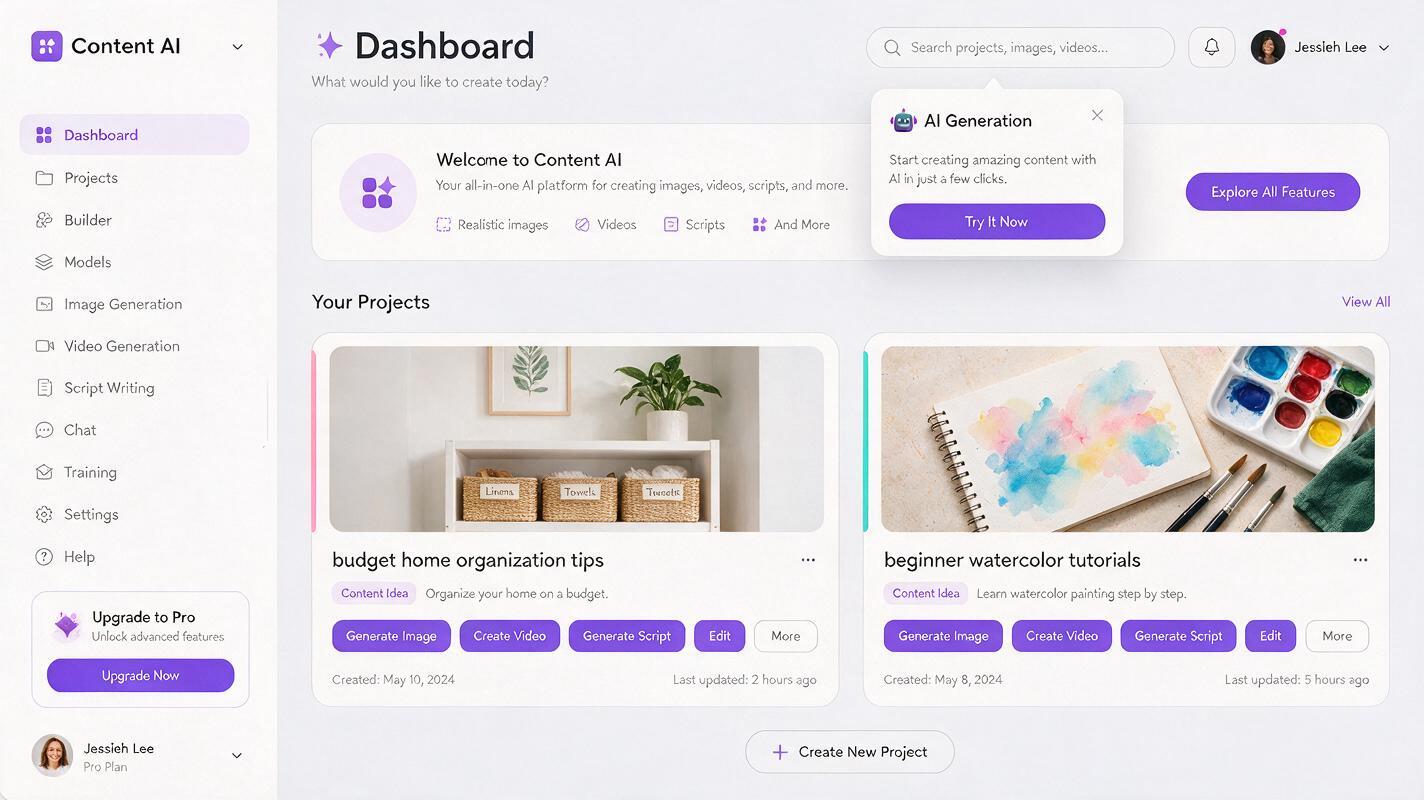
One key adjustment is shifting from a single-content-piece mindset to a thematic content approach. Instead of creating isolated posts, build content around core themes that users are likely to query directly — for example, “budget home organization tips” or “beginner watercolor tutorials” — and create multiple content formats (short video, carousels, text posts) around each theme. This makes it more likely that your content will match a range of natural language requests related to your niche.
An ai video generator can help you produce multiple variations of short-form content tailored to different query themes, without rebuilding every asset from scratch. You can input a core script or concept, then adjust the tone, visual style, or length to align with different audience requests, all from a single starting point. This cuts down on production time while ensuring your content stays aligned with the specific themes users are searching for in their feeds.
Another important step is monitoring emerging query patterns in your niche. As users get more comfortable using natural language to customize their feeds, new popular request themes will emerge, and creators who move quickly to address those themes will capture early reach. You can use AI tools to analyze social media conversations, identify rising topic trends, and generate content ideas that match those emerging queries.
It’s also critical to keep your content strategy platform-agnostic. Meta is not the only company integrating AI customization into core products; other social platforms, search engines, and content aggregators are likely to roll out similar features in the coming years. Building a flexible, multi-model AI workflow means you won’t have to rebuild your entire production process every time a platform updates its AI features or algorithm.
If you want to build a flexible, multi-model content workflow ready for AI-curated social feeds, try these models for free on MagicBoat.
Key Takeaways
- Meta’s new AI tools let Facebook users customize their feeds using natural language requests, shifting content discovery from implicit algorithmic signals to explicit user queries.
- The launch is part of Meta’s broader strategy to position its AI ecosystem — led by the Muse assistant — as a primary entry point to the internet, with projected revenue of over $27 billion by 2030 according to Citi estimates.
- Creators can adapt by focusing on thematic content aligned with common user queries, and by using multi-model AI tools to efficiently produce varied, niche-focused content.
- A platform-agnostic AI workflow, supported by tools like image and video generators, helps creators stay flexible as social platforms continue evolving their AI-powered content experiences.
Keywords
meta ai facebook feed tools, ai agent, ai workflow, ai assistant, social media ai, natural language customization, content discovery, meta ai ecosystem