Meta Muse Could Generate Over $27B Revenue by 2030, Citi Estimates
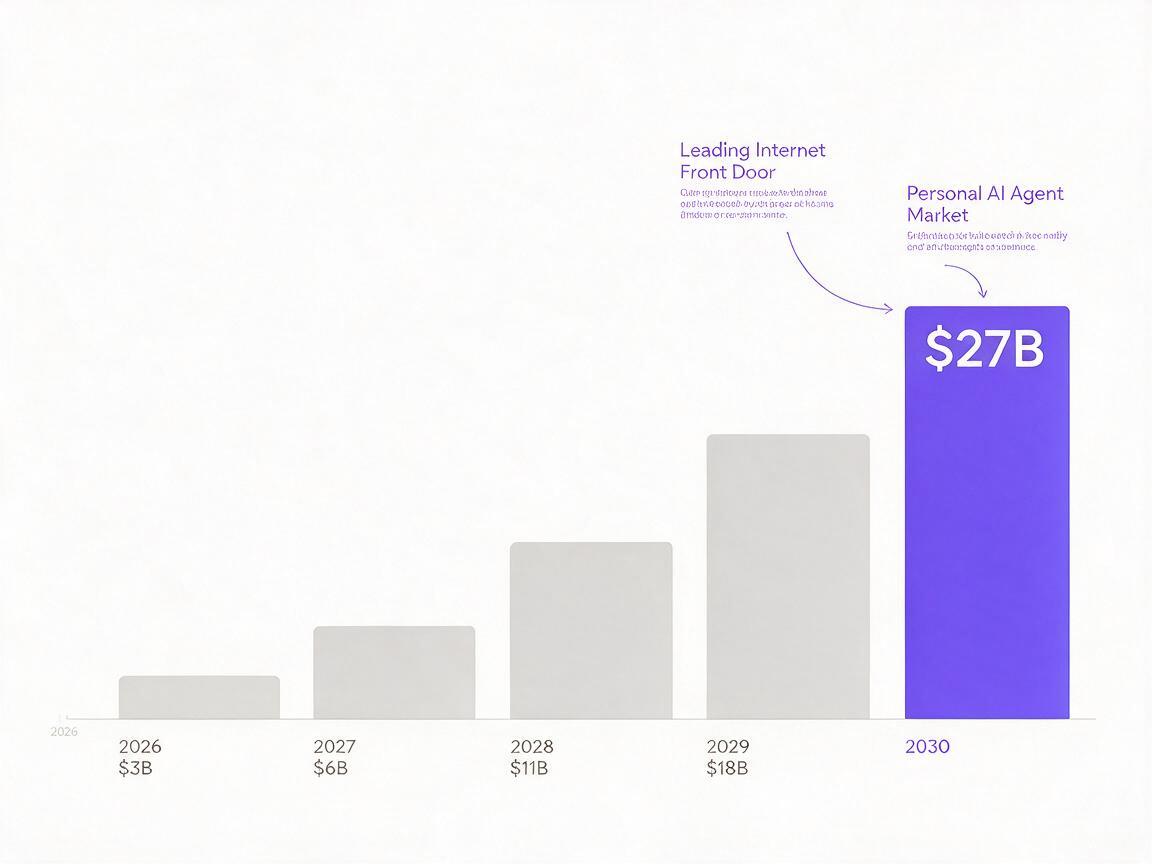
Citi analysts project Meta’s AI assistant Muse could surpass $27 billion in annual revenue by 2030, positioning it as the leading “front door” to the internet in the personal AI agent market. The forecast underscores the rapid growth of consumer-facing AI tools and their potential to reshape content discovery, with meaningful implications for creators building AI-integrated workflows.

Table of contents
The Citi Muse Revenue Forecast: What We Know
On October 20, 2026, a new Citi analysis projects Meta’s AI assistant Muse could generate more than $27 billion in annual revenue by 2030, positioning the tool as the leading “front door” to the internet in the global personal AI agent market. The forecast, cited via Meridian Magazine, frames Muse as a transformative player that could redefine how users interact with online services, moving beyond traditional app-based and search-based navigation to conversational, proactive AI interactions.
The $27 billion 2030 revenue target underscores the rapid expected growth of consumer-facing AI assistants, which have moved from experimental features to core product roadmaps at every major tech company. Citi’s framing of Muse as an internet “front door” reflects a broader industry bet that personal AI agents will become the primary starting point for tasks ranging from shopping and information lookup to travel planning and content consumption, replacing or supplementing search engines, social media feeds, and individual app home screens.
Why Muse Is Positioned to Compete for Internet Front Door Status
Muse’s early traction has already signaled its potential to capture meaningful user attention. Earlier reports from late September 2026 noted Muse had surpassed 3.4 million downloads, even as the tool faced growing pains including pushback from major ecommerce platforms. Amazon, for example, began blocking Muse’s shopping agent with “unauthorized agent access” popups in late September, a move that highlighted the high stakes of who controls customer relationships in the AI agent era.
The competitive tension around Muse extends beyond ecommerce. Analysts have warned that Muse could divert ecommerce revenue away from Apple’s iPhone ecosystem, with Bank of America noting in late September that the shopping agent posed a tangible risk to Apple’s services revenue. That warning came alongside a 2% drop in Apple’s share price, reflecting market concern about how AI agents will disrupt existing platform business models.
Meta has also been expanding Muse’s capabilities and developer ecosystem to solidify its position. In early October 2026, the company open-sourced the Muse Gadgets SDK, allowing third-party developers to build custom tools and integrations for the assistant. That move mirrors broader industry trends of opening AI agent platforms to external developers to speed up feature development and expand real-world use cases for personal agents.

What This Shift Means for AI Content Creators
For content creators, the rise of personal AI agents as an internet front door represents both a major opportunity and a significant shift in how content is discovered and consumed. If users begin most of their online sessions with an AI assistant, content will need to be optimized for agent retrieval and summarization, rather than just search engine rankings or social media algorithm visibility. This means creators will need to produce structured, easily parseable content across multiple formats — from written summaries and data visualizations to short-form video and audio clips — to ensure their work surfaces in agent responses and drives engagement.
At the same time, AI assistants and agent tools are making it faster and more efficient for creators to produce that multi-format content. A robust ai video generator, for example, can turn a written script or core idea into a polished short-form video in minutes, letting creators keep up with the demand for frequent, varied content that performs well across both traditional platforms and AI agent discovery paths. Similarly, an ai story generator can help creators brainstorm concepts, draft detailed outlines, and expand initial ideas into full scripts or articles, reducing the time spent on initial ideation and first drafts so creators can focus on refining their unique voice and perspective.
Building a resilient ai workflow that leverages multiple AI models and tools is key for creators looking to adapt to this shifting landscape. Relying on a single platform or model leaves creators vulnerable to sudden changes in pricing, feature availability, or platform policies — risks that are becoming more common as the AI agent market evolves at a rapid pace. A multi-model platform lets creators switch between tools for different tasks, maintain consistent output even if one service experiences downtime or policy changes, and experiment with new formats without being locked into a single provider’s ecosystem.
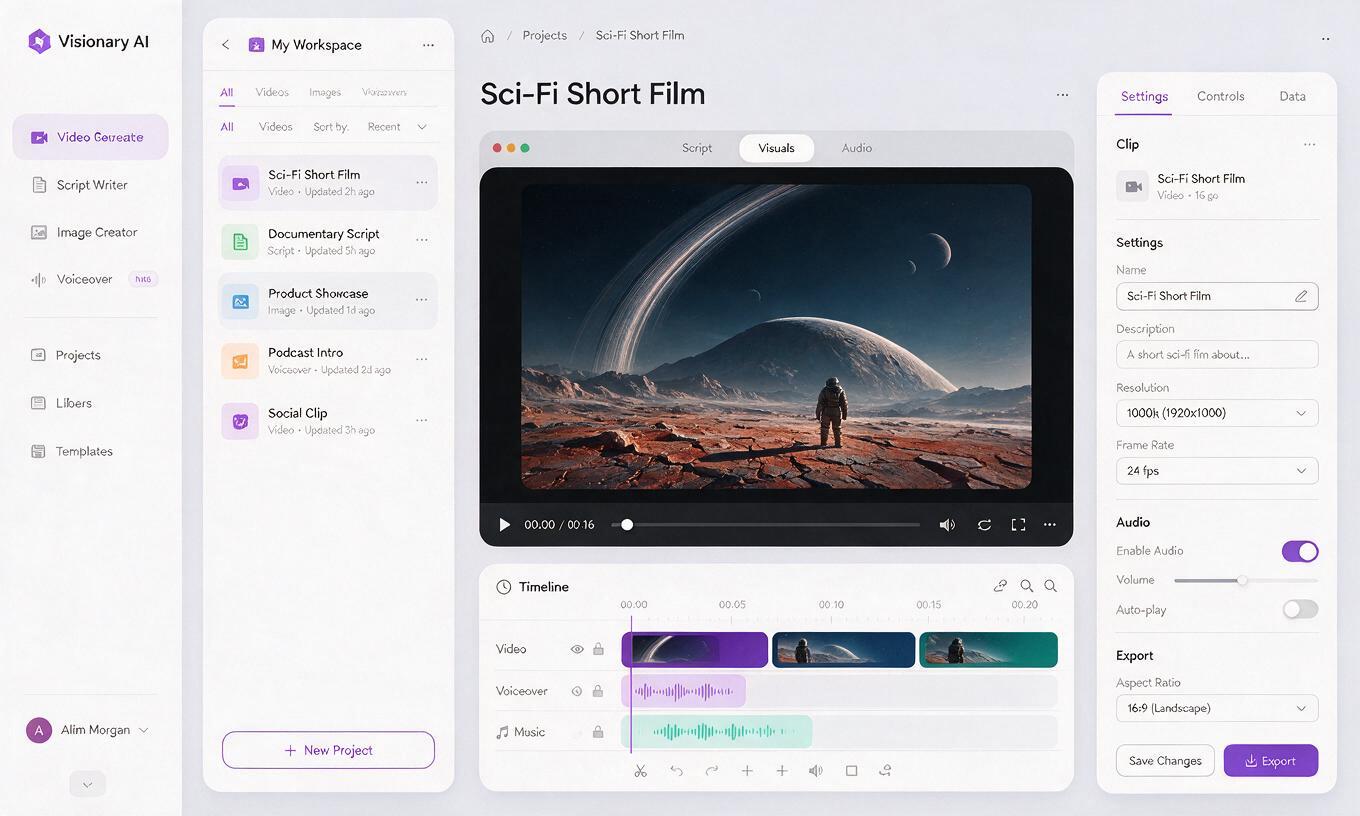
MagicBoat is built for this new era of AI-driven content creation, with a suite of integrated tools that let creators produce everything from static images and short films to voiceovers and lip-synced videos, all from a single, easy-to-use account. Whether you’re optimizing existing content for agent discovery or building entirely new multi-format content pipelines, you can try these models for free to see how they fit into your creative process.
Key Takeaways
- Citi projects Meta’s Muse AI assistant could generate more than $27 billion in annual revenue by 2030, framing it as the leading “front door” to the internet in the personal AI agent market.
- The forecast reflects a broader industry shift toward AI agents as the primary starting point for online interactions, with implications for everything from ecommerce to content discovery and platform business models.
- Content creators need to adapt their workflows to optimize for agent retrieval, while leveraging AI tools to scale multi-format content production efficiently.
- A multi-model AI platform helps creators build resilient, flexible workflows that can adapt to rapid changes in the AI agent and content discovery landscape.
Keywords
meta muse, ai assistant, ai agent, personal ai agent, ai workflow, ai automation, citi muse forecast