Citi: Meta Muse AI Assistant Could Hit $27B Revenue by 2030
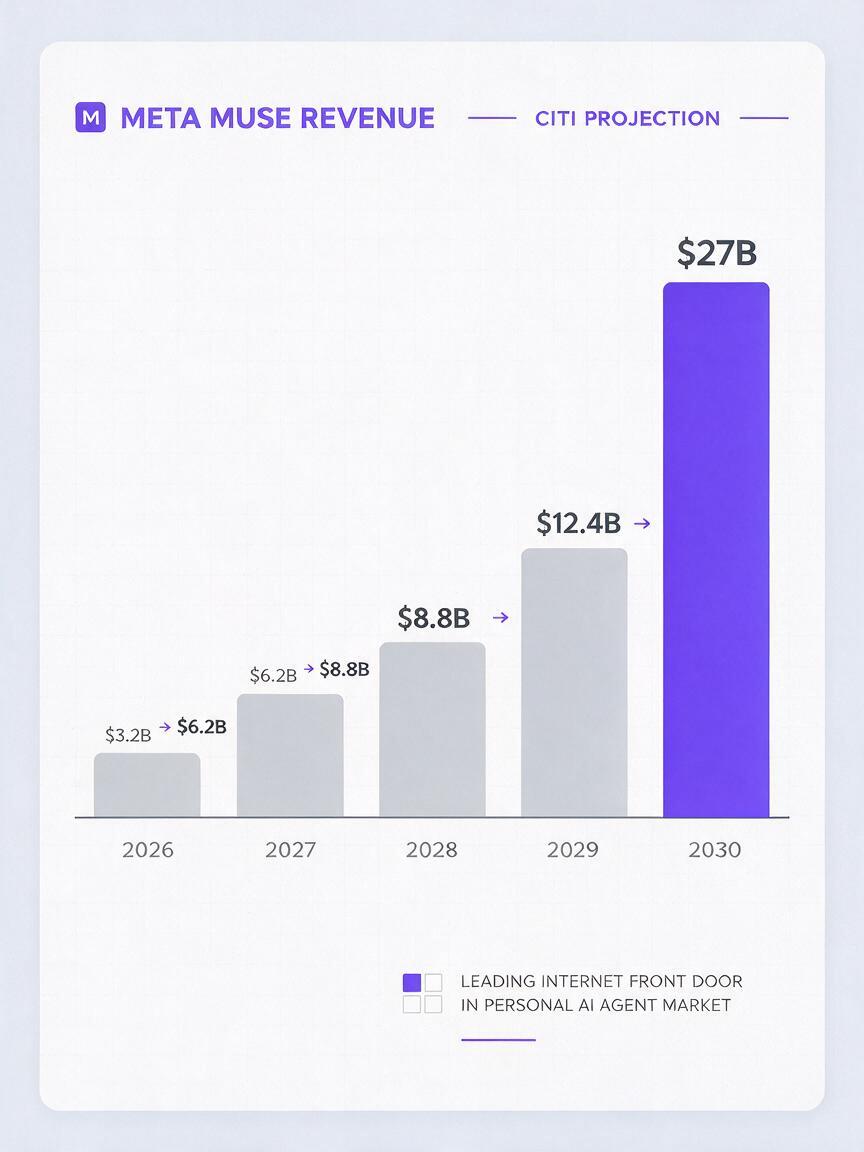
Citi projects Meta’s AI assistant Muse could surpass $27 billion in annual revenue by 2030, framing the tool as the leading personal-agent “front door” to the internet, according to reporting via Meridian Magazine. The estimate signals massive expected growth in the consumer AI agent market over the next four years, with significant implications for how content creators approach discoverability and workflow optimization.

Table of contents
What the Citi Projection Says About Meta Muse
On October 20, 2026, a new Citi analysis projected that Meta’s AI assistant Muse could generate more than $27 billion in annual revenue by 2030, positioning the tool as the leading “front door” or entry point to the internet in the fast-growing personal ai agent market. The estimate was reported via Meridian Magazine, and it represents one of the most bullish public projections for a consumer AI product to date.
Citi’s framing of Muse as an internet front door signals a broader shift in how analysts expect users to interact with online services, moving from app-based and search-based navigation to agent-driven, conversational access. If the projection holds, Muse would become one of the largest revenue-generating AI products in the world, outpacing many existing software and consumer tech categories.
Why Analysts Frame Muse as an Internet Front Door
The personal ai agent market has been heating up, with multiple major tech companies vying to build the primary tool users turn to for online tasks. Muse faces competition from other major AI assistant players, including OpenAI’s proactive assistant Dot and Claude from Anthropic, both of which have been expanding their own agent capabilities. Even so, Citi’s projection points to Muse as a standout contender, citing its rapid early adoption and expanding feature set.
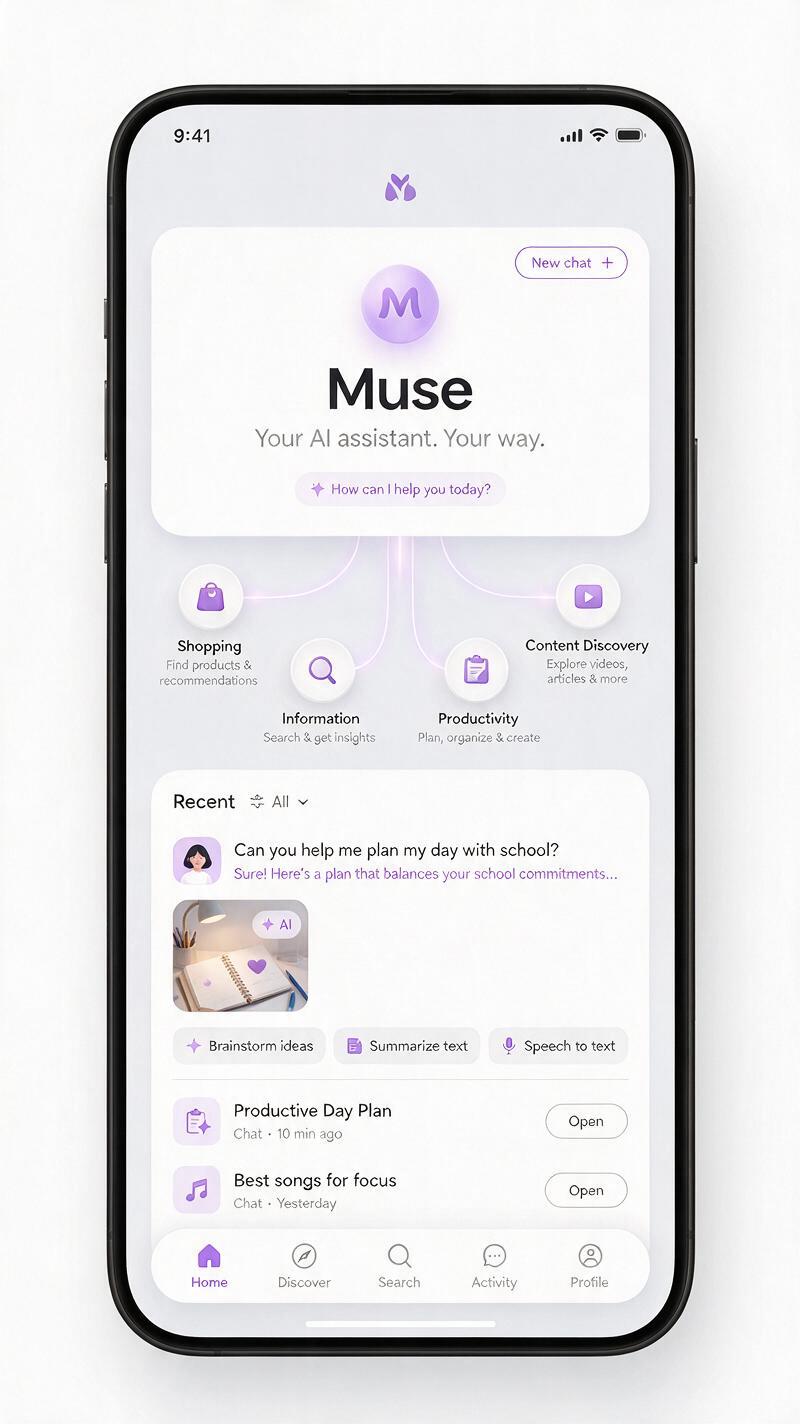
As of late September 2026, Muse had already surpassed 3.4 million downloads, and Meta has been rolling out new capabilities like shopping agent tools — a feature that has already drawn pushback from platforms like Amazon, which blocked Muse with “unauthorized agent access” popups on its retail site. Meta also open-sourced its Muse Gadgets SDK in early October 2026, allowing third-party developers to build custom tools and integrations for the assistant, which could further expand its use cases. The “front door” framing reflects a belief that Muse could replace traditional search bars and app launchers for many daily tasks, from product research to content discovery and information lookup.
What This Shift Means for Content Creators
If AI assistants like Muse become the primary entry point to the internet, content creators will need to adapt their strategies to ensure their work is discoverable and accessible through agent interfaces. This shift goes beyond traditional search engine optimization, as agents often pull from structured, high-quality content to answer user queries and make recommendations. Creators who prioritize clear, structured content across multiple formats — including text, video, and audio — will be better positioned to have their work surfaced by ai assistant tools.
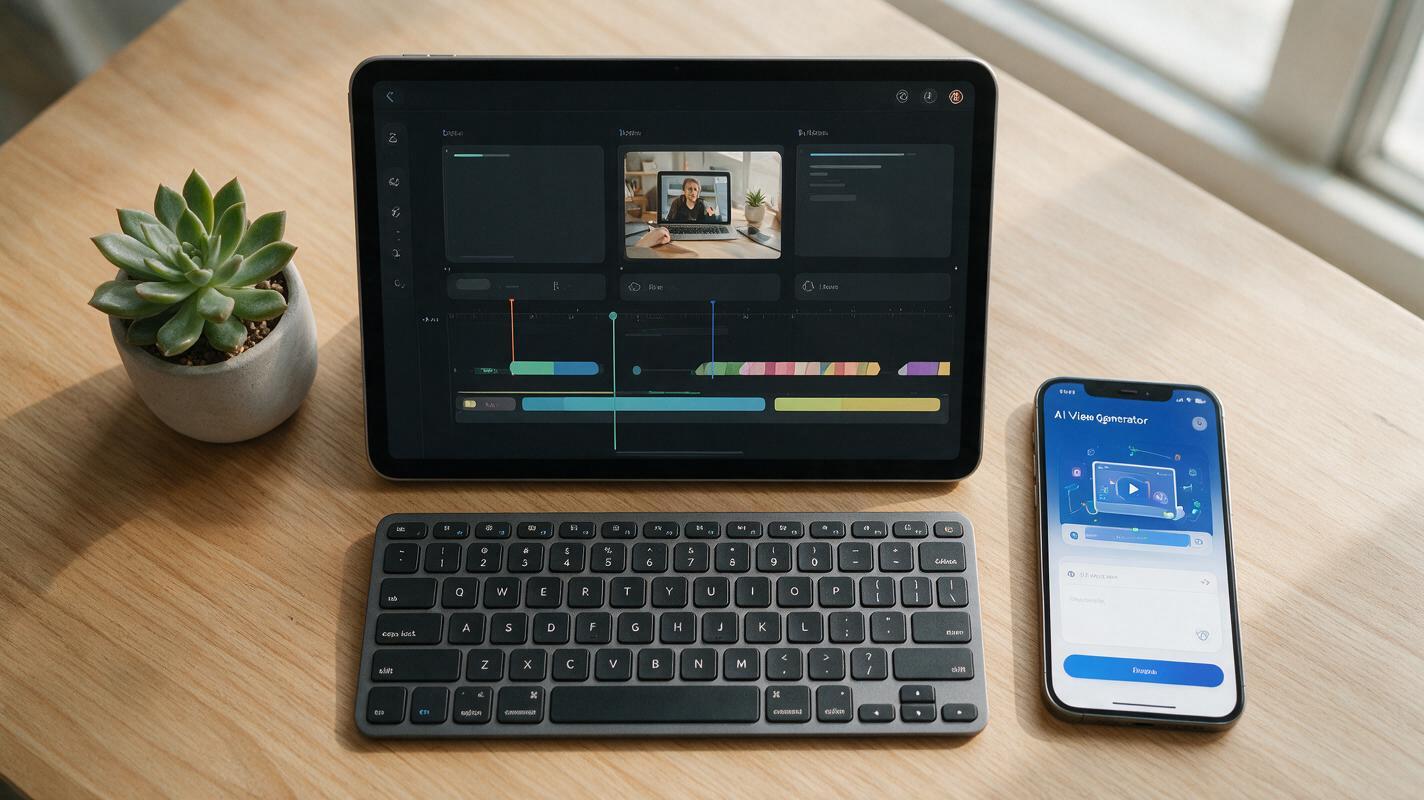
This also means that streamlining your ai workflow to produce consistent, high-quality content at scale will become even more critical, as agents prioritize reliable, up-to-date sources. For video creators, optimizing your ai video workflow for agent discoverability can help your content reach new audiences who access video through assistant interfaces. Tools like an ai video generator can help speed up production and ensure content is formatted for easy parsing by AI agents.
Building Resilient, Agent-Ready Content Pipelines
Adapting to an agent-driven internet doesn’t require overhauling your entire content strategy overnight. Instead, it starts with building flexible, automated content pipelines that can adapt to new platforms and discovery mechanisms. ai script writer tools can help creators streamline repetitive tasks like script drafting, asset generation, and format conversion, freeing up time for creative work.
Multi-model AI platforms like MagicBoat give creators access to a full suite of content tools in one place, making it easy to experiment with different formats and optimize content for both human audiences and AI discovery systems. Unlike single-model tools that can leave you locked into a specific ecosystem, multi-model platforms let you switch between tools and approaches as the AI landscape evolves — a key advantage as assistants like Muse continue to shape how users find and consume content.
Get Started With Agent-Ready Content Creation
As AI assistants like Muse continue to grow and reshape how users access online content, creators who act early to optimize their workflows will have a significant advantage. Whether you’re creating video content, blog posts, or social media assets, building a flexible, AI-powered content pipeline will help you stay ahead of the curve.
You can try these models for free on MagicBoat to see how ai automation can streamline your workflow and help you produce content that resonates with both human audiences and AI agents.
Key Takeaways
- Citi projects Meta’s AI assistant Muse could generate over $27 billion in annual revenue by 2030, positioning it as the leading “front door” to the internet in the personal AI agent market.
- Muse has already surpassed 3.4 million downloads, with expanding capabilities like shopping agent tools and an open SDK for third-party developers.
- The rise of AI assistants as primary internet entry points means creators need to adapt their content workflows for agent-driven discovery.
- Multi-model AI platforms like MagicBoat help creators build flexible, automated content pipelines that work for both human audiences and AI agents.
Keywords
meta muse, ai assistant, ai agent, ai workflow, ai automation, ai video workflow, personal ai agent