Citi Estimates Meta Muse Could Generate Over $27B Revenue by 2030
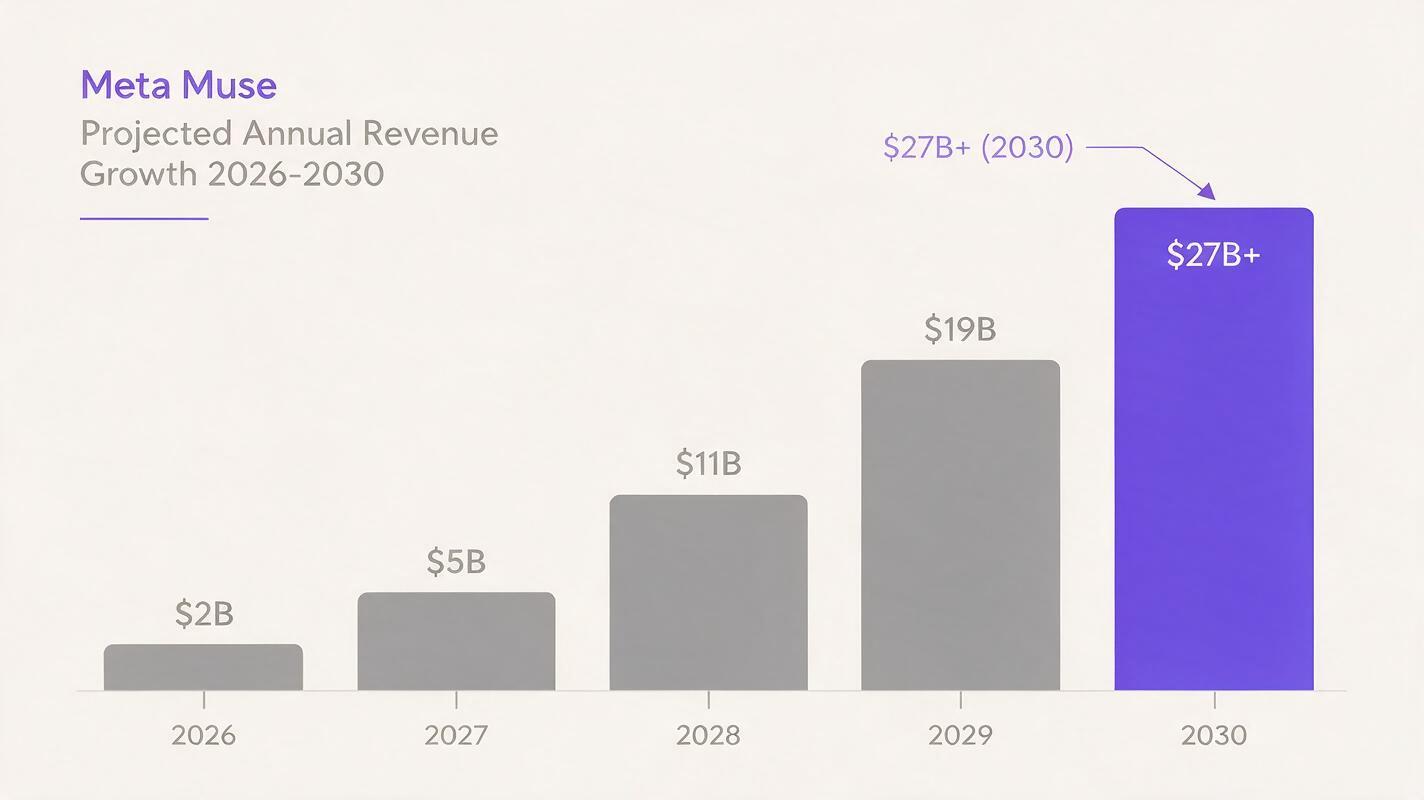
Citi estimates Meta’s AI assistant Muse could generate over $27 billion in revenue by 2030, positioning it as the leading “front door” to the internet in the personal AI agent market. The projection signals massive expected growth for consumer-facing AI agents and their potential to reshape online user behavior. The analysis carries key implications for content creators navigating AI-driven shifts in digital distribution and workflow tools.

Table of contents
Citi’s Meta Muse Revenue Projection: The Details
On October 20, 2026, Citi analysts released a new market estimate projecting Meta’s AI assistant Muse could generate more than $27 billion in annual revenue by 2030. The analysis frames Muse as the leading candidate to become the primary “front door” or entry point to the internet in the fast-growing personal AI agent market, a projection first reported via Meridian Magazine.
The $27 billion figure underscores the massive monetization potential Citi sees for consumer-facing AI agents, which are evolving from basic chatbot tools into proactive, multi-functional assistants that handle everything from product research and shopping to scheduling, information retrieval, and personalized content recommendations.
Meta’s Muse has already demonstrated strong early traction, with publicly reported downloads surpassing 3.4 million as of late September 2026. The company has moved quickly to expand the platform’s capabilities, including open-sourcing its Muse Gadgets SDK in early October to let third-party developers build custom tools and integrations for the assistant. The Citi estimate arrives amid broader market optimism around Muse, including a mid-October U.S. stock rebound tied in part to the launch of Muse Spark Open.
Why Muse Is Framed as an Internet "Front Door"
The “front door” framing used by Citi refers to a projected future where users begin most of their online activities through a personal AI agent rather than a traditional search engine, social media feed, or individual mobile app. Instead of navigating to a retailer’s website to compare products, a news outlet to catch up on headlines, or a bank’s app to check account balances, users would simply ask their AI assistant to complete those tasks on their behalf.
This shift would fundamentally restructure how users interact with the internet, concentrating significant power in the hands of the companies that operate the most popular AI agents. Citi’s positioning of Muse as the leading front-door candidate reflects Meta’s massive existing user base across Facebook, Instagram, and WhatsApp, which gives the company a unique advantage in onboarding users to its AI assistant ecosystem.
The projection comes as competition in the consumer AI agent space intensifies, with major players including OpenAI, Google, and Anthropic all investing heavily in their own assistant offerings. Even as platforms like Amazon have pushed back against unauthorized Muse access to their seller ecosystems, the broader trend of agent-mediated internet access continues to gain traction with both consumers and investors.

What This Means for AI Content Creators
For content creators, the rise of AI agents as a potential internet front door represents both a significant shift in how audiences discover content and a powerful opportunity to streamline their own production workflows.
On the distribution side, if users increasingly access news, entertainment, and educational content through AI agents rather than social feeds or search results, creators will need to adapt their content strategies to be discoverable and shareable through agent interfaces. This could mean optimizing for agent-friendly formats, building interactive content experiences that work with assistant platforms, or diversifying distribution channels to avoid overreliance on any single tech ecosystem.
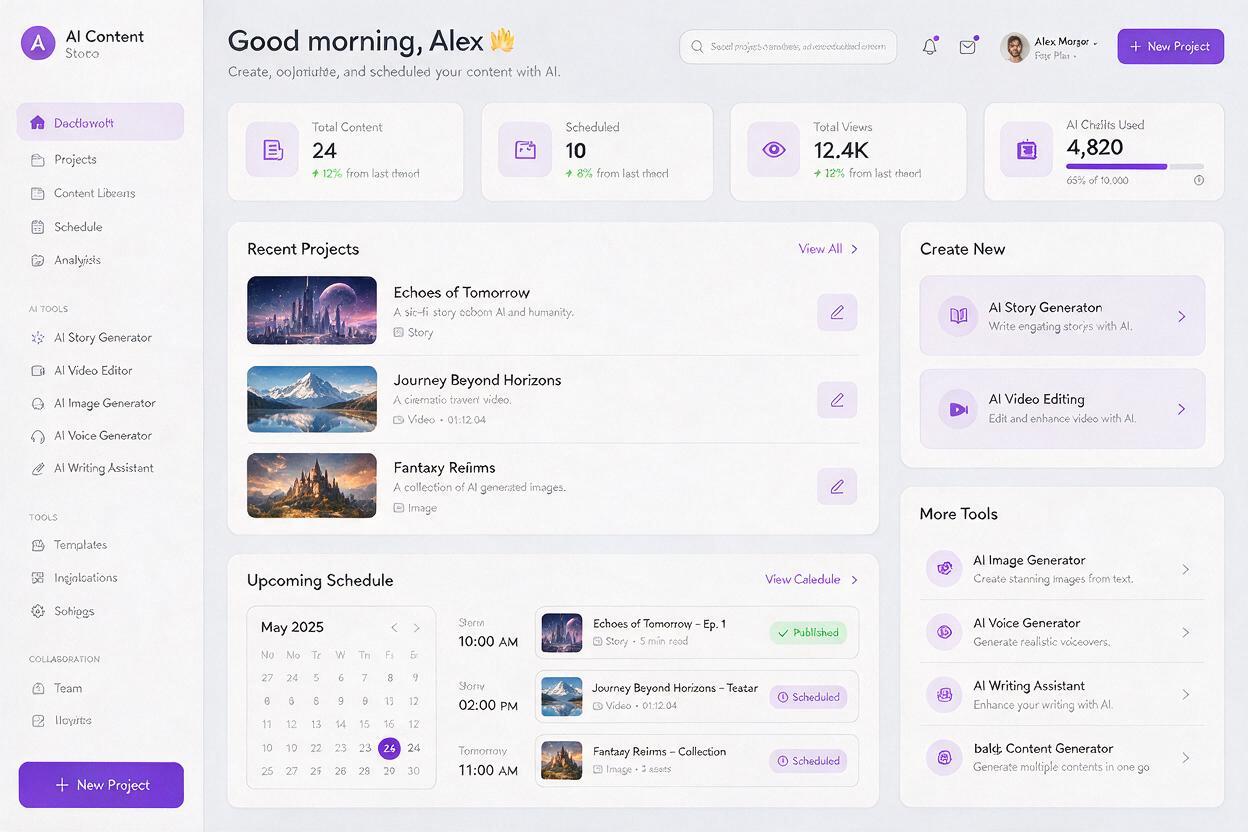
On the production side, the same AI agent technology driving Muse’s growth is already transforming how creators make content. Many creators now use an ai story generator to draft scripts, brainstorm content ideas, and outline editorial calendars, while an ai video generator lets them turn those ideas into polished, publishable videos in a fraction of the time required by traditional production pipelines.
A multi-model AI platform like MagicBoat gives creators access to a wide range of AI tools and models in one centralized place, making it easy to adapt to shifting industry trends without having to learn new platforms or manage multiple separate subscriptions. Whether you’re testing new content formats for agent-driven distribution or scaling up your weekly production output, you can try these models for free to find the tools that work best for your unique workflow.
Key Takeaways
- Citi projects Meta’s AI assistant Muse could generate over $27 billion in annual revenue by 2030, positioning it as the leading “front door” entry point to the internet in the personal AI agent market.
- The estimate reflects broader industry and investor optimism about consumer AI agents, which are expected to reshape how users interact with online services ranging from shopping to content consumption.
- Content creators should prepare for coming shifts in content discovery and distribution driven by AI agents, while leveraging AI-powered workflow tools to increase production efficiency.
- Multi-model AI platforms offer flexibility and resilience as the AI agent landscape continues to evolve rapidly, with no single provider yet locked in as the dominant market leader.
Keywords
meta muse, ai assistant, ai agent, ai workflow, ai automation, personal ai agent, ai video workflow