Meta Muse Could Generate $27B Revenue by 2030, Citi Estimates
Citi analysts project Meta’s AI assistant Muse could generate more than $27 billion in annual revenue by 2030, positioning it as the leading “front door” to the internet in the personal-agent market. The estimate underscores the rapid growth expected for consumer AI agents and the competitive shift toward AI-driven entry points for online activity. For content creators, the rise of personal AI agents changes how audiences discover and interact with content, making flexible multi-model AI production tools more critical than ever.

Table of contents
Citi’s new analysis projects Meta’s Muse AI assistant could become one of the most valuable consumer AI products ever, with $27 billion in annual revenue possible by 2030 as it redefines how people access the internet.
The $27B Muse Revenue Projection: What Citi’s Analysis Says
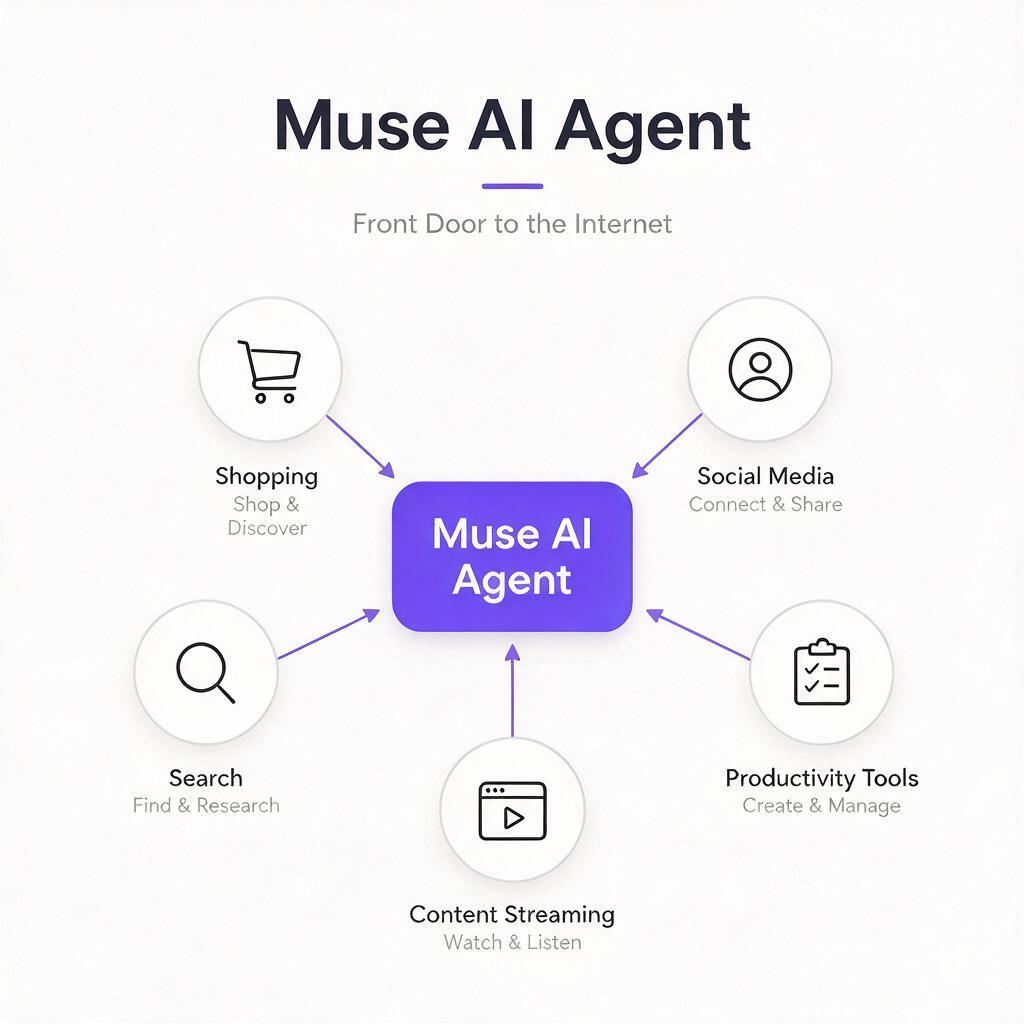
On October 20, 2026, a new Citi analysis distributed via Meridian Magazine estimated that Meta’s AI assistant Muse could generate more than $27 billion in annual revenue by 2030. The projection frames Muse as the leading “front door” or primary entry point to the internet within the fast-growing personal-agent market, a designation that would reshape long-held assumptions about which platforms control online traffic and user behavior.
The forecast comes amid rapid momentum for Muse, which had already surpassed 3.4 million downloads by late September 2026, according to earlier reports. Meta has been expanding Muse’s capabilities across its ecosystem, including recent launches of AI-powered natural language tools for customizing Facebook feeds, and pushing into use cases like shopping and information retrieval. The rollout has not been without friction, however: Amazon blocked Muse’s shopping agent access to its platform in late September with “unauthorized agent access” warnings, highlighting the high-stakes battle over who controls user relationships in the agent-driven web.
Why Personal AI Agents Are Reshaping the Internet’s Landscape
Citi’s projection is the latest signal that personal AI agents are moving from niche novelty to mainstream infrastructure, with major tech firms pouring capital into agent development. According to a September 2026 Goldman Sachs analysis, five major cloud giants are on track to grow their AI capital expenditure by more than 50% to $1.2 trillion next year, with a significant share of that spending focused on agent technology and the underlying inference infrastructure needed to support consumer-facing AI tools.
AI funding across the broader sector is also surging. For example, DeepSeek reported annualized revenue of roughly $1 billion in late September 2026 and was raising approximately $7.5 billion at a $74 billion valuation, reflecting investor confidence that AI infrastructure and agent tools will drive the next wave of internet growth. The competition to become the default “front door” is fierce, because the platform that users turn to first for questions, recommendations, and tasks will capture the majority of associated advertising, commerce, and subscription revenue — a dynamic that previously played out with search engines and social media platforms.
What This Means for Content Creators
For content creators and content teams, the rise of AI agents as primary internet entry points changes two core parts of the creative workflow: how audiences discover content, and how efficiently creators can produce the volume of adaptable content needed to reach users across agent interfaces, social feeds, and traditional platforms.
First, content discovery will increasingly be mediated by AI agents rather than manual search or social algorithm feeds. This means creators will need to focus on structured, clear, and high-quality content that agents can easily surface and reference, rather than optimizing solely for platform-specific algorithm signals. Second, the demand for content across multiple formats — from short-form video to visual assets to written explainers — will continue to accelerate, putting pressure on creator teams to produce more without proportional increases in budget or headcount.
Many creators are already turning to AI tools to scale output while managing ai video cost and production timelines. Tools like ai image generator and text to video platforms let creators produce professional-quality assets in a fraction of the time required for traditional production, making it easier to keep pace with shifting distribution channels.

How Multi-Model AI Platforms Support Creator Workflows in the Agent Era
As the AI industry evolves and new platforms and agents emerge, creators benefit from using a centralized, multi-model AI content creation platform rather than relying on a single vendor’s tools. A multi-model approach gives creators access to a range of generation capabilities under one account, eliminating the need to manage multiple subscriptions, learn separate interfaces, or risk workflow disruptions if a single vendor changes its pricing, features, or access policies.
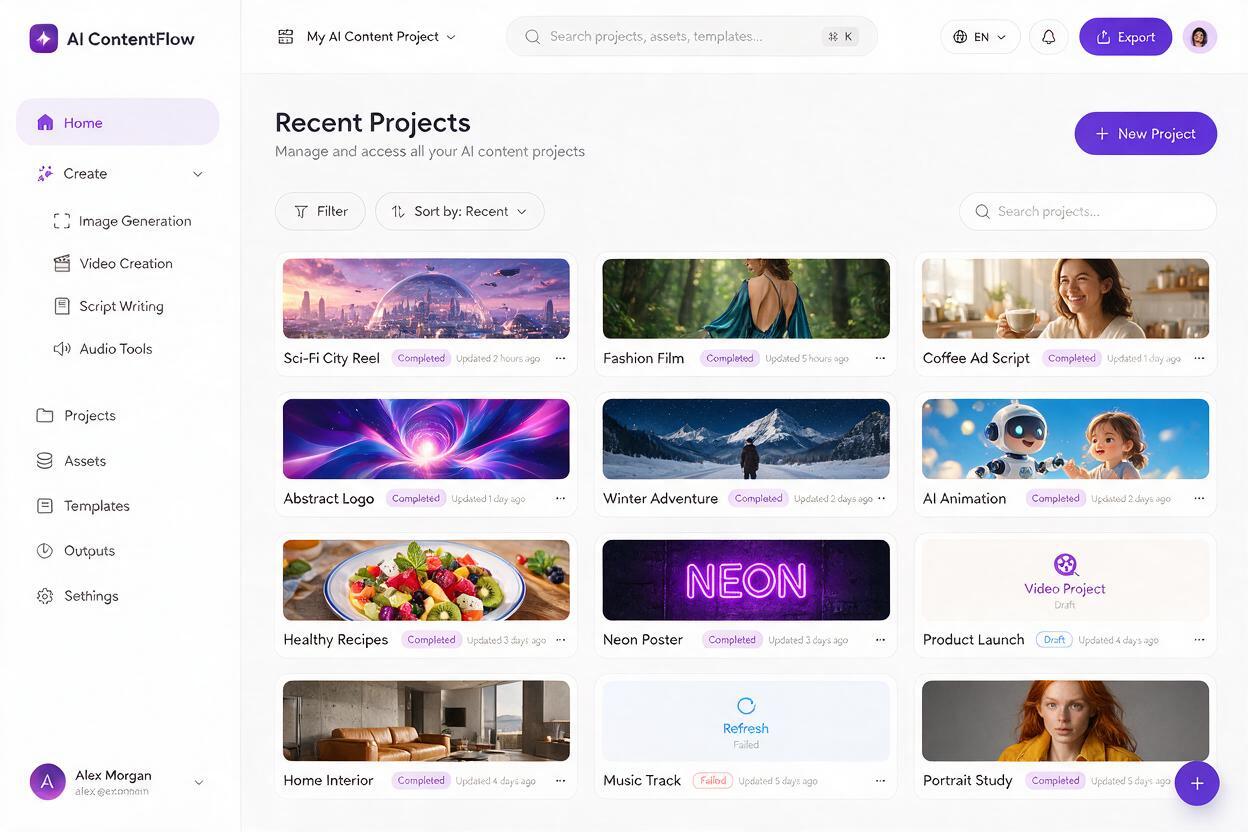
MagicBoat integrates best-in-class AI tools for image, video, script, and audio creation into a single unified platform, so teams can adapt quickly to new content formats and distribution channels. Whether you need to produce agent-friendly visual explainers, short-form social video, or written content outlines, the platform gives you the flexibility to choose the right tool for each task without switching between services.
Creators can test the full range of capabilities and build a scalable workflow that works for both current distribution channels and future agent-driven platforms when you try these models for free.
Key Takeaways
- Citi projects Meta’s Muse AI assistant could generate over $27 billion in annual revenue by 2030, positioning it as the leading “front door” to the internet in the personal-agent market.
- The forecast reflects broader AI industry growth, with AI capital expenditure from top cloud firms set to rise 50%+ to $1.2 trillion next year and AI funding surging across the sector.
- DeepSeek’s $1 billion annualized revenue and $74 billion valuation are indicative of the massive investor interest driving AI infrastructure and agent development.
- For creators, the shift to AI agents as primary internet entry points will change content discovery patterns and increase demand for multi-format content at scale.
- Centralized multi-model AI platforms help creators manage costs, adapt to new distribution channels, and avoid workflow disruptions from vendor changes.
Keywords
meta muse, ai industry, ai funding, ai capital expenditure, ai video cost, ai image generator, personal ai agents, deepseek