Citi: Meta Muse AI Assistant Could Generate $27B+ Revenue by 2030
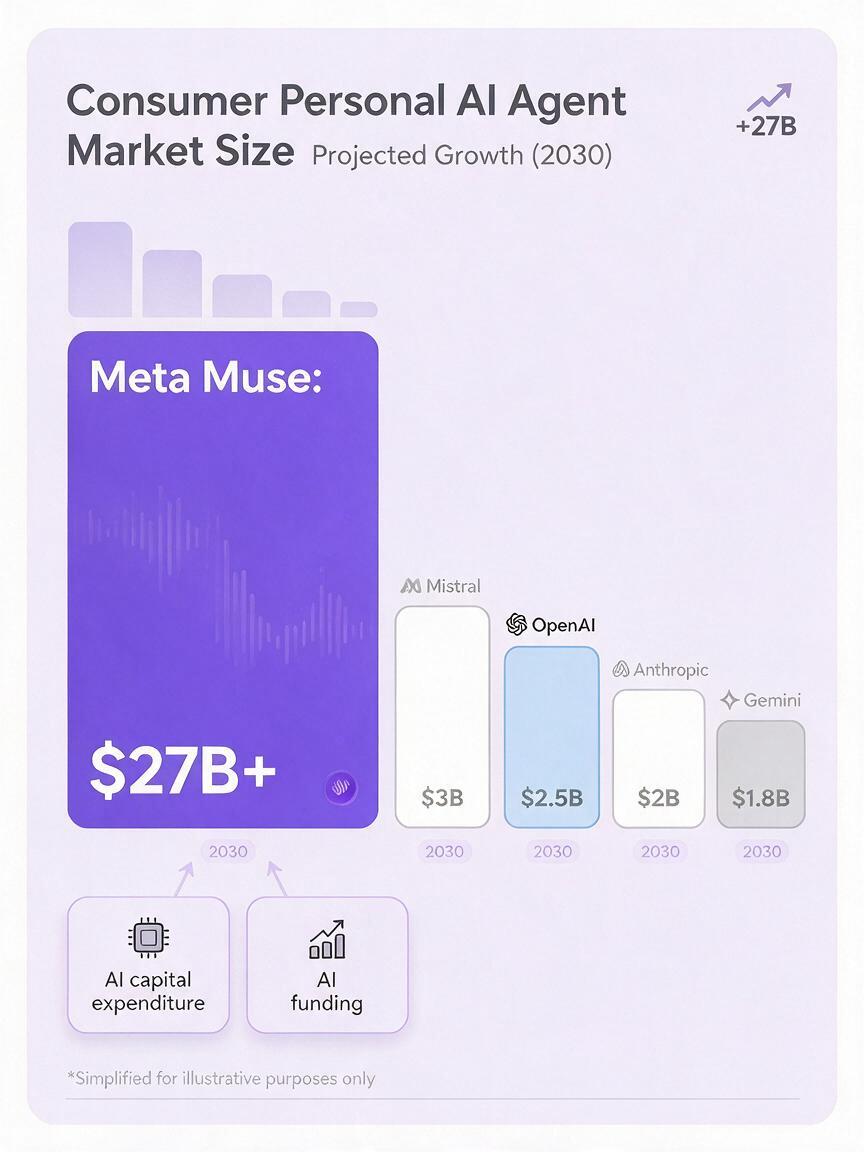
Citi estimates Meta’s AI assistant Muse could generate over $27 billion in annual revenue by 2030, positioning the tool as the leading entry point to the internet in the fast-growing personal-agent market, according to reporting via Meridian Magazine. The bullish forecast underscores the massive commercial potential of consumer AI agents and the record ai capital expenditure and ai funding driving the sector’s growth. For content creators, the rise of AI agents shifts content discovery dynamics and makes flexible multi-model AI platforms increasingly critical for workflow efficiency and stability.

Table of contents
The Citi Meta Muse Revenue Forecast: Key Details
A new Citi analysis projects Meta’s AI assistant Muse could generate more than $27 billion in annual revenue by 2030, positioning the tool as the leading “front door” or primary entry point to the internet in the fast-growing personal-agent market, according to reporting via Meridian Magazine dated October 20, 2026. The forecast is one of the most bullish public estimates for a consumer AI agent to date, and it signals growing confidence among Wall Street analysts that AI assistants will reshape how users interact with online services.
Citi’s thesis rests on the idea that personal AI agents will gradually replace traditional search bars, social media feeds, and app launcher screens as the first place users turn to find information, make purchases, book services, and manage daily tasks. If Muse captures the top spot in this emerging category, it could reroute a significant share of global internet traffic — and the associated advertising, commerce, and subscription revenue — through Meta’s ecosystem.
The forecast builds on early momentum for Muse, which had already surpassed 3.4 million downloads by late September 2026, according to industry reports. Meta has been rolling out new Muse features rapidly, including shopping assistance, content recommendations, and productivity tools, as it competes with rival agents from OpenAI, Google, Amazon, and other tech giants.
Why the Forecast Signals a Shift in the AI Industry
The $27 billion revenue projection underscores the massive commercial potential driving the current wave of ai capital expenditure across the tech sector. In late September 2026, Goldman Sachs estimated that the five largest cloud and tech giants would grow their AI capex by 50% or more to $1.2 trillion in the coming year, as firms race to build the data centers, chip infrastructure, and model training capacity needed to power mass-market AI agents.
The personal agent segment has also become a focal point for ai funding, with both established players and fast-growing startups pouring capital into agent technology that can handle complex, multi-step user tasks. Meta’s investment in Muse is part of a broader industry land grab, as companies compete to establish their tool as the default agent for consumers — a position that could come with unprecedented control over online user behavior.
The high stakes of this competition are already visible in recent industry moves. In late September 2026, Amazon began blocking Meta’s Muse shopping agent with “unauthorized agent access” popups on its retail site, a move widely seen as an attempt to protect its own commerce ecosystem from third-party agent intermediation. Meta has also adjusted its AI data practices in recent weeks, removing AI-training web-scraping language from its commercial terms effective October 30, 2026, following pushback from publishers and legal experts.
What This Means for Content Creators
For content creators and content teams, the rise of AI agents as a primary “front door” to the internet represents a fundamental shift in how content is discovered and consumed. For years, creators have optimized their work for search engine algorithms and social media feed ranking systems; as agents become more popular, they will need to adapt their content strategies to be easily surfaced and referenced by AI models that pull from across the web.
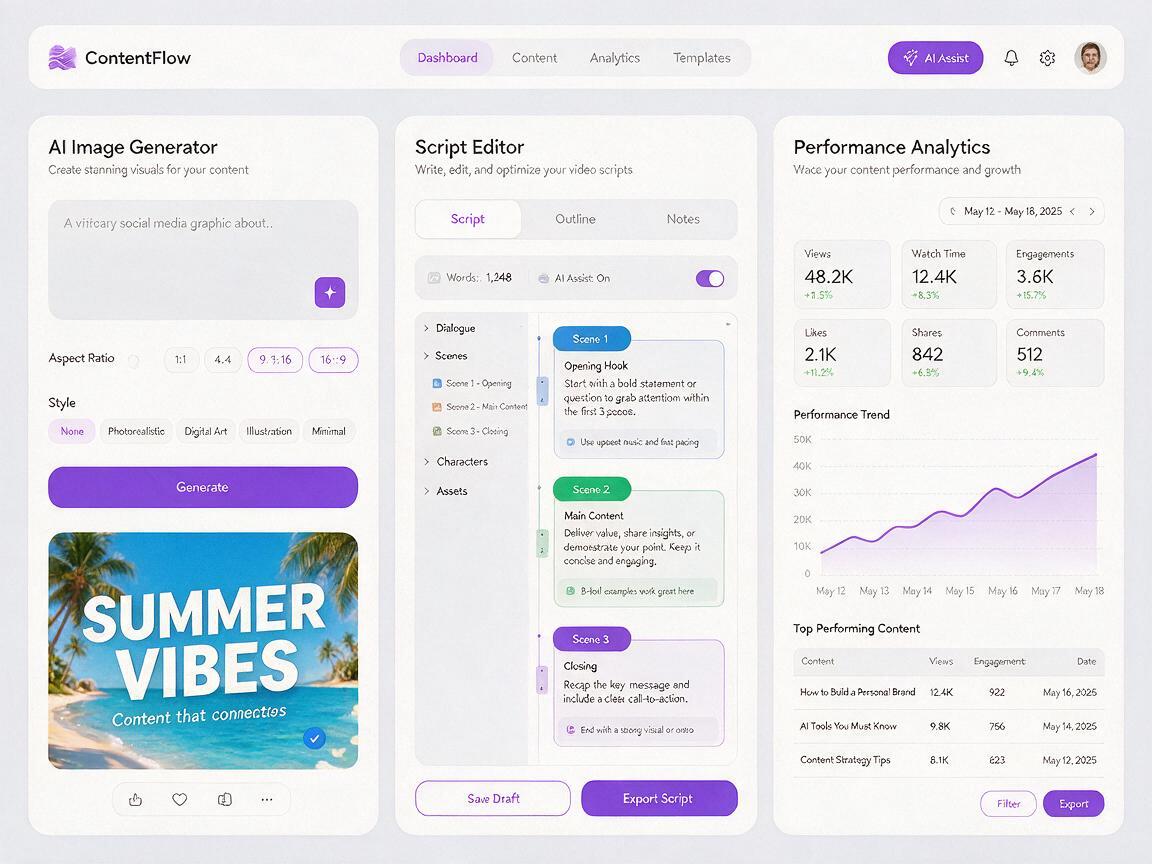
At the same time, AI agent technology offers significant workflow benefits for creators. The same natural language understanding and task automation capabilities that power Muse can be used to streamline every stage of content production, from initial research and script drafting to visual asset creation and post-production scheduling. For small teams and independent creators, this can level the playing field by reducing the time and cost required to produce high-quality content.
Cost stability is another key consideration as the ai industry evolves. As ai video cost and ai image generator pricing continue to fluctuate with demand, infrastructure costs, and vendor strategy, creators who rely on a single tool or platform risk sudden price hikes or feature changes that disrupt their production pipeline. This makes flexible access to multiple models increasingly important for maintaining consistent output and budget predictability.
How Multi-Model Platforms Future-Proof Creator Workflows
A unified multi-model AI platform like MagicBoat addresses many of these challenges by giving creators access to a broad range of AI creation tools under a single account. From ai video generator capabilities and text-to-image tools to voice cloning, script planning, and AI storyboarding, the platform brings together leading models from across the industry so creators can choose the right tool for each specific task.
This multi-model approach also provides stability amid rapid industry change. If one model raises its prices, changes its features, or alters its data practices, creators can seamlessly switch to an alternative model without having to set up new accounts, learn new tools, or migrate their existing work. This flexibility is especially valuable as AI agents and generative AI tools continue to evolve at a fast pace, with new updates and launches happening on a near-weekly basis.
For creators preparing for a future where AI agents play a larger role in content discovery, a multi-model platform also makes it easier to experiment with different AI tools and workflows. Creators can test how different models interpret and generate content, optimize their work for multiple agent systems, and stay ahead of industry shifts without incurring the cost and complexity of managing dozens of individual subscriptions and API keys.
Key Takeaways
- Citi projects Meta’s Muse AI assistant could generate more than $27 billion in annual revenue by 2030, framing it as the leading personal agent “front door” to the internet.
- The bullish forecast reflects the massive commercial potential of consumer AI agents, driven by record ai capital expenditure and ai funding across the global tech sector.
- Content creators should prepare for shifts in content discovery as AI agents grow in popularity, and prioritize flexible tools that can adapt to changing industry dynamics.
- A multi-model AI platform gives creators access to top ai image generator and ai video generator tools, streamlines workflows, and reduces reliance on any single vendor.
- Unified access to multiple models helps creators maintain budget predictability and stay ahead of rapid changes in the ai industry.
Get Started
Ready to explore a full suite of AI creation tools built to support creators through every stage of the evolving AI landscape? try these models for free on MagicBoat today.
Keywords
meta muse, ai industry, ai capital expenditure, ai funding, personal ai agents, ai content creation, ai image generator