Meta Muse Ember Prices Agent Execution at $0.10/$0.50 Per M Tokens
Meta revealed pricing for agent execution on its Muse Ember model on November 10, 2026, setting rates at $0.10 per million input tokens and $0.50 per million output tokens. The announcement expands Meta's growing Muse AI lineup and positions the company aggressively in the fast-growing agentic AI market. For content creators, the low pricing makes automated AI workflows more accessible, while multi-model platforms like MagicBoat help integrate new tools reliably.

Table of contents
Meta’s Muse Ember now offers agent execution at $0.10 per million input tokens and $0.50 per million output tokens, marking one of the most aggressively priced agentic AI offerings from a major frontier lab to date.
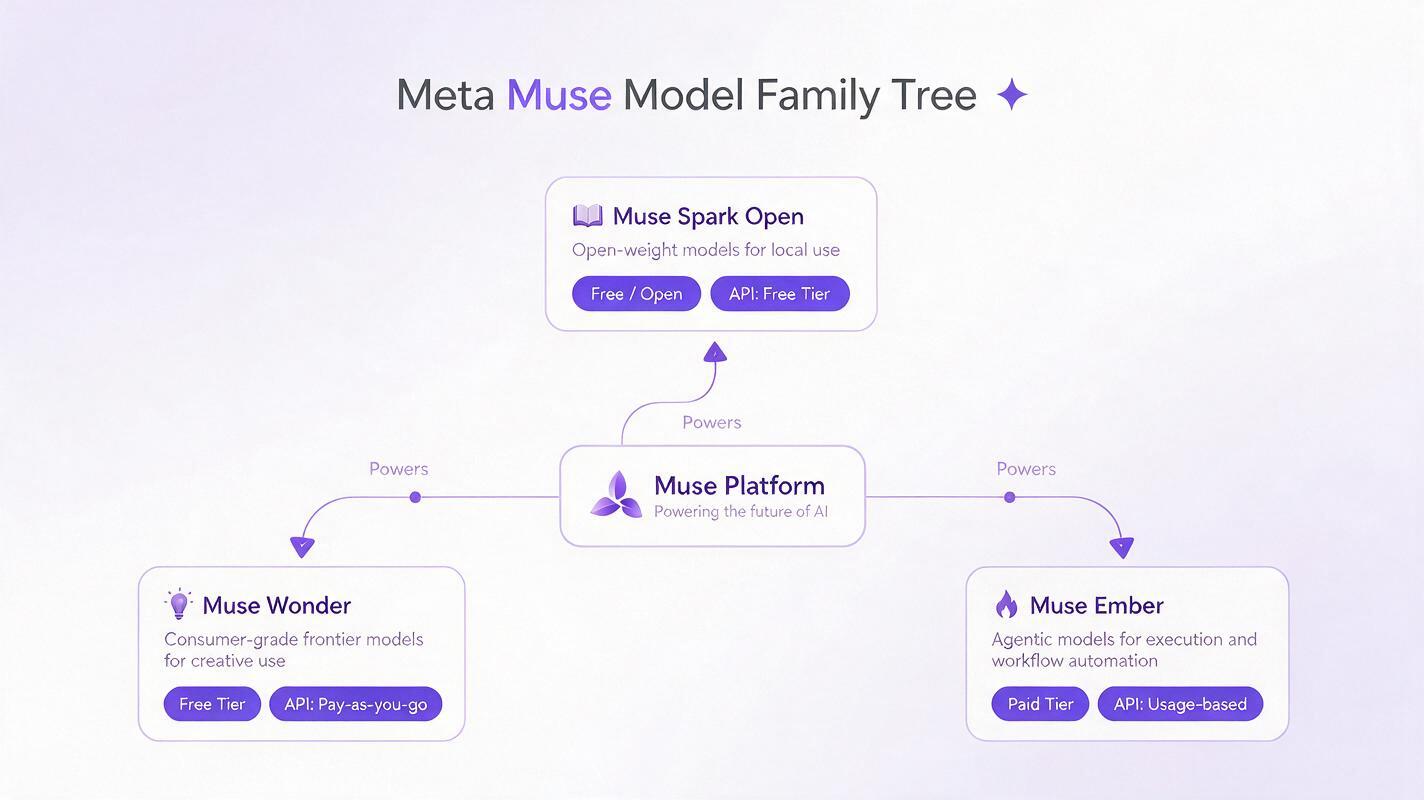
The November 10, 2026 announcement places Meta’s Muse Ember in the fast-growing agentic AI market, where models are designed to autonomously execute multi-step tasks rather than just respond to single prompts. The pricing structure splits input and output tokens, with output tokens priced at five times the rate of input tokens — a common structure across frontier AI APIs.
Meta’s Muse family has expanded rapidly in late 2026, with launches ranging from the open-weight Muse Spark Open 81.6B parameter MoE model (released in mid-October alongside an Apple Mac partnership) to the consumer-facing Muse Wonder frontier model, which launched at twice the pricing of competing offerings before rolling out specialized derivatives in early November. Muse Ember’s agent-focused positioning fills a new niche in the company’s portfolio, targeting developers and businesses building automated AI workflows.
What Muse Ember’s Agent Pricing Says About Meta’s AI Strategy
Meta’s decision to price agent execution so aggressively signals a push to capture share in the agentic AI space, where competitors like Anthropic and OpenAI have already launched dedicated agent products. Anthropic’s Claude Duet proactive agent and Claude Managed Agents (which support up to 1000 sub-agents) launched in late October, while OpenAI rolled out its Decisions API around the same time.
Unlike general-purpose frontier model pricing, which often runs several dollars per million tokens for top-tier offerings, Muse Ember’s sub-$1 per million token rate for agent execution suggests the model may be optimized specifically for agentic workflows rather than general reasoning or high-end creative generation. The pricing also aligns with Meta’s broader approach of offering cost-competitive AI tools, from open-weight models that developers can run locally to consumer-facing subscription products.
The announcement comes amid a broader shift in the AI market toward agentic systems, which can handle complex, multi-step tasks like research, content planning, and workflow automation without constant human input. As more creators and businesses adopt these systems, pricing has become a key differentiator — especially for use cases that require large volumes of token usage across long, multi-step agent runs.
What This Means for Content Creators
For AI content creators, lower agent execution pricing opens up new possibilities for automating parts of their workflow that were previously too costly to run at scale. Agentic systems can help with everything from brainstorming content ideas and drafting scripts to coordinating multi-stage production pipelines, but high token costs have made long agent runs prohibitively expensive for many independent creators and small teams.
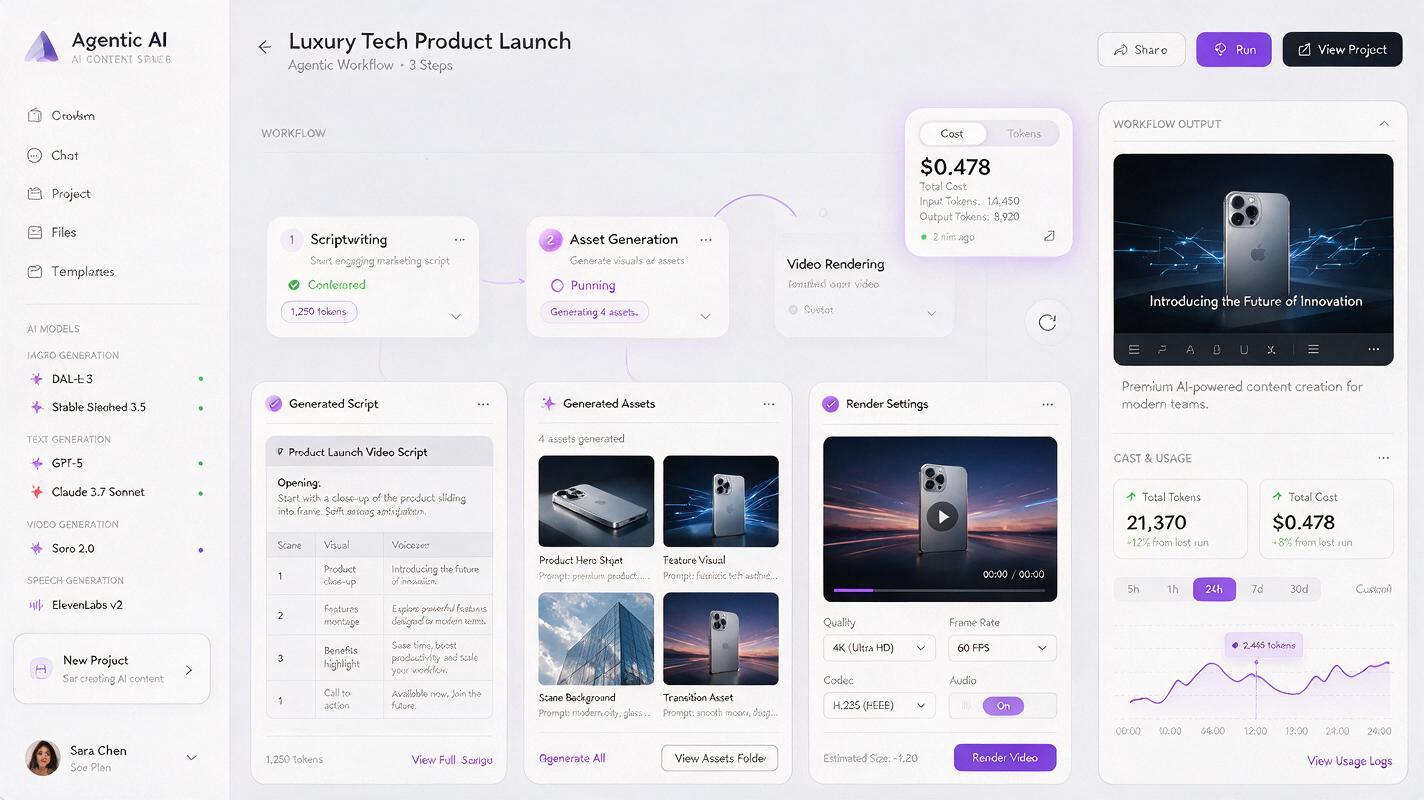
With Muse Ember’s pricing, creators can test and deploy agentic workflows for tasks like script research, content scheduling, and even coordinating assets for an ai video generator without burning through their AI budget in a single session. For creators building narrative content, an ai story generator paired with agentic automation can help outline entire series, generate character backstories, and even draft scene descriptions in bulk, cutting down on pre-production time significantly.
Of course, model availability and reliability remain critical factors for creators building production workflows. Relying on a single model or provider can leave creators vulnerable to price changes, service outages, or feature deprecation — something the AI industry has seen repeatedly as models are retired, updated, or repositioned. That’s why using a multi-model platform like MagicBoat gives creators more flexibility: you can switch between models for different tasks, test new tools as they launch, and build resilient workflows that don’t depend on a single provider. You can try these models for free to see which combination works best for your creative process.
Key Takeaways
- Meta announced Muse Ember agent execution pricing on November 10, 2026, at $0.10 per million input tokens and $0.50 per million output tokens.
- The pricing positions Muse Ember as one of the most cost-effective agentic AI offerings from a major frontier lab, targeting users building automated multi-step workflows.
- For content creators, lower agent pricing makes it more affordable to automate tasks like content planning, script drafting, and production coordination.
- Multi-model platforms like MagicBoat help creators take advantage of new model launches while building resilient, flexible creative workflows.
Keywords
meta muse ember, agent execution pricing, ai news, ai tools, ai agents, frontier ai, ai roundup