Meta Launches Muse Ember: Low-Cost Multimodal Agent Model
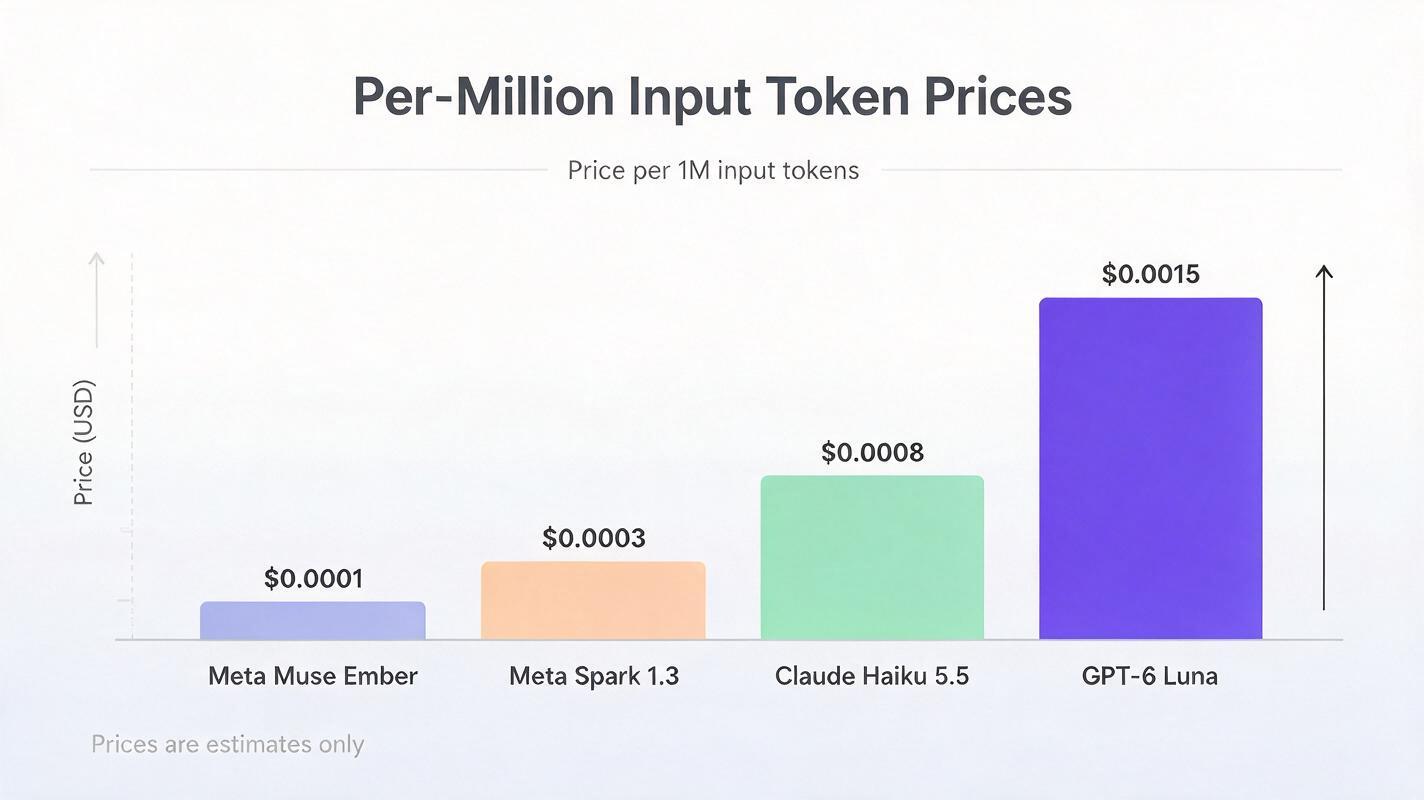
Meta Superintelligence Labs has launched Muse Ember, a low-cost multimodal AI model priced at $0.10 per million input tokens — roughly one-twelfth the input cost of its own Spark 1.3. Targeted at high-volume agent execution tasks like tool calls, extraction, and long-document parsing, the model claims performance roughly on par with Claude Haiku 5.5 at a third of the per-task cost, though no independent benchmarks exist yet. For AI video and image creators, the low price point and native multimodal support open up new options for bulk creative workflow automation.

Table of contents
Breaking Down Meta’s Muse Ember Launch
Meta Superintelligence Labs has unveiled Muse Ember, a new low-cost AI model built for high-volume agent execution, marking the lab’s latest push into cost-efficient multimodal AI. The launch expands Meta’s Muse model family with a tier targeted at repetitive, scalable tasks that don’t require top-tier frontier performance, positioning it as a budget-friendly alternative to both Meta’s own higher-end models and competing offerings from Anthropic and OpenAI.
Priced at $0.10 per million input tokens and $0.50 per million output tokens, Muse Ember costs roughly one-twelfth the input price of Meta’s own Spark 1.3 model. The pricing structure is designed to make large-scale agent deployments accessible for smaller teams and high-volume use cases, where token costs can quickly add up with more expensive models.
Key Details of the Muse Ember Model
Muse Ember is built specifically for agentic workloads, with a focus on four core use case categories:
- Tool calls and coding subtasks for automated workflow pipelines
- Routing and classification for incoming requests or assets
- Data extraction from unstructured documents and media
- Long-document parsing for research, review, or summarization
The model includes native multimodal support for screenshots, charts, audio, and video, meaning it can process mixed media inputs without requiring separate specialized models for each format. This multimodal capability makes it flexible for a wide range of cross-format tasks.
Meta’s own internal comparisons place Muse Ember at an Artificial Analysis index score of 36, which the company says is roughly level with Claude Haiku 5.5 at about one-third the per-task cost. The company also claims Ember outperforms GPT-6 Luna across reasoning tiers, though all comparison charts are Meta’s own and no independent third-party benchmarks for Muse Ember exist as of the launch.
Alongside the model launch, Meta is building out an enterprise sales organization targeted at small and medium-sized businesses and channel partners, signaling a push to capture more business customers for its agent-focused model lineup.
What This Means for AI Video and Image Creators
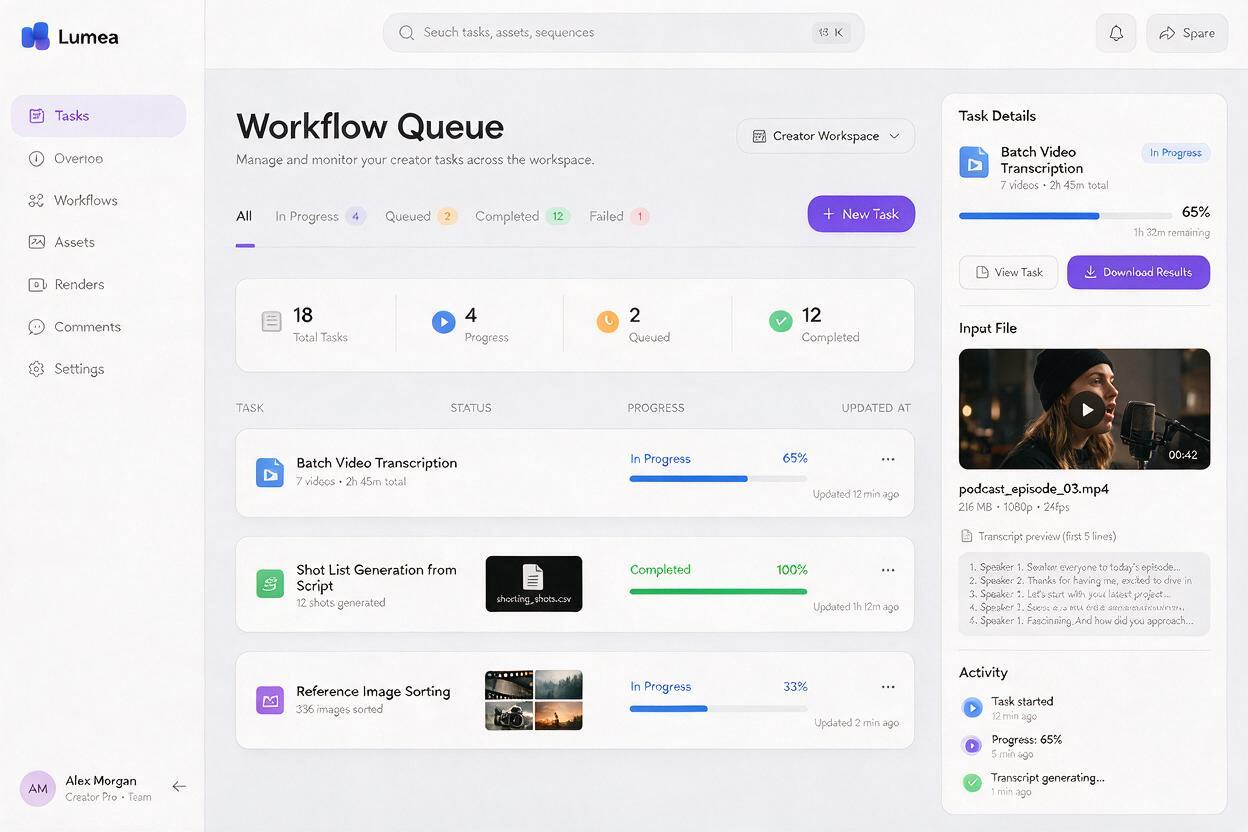
For creators building text to video assets, Muse Ember’s low per-token cost makes it feasible to automate high-volume supporting tasks that would otherwise eat into production time. For example, you could run bulk audio transcription of raw footage, parse long-form scripts into structured shot lists, or generate batch metadata for video libraries at a fraction of the cost of higher-tier models.
For visual artists using an ai image generator, the model’s native multimodal support can help sort reference image libraries by style, subject, or color palette, extract text from design mood boards, or route repetitive editing subtasks to the right tool in your workflow. Because the model is optimized for high volume, you can process hundreds of assets at once without incurring prohibitive costs.
It’s important to note that Muse Ember is not positioned as a top-tier creative generation model. Its strength lies in supporting tasks that keep your workflow moving, rather than producing final image or video outputs. For creators who spend a significant portion of their time on administrative or organizational work, it could reduce overhead and free up more time for actual creative work.
All performance claims for Muse Ember are based on Meta’s internal testing, with no independent benchmarks available yet. Creators should test the model against their specific use cases to verify real-world performance.
Why Multi-Model Platforms Add Value Right Now
The launch of Muse Ember is just the latest in a steady stream of new AI model releases, each with its own pricing, strengths, and limitations. For creators, keeping up with every new launch, setting up separate accounts, and testing each model individually can be time-consuming and expensive.
A multi-model platform eliminates that friction by giving you access to a wide range of AI tools — from image and video generation models to text and agent models — all from a single account. This means you can test new models like Muse Ember alongside established options as soon as they become available, without having to manage multiple billing accounts or learn new interfaces.
This flexibility is especially valuable as the AI landscape continues to shift rapidly. Having access to multiple models lets you pick the best tool for each specific task, whether that’s a low-cost agent model for batch processing or a high-end frontier model for final creative output.
If you want to test how low-cost agent models like Muse Ember fit into your creative workflow alongside top-tier image and video tools, you can try these models for free on MagicBoat, with a unified interface for all your generative AI needs.

Key Takeaways
- Meta’s Muse Ember is a low-cost multimodal agent model priced at $0.10 per million input tokens, roughly one-twelfth the cost of Meta’s Spark 1.3.
- The model is optimized for high-volume tasks like tool calls, extraction, routing, and long-document parsing, with native support for screenshots, charts, audio, and video.
- Meta claims Ember matches Claude Haiku 5.5 performance at a third of the cost and outperforms GPT-6 Luna across reasoning tiers, but no independent benchmarks exist yet.
- For AI video and image creators, Ember can reduce costs for bulk supporting tasks like transcription, metadata generation, and reference asset sorting.
- Multi-model platforms make it easy to test new models like Ember alongside existing creative tools without the hassle of multiple accounts.
Keywords
meta muse ember, multimodal ai, ai agent model, gpt-6, ai video model, text to video, free ai tools