What Is Meta Muse Loblaw Partnership? ToS Update & Retail Details | MagicBoat
On November 18, 2026, Meta updated its Muse personal AI agent’s commercial Terms of Service and signed Loblaw as its first Canadian retail partner, expanding the agent’s commerce footprint into a new national market. The paired updates address two core barriers to mainstream agent commerce: official merchant access and clear liability frameworks for commercial agent actions. For AI content creators, the shift brings more reliable product data access and reduced uncertainty for building e-commerce-focused AI workflows.
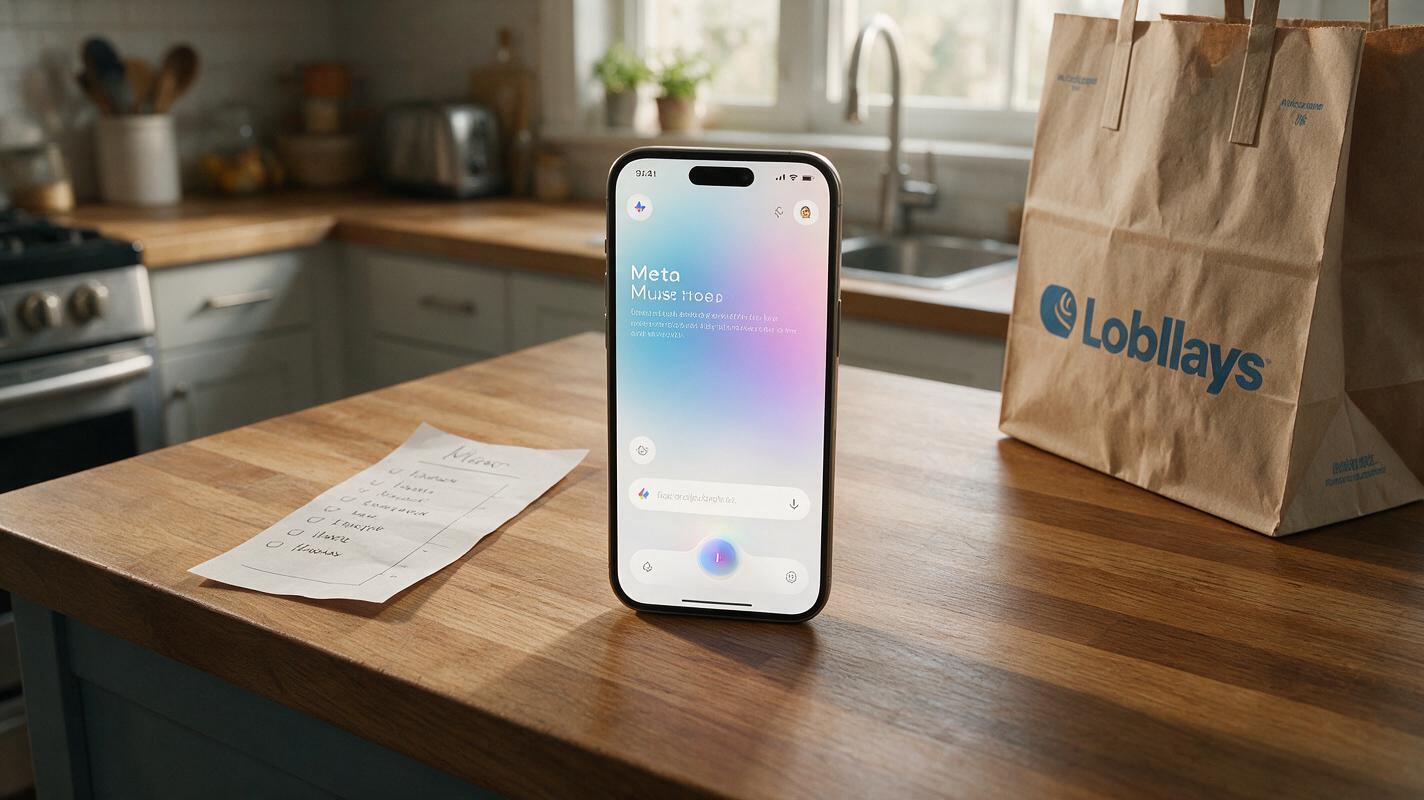
Table of contents
What Happened
On November 18, 2026, Meta announced two key updates to its Muse personal AI agent ecosystem: an updated commercial Terms of Service and a new retail partnership with Loblaw, marking Muse’s first Canadian retail partner. The announcements, posted to about.fb.com, come as Meta scales its personal AI agent across international markets and builds out its agent commerce capabilities.
The paired updates address two foundational barriers to mainstream adoption of AI agents for shopping and commercial tasks: direct access to merchant catalogs, and clear rules for liability and responsibility when agents act on a user’s behalf.
Agent commerce needs merchant access plus clear liability terms. — Meta commercial update framing, November 2026
Commercial Terms of Service Update Details
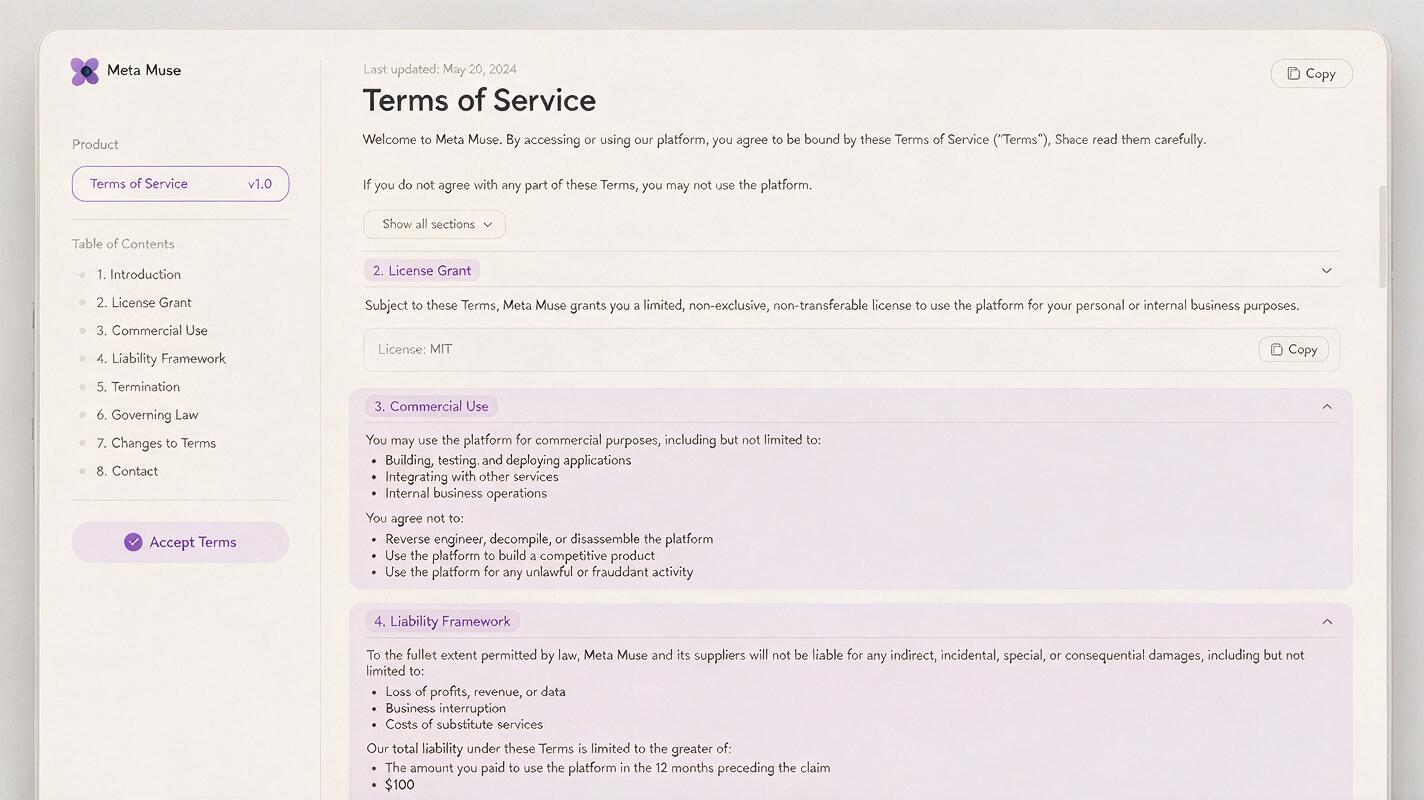
The revised commercial Terms of Service lay out updated rules for third-party merchant and developer integration with the Muse AI agent, including clearer frameworks for liability when agent actions lead to commercial outcomes such as purchases, returns, or booking changes. While specific line-item details of the ToS revision were not fully enumerated in the announcement, the update is positioned as a structural step to reduce uncertainty for both merchants and users as Muse takes on more commercial tasks.
For AI agent developers and platform partners, the updated terms provide a more predictable legal foundation for building commerce-focused integrations, rather than relying on ad-hoc agreements. This standardization is expected to speed up merchant onboarding as Muse expands to new countries.
It is important to note that the terms apply only to commercial use cases for Muse; consumer-facing privacy and data use terms remain governed by Meta’s standard user agreements.
Loblaw: Muse's First Canadian Retail Partner
The Loblaw partnership marks Muse’s first official retail integration in Canada, and one of the first major international retail partnerships for the personal AI assistant outside of the United States. Loblaw, Canada’s largest food and pharmacy retailer, will give Muse access to its retail ecosystem for Canadian users as part of the agent’s cross-country scaling effort.
The partnership follows a pattern of Muse expanding its commerce capabilities through official merchant integrations, rather than unapproved data scraping or third-party workarounds. This official access model aligns with the updated ToS’s focus on clear, authorized commercial relationships between AI agents and merchants.
No specific launch date for full Loblaw integration within Muse was disclosed, nor were details on exact user features. The announcement frames the partnership as a foundational step for Muse’s Canadian market rollout.
What This Means for AI Content Creators
While the updates are focused on retail and agent commerce, they have tangible implications for AI content creators, especially those who produce e-commerce content, product reviews, shopping guides, or affiliate marketing material.
First, official merchant partnerships for AI agents like Muse create more reliable, standardized data access for product research. Instead of relying on manual browsing or unapproved data extraction tools, creators building AI workflows can tap into authorized agent integrations to pull accurate, up-to-date product information, pricing, and availability. This reduces the risk of content errors or takedowns due to unauthorized data use.
Second, clear commercial terms for AI agents reduce legal uncertainty for creators who build custom AI automation pipelines or integrate AI assistant tools into their content production stack. Knowing the rules for how agent data can be used in commercial content makes it safer to invest in long-term workflow optimizations.
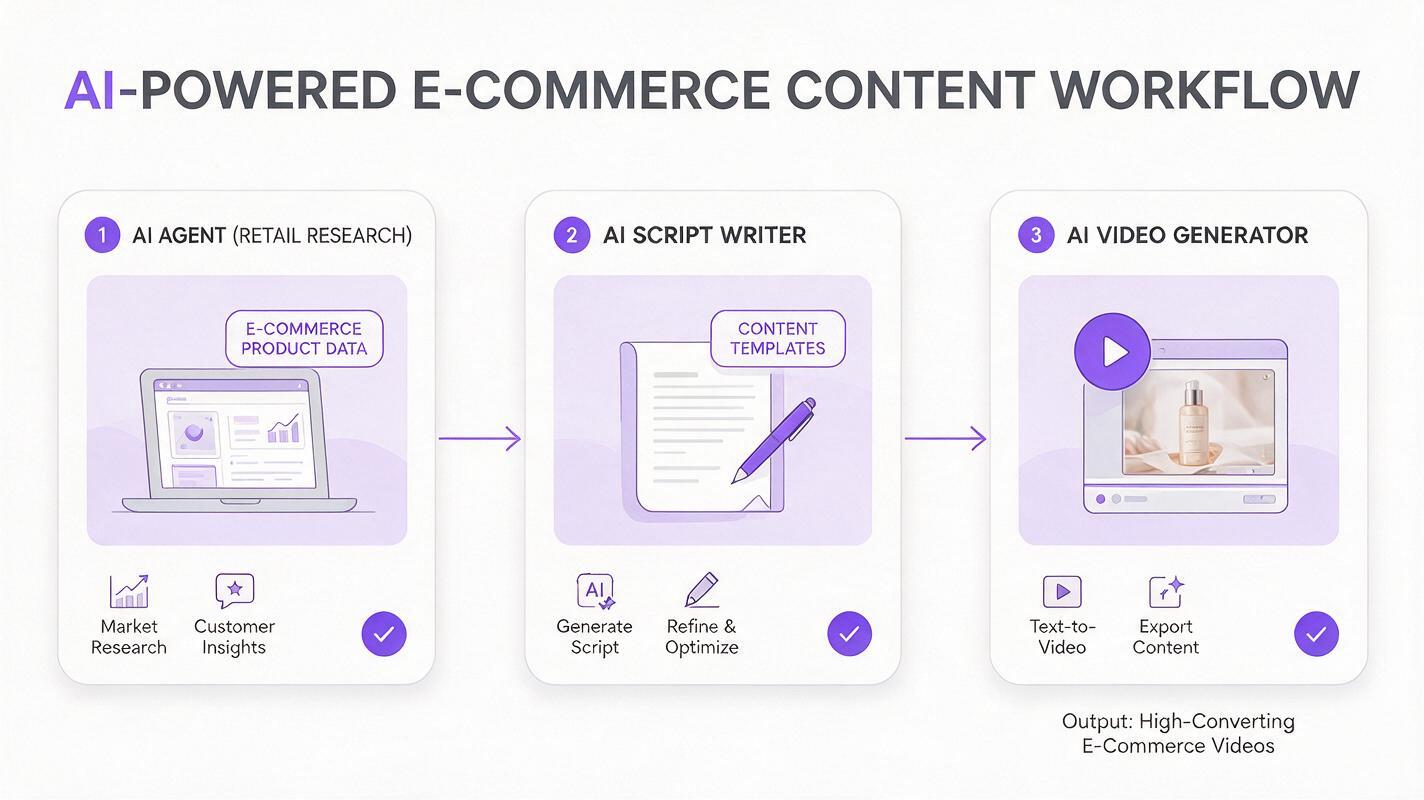
Third, the expansion of agent commerce opens up new content opportunities for video creators. As retail AI agents surface new product trends and shopper insights, creators can turn those insights into polished, audience-friendly content using an ai video generator and supporting tools. For example, a creator could use agent-derived product trend data to outline a weekly shopping guide video, then use an ai script writer to draft narration and scene prompts in minutes.
Platforms like MagicBoat bring these pieces together, letting creators build end-to-end AI video workflows that combine research insights, scriptwriting, visual generation, and editing in one unified interface. try these models for free to explore how multi-tool AI pipelines can speed up your content production.
Sources
Key Takeaways
- Meta updated its commercial Terms of Service for the Muse AI agent on November 18, 2026, adding clearer liability frameworks for commercial use cases.
- Loblaw is Muse’s first Canadian retail partner, supporting the personal AI assistant’s international scaling effort.
- The paired updates address two core barriers to agent commerce: official merchant access and clear rules for responsibility for agent actions.
- AI content creators benefit from more reliable product data access, reduced legal uncertainty, and new content opportunities tied to agent commerce expansion.
Keywords
ai agent, meta muse, ai assistant, ai automation, ai commerce, ai video generator, ai workflow